.png)


Standing in a home that just caught fire is disorienting in a way few other experiences match. The smell of smoke, the water on the floor, the scorched walls; it all hits at once, and most homeowners have no idea what comes next. Insurance adjusters call, contractors ask questions, and everyone wants an answer you may not have yet.
That uncertainty is normal, and it does not mean you are behind. The fire damage restoration process follows a predictable order, and knowing that order can make the next few weeks feel far less chaotic. Every fire is different, but the stages of recovery, from safety checks to final rebuild, tend to move in the same direction.
In this guide, you'll discover what happens at each stage of fire damage restoration, from the first hours after the flames are out through the final walkthrough of a rebuilt room. You'll also see how insurance documentation fits naturally into the process instead of feeling like a separate hurdle.
The First Hours After a Fire
The first hours after a fire are about safety, not repairs. Nothing else matters until people are accounted for and the property is stable enough to approach.
Fire departments usually clear a home before anyone re-enters, but that clearance only confirms the fire is out. It does not mean the structure is safe to live in or even walk through freely. Weakened floors, damaged electrical lines, and lingering smoke can pose risks that aren't obvious at first glance.
Protecting People and Property
Everyone in the household needs a safe place to stay before anything else happens. Gather pets, medications, and important documents only if it is safe to do so.
Avoid turning on any electrical switches until an electrician or fire official confirms the wiring is sound. Water and soot can hide damage inside outlets and panels that is not visible from the outside.
If anyone experienced smoke inhalation, even mild symptoms, a medical check is worth the trip. Smoke exposure can cause delayed symptoms that are easy to dismiss in the moment, and Cleveland Clinic's guidance on smoke inhalation notes that a healthcare provider can check for concerns you would not otherwise catch on your own.
Securing the Home From Further Loss
Once people are safe, the next priority is stopping additional damage to the structure itself. Cover broken windows, damaged doors, and roof holes.
- Board up broken windows and damaged entry points to prevent weather intrusion and deter theft
- Tarp any roof damage to keep rain from soaking into charred framing and insulation
- Shut off water to the home if firefighting efforts left pipes damaged or leaking
- Avoid moving debris until photos have been taken for insurance purposes
This is also the time to call your insurance company, since most policies require prompt notice of the loss. A restoration contractor can often coordinate this boarding and tarping work directly, which keeps the timeline moving. Once the home is stable, the next task is figuring out exactly what was damaged and how badly.
Assessing Damage and Documenting the Loss
A thorough damage assessment tells you and your insurance company exactly what needs repair, replacement, or restoration. This step sets the direction for everything that follows.
Skipping or rushing this stage often causes problems later, especially with insurance claims. Damage that is not documented early can be harder to prove once cleanup begins.
What the Initial Inspection Covers
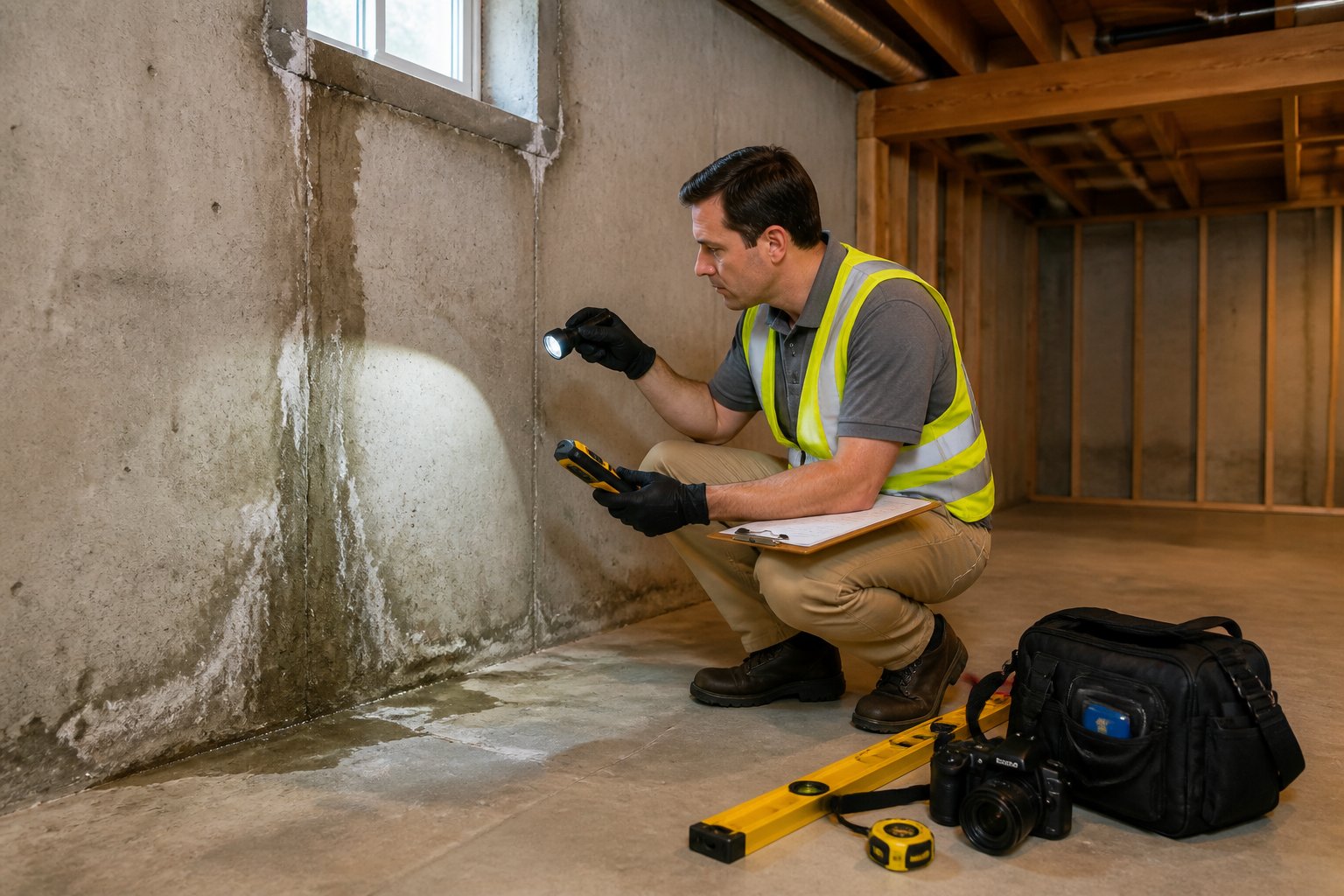
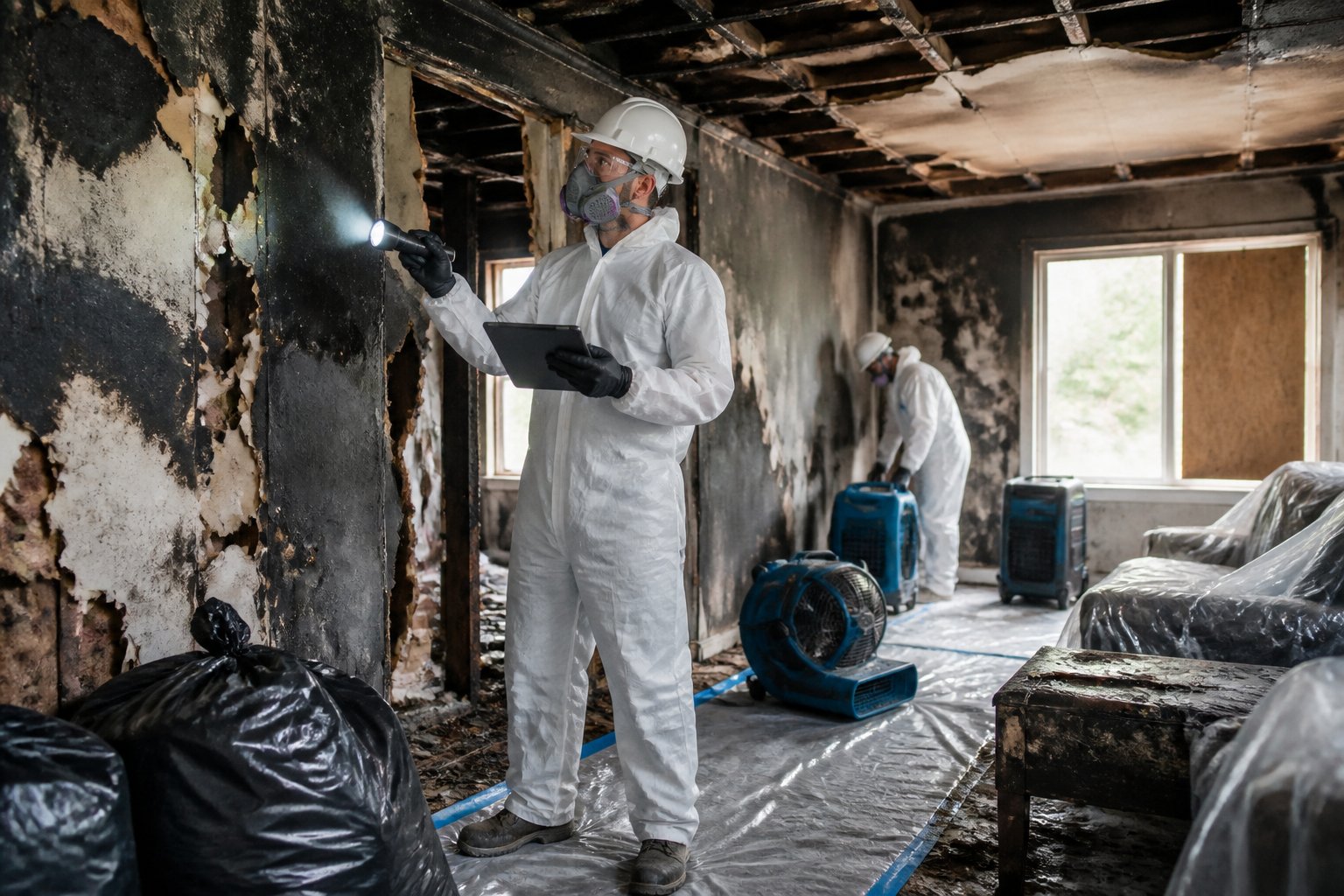
A restoration professional walks through the home room by room, checking both visible and hidden damage. Fire, smoke, and water can travel further than people expect.
The inspection typically covers:
- Structural elements like framing, subfloors, and roof decking for burn or heat damage
- Moisture readings in walls and floors from firefighting water
- Soot and smoke residue on surfaces, fabrics, and inside HVAC ductwork
- Electrical and plumbing systems for heat exposure or water intrusion
This detailed look also helps separate what can be cleaned and restored from what must be replaced. Some materials, like certain insulation or drywall, rarely survive fire and water exposure well.
Photos, Lists, and Adjuster Communication
Insurance adjusters rely heavily on documentation, so photos and written lists matter more than most homeowners expect. Take pictures of every room before any cleanup begins, including close-ups of damaged items.
A written inventory of damaged belongings, with approximate value and age, speeds up claim processing. Many restoration companies help build this list as part of their assessment, since they already have detailed damage notes.
Staying in contact with your adjuster during this stage keeps the claim moving and avoids surprises later. Understanding how a contractor can help manage the insurance side of a claim makes this stage easier to navigate, since a restoration company that handles both repairs and claims coordination can keep documentation and rebuilding moving together. Once the damage is fully documented, cleanup can begin without risking your ability to recover costs.
Removing Soot, Smoke, and Odors
Soot and smoke cleanup is a specialized process, not something you can do by scrubbing walls with household cleaner. Getting this stage right protects both the home's surfaces and the air inside it.
Fire leaves behind more than burned materials. Smoke particles are microscopic and can work their way into drywall, wood, and fabric within minutes of a fire starting.
Why Soot Requires Specialized Cleaning
Soot is acidic, so it can keep damaging surfaces the longer it sits untouched. Left alone, it etches glass, discolors metal, and permanently stains fabric.
Different fires produce different types of soot, and each type responds to different cleaning methods. A protein fire from cooking oil leaves a different residue than a fire that burned synthetic materials or furniture.
This is why professional restoration relies on testing residue before choosing a cleaning approach. Using the wrong method can spread soot further or push it deeper into porous materials.
Cleaning Belongings and Interior Surfaces
Salvageable belongings are typically cleaned off-site using specialized equipment designed for smoke residue. Clothing, upholstery, and some furniture can often be saved with the right treatment.
Hard surfaces like walls, ceilings, and trim are usually cleaned in place using techniques suited to the material and soot type. Wood may need different treatment than drywall or tile.
- Dry cleaning sponges lift loose soot without smearing it into surfaces
- Wet cleaning solutions target stubborn residue on washable surfaces
- HEPA vacuuming removes fine particles before wet cleaning begins
Making Indoor Air Safe Again
Smoke odor lingers in air, insulation, and ductwork long after visible soot is cleaned. Simply masking the smell with air fresheners does not solve the underlying problem.
Restoration teams use air scrubbers with HEPA filters to pull smoke particles out of the air throughout the cleaning process. In plain terms, these are powerful air filters that trap tiny smoke particles most vacuums miss.
Odor treatments may also involve sealing surfaces after cleaning to lock in any remaining residue before repainting. Once the air and surfaces are clean, attention shifts to the structure itself, since fire damage often runs deeper than what cleaning alone can fix.
Repairing Structural and Building-System Damage
Structural repair addresses the parts of the home that keep it standing and safe to live in. This stage moves beyond cleaning and into rebuilding damaged components.
Fire weakens wood and metal even when the damage isn't visible on the surface. Heat can compromise framing strength long before it shows charring.
Checking Framing, Roofing, and Moisture
A contractor or structural engineer typically checks load-bearing walls, floor joists, and roof framing for heat damage. Any compromised areas need reinforcement or replacement before rebuilding continues.
Moisture from firefighting efforts adds another layer of concern, since trapped water can lead to rot and mold if it isn't fully dried out. Moisture meters help identify areas that look dry but still hold water inside wall cavities. This drying stage works the same way as what a good water damage restoration company does after any water intrusion, fire-related or not.
Roofing damage often gets addressed early in this stage, since an open roof invites more weather-related problems. Replacing damaged decking and shingles protects everything being rebuilt underneath.
Restoring Electrical, Plumbing, and HVAC Systems
Electrical systems exposed to fire or heavy heat usually need inspection by a licensed electrician before power is restored. Wiring that looks intact can have damaged insulation hiding inside walls.
Plumbing lines near the fire's source may have melted fittings or heat-stressed pipes that need replacement. HVAC systems often require duct cleaning or replacement, since smoke residue circulates through ductwork during a fire.
- Electrical panels and wiring near the fire's origin are inspected first
- Plumbing fittings made of plastic or rubber are checked for heat damage
- HVAC ducts are cleaned or replaced if smoke residue traveled through the system
With the structure and systems repaired, the home is finally ready for the visible work that makes it feel livable again.
Rebuilding Rooms for a Livable Home
Rebuilding is the stage where a fire-damaged house starts looking like a home again. Drywall goes up, floors go down, and rooms take shape.
This part of the process often feels the most encouraging, since progress becomes visible day by day. It also requires careful coordination to ensure finishes match the home's original character.
Replacing Drywall, Flooring, and Finishes
Contractors remove and replace damaged drywall, then tape, sand, and paint it to match the rest of the home. Trim, doors, and baseboards affected by fire or smoke are also replaced at this stage.
Flooring decisions depend on what survived the fire and water exposure. Hardwood floors that absorbed water may need full replacement, while tile or concrete can sometimes be cleaned and reused.
Cabinets, countertops, and built-ins damaged during the fire are rebuilt or replaced to match the home's layout. This is also a natural point to update finishes if a homeowner wants a slightly different look.
Final Inspections and Returning Home
Before move-in, most jurisdictions require a final inspection to confirm the home meets current building codes. This inspection covers electrical, plumbing, and structural work completed during restoration.
A walkthrough with your contractor is worth doing before the final sign-off. This is the time to point out anything that still needs adjustment, from paint touch-ups to fixture placement.
Once inspections pass and the walkthrough is complete, the home is ready for move-in. Reaching this point after weeks or months of restoration is a real milestone worth acknowledging.
A Steady Path Forward After the Damage
Recovering from a house fire moves faster and with less stress when you know when to bring in a professional. Waiting too long on any stage can slow down both repairs and your insurance claim.
Every fire is different, but the general timing for calling in help follows a clear pattern.
When to Request a Professional Assessment
A professional assessment should happen as soon as it is safe to enter the home, ideally within the first day or two. Early assessment protects both your safety and your insurance claim, since documentation needs to happen before cleanup starts.
Homeowners often wait, hoping the damage looks less serious once emotions settle. In practice, waiting usually leads to more secondary damage from moisture, soot, or weather exposure.
Even smaller fires, like a contained kitchen fire, benefit from a professional look. Smoke and soot travel further than the visible burn area suggests.
Frequently Asked Questions
What Should I Do First After a Fire Damages My Home?
Confirm everyone is safe and follow guidance from fire officials before re-entering the property. Once it is safe, contact your insurance company and arrange a professional damage assessment as soon as possible.
How Long Does It Take to Restore a Home After Fire and Smoke Damage?
Timelines vary widely based on the extent of structural, smoke, and water damage involved. A contractor can give you a realistic timeline after fully assessing your property.
What Steps Are Involved in Cleaning Up Fire and Smoke Damage?
Cleanup typically includes removing soot from surfaces, cleaning or replacing damaged belongings, and treating the air to remove smoke odor. Specialized equipment like HEPA air scrubbers and dry cleaning sponges are common tools used during this stage.
Will My Homeowners Insurance Cover Fire Damage Cleanup and Repairs?
Most homeowners insurance policies cover fire damage, but coverage details depend on your specific policy and the cause of the fire. Reviewing your policy with your adjuster early helps clarify what is included before restoration work begins.
How Much Does Fire Damage Restoration Typically Cost?
Costs depend on the home's size, the extent of the damage, and whether structural repairs are needed. A contractor can provide an accurate estimate only after inspecting the property in person during a consultation.
Why Is Water Removal Important After Firefighters Put Out a Fire?
Water left behind from firefighting efforts can cause mold growth and weaken structures if it isn't removed quickly. Proper drying protects both the framing and air quality throughout the restoration process.
How Jenkins Restoration and Remodel Can Help
Jenkins Restoration and Remodel handles fire damage restoration from the first assessment through the final rebuild. As a locally owned Southern Maryland contractor with over 50 years of experience, the team understands both the construction and insurance sides of recovery.
You do not have to figure this out alone. The team is ready to walk you through every step, from the first assessment to the finished project, with no pressure and no guesswork about your next move.
Call us today to schedule your free consultation and get a clear plan for your home's recovery.