.png)


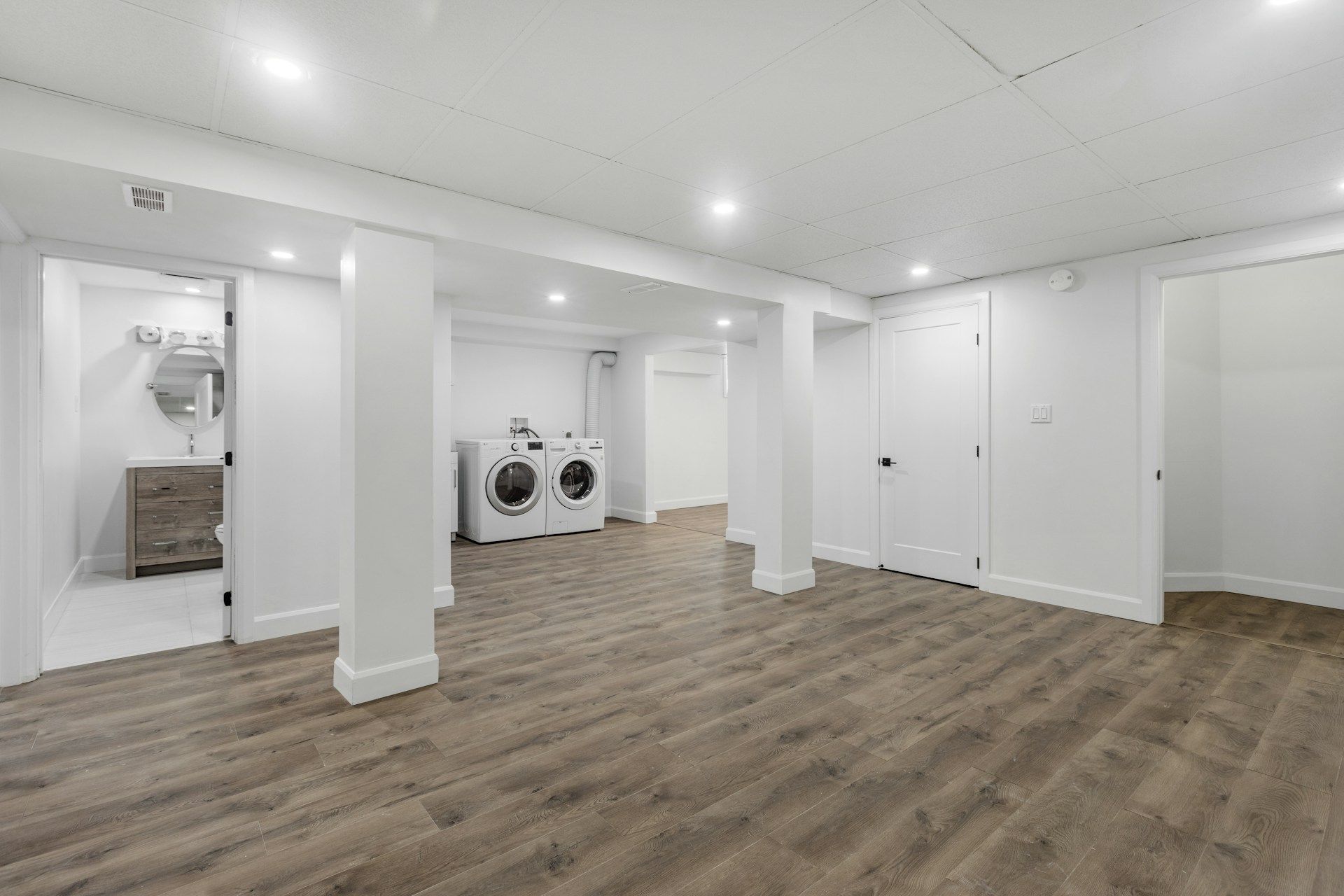
An unfinished or underused basement can feel like wasted space, especially when your home starts to feel crowded. Many homeowners want more room but feel unsure about the cost, process, and risks of building below ground.
Basement construction services help solve that problem by turning lower-level space into safe, comfortable rooms. At Jenkins Restoration and Remodel, we guide Southern Maryland homeowners through planning, construction, and code requirements so the process feels manageable instead of overwhelming.
This guide breaks down how basement construction works, what to plan for, and how to avoid common mistakes. With the right information, you can move forward knowing what to expect and how to make the most of your space.
What Are Basement Construction Services?
Basement construction services cover the whole process—from digging out the space beneath your home to making it waterproof and ready to use. These pros can build a new basement from scratch or transform your existing unfinished space into a comfortable area you’ll actually want to spend time in.
Definition And Scope
Basement construction services deliver professional solutions to create or improve the space below your main floor. The work includes planning your layout, excavating soil, building strong foundation walls, and installing waterproofing systems to keep the moisture out.
Your construction team tackles technical tasks like plumbing installation, electrical wiring, insulation, and ventilation systems. They also take care of finishing touches such as drywall, flooring, lighting, and trim work.
The scope ranges from basic structural work to complete renovations that turn empty basement space into bedrooms, bathrooms, home offices, or entertainment areas. Most basement construction projects require permits and inspections to meet local building codes.
Your contractor coordinates these requirements and ensures the work meets safety standards for things like ceiling height, emergency exits, and fire protection.
Types Of Basement Construction
Full Basements extend under your entire home and give you the most usable space. These require extensive excavation and are usually built during new home construction.
Partial Basements sit under only part of your house, typically beneath the main living areas. They cost less to build, but of course, you get less square footage.
Crawl Spaces are shallow basement alternatives that just give you enough room to access utilities. They're not true basements, but some contractors can convert them into full basement spaces through excavation work.
Walkout Basements feature a door that opens directly to ground level on one side, usually on sloped lots. These bring in natural light and offer easy outdoor access.
Common Applications
Many homeowners use basement construction to add extra bedrooms and bathrooms for growing families. You gain living space without expanding your home's footprint.
Basement spaces work well as home offices, gyms, or entertainment rooms with theaters and game areas. The separated location keeps noise away from the main living areas.
Rental units or in-law suites in basements provide income opportunities or housing for family members. These need separate entrances and proper egress windows for safety.
Storage areas, workshops, and utility rooms are practical basement uses that free up space elsewhere in your home. Climate-controlled basements protect belongings better than garages or sheds.
Planning And Design For Basements
A successful basement project starts with understanding your property's unique conditions and creating a layout that matches how you plan to use the space. You'll also need to secure the right permits before any construction begins.
Site Assessment
Before you break ground, a professional needs to evaluate your property's soil conditions and water table levels. Clay soil expands and contracts with moisture, which can damage foundation walls.
Sandy soil drains well but may not provide stable support. Your contractor should test the soil's load-bearing capacity to determine what type of foundation you need.
They'll also check for underground utilities, rock formations, and tree roots that could complicate excavation. If your property sits in a high-water table area, you'll need a more robust waterproofing system and possibly a sump pump.
The slope of your land affects drainage patterns around your basement. A site assessment identifies where water naturally flows so your design can redirect it away from the foundation. This step helps you avoid costly water damage problems down the road.
Basement Layout Options
Your basement layout depends on how you want to use the space. Common options include open floor plans for entertainment areas, segmented rooms for bedrooms and bathrooms, or a mix of both.
Popular basement layouts include:
- Open concept: One large room for family activities, home gyms, or game rooms
- Apartment-style: Separate bedroom, bathroom, kitchenette, and living area for rental income
- Mixed-use: Combination of open entertaining space with closed-off utility and storage rooms
- Home office suite: Dedicated workspace with built-in storage and good lighting
Each layout requires different structural supports, electrical outlets, and HVAC considerations. Think about ceiling height requirements for your intended use.
Most building codes require at least 7 feet of clearance, but honestly, 8 to 9 feet just feels more comfortable for living spaces.
Permits And Local Regulations
You need building permits for basement construction in most areas. Your local building department reviews your plans to make sure they meet safety codes for egress windows, ceiling heights, electrical systems, and fire safety.
Zoning laws may restrict how you use your basement, especially if you plan to create a rental unit. Some neighborhoods don't allow separate dwelling units or have specific requirements for parking and separate entrances.
Check these regulations before finalizing your design. The permit application process typically takes 2 to 6 weeks.
You'll submit architectural drawings, structural plans, and details about your waterproofing and drainage systems. Inspectors will visit your site at various construction stages to verify the work meets approved plans and code requirements.
Basement Construction Process Overview
Building a basement involves three main phases that work together to create a solid, functional space below your home. These steps include preparing your property, removing soil and rock, and installing the structural foundation that supports everything above it.
Site Preparation
Before any digging begins, your construction team needs to get your property ready for the work ahead. This starts with checking soil composition and drainage patterns to make sure the ground can support a basement structure.
Your contractor will mark utility lines like water, gas, and electrical cables to avoid damaging them during construction. The preparation phase also includes getting the right permits and approvals from your local building department.
You'll need to clear the construction area of any plants, trees, or obstacles that might get in the way. Your team will set up temporary fencing and safety barriers to protect both workers and your property.
Access routes for heavy equipment must be established at this stage. This means creating paths that excavators, dump trucks, and other machinery can use without tearing up your lawn or driveway.
Excavation Methods
Excavation removes the dirt and rock needed to create space for your basement. The most common approach is the top-down method, where crews dig from ground level downward.
This works best when you're building a basement before constructing the rest of your home. Your contractor might choose different techniques based on your soil type and project size.
Clay soils require different handling than sandy or rocky ground. The excavation depth depends on your basement design, but most residential basements go down 8 to 10 feet.
Heavy machinery like backhoes and excavators does most of the work. Crews haul away the removed material in dump trucks. They'll grade the bottom of the excavation to create a level surface for the foundation.
Foundation Installation
Once excavation is complete, workers install the foundation that forms your basement walls and floor. This typically starts with pouring a concrete footing around the perimeter.
The footing sits below the frost line to prevent shifting from freeze-thaw cycles. Your foundation walls go up next, either as poured concrete or concrete blocks.
Poured concrete creates a single solid structure, while blocks get stacked and reinforced with steel rebar. Both methods create strong, durable walls that hold back soil pressure.
Waterproofing happens during foundation installation, not after. Workers apply waterproof membranes or coatings to the outside of your foundation walls.
They also install drainage systems like weeping tiles around the footer to channel water away from your basement.
Waterproofing And Drainage Solutions
Protecting your basement from water damage requires a combination of waterproofing methods and proper drainage systems.
These solutions work together to keep moisture out and direct water away from your foundation.
Interior And Exterior Waterproofing
Interior waterproofing creates a barrier inside your basement to manage water that gets through the foundation walls. This includes installing sealants on walls and floors to block moisture from entering your living space.
You can also apply waterproof coatings and membranes that prevent water seepage through cracks and porous concrete. Exterior waterproofing happens on the outside of your foundation walls.
Workers excavate around your home's perimeter and apply waterproof membranes or coatings directly to the foundation. This method stops water before it reaches your basement walls.
Both approaches have their place in basement protection. Interior solutions are often more affordable and less disruptive to your property.
Exterior waterproofing provides stronger protection but requires more extensive work and costs more upfront.
Drainage Systems
A sump pump system sits in a pit at the lowest point of your basement floor. When water collects in the pit, the pump automatically turns on and pushes the water away from your home through discharge pipes.
Battery backup systems keep your pump working during power outages. French drains use perforated pipes surrounded by gravel to collect and redirect water.
These drains install along your foundation's interior or exterior perimeter. The pipes channel water to your sump pump or away from your home.
Underground downspout lines connect to your gutters and carry roof water far from your foundation. Without these extensions, rainwater can dump near your basement walls and can seep inside.
Moisture Control Techniques
Dehumidifiers remove excess humidity from your basement air. You should keep humidity levels below 50% to prevent mold growth and musty odors.
Some units drain automatically, so you don't need to empty water buckets. Vapor barriers are thick plastic sheets that cover basement walls and crawl space floors.
These barriers stop moisture from passing through concrete and dirt surfaces into your basement. Proper ventilation helps air circulate and prevents moisture buildup.
Install vents in your basement windows or use exhaust fans to move damp air outside. You should also seal cracks in your foundation walls with epoxy or polyurethane injections to block water entry points.
Finishing And Customization
The final stage of basement construction transforms raw space into a polished, livable area through careful selection of flooring, lighting, and wall treatments. Your choices in these areas will determine both the functionality and atmosphere of your finished basement.
Basement Flooring Options
You have several flooring choices that work well in basement environments. Luxury vinyl plank (LVP) stands out as one of the most popular options because it resists moisture and feels warm underfoot.
It comes in styles that mimic hardwood or tile at a fraction of the cost. Carpet tiles offer another practical solution.
You can replace individual tiles if they get damaged or stained, which makes maintenance easier than wall-to-wall carpeting. Epoxy-coated concrete provides a durable, moisture-resistant surface that works great for workout areas or workshops.
Engineered hardwood can work in basements if you install proper moisture barriers first. Ceramic or porcelain tile gives you excellent water resistance and works particularly well in bathroom areas or wet bars.
The best choice depends on your planned use and budget. Most contractors recommend against solid hardwood flooring in basements due to moisture concerns.
Lighting And Electrical Work
Basements need extra attention to lighting since they lack natural light. You should plan for multiple light sources at different levels to create a bright, welcoming space.
Recessed ceiling lights provide general illumination without taking up headroom. Track lighting or pendant fixtures can highlight specific areas like bars or game tables.
Wall sconces add ambient lighting and make the space feel more finished. Your electrical plan needs to include enough outlets for your intended use.
Building codes typically require outlets every 12 feet along walls. You'll want additional dedicated circuits for appliances, entertainment systems, or home office equipment.
Consider adding dimmer switches to control mood and brightness. Under-cabinet lighting works well in wet bar areas. You might also want to include USB outlets near seating areas for convenient device charging.
Insulation And Wall Finishes
Proper insulation keeps your basement comfortable year-round and reduces energy costs. Rigid foam boards work well against foundation walls because they resist moisture and provide high R-values in thin profiles.
You can also use spray foam insulation for excellent air sealing and moisture control. Standard fiberglass batts work for framed walls but need vapor barriers in most climates.
Your local building code will specify required R-values for your area. Drywall remains the most common wall finish. It creates smooth surfaces ready for paint or wallpaper. You should use moisture-resistant drywall in areas prone to humidity.
Basement-specific wall panels offer another option. These systems install directly over foundation walls and include built-in insulation.
Exposed brick or stone can add character if properly sealed. Paint color matters too. Lighter shades help brighten spaces with limited natural light.
Popular Basement Upgrades
Homeowners are turning their basements into specialized spaces that add real value to their homes. These upgrades range from entertainment areas to income-generating apartments, with costs varying based on your goals and budget.
Home Gyms And Theaters
A home gym or theater can turn your basement into a dedicated spot for fitness or entertainment. Gyms need rubber flooring to absorb impact and protect your foundation.
You'll want proper ventilation to keep the air fresh during workouts. Nobody likes a stuffy gym, right? Basements naturally work well for home theaters since they're darker and quieter than most rooms. You can add soundproofing materials to keep noise contained.
Theater setups need comfy seating, solid acoustics, and good lighting controls. Don't underestimate the difference a dimmer switch makes.
Both setups require enough electrical outlets and a strong internet connection. Climate control matters too. Basements often feel damp or chilly. Expect to spend around $5,000 to $15,000 for a basic gym, or $10,000 to $30,000 for a decent home theater.
Basement Apartments
A basement apartment creates rental income or a private living space for family members. You'll need a separate entrance, a full bathroom, and a kitchen area to make it functional.
This upgrade demands careful attention to building codes and permits. Don’t skip this step. It can come back to bite you later.
Egress windows are required by law for safety and let in some natural light. The ceiling height should meet minimum standards, usually at least 7 feet.
You'll need proper insulation and a heating system that's separate from your main house. That way, everyone stays comfortable.
The average cost ranges from $20,000 to $50,000, depending on size and finishes. Check your zoning laws before you get too excited about renting it out.
Wine Cellars And Storage Rooms
Wine cellars need climate control to keep temperatures between 55-58°F. Humidity should hover around 70% to protect corks and labels.
You can go with custom racking or modular units, depending on your collection size. There's a lot of flexibility here.
Storage rooms help you organize your basement and keep stuff accessible. Built-in shelving, cabinets, and closet systems do the trick.
Moisture-resistant materials make a big difference in protecting your belongings. No one wants to find moldy boxes months later.
Both options work well in smaller basement areas that might not suit other uses. Wine cellars add a bit of luxury and typically cost $5,000 to $25,000. Basic storage upgrades start around $1,000, but custom features can drive that up.
Energy Efficiency In Basement Construction
Building an energy-efficient basement can lower utility costs and make your space more comfortable year-round. Insulation and smart heating and cooling choices matter most for your basement's energy performance.
Thermal Insulation Strategies
It's easiest to insulate your basement during new construction, when you can apply foam sheet insulation to the exterior foundation walls below ground. This blocks thermal bridging and keeps the concrete inside your home's thermal envelope.
For interior work, you've got a few solid options. Rigid foam board insulation works well against foundation walls, offering R-10 to R-20 depending on thickness.
Spray foam insulation seals up gaps and cracks while delivering high R-values per inch. It's a bit pricier, but worth it if you hate drafts.
Insulate the basement ceiling only if you plan to leave the space unheated. Otherwise, focus on the walls and rim joists, since that's where most heat escapes.
The rim joist area is especially leaky. Don’t skip it.
Key insulation targets:
- Foundation walls (exterior or interior)
- Rim joists
- Any exposed pipes or ductwork
- Access doors and windows
Efficient Heating And Cooling Integration
Extending your existing HVAC system into the basement is usually the simplest way to handle temperature control. You'll need properly sized ductwork and enough return air vents to keep things balanced.
Radiant floor heating feels great in basements since it warms from the ground up. This system pairs well with concrete floors and works efficiently at lower water temperatures.
A mini-split heat pump gives you independent climate control without the hassle of ductwork. These systems heat and cool efficiently and let you skip conditioning the basement when it's not in use.
You can also add a dehumidifier to your HVAC setup. Basements love to attract moisture, making them feel colder in winter and muggy in summer.
Basement Construction Costs And Budgeting
Building a basement usually costs between $10,000 and $175,000. Most folks spend about $30 to $75 per square foot for a finished space.
Final price depends on size, location, and whether you're adding a basement to an existing home or building one from scratch.
Factors Influencing Costs
Your basement's size makes the biggest dent in your budget. A 1,000-square-foot basement is way cheaper than a 2,000-square-foot one, simply because you'll need more materials and labor.
Location and soil conditions affect excavation costs. Rocky soil or high water tables require special equipment and waterproofing, which can add thousands to your project.
The type of basement you pick changes your costs a lot. An unfinished basement costs about $10 to $25 per square foot. A finished basement with drywall, flooring, and basic utilities runs $30 to $75 per square foot. Go for luxury finishes, and you could pay over $100 per square foot.
Key cost components include:
- Excavation and foundation work
- Concrete materials and pouring
- Waterproofing and drainage systems
- Electrical and plumbing installations
- Insulation and HVAC extensions
- Interior finishes like drywall, flooring, and paint
Material choices matter too. Standard concrete blocks are cheaper than poured concrete. Vinyl flooring costs less than hardwood or tile.
Cost-Saving Tips
Plan your basement layout carefully before construction kicks off. Changing things mid-build costs more than getting it right the first time.
If you've got the skills, handle some finishing work yourself. Painting, installing trim, or laying basic flooring can shave 20-30% off labor costs. Leave electrical, plumbing, and anything structural to the professionals.
Pick mid-range materials that balance quality and price. You don't need high-end finishes everywhere. Save those for the spaces you'll use most.
Schedule your project during the off-season when contractors aren't as busy. You might score better rates in late fall or winter. Get at least three detailed quotes from licensed contractors. Comparing pricing helps you avoid surprises.
If your budget's tight, phase your project. Finish the structural work and utilities first, then tackle individual rooms as funds allow.
Financing And Payment Options
Home equity loans let you borrow against your home's value at fixed rates. You get a lump sum upfront, which is great if your basement project has clear costs.
Home equity lines of credit (HELOCs) give you flexible access to funds as you need them. You only pay interest on what you borrow, which works well for projects with unpredictable costs.
Cash-out refinancing replaces your mortgage with a bigger loan. You get the difference in cash for your basement project. This makes sense if you can lock in a lower interest rate.
Personal loans don't require home equity but usually have higher interest rates. They're good for smaller basement projects or if you don't want to use your home as collateral.
Many contractors offer payment plans so you can pay in installments throughout the project. Usually, you'll pay a deposit upfront, then more at specific milestones. Always read the terms, so you know what you're getting into.
Choosing A Basement Construction Contractor
The right contractor can make the difference between a basement that adds real value and one that causes endless headaches. You need someone who knows building codes, understands moisture control, and can handle below-grade construction challenges.
What To Look For In A Contractor
License and insurance are non-negotiable. A licensed contractor meets state requirements and follows local codes. Insurance protects you if someone gets hurt or if there's damage during construction.
Find contractors who focus on basement work. Basements are tricky. Moisture, waterproofing, ventilation. It’s not the same as a kitchen remodel.
Experience matters. Ask how many basement projects they've done and request photos of finished work. You want proof they can deliver.
Check out references and online reviews. Talk to past clients. Were projects finished on time? Did they stay within budget? Was the work solid?
Questions To Ask Before Hiring
Start with timeline and availability. When can they start? How long will it take? A clear schedule helps you plan.
Ask about their process for handling permits. Your contractor should know which permits you need and be willing to pull them. Skipping permits can cause legal headaches and hurt resale value.
Find out who'll actually do the work. Will they use subcontractors? If so, are those workers licensed and insured, too?
Get details about payment terms. Be wary if someone wants full payment upfront. Normal practice is a deposit, with progress payments tied to work stages.
Ask how they handle surprises during construction. What's the process for unexpected issues or change orders? It's best to know before problems pop up.
Safety Measures In Basement Construction
Construction teams stick to strict safety protocols during excavation and building phases. Proper structural design helps prevent water damage and foundation problems for years to come.
Site Safety Practices
OSHA sets specific standards for basement excavation to protect workers and property owners. Contractors must set up proper trenching and shoring systems before anyone goes into an excavation deeper than five feet.
Key site safety requirements include:
- Protective systems like trench boxes or sloped walls
- Daily inspections of the work area before crews arrive
- Clear egress routes so workers can exit trenches fast
- Barriers around the construction zone to prevent falls
The crew should test soil stability and check for underground utilities before digging. They also need to watch for water accumulation, which can destabilize trench walls and create nasty conditions.
Everyone entering the excavation should wear hard hats, steel-toed boots, and high-visibility clothing. Make sure your contractor actually enforces these standards, not just talks about them.
Long-Term Structural Safety
Your basement needs egress windows or doors that meet local codes for emergency exits. Most places require at least one egress opening with minimum dimensions of 24 inches high and 20 inches wide, though this can vary.
Waterproofing systems shield your foundation from moisture damage that can weaken it over time. Contractors should install exterior waterproof membranes, interior drainage, and sump pumps if groundwater is an issue.
Essential structural safety elements:
- Foundation walls designed for soil pressure loads
- Proper ventilation to prevent mold and air quality issues
- Load-bearing calculations for walls and beams
- Adequate ceiling height (usually 7 feet minimum)
Building inspectors check your basement construction at multiple stages to make sure it meets codes. These inspections help ensure your basement stays safe and functional for the long haul.
Post-Construction Maintenance
A finished basement needs ongoing attention to protect your investment and catch small issues before they turn into big problems. Regular maintenance keeps moisture out, preserves structural integrity, and makes sure your basement stays comfortable.
Routine Inspections
Check your basement every three months to spot problems early. Look for cracks in walls and floors. They can let in moisture or signal settling. Check the ceiling for water stains or discoloration that might mean a plumbing leak. It's easy to miss if you don't look up.
If you have a sump pump, test it by pouring water into the pit to make sure it kicks on. Check the discharge line outside to confirm water flows away from your foundation.
Look at window wells and basement windows for drainage and seal integrity. Clear out debris from wells. Standing water can sneak in through tiny gaps. Check door seals and weatherstripping to keep outside air and moisture where they belong.
Preventative Care Tips
Keep basement humidity between 30-50% with a dehumidifier. High humidity encourages mold and can damage building materials.
Clean gutters and downspouts regularly so water flows at least six feet away from your foundation. This simple habit prevents most basement water problems.
Make sure your yard slopes away from your house at a grade of at least 6 inches over 10 feet. It's not glamorous, but it works.
Seal new cracks in walls or floors as soon as you spot them. Small cracks get bigger when water freezes inside during winter.
Apply fresh caulk around windows and where walls meet floors every few years. It takes a little time but saves headaches later.
Keep these items on hand for quick repairs:
- Hydraulic cement for active leaks
- Concrete crack filler
- Waterproof sealant
- Replacement weatherstripping
Basement Construction Trends And Innovations
Basement construction has changed a lot in recent years. Your basement can now be more than just storage space.
Open concept layouts are one of the biggest trends right now. These designs remove unnecessary walls to create larger, more flexible spaces.
You can use these areas for multiple purposes without feeling cramped. That flexibility really makes a difference, especially if you’re tired of cluttered, boxed-in rooms.
Smart technology is becoming standard in modern basements. You can add features like automated lighting, temperature control, and entertainment systems.
These upgrades make your basement more comfortable and easier to use. Who doesn’t want to dim the lights from the couch or have the perfect temperature for movie night?
Popular basement uses include:
- Home theaters and entertainment rooms
- Home gyms and wellness spaces
- Guest suites with full bathrooms
- Home offices and workspaces
- Wet bars and kitchens for entertaining
Eco-friendly materials are now common in basement construction. Builders use sustainable options that help reduce energy costs.
These materials also improve air quality in your basement. It’s nice knowing your space is a bit greener, and you might even notice the difference in your utility bill.
Multi-functional spaces let you get more value from your basement. You might combine a home office with a guest bedroom or add a workout area to your entertainment room.
The industrial look has gained popularity for basement designs. This style uses exposed elements like concrete, metal fixtures, and open ceilings. It gives your space a modern feel while often reducing construction costs. Not everyone loves that raw vibe, but it’s definitely having a moment.
Energy efficiency matters more than ever in basement construction. Better insulation, moisture barriers, and ventilation systems keep your basement comfortable year-round. These improvements also protect your investment from water damage and mold. That’s peace of mind you can’t really put a price on.
Build More Space Without The Stress
Basement construction services give you a way to gain usable living space without adding onto your home. When planned correctly, your basement can become comfortable, code-compliant, and built to handle moisture and long-term use.
At Jenkins Restoration and Remodel, we focus on clear guidance, careful planning, and quality construction so you’re not left guessing at each step. Our goal is to help you avoid common setbacks and feel confident in every decision.
If you’re ready to turn unused square footage into a space that truly works for your home, get in touch to schedule a consultation and take the next step forward.
Frequently Asked QuestionsWhat Do Basement Construction Services Typically Include?
Basement construction services usually cover planning, excavation, foundation work, waterproofing, and finishing. Depending on your project, this may also include electrical, plumbing, insulation, and ventilation so the space meets building codes and feels comfortable.
Some homeowners use these services to build a basement from scratch, while others focus on finishing an existing unfinished basement. The scope depends on your home and goals.
How Long Does Basement Construction Usually Take?
Timelines vary based on project size and complexity. Building a new basement can take several months, especially if excavation and foundation work are involved.
Finishing an existing basement is usually faster. Many projects are completed in four to eight weeks, assuming there are no major structural or moisture issues.
Do I Need Permits For Basement Construction Services?
Yes, most basement construction projects require permits. These ensure the work meets safety and building code requirements for things like ceiling height, egress windows, electrical systems, and fire protection.
Your contractor typically handles the permit process, but it’s important to confirm this upfront so there are no delays or compliance issues later.
How Do Contractors Prevent Moisture Problems In Basements?
Moisture control starts with proper waterproofing and drainage. This often includes exterior foundation membranes, interior drainage systems, sump pumps, and vapor barriers.
Good basement construction services also address grading, ventilation, and humidity control to help prevent mold and long-term water damage.
Can A Basement Be Used As A Living Space Or A Rental Unit?
Basements can be used as bedrooms, home offices, family rooms, or even rental units if local codes allow it. Living spaces require proper ceiling height, insulation, heating, and emergency exits.
Rental units often need additional approvals, such as separate entrances and parking requirements. Always check zoning rules before planning this type of use.
How Much Do Basement Construction Services Cost?
Costs vary widely depending on size, soil conditions, finishes, and whether the basement is new or existing. Finished basements typically cost more due to added utilities, insulation, and interior work.
A detailed estimate helps you understand where your budget is going and reduces the chance of surprises during construction.
What Should I Look For When Hiring A Basement Contractor?
Look for licensing, insurance, and experience with below-grade construction. Basements require specialized knowledge around waterproofing, ventilation, and structural support.
It’s also important to ask about timelines, warranties, and how unexpected issues are handled so you feel informed before work begins.