.png)


A basement remodel can feel overwhelming. You may be staring at unfinished space, moisture concerns, or outdated layouts and wondering where to even start. Choosing the right basement remodeling contractors is often the hardest part, especially when you want the work done right the first time.
Jenkins Restoration and Remodel works with homeowners across Southern Maryland who want clear answers, realistic expectations, and steady guidance. From early planning to finished space, having an experienced team helps reduce stress and avoid costly mistakes.
This guide breaks down what basement remodeling contractors do, how to choose the right fit, and what the process usually looks like. With the right information, you can move forward with confidence and turn unused space into something your home truly benefits from.
What Basement Remodeling Contractors Do
Basement remodeling contractors handle everything from the first design ideas to the final construction touches, turning lackluster spaces into something genuinely useful. They deal with waterproofing issues, pull permits, and make sure everything passes code.
Scope Of Basement Renovation Services
Basement contractors cover a broad range of services. They take care of structural repairs like foundation cracks and water damage before any of the fun stuff starts.
Most will handle the full finishing process: framing walls, running electrical, and putting in plumbing for bathrooms or wet bars. Waterproofing is a big deal, too. Contractors put in drainage, apply sealants, and set up moisture barriers that will actually last.
Insulation is another thing they don’t skip, since no one wants a freezing basement in January. A lot of contractors can build custom features like home theaters, rec rooms, or extra bedrooms. They’ll bring in specialists for things like HVAC so your space isn’t a sauna in summer or an icebox in winter.
Project Planning And Consultation
Contractors usually start with a visit to check out your basement’s current state. They’ll look for moisture, take measurements, and talk through your goals and budget.
During planning, you’ll get a clear project timeline and a ballpark estimate. Contractors explain which permits you’ll need and handle the paperwork with your local building department. If they’re licensed, they’ll know the codes inside and out.
You’ll pick out materials, finishes, and fixtures together. Contractors can help you make practical choices that won’t break the bank. They’ll also spot any red flags like low ceilings or awkward support columns and offer workarounds.
Custom Design Options
Contractors help you design a basement that actually fits your life. Want an open floor plan or separate rooms? They’ll sketch it out.
You’ll have plenty of flooring options: luxury vinyl, engineered hardwood, or carpet made to handle a little moisture. Wall finishes can be classic drywall or something more durable if you’re worried about dampness.
Lighting is a big deal in basements without much natural light. Contractors plan out recessed lighting, track systems, or whatever makes sense for your setup. They’ll also work in built-in storage or custom shelving, so you’re not tripping over clutter.
Benefits Of Hiring A Professional Basement Remodeling Contractor
Professional contractors bring skills that protect your investment and help you avoid headaches. They know the codes, handle the details, and generally make life easier.
Expertise And Experience
Contractors who specialize in basements know how to tackle the weird issues that pop up in these spaces. Moisture, insulation, ventilation: they’ve got it covered.
They’ve probably finished dozens, maybe hundreds, of basements. That kind of experience means they’ll catch problems before they become disasters. They know which materials hold up underground and which ones just don’t.
Licensed contractors stay up to date with:
- Local codes and permit rules
- Electrical and plumbing safety
- Waterproofing methods
- Energy-efficient methods
They can also suggest ideas you might not have thought of. Sometimes the best solutions come from someone who’s seen it all before.
Quality Assurance And Workmanship
Hiring a pro means you get consistent quality and often a warranty on both materials and labor. If something fails, they’ll come back and handle it.
Pros use the right tools and don’t cut corners. They know how to frame, wire, and plumb everything so it’s safe and up to code. That attention to detail keeps you from paying for repairs down the road.
They’ll make sure everything passes inspection, too. Failed inspections slow things down and cost more. Professionals know what inspectors expect and get it right the first time. Good work adds real value to your home. Buyers can spot the difference between a pro job and a DIY attempt.
Streamlined Project Management
A good contractor keeps all the moving parts of your remodel on track. They’ll schedule electricians, plumbers, and anyone else needed so things happen in the right order.
They deal with permits and inspections, which saves you from paperwork and phone calls. They know what forms to file and when.
Project management covers:
- Realistic timelines for each step
- Ordering materials so you’re not waiting around
- Coordinating different trades
- Keeping you updated if anything changes
You only have to talk to one person, not chase down a dozen numbers. That makes the whole thing a lot less stressful.
How To Choose The Right Basement Remodeling Contractors
Picking a basement contractor takes some homework. You’ll want to check licenses, look at their past work, and get detailed estimates before you sign anything.
Evaluating Contractor Credentials And Licensing
Start by making sure any contractor you’re considering has the right licenses for your state or city. Licensed pros have to meet certain standards and follow the rules. Don’t forget to check that they carry liability and workers’ comp insurance, just in case.
Ask about their basement experience specifically. Someone who does basements all the time will know how to deal with moisture, ventilation, and foundation quirks. Always get their license number and double-check it with your local board.
Membership in groups like the National Association of Home Builders or local trade organizations is a good sign. It usually means they’re serious about their work. Check the Better Business Bureau for complaints, too.
Checking Reviews And References
Read reviews from a few different places to get the full picture. Sites like Houzz, Angi, Thumbtack, and Yelp are all worth a look.
Watch how contractors respond to bad reviews. That tells you a lot about how they handle problems. Don’t just skim the star ratings. Dig into the comments for real details.
Ask for at least three references from recent basement jobs. Call them and ask how it went, if the budget held up, and if they’d hire the same contractor again. If you can, check out a finished project in person.
Assessing Portfolio And Past Projects
Look at each contractor’s portfolio. Good ones show before, during, and after photos, not just the finished shots.
Find projects that look like what you want: similar size, style, and budget. If you’re after a simple rec room, someone who only does luxury wine cellars might not be the best match. Ask about challenges they’ve faced and how they handled them.
See if they’ve done waterproofing, electrical, and HVAC work in basements. The stuff you don’t see is just as important as the finishes.
Comparing Quotes And Estimates
Always get written estimates from at least three contractors. Each one should spell out costs for materials, labor, permits, and anything else. If someone only offers a verbal quote, that’s a red flag.
Compare things like:
- Material brands and specs
- Project timeline
- Payment schedule
- Warranty details
- Who’s handling permits
If a bid seems way lower than the others, be careful. Sometimes that means corners will be cut or you’ll get hit with extra charges later. Ask each contractor to explain bthe ig price differences.
Read the fine print. Some estimates leave out things like disposal fees or finishing work. Make sure you know what you’re paying for before you commit.
Key Considerations For Basement Remodeling Projects
Planning a basement remodel means juggling a few big factors: your budget, design choices, permits, and timeline. They all shape how things turn out.
Budgeting And Cost Factors
Most basement remodels land somewhere between $30,000 and $75,000, depending on size and what you want to do. Basic work runs $25 to $50 per square foot, but if you go high-end, it can hit $100 per square foot or more.
The biggest expenses include framing, insulation, drywall, floors, electrical, and plumbing. HVAC upgrades can tack on $3,000 to $10,000. Adding a bathroom is pricey, usually $15,000 to $25,000 extra.
Set aside 10 to 20% of your budget for surprises. Old homes love to hide things like moisture damage or sketchy wiring until walls come down.
Material choices make a big difference. Luxury vinyl plank is cheaper than hardwood or tile. Standard drywall costs less than the mold-resistant stuff, but sometimes you need the upgrade.
Design And Layout Planning
Think about what you’ll actually use the basement for. A home theater needs different lighting and soundproofing than a guest bedroom or office.
The ceiling height is huge. Most codes want 7 feet, but 8 or 9 feels much better. If your ceilings are low, avoid bulky fixtures or dropped tiles that eat up headroom.
It’s usually smarter to work around existing utilities. Moving furnaces or water heaters costs a fortune. Sometimes you can turn support columns into features, like adding built-in shelves.
Natural light changes everything. If you can swing it, add egress windows. They’re code for bedrooms, let in sunlight, and make the space feel less like a basement. Plan for storage early. Built-ins, closets, and shelving keep things tidy and usable.
Building Codes And Permits
You’ll need permits for most basement work, especially if you’re touching electrical, plumbing, or anything structural. Permits usually cost $500 to $2,000, depending on where you live and what you’re doing.
If you’re adding a bedroom, egress windows are a must. They need to be big enough for someone to crawl out in an emergency, usually at least 5.7 square feet.
Heating and ventilation have to meet code, too. Most places require dedicated HVAC for basement living areas. Smoke and carbon monoxide detectors are non-negotiable.
Ceiling height rules vary, but 7 feet is the norm. Some areas allow 6'8" if you’re working with existing low ceilings. Electrical work has to be up to code. That means GFCI outlets where there’s water, and sometimes a panel upgrade for extra circuits.
Timeline And Scheduling
A basic basement remodel usually takes 4 to 8 weeks. If you’re adding a bathroom, kitchen, or custom features, it can stretch to 12 weeks or more.
Waterproofing and moisture fixes come first if you need them, adding 1 to 2 weeks. Framing, electrical, and plumbing rough-ins take another week or two. You’ll need inspections after each major phase. Sometimes that slows things down if the inspector finds something.
Drywall and finishing usually need a week or two, since mudding and sanding take time to dry. Flooring adds a few more days, depending on what you pick.
If you can, schedule your project in the contractor’s off-season, like late fall or winter. They’re often less busy, which can mean quicker starts and more attention to your job. The weather doesn’t really affect basement work, so any season can work.
Popular Basement Remodeling Ideas
Remodeling your basement opens up all kinds of possibilities. People often want entertainment spaces, extra bedrooms, home offices, or spots for hobbies and workouts.
Home Theaters And Media Rooms
A home theater can turn your basement into a personal cinema. You might want tiered seating, surround sound speakers, and a massive projection screen or TV.
Dark paint colors or wall panels cut down on light reflection. Carpeting or acoustic panels help keep sound from traveling upstairs.
Key features for media rooms include:
- Comfortable recliners or sectional sofas
- Dimmable lighting or smart light controls
- Mini fridge or wet bar for snacks and drinks
- Gaming consoles or streaming device connections
Since most basements lack windows, controlling light is easy. You probably won't need heavy blackout curtains like you would elsewhere.
Most folks budget between $20,000 to $50,000 for a full home theater setup. That’s a wide range, but it covers everything from basic to truly over-the-top.
Guest Suites And Bedrooms
Adding a bedroom in your basement creates space for overnight guests or family. Building codes require an egress window for any bedroom, which gives emergency exit access and lets in natural light.
You’ll need proper insulation and heating to keep the space comfortable all year. Moisture control is critical in below-grade bedrooms because nobody wants to deal with mold.
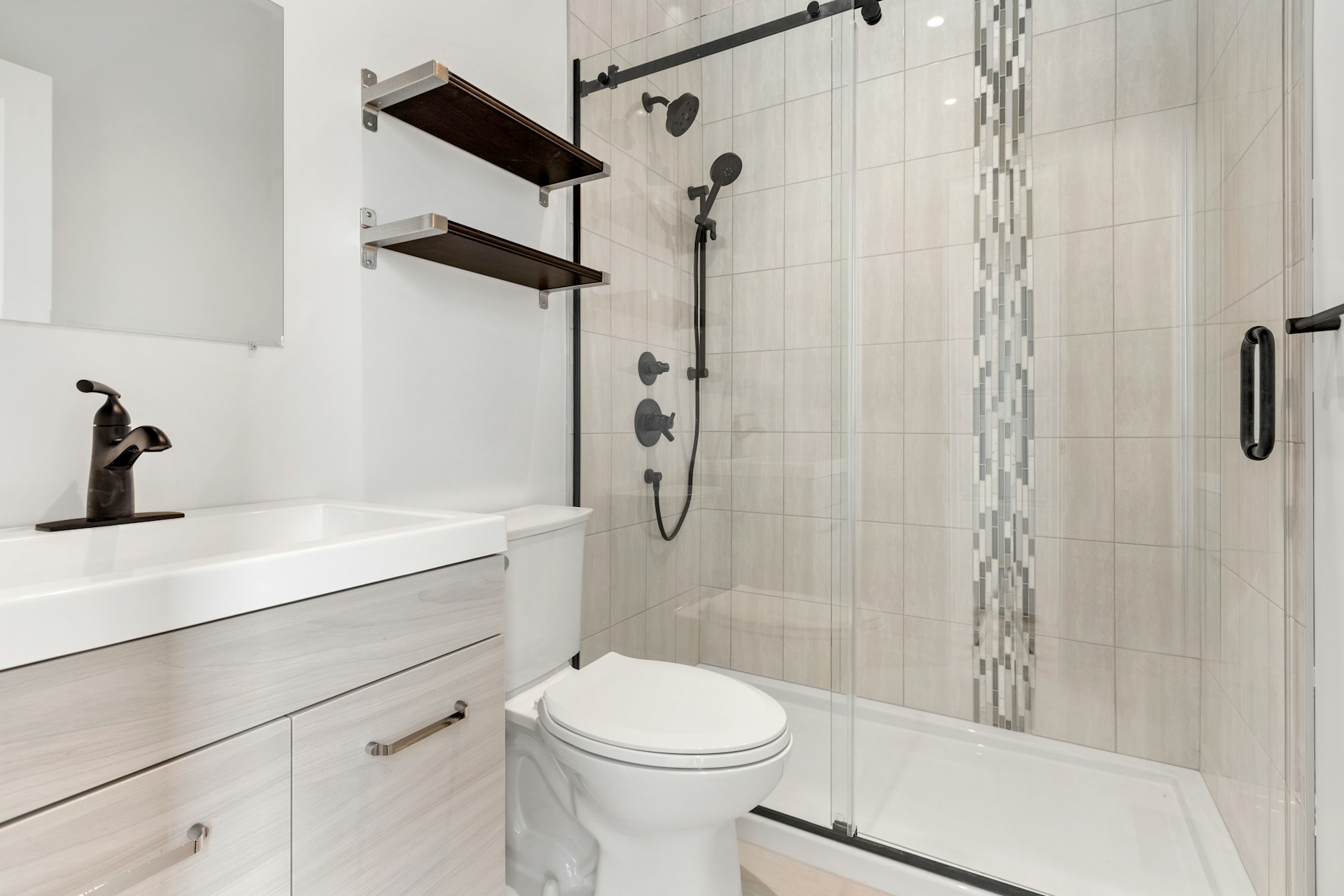
A full guest suite usually includes a private bathroom and a small closet. Some people add a kitchenette to create a more independent living space.
This setup works well for adult kids, elderly parents, or even as a rental for extra income. It gives everyone a little privacy.
Home Offices And Workspaces
Remote work has made basement offices more popular lately. Being on a separate floor gives you some peace and quiet away from household chaos.
You’ll want plenty of outlets for computers, printers, and other gear. Good lighting is a must, especially since basements rarely get much natural light.
Mix overhead fixtures with task lighting at your desk. Built-in shelving gives you extra storage for files and supplies.
A solid internet connection is key, so you might need WiFi extenders or even ethernet cables run down there. Soundproofing helps if you’re on video calls a lot.
Adding insulation to ceiling joists can help keep noise from upstairs at bay. It’s worth thinking about if you want to avoid distractions.
Recreational And Fitness Areas
Basement gyms let you skip the monthly membership and the drive. Rubber flooring protects your foundation and cuts down on impact noise. You’ll want enough space for equipment: treadmills, weights, exercise bikes, whatever you use. Game rooms are great for families or anyone who likes to entertain.
Popular additions include pool tables, ping pong, dart boards, and arcade games. Bar areas with seating can turn the space into a hangout spot.
Craft rooms and hobby spaces take advantage of basement square footage for messy projects. You can set up permanent workstations and not worry about cleaning up every day. Proper ventilation matters if you work with paints, adhesives, or anything with fumes. It’s not the most exciting part, but it’s important.
Basement Finishing Materials And Techniques
The right materials and installation methods make or break your basement project. Your choices need to handle moisture, stand up to wear and tear, and work with the unique basement environment.
Flooring Solutions
Basement floors deal with different challenges than the rest of your house. Moisture from concrete slabs can wreck traditional hardwood, so you’ll want something that can handle humidity.
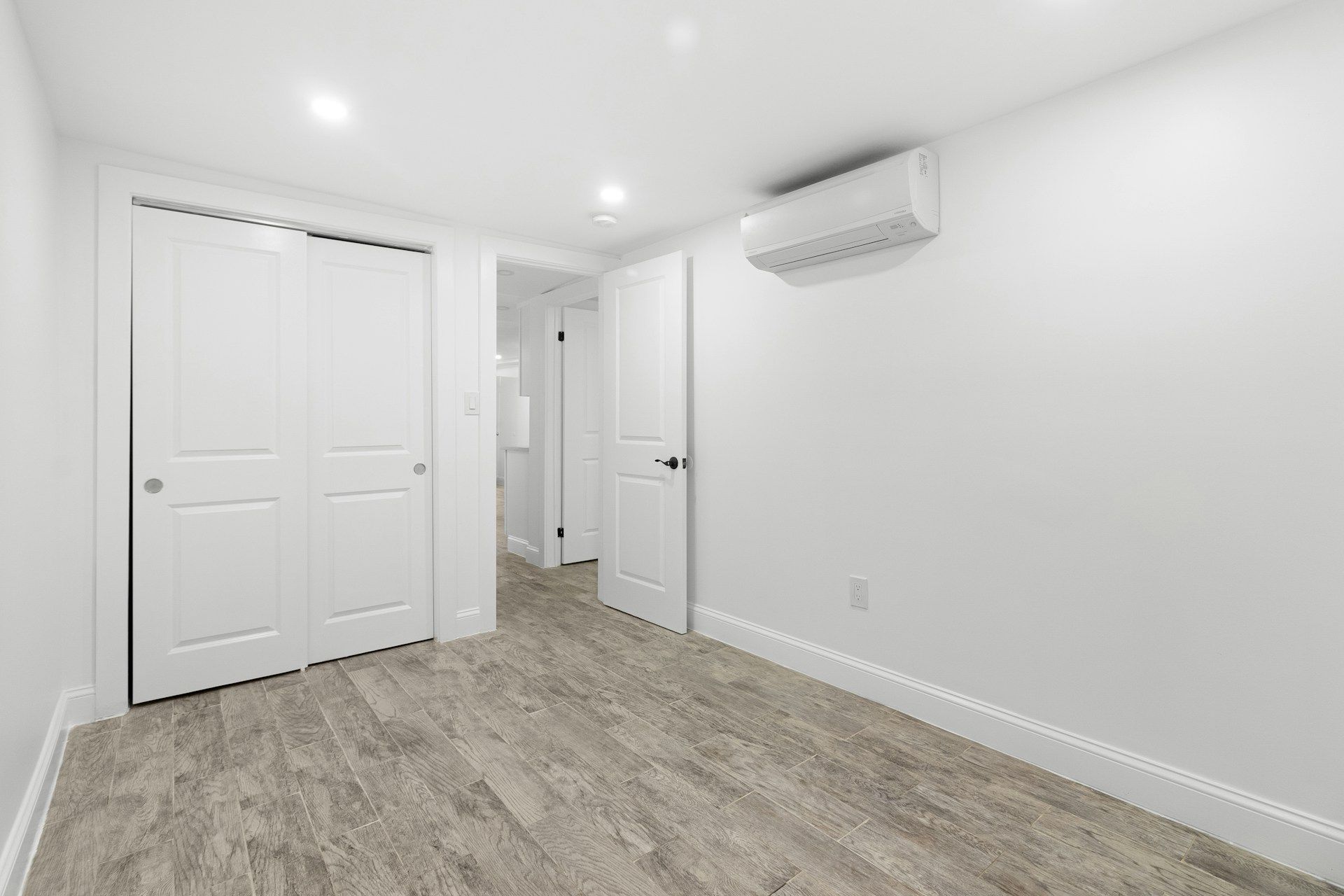
Vinyl plank flooring is one of the best choices for basements. It resists water, installs easily over concrete, and comes in styles that look like wood or stone. Ceramic or porcelain tile is another solid option since water won’t hurt it. Carpet tiles give you a softer feel, and you can replace them individually if water damage happens.
They often install without glue, which is handy. If you want traditional carpet, go for synthetic fibers with waterproof backing and use a subfloor system to keep it off the concrete.
Epoxy coating can turn bare concrete into a finished surface. It seals the floor and creates a smooth, easy-to-clean finish that holds up well against moisture.
Wall And Ceiling Finishes
Standard drywall soaks up moisture and grows mold in basements. Mold-resistant drywall uses fiberglass facing instead of paper, which helps stop mold growth even if things get damp.
Waterproof wall panels snap together over your framing and never need painting. They resist water entirely and often come with built-in insulation, which helps with temperature and condensation.
For ceilings, you’ve got options: drywall, drop ceiling tiles, or leaving the joists exposed for an industrial vibe. Drop ceilings make it easy to get to pipes and wiring if you ever need to, and they help with sound between floors.
Paint your walls with moisture-resistant or antimicrobial paint. These cost a bit more, but they help keep mold and mildew at bay.
Waterproofing And Moisture Control
Since your basement sits below ground level, water is always trying to get in. You have to tackle moisture before you finish anything, or you’ll regret it later.
Interior waterproofing uses sealants on concrete walls and floors. These fill small cracks and create a barrier against seepage.
French drains and sump pumps get rid of water that sneaks in before it can do damage. Exterior waterproofing costs more but offers stronger protection by excavating around the foundation and applying waterproof membranes to the outside walls.
A dehumidifier helps keep humidity between 30 to 50%. High humidity causes condensation, mold, and musty smells, even if you don’t see any water. Good ventilation helps move damp air out and bring fresh air in. It’s not glamorous, but it matters.
Common Basement Remodeling Challenges
Remodeling a basement comes with its own set of headaches. The most common issues are low ceilings, dark spaces, and working around utility systems.
Dealing With Low Ceilings
Most basements have ceiling heights between 7 and 8 feet, which can feel tight compared to upstairs. Building codes usually require at least 7 feet for living spaces, but some places have different rules.
If you’ve got exposed joists or ductwork, you might lose a few inches when you add a finished ceiling. You could leave some elements like beams exposed and paint them to blend in, or reroute ductwork along the walls instead of across the ceiling.
Design strategies for low ceilings:
- Use recessed lighting instead of hanging fixtures
- Paint ceilings white or light colors to make the space feel taller
- Install vertical wall panels or stripes to draw the eye upward
- Choose low-profile furniture that sits closer to the ground
Sometimes contractors can lower the floor, but that’s expensive and involves digging out the foundation. Not for the faint of heart.
Addressing Limited Natural Light
Basements don’t get much sunlight since they’re underground or partly so. That darkness can make the space feel cold and unwelcoming.
Adding or enlarging window wells helps if your basement is partially above grade. Egress windows pull double duty by bringing in light and meeting safety codes for bedrooms.
Contractors will need to cut through the foundation and set up proper drainage around new window openings. It’s a bit of a project.
If windows aren’t an option, you’ll need a layered lighting plan. Combine overhead lights, wall sconces, and floor lamps to get rid of dark corners.
LED strips under shelves or along the ceiling can add a nice ambient glow without taking up space. Light walls and reflective surfaces like mirrors help bounce what little light you have around the room. Glossy floor finishes can also brighten things up a bit. Every little bit helps.
Managing Plumbing And Electrical Work
Your basement is home to critical systems like your main electrical panel, water heater, furnace, and sewer lines. Working around these requires careful planning and licensed professionals.
Adding a bathroom below the main sewer line means you’ll need a sewage ejector pump to move waste upward. This system usually costs between $2,000 and $5,000 to install. Proper venting through the roof is a must, which means cutting through multiple floors. Not a DIY job.
Electrical considerations include:
- Upgrading your main panel if you’re adding a big electrical load
- Installing GFCI outlets near water sources
- Making sure outlets sit at the right height above the floor
- Meeting code requirements for lighting in different rooms
Contractors have to keep access to water shut-off valves, the electrical panel, and other mechanical systems, even after finishing. Some people use utility closets with removable panels for easy future access.
Others design the layout to keep these systems in unfinished storage rooms. It’s all about planning ahead.
Understanding The Basement Remodeling Timeline
Most basement remodels take between 4 and 8 weeks, with the average project wrapping up in about 6 weeks. The timeline depends on your basement’s size, how complicated the design is, and whether you need permits or inspections.
Initial Consultation And Design
Your contractor will start with a consultation to figure out what you want from your basement. This phase usually takes 1 to 2 weeks and involves measuring, discussing your budget, and sketching out initial design plans.
During this time, you’ll make big decisions about layout, materials, and finishes. Contractors will also flag any potential problems like water issues, electrical quirks, or structural items that need attention.
If you need permits, this phase might drag on a bit while you wait for approval from the local building department. Ask questions and make changes now, not during construction when fixes get pricey.
Construction And Installation Phases
Construction is the longest part of your basement remodel, usually lasting 4 to 6 weeks. There’s a certain order to things, but sometimes you hit snags. That’s just the way it goes.
- Demolition and Preparation (3 to 5 days): Crews remove old materials, clean up, and get the space ready for new construction.
- Framing (1 week): Workers build walls and shape your new basement layout.
- Mechanical Work (1 to 2 weeks): Electricians and plumbers handle wiring, outlets, lighting, and plumbing fixtures. HVAC techs add heating and cooling if you need it.
- Drywall And Insulation (1 week): Crews hang drywall, tape seams, and insulate to keep things comfortable.
- Finishing Work (1 to 2 weeks): This includes painting, installing flooring, adding trim, and putting in fixtures like light switches and outlet covers.
Final Walkthrough And Inspection
The final phase takes about 3 to 5 days and ensures everything meets quality standards and codes. Contractors schedule required inspections with local authorities to check that electrical, plumbing, and structural work all pass muster.
You’ll do a walkthrough to check every detail of the finished basement. This is your shot to point out anything that needs fixing before you make the final payment.
Your contractor should address concerns quickly. Once you approve the work and all inspections are done, you’ll get any warranties or documentation for your new basement.
Tips For Working With Basement Remodeling Contractors
Good communication and clear guidelines help your basement project run smoothly from start to finish. Staying involved and keeping an eye on work quality protects your investment and helps you get the results you want.
Effective Communication Strategies
Talk to your contractor regularly in whatever way works for you: calls, texts, emails, or a mix. Set up a schedule for updates so you’re never left wondering what’s going on.
Ask questions if something doesn’t make sense. There’s no such thing as a dumb question when it’s your house. Jot down important details from conversations so you can refer back later.
Share photos or examples of what you want. Visual references help contractors understand your vision better than words alone.
If problems pop up, talk about them right away. Quick conversations keep issues from turning into bigger headaches. Keep things professional but friendly. Contractors appreciate clear information, and respect goes a long way.
Setting Clear Expectations
Put everything in writing before work starts. Your contract should list the exact work, materials, costs, and timeline.
Include details about who handles permits, inspections, and cleanup. Talk about your budget honestly and ask about possible extra costs. Surprises often come from hidden water damage, mold, or old wiring nobody saw at first.
Set aside 10 to 20% extra for unexpected issues. Agree on work hours and when crews can be in your home.
Let your contractor know about any times that won’t work or if you need a heads up before visits. Talk about parking and bathroom use for workers. Set up a payment schedule tied to project milestones, not just dates. Never pay the full amount upfront.
Monitoring Progress And Quality
Visit your basement often to see how things are going. Snap photos at different stages, so you have a record of what’s behind the walls.
Check that materials match what’s in the contract. Look for signs of quality work like straight walls, level floors, and neat paint lines. Point out concerns as soon as you spot them. Most contractors would rather fix small issues right away than redo big sections later.
Ask for explanations if something looks different from the plan. Sometimes changes are for good reasons, but you deserve to know why. Keep a list of items that need touch-ups or corrections for your final walkthrough. Don’t be shy. It’s your basement.
Cost-Saving Strategies For Basement Renovations
Smart planning can help you save thousands on your basement project. Start by getting at least three quotes from different contractors so you can compare prices and get a sense of their work quality.
Do Some Work Yourself
Tackling basic tasks like painting, demolition, or cleaning can cut labor costs. Leave electrical work, plumbing, and anything structural to licensed professionals. It’s safer, and you’ll avoid code issues.
Choose Your Materials Wisely
Mid-range materials usually hit the sweet spot between quality and price. You probably don’t need luxury finishes everywhere. Save the splurges for spots where they actually matter, like a bathroom or main living area.
Phase Your Project
If your budget’s tight, break your renovation into stages. Start with the essentials like fixing moisture problems and adding insulation.
You can always add features like a bar or home theater later, once you’ve saved up a bit more.
Important Budget Tips:
- Fix water or moisture issues right away to avoid expensive damage later
- Stick to a simple layout to keep plumbing and electrical costs down
- Use existing locations for bathrooms and kitchens if you can
- Buy materials during sales or clearance events when possible
- Open floor plans need fewer walls and doors, which usually means lower costs
A contractor with experience can spot ways to save that you might not think of. They know which shortcuts are smart and which ones lead to problems.
Maintaining Your Finished Basement
Once your project wraps up, regular maintenance will keep your basement looking sharp for years. A finished basement needs attention to stay comfortable and avoid issues that pop up over time.
Check for moisture issues every few months. Look for water stains, dampness, or musty smells. These are early warnings, and catching them early can save you a headache.
Run a dehumidifier to keep humidity between 30 to 50%. This helps prevent mold and protects your walls, flooring, and belongings down there. Empty the water tank regularly or hook up a drain hose if you want to set it and forget it.
Keep your basement clean and organized. Vacuum or sweep the floors weekly to keep dirt from piling up. Dust surfaces and clean air vents for better air quality.
Test your sump pump twice a year by pouring water into the pit. Make sure it turns on and drains like it’s supposed to. Replace the pump every 7 to 10 years. Don’t wait until it fails during a storm.
Inspect walls and floors for cracks or damage. Small fixes are cheaper and easier than big repairs later. If you spot something unusual, call a pro. Keep air vents clear and run fans when needed so you get good ventilation. Airflow helps prevent moisture buildup and keeps things feeling fresh.
Check window wells for leaves and debris, and clean them out every season. Make sure gutters and downspouts send water away from your foundation. It’s a simple step that protects your basement.
Turn An Unused Basement Into Space You Can Rely On
A basement remodel doesn’t have to feel confusing or risky. When moisture, layout limits, and budget concerns are addressed early, the process becomes far more manageable and the results far more reliable.
Jenkins Restoration and Remodel helps Southern Maryland homeowners navigate basement projects with clear planning, solid craftsmanship, and realistic expectations from start to finish.
If you’re ready to stop worrying about wasted space and start planning a basement that truly works for your home, get in touch to schedule a consultation and talk through your next steps with confidence.
Frequently Asked QuestionsWhat Do Basement Remodeling Contractors Typically Handle?
Basement remodeling contractors manage the full scope of a basement renovation. This usually includes design planning, permits, waterproofing, framing, electrical, plumbing, insulation, drywall, and finishes. Their role is to make sure the space is safe, code-compliant, and built to last.
How Do I Know If My Basement Is Ready To Be Remodeled?
Before remodeling, your basement should be dry, structurally sound, and free of ongoing moisture issues. A qualified contractor will inspect for water intrusion, foundation concerns, ceiling height limitations, and utility access before recommending next steps.
How Long Does A Basement Remodel Usually Take?
Most basement projects take between four and eight weeks, depending on size, layout, and complexity. Adding bathrooms, custom features, or major waterproofing can extend the timeline. Inspections and permit approvals can also affect scheduling.
Are Basement Remodeling Contractors Responsible For Permits?
Yes, professional basement remodeling contractors typically handle permits and inspections as part of the project. This ensures all electrical, plumbing, and structural work meets local building codes and avoids issues later.
How Much Does It Cost To Hire Basement Remodeling Contractors?
Costs vary based on square footage, finishes, and features, but many basement remodels fall between $30,000 and $75,000. Contractors should provide a detailed written estimate so you understand what’s included and where your budget is going.
Can Basement Remodeling Contractors Help With Moisture Problems?
Absolutely. Moisture control is one of the most important parts of basement remodeling. Contractors can recommend waterproofing solutions, drainage systems, vapor barriers, and ventilation strategies before finishing the space.
What Should I Ask Before Hiring Basement Remodeling Contractors?
Ask about licensing, insurance, basement-specific experience, timelines, warranties, and how changes are handled. You should also request references and review past basement projects similar to yours.
Will A Finished Basement Add Value To My Home?
A properly finished basement can add usable living space and improve resale appeal. Buyers tend to value basements that feel dry, comfortable, and professionally finished, especially when the work meets code and shows quality craftsmanship.
Can I Live In My Home During A Basement Remodel?
In most cases, yes. Since work is confined to the basement, disruption is usually limited. Contractors should explain work hours, noise expectations, and access needs so you can plan ahead.
What Are Common Mistakes Homeowners Make With Basement Remodels?
Common issues include skipping moisture fixes, underestimating costs, choosing unlicensed contractors, and not planning lighting or storage early. Working with experienced basement remodeling contractors helps avoid these problems and keeps the project on track.