.png)


You are staring at the same cramped bathroom every morning, waiting your turn while the rest of the house rushes to get out the door. Or maybe your one full bath still has the same tile from decades ago, and every time a guest asks to use it, you feel a small pang of embarrassment. Either way, you have landed on the real question: is it better to remodel what you have, or add a bathroom somewhere else in the house?
In this guide, you will learn how a bathroom addition compares with a bathroom remodel in cost drivers, permitting, daily disruption, and long-term value, so you can match the project to your actual household needs. Keep reading, and you will walk away with a clear sense of which path fits your home.
What Separates a Remodel From an Addition?
A bathroom remodel works within your existing bathroom's four walls, while a bathroom addition creates an entirely new bathroom in a space that didn't have one before. That single distinction drives almost every other difference between the two projects, from cost to permitting to how long you will live with construction noise.
Getting this distinction right early saves you from scoping the wrong project, or worse, signing a contract that does not solve the problem that sent you looking in the first place.
What a Bathroom Remodel Can Change
A remodel can touch nearly everything inside the existing footprint. Depending on scope, that includes:
- New flooring, tile, and countertops
- Updated vanities, lighting, and plumbing fixtures
- A reconfigured layout, including moving a shower or relocating a toilet
- New plumbing lines and electrical work behind the walls
- Structural repairs if water damage or mold has weakened framing
A basic cosmetic update and a full gut remodel both fall under this category, and the difference between them mostly comes down to whether plumbing and walls move. A remodel that only replaces finishes costs less and moves faster than one that repositions plumbing and walls, since moving plumbing, electrical systems, walls, or fixtures creates a fully new configuration inside the same room.
What a New Bathroom Addition Involves
An addition means building a bathroom where one did not exist, whether that is a converted closet, a bumped-out corner, or new square footage added to the house. This requires new plumbing lines run from your main system, new electrical circuits, and often structural work to tie the addition into your home's foundation and roofline.
Because you are creating space rather than reworking it, an addition almost always involves a general contractor coordinating framing, plumbing, electrical, and finish work together. That coordination is exactly where a locally owned team with decades of Southern Maryland project experience earns its keep, since inspectors and permit offices vary by county and jurisdiction.
Once you understand which category your project falls into, the next step is matching that category to the actual problem your household is trying to solve.
Which Option Solves Your Household's Main Problem?
Your bathroom's real problem is either style and layout, or the number of bathrooms you have, and those two problems call for different solutions. Confusing the two is the most common reason homeowners end up dissatisfied after a project.
If your bathroom looks tired but the family shares it fine, the fix lives inside the existing walls. If everyone fights over the same shower every morning, no amount of new tile solves that.
When an Outdated Bathroom Needs a Better Layout
A remodel makes sense when the number of bathrooms is not the issue, but the layout or finishes are holding your household back. Signs your bathroom needs a layout fix rather than a new addition include:
- Dated tile, fixtures, or a vanity that no longer functions well
- A cramped shower or tub that feels too small for daily use
- Poor lighting or ventilation that leaves the room feeling damp
- A layout that wastes space, such as an awkward door swing or unused corner
- Visible wear from age, not damage, such as grout lines and worn caulk
A remodel that repositions the shower, swaps a tub for a walk-in shower, or opens up a cramped layout can solve all of these without adding square footage. This is often the faster, less invasive path, since it stays within the walls your home already has.
When One Full Bathroom Is Not Enough
An addition becomes the better answer when your household has outgrown a single full bathroom, no matter how nice that bathroom looks. Watch for these signs that your problem is bathroom count, not bathroom condition:
- A recurring morning bottleneck before school or work
- Guests or overnight visitors with no separate bathroom to use
- A primary bedroom with no attached bath
- A main floor with no bathroom at all, forcing trips upstairs
- A finished basement or in-law space with no plumbing nearby
If any of these describe your home, remodeling your existing bathroom will make it prettier but won't solve the underlying friction of one bathroom serving too many people. That reality points directly toward the cost and permitting differences between the two paths.
How Do Costs, Permits, and Construction Scope Compare?
A remodel typically costs less than an addition because it reuses existing plumbing, walls, and square footage instead of creating new ones. Once you understand where the cost gap actually comes from, the decision becomes less about picking a number and more about picking the scope your home needs.
Why a Remodel Usually Has Fewer Cost Variables
A remodel's cost mostly depends on finish quality and how much of the layout changes. Keeping the toilet, tub, and sink in their current locations keeps plumbing costs low, since no new lines need to be run through walls or under the foundation.
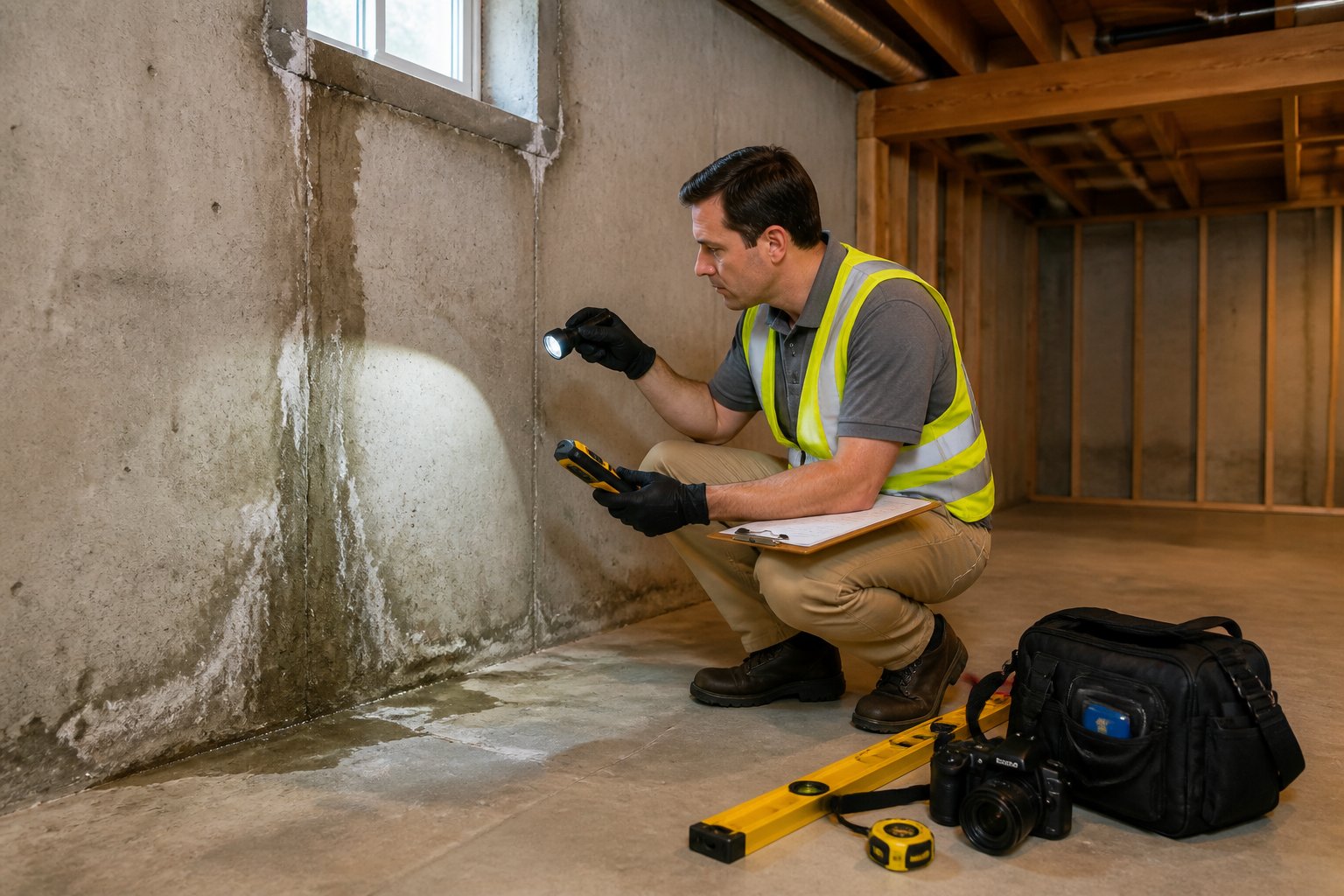
Remodels get expensive when water damage or mold is discovered once demolition starts. This is a common reason Jenkins Restoration and Remodel pairs bath remodeling with water damage repair, since older Southern Maryland homes sometimes hide structural deterioration behind outdated tile.
Why New Plumbing and Square Footage Raise Addition Costs
An addition's cost depends on plumbing rough-in work, foundation or framing needs, and the added square footage. Bathroom additions carry a high per-square-foot cost because fixed costs like permits, design, structural tie-ins, and plumbing rough-in get spread across a small footprint, unlike a large room addition where those costs spread further.
Bump-out additions that extend an existing bathroom's footprint by 40 to 100 square feet can vary widely nationwide. Location, finish level, and whether the addition ties into existing plumbing lines or requires entirely new ones all shift that range in either direction.
Permit and Inspection Needs in Southern Maryland
Permits apply differently depending on scope. A cosmetic remodel that keeps plumbing in place often needs a lighter permit review than a project that moves walls or plumbing lines. An addition almost always requires building, plumbing, and electrical permits, plus inspections at multiple stages of construction.
Prince George's County and Anne Arundel County each manage their own permitting processes, and requirements can shift based on your specific municipality within Southern Maryland. Jenkins Restoration and Remodel's team handles permit coordination directly for homeowners, which matters most on addition projects where multiple inspections happen before the work is considered complete.
Cost and permitting are only half the picture. The other half is what your household actually lives through while the work happens.
How Will Each Project Affect Daily Life and Home Value?
A remodel disrupts one bathroom for a defined stretch of time, while an addition disrupts a wider part of your home for longer, since new construction touches framing, roofing, or foundation work. Knowing what each disruption actually looks like helps you plan around it instead of being surprised by it.
Living With a Bathroom Remodel in Progress
During a remodel, you lose access to one bathroom while work is underway. If it is your only full bath, you'll need to coordinate showers elsewhere or set up a temporary arrangement for the household. Dust and noise stay contained to one room, and most remodels wrap up in weeks rather than months.
Homeowners who plan ahead by setting expectations for showering elsewhere and keeping a small overnight bag ready tend to find the disruption manageable rather than stressful.
Planning for Disruption During a Bathroom Addition
An addition brings construction activity to a wider footprint of your home, sometimes including exterior work if the addition changes your roofline or foundation. Expect a longer overall timeline, more noise during framing and plumbing rough-in, and possibly a period when part of your yard or driveway holds materials and equipment.
Because this work often runs alongside daily life for weeks at a stretch, homeowners planning an addition should ask their contractor directly about staging, access points, and how the crew will keep disruption contained to specific areas of the house.
Convenience and Resale Considerations
Both projects can add value to your home, though the return depends heavily on your local market, the quality of materials used, and how the finished space compares to similar homes nearby.
According to Zonda's 2025 Cost vs. Value Report, a midrange bathroom remodel recoups a larger share of its cost nationally than a midrange bathroom addition, since a remodel upgrades a room buyers already expect. A bathroom addition still returned a solid gain in the 2025 report, and it adds something a remodel cannot: bathroom count, which buyers in homes with only one full bath tend to value highly.
If your home has ever gone through a fire, storm, or water damage claim, mention it to your insurance carrier before starting either project, since permitted improvements can affect your policy's replacement cost coverage going forward. That single call to your agent is a small step that protects the investment you are about to make.
Frequently Asked Questions
Is It Cheaper to Add a Bathroom or Remodel an Existing One?
Remodeling an existing bathroom is generally less expensive since it reuses current plumbing, walls, and square footage. An addition costs more because it requires new plumbing lines, framing, and often new square footage, though exact costs depend on your home's layout and the scope of finishes chosen.
How Much Does It Cost to Add a Bathroom to a House?
Costs vary widely based on size, plumbing access, and finish level, and bump-out additions often cost more per square foot than full-room additions because of fixed permit and plumbing expenses. A contractor familiar with your home's structure and your county's permitting rules can give you an accurate estimate after an in-person assessment.
Can I Add a Bathroom Without Building a Full Home Addition?
Yes, many homeowners convert existing space, such as a closet, a portion of a large bedroom, or unused basement area, into a new bathroom without adding square footage to the home. This route still requires new plumbing and electrical work and full permit review, but it avoids the foundation and framing costs of a full addition.
Does Adding a Second Bathroom Increase Home Value?
Adding a bathroom generally increases home value, particularly in homes with only one full bath, since buyers place a premium on bathroom count. The size of that increase depends on your local market and how the finished space compares to similar homes nearby, so a remodeling professional familiar with your area can speak to realistic expectations.
Do I Need Permits to Remodel or Add a Bathroom in Southern Maryland?
Most bathroom projects that move plumbing, walls, or add square footage require permits in Prince George's County and Anne Arundel County, along with inspections at various stages of construction. A locally experienced contractor handles this permit coordination directly, keeping your project on track and avoiding delays from missed inspections.
Start Your Bathroom Project With a Clear Plan
The right project comes down to naming your actual problem before naming your budget. If your bathroom's layout and finishes are the frustration, a remodel solves it faster and for less money. If your household is genuinely short on bathrooms, no remodel will fix that shortage no matter how nice the tile looks.
Call Jenkins Restoration and Remodel today to schedule your free consultation and get an honest read on whether a remodel or an addition is the right move for your home.