.png)


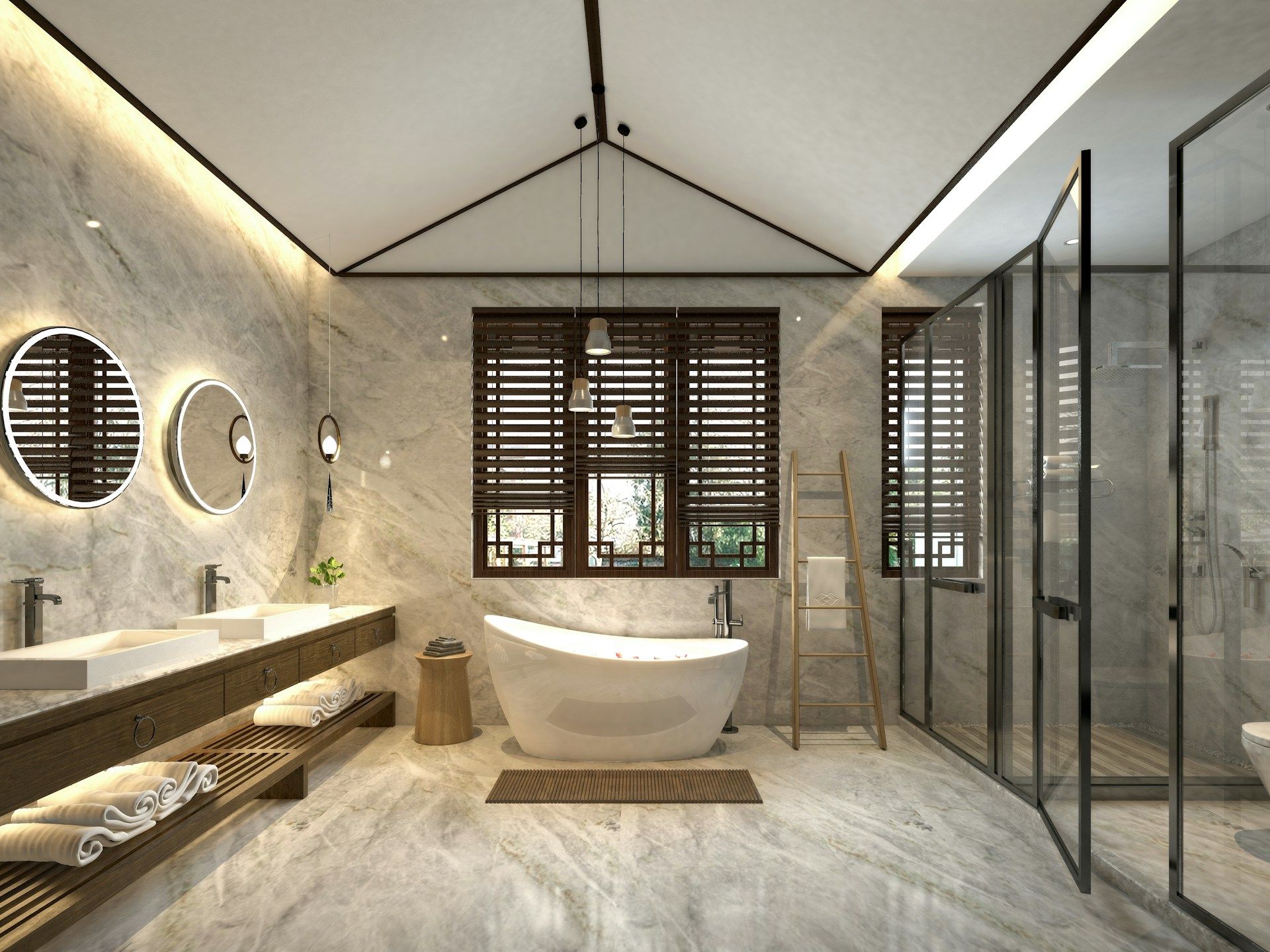
A bathroom remodel can feel like a lot, especially when your bathroom is outdated, tight on storage, or simply doesn’t function well day to day. You want an upgrade that makes mornings easier and your space more comfortable.
At Jenkins Restoration and Remodel, we help homeowners in Southern Maryland simplify the process by turning your priorities into a clear plan, from layout decisions to material selections and practical guidance if insurance or planning is part of the picture.
In this guide, you’ll find budget-friendly ideas, design and layout tips, material and fixture options, and a realistic look at costs and timelines so you can move forward with confidence.
Planning Your Bathroom Remodel
Nailing the planning stage is where a successful bathroom remodel starts. You need to think about your finances, your vision, and what kind of design actually fits your style.
These three steps create a roadmap before any hammer swings.
Setting Your Budget
Your budget decides pretty much everything. Most folks spend somewhere between $6,000 and $15,000 for a standard bathroom, though a big primary bath can easily hit $15,000 to $30,000 (or more, if you get fancy).
Start by writing down every element you want to update. List out the toilet, sink, shower, or tub, then add flooring, lighting, paint, tiles, and cabinets.
Don’t forget about sneaky expenses like permits, plumbing, electrical work, and ventilation. Set aside 10-20% of your total budget for surprises, because, let’s face it, old bathrooms like to hide problems.
Key budget categories:
- Fixtures and materials (40-50% of budget)
- Labor costs (40-50% of budget)
- Contingency fund (10-20% of budget)
Keep a spreadsheet of every expense. It’s not glamorous, but it’ll save you headaches if costs start creeping up.
Defining Your Goals
Jot down your top goals for the remodel. Need more storage? Better lighting? Dreaming of a walk-in shower? Prioritizing helps you figure out where to put your money.
Think about who uses the bathroom and what matters most. A family bathroom usually needs durable stuff and lots of storage, while a primary bath might be all about comfort, like heated floors or a soaking tub.
If you’re planning to sell soon, focus on updates that buyers love, like modern fixtures and neutral colors. Staying put? Then go ahead and get personal.
Rank your goals from most to least important. That way, if you need to trim the budget, you know what can go.
Gathering Inspiration
Start collecting images of bathrooms you actually like. Save photos from websites, Instagram, or magazines, wherever you find them.
Check out materials in person at home improvement stores. Tiles, paint, and fixtures can look totally different in real life than on a screen. If you can, bring home samples to see how they look in your bathroom’s lighting.
Make a mood board or a folder with your favorites. Group them by category, like flooring, lighting, and storage, so you can spot patterns in what you like.
Try to focus on inspiration that matches your bathroom’s size and layout. That giant luxury bath might look amazing, but if you’ve got a small powder room, it’s probably not realistic.
Design and Layout Considerations
How you lay out your bathroom really impacts how usable it is, and honestly, how much you enjoy being in there. Your choices about placement, style, and space efficiency will affect everything from your morning routine to your home's resale value.
Optimizing Bathroom Layout
Where you put your toilet, sink, and shower or tub matters more than you’d think. Try to keep the toilet out of direct view from the door. Tucking it in a corner or alcove is usually best.
Key spacing requirements:
- At least 30 inches of clearance in front of the toilet
- 15 inches from the toilet centerline to any wall or fixture
- 30 inches of standing space in front of the sink
Double vanities are great for primary bathrooms if you’ve got 60 inches or more of wall space. It keeps things moving on busy mornings.
Put the shower or tub where the plumbing is easiest to reach, usually on an existing plumbing wall. That’ll save you some cash. Don’t forget to think about door swings. A door that opens into a tight spot can make things awkward fast.
Choosing a Bathroom Style
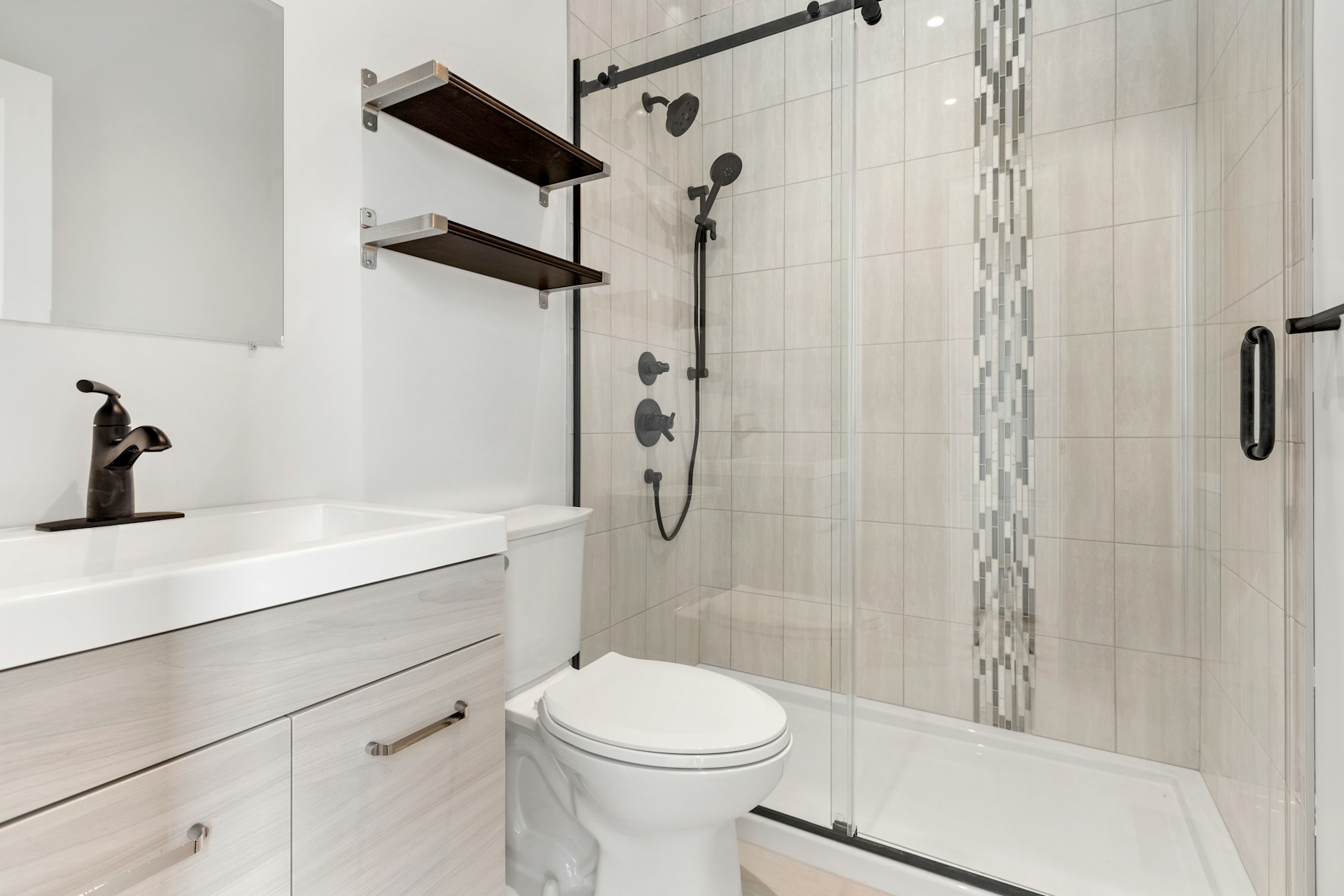
Pick a bathroom style that fits the rest of your home and your own vibe. Modern bathrooms lean toward clean lines, minimal hardware, and neutral colors like white, gray, or black.
Traditional styles have more details, like classic fixtures, curved lines, and warmer colors. Farmhouse bathrooms mix rustic wood with practical touches like apron-front sinks.
Some finish combos that work well:
- Chrome fixtures with white subway tile for a look that never really goes out of style
- Matte black hardware and light wood for a modern, cozy feel
- Brushed nickel or gold with marble or stone if you want a bit of elegance
Decide on your style before you start shopping. It keeps you from accidentally mixing things that clash.
Space-Saving Solutions
If your bathroom’s on the small side, you’ll need to get clever. Wall-mounted toilets and floating vanities open up floor space and make cleaning less of a chore.
Corner sinks can squeeze into places a regular vanity just won’t fit. Pocket doors slide into the wall instead of swinging out, which frees up precious space.
You can swap a tub for a shower stall to gain a few extra square feet.
Compact fixture options:
- Pedestal sinks (18-20 inches wide)
- Corner showers (32x32 inches minimum)
- Combo shower-tub units
Recessed medicine cabinets and built-in shelves add storage without sticking out into the room. Tall cabinets use wall height in bathrooms where floor space is tight.
Selecting Materials and Fixtures
The materials and fixtures you pick will shape how your bathroom looks, holds up, and works for years. Try to balance budget, style, and how much maintenance you’re willing to handle.
Countertops and Cabinets
Your countertop needs to stand up to water, soap, and daily wear. Quartz resists moisture and doesn’t need much upkeep, so it’s a popular pick. Granite is gorgeous and tough, but it needs sealing every year or two.
If you’re on a budget, laminate now comes in styles that look a lot like stone for way less money. Solid surface materials like Corian are another good option since they don’t have seams where water can sneak in.
Cabinet material matters, too. Solid wood lasts longest but can get pricey. Plywood with veneer gives you that wood look for less and holds up better than particleboard in a humid bathroom.
Make sure cabinets have a water-resistant finish. Soft-close hinges and drawers are a nice bonus. Plan your cabinet layout so you get enough storage without crowding the space.
Flooring Options
Bathroom floors get wet a lot. Porcelain or ceramic tile is a classic choice because water can’t seep through. Go for textured tiles instead of glossy ones to help prevent slips.
Luxury vinyl plank flooring is less expensive than tile and feels warmer underfoot. It’s water-resistant and comes in styles that mimic wood or stone. Plus, it’s easy to install and doesn’t scratch easily.
Natural stone, like marble or slate, looks amazing but needs regular sealing. It can get slippery when wet, so you’ll want mats or rugs near the shower and tub. Definitely skip regular hardwood or laminate in bathrooms. They just don’t handle moisture well and can warp over time.
Shower and Tub Choices
Your shower and tub are the biggest things in the room, visually. Acrylic and fiberglass tubs are lighter and less expensive, plus they’re easier to install. They stay warm but can scratch if you’re not careful.
Cast iron tubs with enamel coating last forever and hold heat well, but they’re really heavy and need solid floor support. Freestanding tubs make a statement but take up more space than built-ins.
For shower walls, big tiles mean fewer grout lines (and less scrubbing). Porcelain and ceramic resist water and come in tons of colors and patterns. Glass tile looks cool but costs more and takes longer to install.
Prefabricated shower panels made from acrylic or solid surface materials go in faster than tile and are easier to maintain. Walk-in showers need a floor that slopes just right and a good drain so water doesn’t pool.
Plumbing and Electrical Upgrades
Upgrading your plumbing and electrical isn’t glamorous, but it makes your bathroom safer, more efficient, and ready for modern fixtures. Plus, it can help prevent future headaches and lower your bills.
Modern Plumbing Solutions
Low-flow toilets are a smart upgrade. They use just 1.28 gallons per flush, compared to old models that guzzle 3.5 to 7 gallons. That adds up to thousands of gallons saved every year.
High-efficiency showerheads keep good water pressure while using less water. Look for ones with a flow rate of 2.0 gallons per minute or less. You’ll probably barely notice the difference.
Water-saving fixture benefits:
- Lower water bills
- Less energy used for hot water
- Friendlier to the environment
- Sometimes you even get rebates
If your house still has old galvanized steel or polybutylene pipes, consider swapping them for PEX or copper. They improve water flow and prevent leaks. A water pressure regulator can also help protect your fixtures.
Lighting Ideas
Install dimmer switches to control how bright things are. Dimmers work great with LED bulbs and can help you save energy. Dim the lights for a relaxing bath or crank them up for shaving or makeup.
Task lighting near mirrors makes grooming easier. Mount lights on both sides of the mirror at eye level to cut down on shadows.
Popular lighting options:
- Recessed ceiling lights for overall brightness
- Sconce lights beside mirrors
- Under-cabinet LED strips
- Backlit mirrors
LED bulbs last way longer than old incandescent ones and use a fraction of the energy. Make sure all bathroom outlets have GFCI protection. No one wants a shock near water.
Upgrading Ventilation
A good exhaust fan pulls out moisture so you don’t get mold or mildew. For bathrooms up to 100 square feet, your fan should move at least 50 cubic feet of air per minute. Bigger bathrooms need a stronger fan.
Fans with humidity sensors turn on automatically when things get steamy and shut off when the air dries out. Some even come with heat lamps or built-in lights.
Install the fan near the shower or tub, where most of the moisture is. Make sure it vents outside, not into the attic. If your fan’s over 10 years old, it’s probably time for a quieter, more efficient replacement.
Hiring Professionals vs. DIY
Labor costs can eat up 40-65% of a professional bathroom remodel budget. Doing some or all of it yourself can save a ton, but it takes time and a willingness to learn (and maybe make a few mistakes).
When to Hire a Contractor
You should call in a pro for anything involving plumbing, electrical, or structural changes. These jobs need specific know-how and have to meet building codes. Messing up water lines or wiring isn’t just expensive. It can be dangerous.
Cosmetic updates are usually safe for DIY. Painting, swapping hardware, changing out light fixtures, or updating decor are all fair game.
Hire a contractor when:
- Moving or adding plumbing fixtures
- Updating electrical wiring or adding outlets
- Removing or relocating walls
- Installing tile in wet areas that need waterproofing
- Your local code says you need a licensed pro
Consider DIY for:
- Painting walls and cabinets
- Installing towel bars and accessories
- Swapping out faucets and showerheads
- Adding shelves or storage
- Updating mirrors and light covers
Finding Reliable Remodelers
Start by asking friends or family if they know any good remodelers. Personal referrals usually lead to trustworthy contractors who’ve actually done solid work for people you know.
Check online reviews on a few different platforms. Don’t get hung up on one bad review. Look for trends, especially in communication and quality.
Get at least three written quotes for your project. The estimates should break down materials, labor, and timeline.
Be wary of quotes that seem way lower than the rest. Sometimes that means someone’s cutting corners or hiding fees. Always verify licenses and insurance before you hire anyone.
Your contractor needs liability insurance and workers’ comp. Ask for proof and make sure everything’s current.
DIY Tips for Homeowners
Before doing any work, map out a detailed plan. Write down every step, the materials you’ll need, and set a realistic timeline.
This helps you avoid last-minute trips to the store and keeps things organized. Invest in decent tools for your specific project.
If something’s expensive and you’ll only use it once, just rent it. Most home improvement stores rent out tools by the day or week.
Watch tutorial videos from sources you trust before trying something new. Practicing on scrap materials first isn’t a bad idea. It’ll boost your confidence and help you avoid rookie mistakes.
Essential preparation steps:
- Turn off water and electricity to your bathroom
- Protect floors and fixtures with drop cloths
- Have a backup bathroom plan during the remodel
- Keep all receipts for materials and tools
- Take photos throughout the process
Know your limits and call a pro when you hit them. If you run into mold, outdated wiring, or anything structural, just stop and call someone who knows what they’re doing.
Trying to tackle those problems solo can turn a small headache into a giant, expensive mess.
Eco-Friendly Bathroom Remodeling
Going green in your bathroom isn’t just good for the planet. It can lower your bills, too. The biggest changes come from swapping out fixtures for water-saving ones and picking materials that are gentler on the environment.
Water-Saving Fixtures
Low-flow toilets use about 1.28 gallons per flush instead of the old 3.5 gallons. That simple switch can save up to 13,000 gallons of water a year for one household.
Low-flow showerheads cut water use to 2 gallons per minute or less, but you’ll still get decent pressure. Faucet aerators are super cheap and can cut water flow by up to 30%.
Dual-flush toilets give you two options: one for liquids, one for solids. You decide how much water to use with every flush.
Sustainable Materials
Bamboo’s a smart choice for vanities, cabinets, and floors. It grows back fast and doesn’t need replanting. It’s tough as hardwood but a lot more sustainable.
Recycled glass tiles add a splash of color to your walls or floors without creating new waste. They’re made from melted-down bottles and windows.
You could also go with reclaimed wood for shelving or accent walls, like old barns, factories, or shipping pallets.
Cork flooring’s another eco-friendly pick. It comes from tree bark that regrows, so you’re not killing any trees.
Plus, cork naturally resists mold and mildew, which is perfect for bathrooms. If possible, look for paint and sealants with low or zero VOCs to keep your air clean.
Maximizing Storage and Organization
A bathroom remodel is the perfect excuse to rethink storage and organization. Smart cabinet choices and creative storage solutions help you use every inch and keep clutter at bay.
Cabinet and Vanity Options
Your vanity usually does most of the heavy lifting for storage. Double-sink vanities with drawers between the sinks create personal space for everyone, plus some shared storage.
Deep drawers beat cabinets for things like hair dryers and styling tools. You can see everything at a glance. Vanities with built-in dividers or organizers keep small stuff from getting lost.
Pull-out drawers under the sink let you actually reach things in the back. Wall-mounted cabinets over the toilet or beside the mirror add storage without hogging floor space.
Medicine cabinets with mirrors do double duty and keep the essentials handy. If you’ve got an empty corner, a corner cabinet can make use of that neglected spot.
Innovative Storage Solutions
Don’t ignore vertical space. It’s storage gold. Floating shelves above the toilet or next to the vanity hold towels, toiletries, or a few decorative touches.
Built-in shower niches offer permanent storage for shampoo and soap, and they won’t rust or fall. Recessed medicine cabinets fit between wall studs, so they don’t stick out.
Hooks and towel bars on the back of the door or empty walls come in handy. Lazy Susans inside corner cabinets make grabbing stuff way easier. Clear storage bins let you see what you have and keep similar items together.
Adding Technology to Your Bathroom
Modern tech can make your bathroom comfier and more efficient with smart fixtures and climate control. These upgrades make your routine smoother and can even bump up your home’s value.
Smart Showers and Faucets
Smart showers let you set water temp, pressure, and spray patterns with digital controls or your voice. Save your favorite settings or even start your shower from your phone while you’re still in bed.
Some models have LED temperature displays, so you don’t get blasted with cold water. Digital faucets offer touchless operation, which is great for keeping germs away and cutting down on water waste.
A few even show real-time water usage, so you can keep an eye on your consumption and maybe save on your bills. Automatic shutoff timers help prevent accidentally leaving the water running.
Key features to consider:
- Temperature presets – Save everyone’s favorite settings
- Voice control compatibility – Works with Alexa or Google Home
- Water usage tracking – Monitor gallons used per shower
- Remote start – Heat up the water before you step in
Most of these fixtures connect to your home WiFi for smartphone control and updates.
Heated Flooring Features
Heated floors turn cold tile into a warm treat for your feet, even in winter. The system uses electric cables or water-filled tubes under the floor.
Electric radiant heating is usually the way to go in bathrooms. It’s easier to install and less expensive up front. You can program it to warm up before you get up or come home.
Most systems have a thermostat so you can tweak the temperature and set schedules. Heated floors don’t use as much energy as you might think.
Usually, you’re looking at an extra $20 to $40 on your electric bill during the cold months if you use them regularly.
Bathroom Remodeling Timeline and Process
A bathroom remodel moves through a few clear phases, and planning is key. Most projects take anywhere from two to eight weeks, depending on how big and complicated things get.
Project Planning Steps
Start by figuring out your budget and what you want to change. Write down which fixtures you’re swapping out and what problems you’re hoping to fix.
Hire a contractor or designer at this point. Get at least three quotes and check out their references before deciding.
Your contractor will help with detailed plans and material selection.
Key planning tasks include:
- Measuring your bathroom and creating a layout
- Choosing tiles, fixtures, and finishes
- Obtaining necessary permits
- Ordering materials and scheduling delivery
- Setting a start date with your contractor
This planning phase usually takes two to four weeks. If you rush it, you’ll probably hit delays later when materials show up late or permits get stuck.
Your contractor should give you a written timeline that lays out each phase.
Managing Timelines
Check in with your contractor every week to track progress. Small bathroom remodels usually take one to three weeks; full makeovers can stretch to three to six weeks or more.
Common timeline factors:
- Demolition: 1-2 days
- Plumbing and electrical: 2-4 days
- Installation (tub, shower, vanity): 3-5 days
- Tile work: 3-7 days
- Final fixtures and painting: 2-3 days
Delays happen, maybe you change your mind mid-project, or maybe hidden problems pop up behind the walls. Build in some extra time for surprises like water damage or old wiring.
Order all your materials before construction starts to avoid waiting on backorders. Stay flexible, but keep your contractor on track with the agreed schedule.
Ask for updates every few days and deal with any issues as soon as they arise.
Costs and Financing Your Bathroom Remodel
Bathroom remodels usually run from $3,500 to $25,000 for an average space, but prices swing a lot depending on size and materials. Knowing what drives those costs and financing options can help you plan a remodel that won’t break the bank.
Cost Breakdown
The price depends on a bunch of factors. Most people spend between $100 and $500 per square foot.
For a standard bathroom, expect to pay around $6,600 to $18,000 for basic updates like new fixtures, floors, and paint. Mid-range projects with better materials and some layout changes fit this range.
High-end remodels can go past $100,000 if you’re after luxury materials, custom cabinets, or major structural changes.
Main cost factors include:
- Materials and finishes – Tile, countertops, and fixtures eat up a big chunk of the budget
- Labor – Professional installation is usually 40–60% of the total
- Bathroom size – Bigger rooms mean more materials and labor
- Plumbing and electrical work – Moving fixtures or updating systems can really drive up the price
Small powder room updates might be as little as $2,200. A full master bath with all the bells and whistles? $30,000 or more isn’t out of the question.
Remodel Financing Options
There are a few ways to pay for your bathroom renovation, and each has its own pros and cons.
Personal loans give you fixed monthly payments over several years. You get the money up front and pay it back with interest. No home equity required, which is handy for projects under $50,000.
Home equity lines of credit (HELOCs) let you borrow against your home’s value, paying interest only on what you use. Rates are often lower than personal loans, but your home is the collateral.
Cash-out refinancing swaps your current mortgage for a bigger one, and you pocket the difference. This can make sense if rates are good.
Credit cards work for smaller expenses or materials. Some offer 0% intro rates for a year or more, which is nice if you can pay it off quickly.
Some contractors offer payment plans through financing partners, sometimes with special rates or deferred interest.
Finishing Touches for a Fresh Bathroom
The last details can make or break your bathroom’s vibe. Paint colors set the mood, while the right accessories pull everything together.
Paint and Color Choices
Paint’s the fastest, cheapest way to transform your bathroom. Light colors like soft white, pale blue, or light gray can make small bathrooms feel bigger.
Always use moisture-resistant paint made for bathrooms. It resists mildew and stands up to humidity and splashes.
Popular bathroom paint colors:
- Crisp white for a clean, classic look
- Soft sage green for a calming feel
- Light beige for warmth
- Pale blue for a spa-like atmosphere
If you’re feeling bold, try an accent wall behind the vanity or tub. Semi-gloss or satin finishes are best. They’re easier to clean and hold up better than flat paint.
Accessorizing Your Space
Hardware and accessories are the finishing touches that tie your bathroom together. Start with matching towel bars, toilet paper holders, and robe hooks in a finish you like. Brushed nickel, matte black, or chrome all look great.
Swap in a new mirror or add a stylish frame to your old one. Mirrors bounce light around and make the space feel bigger.
Essential bathroom accessories:
- Coordinating soap dispensers and toothbrush holders
- Decorative storage baskets or bins
- Fresh bath mats and towels that complement your color scheme
- Simple artwork or framed prints
- Small plants that thrive in humidity
Drawer organizers and cabinet inserts keep your toiletries neat and easy to find. A small tray on the counter can corral everyday stuff like soap and lotion, keeping things tidy but not too precious.
Maintenance and Care Tips
Your newly remodeled bathroom needs regular care to stay in great condition. Setting up simple habits now can help you avoid costly repairs later.
Daily cleaning makes a big difference. Wipe down surfaces with a soft cloth after each use to prevent water spots and soap buildup. Stick with mild, non-abrasive cleaners that won't damage your new finishes.
Avoid harsh chemicals like bleach or ammonia, especially on natural stone surfaces. It's tempting to grab whatever's under the sink, but trust me, you'll regret it if your marble etches.
Good ventilation goes a long way to prevent mold and mildew. Turn on your exhaust fan during showers, and let it run for 20-30 minutes after you're done. No fan? Crack a window and let that moisture escape.
Check these items regularly:
- Grout lines for cracks or discoloration
- Caulking around tubs and showers
- Under sinks for leaks or water damage
- Faucets and showerheads for drips
- Toilet base for water or loose connections
Reseal grout and caulk when you notice wear. This step keeps water from sneaking behind tiles and causing headaches down the road.
Keep drains clear by using a hair catcher in your shower. Run hot water through drains once a week to help prevent buildup.
Your fixtures need specific care based on their materials. Chrome and stainless steel clean up nicely with warm water and mild soap. Natural stone? Go for pH-neutral cleaners meant for that surface. Seriously, check the label.
Check manufacturer guidelines for your fixtures if you're unsure. It's worth the extra minute.
Schedule professional inspections every few years so a plumber can catch problems you might miss. It's a small investment that can save you from big trouble later.
A Bathroom Remodel That Works for Your Life
A well-planned bathroom remodel can solve daily frustrations like poor layout, limited storage, and outdated finishes. With the right plan, you can create a space that feels easier to use, more comfortable, and built to last.
Jenkins Restoration and Remodel brings local experience, thoughtful design guidance, and quality craftsmanship to bathroom remodeling projects across Southern Maryland, helping homeowners move forward without unnecessary stress.
If your bathroom is no longer working for your needs, contact us to schedule a consultation and take the first step toward a bathroom that fits your home and your routine.
Frequently Asked Questions How Long Does a Typical Bathroom Remodel Take?
Most bathroom remodel projects take two to six weeks, depending on the size of the space, material availability, and whether plumbing or electrical work is involved. Smaller updates move faster, while full renovations with layout changes take longer.
What Adds the Most Cost to a Bathroom Remodel?
Labor, tile work, plumbing changes, and custom cabinetry tend to drive costs the most. Moving fixtures or upgrading old plumbing and electrical systems can significantly increase the overall budget.
Can I Remodel a Bathroom on a Tight Budget?
Yes. A bathroom remodel doesn’t always require a full tear-out. Updating fixtures, lighting, paint, and flooring while keeping the existing layout can make a big impact without overspending.
Should I Change the Bathroom Layout or Keep It the Same?
Keeping the existing layout usually saves money and time. Layout changes are best reserved for bathrooms with serious functionality issues, such as poor flow or lack of storage.
What Are the Most Popular Bathroom Remodel Features Right Now?
Walk-in showers, floating vanities, quartz countertops, improved lighting, and built-in storage are common choices. Many homeowners also prioritize water-saving fixtures and easier-to-clean materials.
Do I Need Permits for a Bathroom Remodel?
Permits are often required if you’re moving plumbing, upgrading electrical systems, or making structural changes. Cosmetic updates like paint or fixture swaps usually don’t require permits, but local rules can vary.
How Do I Prepare My Home for a Bathroom Remodel?
Clear out the bathroom completely, protect nearby floors, and plan for limited access during construction. If it’s your only bathroom, having a backup plan is especially important.
Is a Bathroom Remodel Worth It for Resale?
A bathroom remodel is one of the most valuable home upgrades. Updated bathrooms tend to appeal to buyers and can improve both comfort now and resale value later.
What Mistakes Should I Avoid During a Bathroom Remodel?
Common mistakes include skipping ventilation, underestimating the budget, choosing trendy finishes that don’t age well, and starting work before all materials arrive. Planning ahead helps avoid delays and stress.
How Do I Know When to Hire a Professional?
If the project involves plumbing, electrical work, waterproofing, or structural changes, hiring a professional is the safest choice. DIY works best for surface-level updates and finishing touches.