.png)


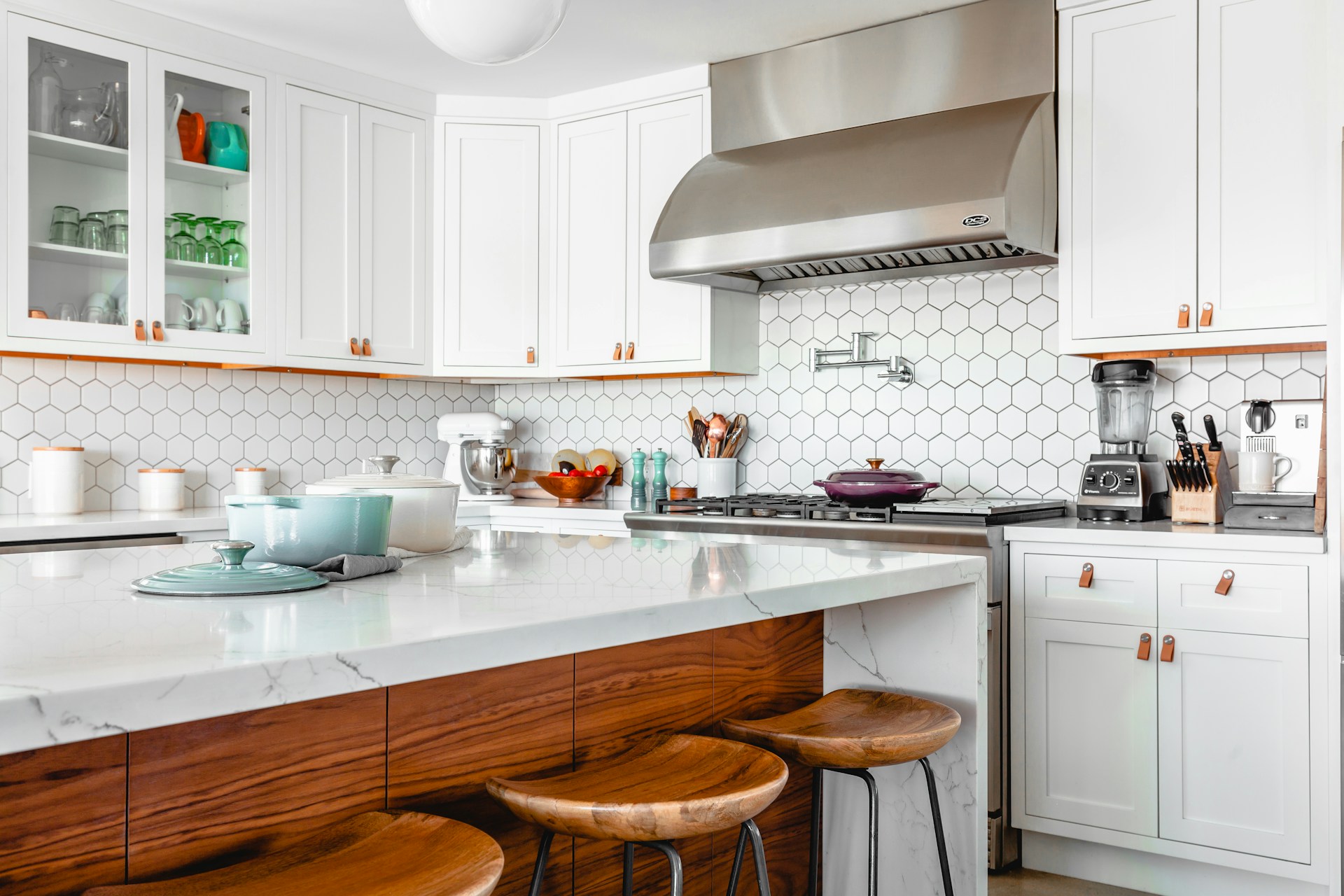
Standing in a kitchen showroom with a stack of stone samples can feel more confusing than exciting. One slab looks perfect until you remember your kids leave wet cups on every surface. Another catches your eye, but the price tag makes you wonder if it will survive years of school lunches and Sunday dinners.
A kitchen countertop materials comparison should start with how you actually live, not with which slab photographs best online. Southern Maryland homes carry their own mix of humid summers, busy family schedules, and kitchens that double as homework stations and holiday prep zones. The right surface needs to hold up to it all.
In this guide, you'll learn how quartz, granite, and laminate perform in real daily use, what each costs to install, and which fits different households best. What works for your neighbor's kitchen might not fit yours, and that is completely normal. Keep reading to figure out which surface matches how your family actually cooks, cleans, and gathers.
Start With Your Daily Kitchen Needs
Your countertop choice should follow how your kitchen gets used every single day, not just how it looks in a photo. Before comparing materials, think through three practical categories that shape which surface will serve you well.
Heat, Stain, and Scratch Resistance
Every kitchen sees hot pans, spilled coffee, and the occasional knife slip. Some materials shrug this off, while others need extra care to avoid permanent marks.
Think about how often you set hot pots directly on the counter or cut vegetables without a board. Families with young cooks in training may want a more forgiving surface than a household of one careful adult.
Maintenance Expectations
Some countertops need regular sealing and gentle cleaners, while others tolerate everyday soap and water without complaint. This difference matters more than most homeowners expect once the excitement of a new kitchen settles down.
Ask yourself how much time you realistically want to spend on upkeep each month. A busy household often benefits from a low-maintenance surface, even if it costs a bit more upfront.
Budget and Installation Priorities
Your budget shapes which materials stay on the table and which get set aside. Installed cost depends on square footage, edge style, and the complexity of your kitchen layout, so any number you see online is only a starting point. Homeowners stretching a renovation across a tighter monthly budget can also look into financing options to spread the cost of a full kitchen remodel.
- Measure your total counter space before requesting quotes
- Decide which areas need the most durability, like the space around the stove
- Set a realistic price range with room for edge details and sink cutouts
A clear sense of your daily habits and budget makes the next step, comparing specific materials, much easier to sort through.
Quartz: Low-Maintenance Durability
Quartz is an engineered stone built for consistent performance with very little daily upkeep. It has become one of the most requested countertop materials for busy kitchens, a trend confirmed by the National Kitchen & Bath Association's 2026 Kitchen Trends Report, because it resists many everyday hazards.
Appearance and Design Flexibility
Quartz comes in a wide range of colors and patterns, including styles that mimic natural marble or granite. Because it is manufactured rather than cut from stone, the pattern stays consistent across the entire slab.
This consistency appeals to homeowners who want a predictable look without surprises once the slab arrives. You can often see a large sample, or even the exact slab, before installation, which takes the guesswork out of the decision.
Performance in High-Use Kitchens
Quartz resists stains from coffee, wine, and tomato sauce better than most natural stone. It doesn't require sealing, which removes a maintenance task most homeowners forget anyway.
It handles scratches from daily use well, though cutting boards are still recommended to protect knife edges. Quartz is not fully heat-proof, so trivets under hot pans help prevent surface damage over time.
Installed Cost Considerations
Quartz typically falls into a mid-to-upper price range compared to other materials on this list. Exact installed cost depends on the brand, slab thickness, edge profile, and your kitchen's layout, so a consultation gives the most accurate number.
Many homeowners find the higher upfront cost is offset by lower long-term maintenance costs. That trade-off naturally raises the question of how a more traditional natural stone option compares.
Granite: Natural Stone Character
Granite offers a look no engineered material can fully replicate because every slab comes from the earth with its own pattern. It remains a popular choice for homeowners who want a countertop with visible natural variation.
Variation, Sealing, and Upkeep
No two granite slabs look exactly alike, which means the piece in your kitchen will be genuinely one of a kind. This natural variation is part of the appeal, though it also means you should see your actual slab before installation rather than relying only on a small sample chip.
Granite needs periodic sealing to protect against stains, typically once a year depending on the specific stone. Skipping this step can let liquids soak into the surface over time, especially oils and acidic spills.
Heat Resistance and Everyday Wear
Granite handles heat exceptionally well, tolerating hot pots and pans directly on the surface better than quartz or laminate. This makes it a strong choice for households that cook frequently and move hot cookware around the kitchen.
It also resists scratching from knives and daily kitchen tools. The trade-off is that granite can be more prone to chipping at the edges if a heavy pot or dish strikes it hard.
Installed Cost Considerations
Granite pricing varies widely based on the rarity of the stone pattern and slab thickness. Common granite colors tend to sit close to quartz pricing, while rare or imported patterns can push costs higher.
A consultation with a local fabricator gives you a real number based on the exact slab you choose. For homeowners watching their budget more closely, a different material altogether may fit better.
Laminate: Practical Style on a Tighter Budget
Laminate countertops let homeowners update their kitchen's look without the cost of natural or engineered stone. Modern laminate has moved far beyond the plain designs many people remember from older homes.
Modern Colors and Edge Profiles
Today's laminate options include textured finishes that mimic stone, wood, and even concrete. Edge profiles have also improved, with rounded and beveled options that look more custom than older laminate styles.
This gives budget-conscious homeowners a way to get a fresh, current look without waiting to save for a full stone remodel. Many designs are convincing enough that visitors need a closer look to tell the difference.
Limits With Heat, Moisture, and Scratches
Laminate is more vulnerable to heat damage than quartz or granite, so hot pans should never touch the surface directly. Sharp knives can also scratch or gouge the surface, since laminate lacks the hardness of stone.
Moisture that seeps into seams or edges over time can cause the material underneath to swell or warp. Careful daily habits, like wiping spills quickly and always using cutting boards, help laminate last much longer.
- Always use trivets for hot cookware
- Wipe spills promptly, especially near sink and stove edges
- Use cutting boards for all food prep
Installed Cost Considerations
Laminate remains one of the most affordable countertop materials, especially for larger kitchens where square footage adds up quickly. Installed pricing depends on the brand, edge style, and how much custom cutting your layout requires.
For many households, laminate offers a practical way to complete a full kitchen refresh sooner. With three materials on the table, the real question is which one fits your household.
Match the Surface to Your Household
The best countertop material matches how your household functions day to day. Comparing quartz, granite, and laminate side by side only helps once you connect the details back to your own routine.
Best Fit for Busy Families
Families with children and pets often benefit most from quartz because of its stain resistance and low maintenance needs. Spilled juice, dropped crayons, and sticky fingerprints wipe away without much effort or worry.
No sealing requirements also means one less task on an already full parenting schedule. For households juggling sports practices and homework, that time savings adds up over the years.
Best Fit for Frequent Cooks
Home cooks who move hot pans frequently or work with knives directly on the counter may lean toward granite. Its heat resistance and scratch resistance support a more hands-on, high-volume cooking style.
The natural variation also appeals to cooks who want their kitchen to feel unique rather than uniform. If you spend hours preparing meals each week, granite's durability under heavy use becomes a real advantage.
Best Fit for Budget-Focused Updates
Homeowners working with a tighter renovation budget or planning to update multiple rooms often choose laminate first. It lets you refresh a whole kitchen without stretching the budget too thin in one category.
- Households prioritizing overall kitchen updates over premium countertop material
- First-time homeowners easing into a larger renovation plan
- Rental or transitional properties needing a cost-effective refresh
Once you know which material fits your household, the next step is understanding how the installation process works.
Finalize Your Remodel With Local Guidance
Choosing a material is only half the process, since accurate measuring and professional installation determine how the final counters actually perform. Southern Maryland kitchens often include unique layouts, older cabinetry, or additions that require careful planning before ordering any slab.
Measure, Template, and Installation Planning
Professional installation typically starts with an in-home measurement of your existing cabinets and layout. A template is then created, often using a laser or physical pattern, to match your kitchen's exact dimensions.
This template guides the fabrication of quartz or granite slabs, ensuring seams, sink cutouts, and edges line up correctly. Laminate installation follows a similar planning process, though the material itself is typically installed more quickly.
Once templating is complete, most fabricators need a short production window to cut and finish the material. Installation day itself usually takes several hours, depending on the size and complexity of your kitchen.
Choosing a Southern Maryland Kitchen Partner
Local knowledge matters for humidity levels, common home styles, and the realistic timelines homes in this region require. A contractor familiar with Southern Maryland kitchens can help you avoid surprises tied to older construction or regional supply timelines.
Look for a team that manages the full scope, from removing old counters to coordinating sink plumbing disconnects. Understanding what full-scope kitchen remodeling contractors typically handle helps you compare bids and avoid a contractor who leaves gaps in the project.
Frequently Asked Questions
Which Kitchen Countertop Material Is Best for Durability, Maintenance, and Everyday Use?
Quartz generally offers the best combination of durability and low maintenance since it resists stains and never needs sealing. Granite comes close, offering excellent heat resistance, though it does require periodic sealing to stay stain-resistant.
How Do Granite, Quartz, Marble, Laminate, and Solid-Surface Countertops Compare in Cost?
Laminate sits at the most affordable end, followed by mid-range quartz and granite options, with premium stone patterns costing more. Marble and higher-end solid-surface materials often cost near or above standard granite and quartz, depending on the brand.
What Is the Most Affordable Countertop Material That Still Offers a Quality, Finished Look?
Laminate remains the most budget-friendly option that still delivers a polished, modern appearance in today's designs. Updated textures and edge profiles help laminate compete visually with pricier stone alternatives.
Which Countertop Materials Are Easiest to Clean and Resist Stains, Scratches, and Heat?
Quartz is the easiest to clean daily since it resists stains without sealing and holds up well against scratches. Granite resists heat better than quartz but needs more consistent sealing to maintain its stain resistance.
Is Quartz or Granite a Better Choice for a Busy Family Kitchen?
Quartz tends to fit busy family kitchens better because of its low maintenance and strong stain resistance for spills. Granite remains a strong option for families who prioritize heat resistance and enjoy natural stone variation.
What Countertop Materials Work Well for Kitchen Remodels in Southern Maryland Homes?
Quartz, granite, and laminate all perform well in Southern Maryland homes when matched correctly to household needs and budget. A local consultation helps confirm which material fits your specific kitchen layout, humidity considerations, and renovation timeline.
Your Next Step Toward a Countertop That Fits Your Life
A kitchen countertop materials comparison ultimately comes down to matching real habits with real performance, not chasing trends. Quartz, granite, and laminate each bring genuine strengths, and the right choice depends on your cooking style, cleaning routine, and budget.
Whether you are standing in a showroom weighing samples or still sketching out your kitchen's new layout, clarity comes from seeing your actual space evaluated. A professional walkthrough removes the guesswork that online comparisons alone cannot solve.
Start your project now and let a locally owned Southern Maryland team with over 50 years of experience handle the hard part for you. Jenkins Restoration and Remodel is ready to talk through your kitchen's specific needs and help you move forward with confidence.