.png)


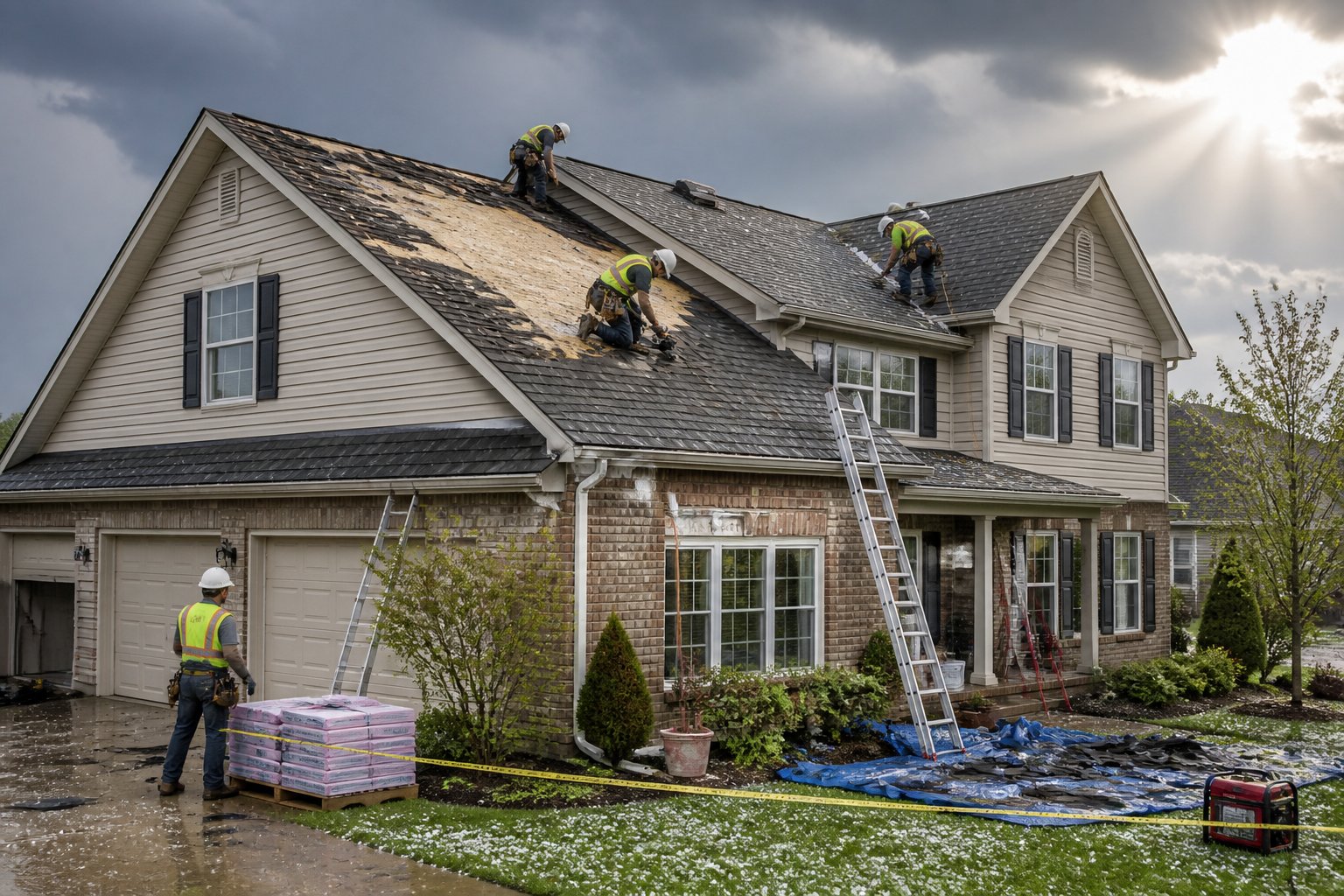
Hailstorms can leave your roof damaged in ways that aren’t always obvious, and that uncertainty can be stressful. Even minor hail damage can turn into leaks, rot, or costly repairs if it’s missed or ignored.
At Jenkins Restoration and Remodel, we help Southern Maryland homeowners understand what hail damage looks like, what steps to take next, and how to navigate inspections and insurance with less confusion and pressure.
This guide explains how to spot hail damage, protect your home after a storm, and decide when hail damage roof repair is needed, so you can move forward with confidence instead of guesswork.
Recognizing Hail Damage On Your Roof
Hail leaves some pretty distinct marks, from big dents to subtle bruises you might miss if you're not looking closely. Knowing what to check for and when makes it a lot easier to catch problems early.
Common Signs Of Hail Damage
Hail makes patterns on shingles that don't look like regular wear. On asphalt shingles, you'll notice dark spots where the granules have been knocked away.
These spots feel kind of soft, almost like a bruise on fruit. Metal roofs often show dents or dings that catch the light in a strange way. Tile and slate roofs often end up with cracks or chips. Sometimes you'll spot broken pieces in your gutters or on the ground.
Don't forget to check roof vents, flashing, and metal edges. These spots often show dents that help confirm hail hit your place. Look at your gutters and downspouts for dents, too. It's surprising how much you can see from the ground if you know where to look.
Different Types Of Roofs And Damage Patterns
Asphalt shingles react differently depending on how old they are. Newer ones might lose granules in round patches, while older ones can crack clean through.
Wood shingles split along the grain when hail hits. The splits look fresh and sharp, not worn down. Clay and concrete tiles can shatter or crack. Those breaks look sharp and new, different from the old, dirty cracks you might see otherwise.
Flat roofs with a membrane surface get punctures or torn seams. Sometimes you'll notice small holes where hail hit hardest.
When To Inspect Your Roof After A Hailstorm
Try to check your roof within a day or two after a hailstorm. Damage is easier to spot before the weather changes things. Wait until everything's dry and safe. Never climb up there if it's wet or stormy. Your safety comes first.
If your neighbors are talking about roof damage, or you see dents in your car or patio furniture, chances are your roof took a hit too. That's a good time to schedule an inspection. Most insurance policies have deadlines for claims, so don't drag your feet or you might miss out.
Assessing The Severity Of Hail Damage
Hail damage isn't the same for everyone. It depends on the size of the hail, how hard it hit, and what kind of roof you've got. You can't always spot the worst problems from the ground. Sometimes the real trouble is hiding just out of sight.
Determining Hail Impact On Roofing Materials
Different roofs take hits in their own ways. Asphalt shingles might have dents, bruises, or missing granules that show the mat underneath. You might see dark spots where the granules are gone. Metal roofs usually have dents or dings.
Those dents can be mostly cosmetic, but over time, they might cause bigger problems. Wood shingles can split or crack, letting water in.
Hail size matters a lot. If the stones are smaller than an inch, you're probably okay. Stones between one and two inches can cause cracks and dents. Anything bigger than two inches is bad news and might mean you need a whole new roof.
Common hail damage signs:
- Granule loss in patches
- Circular dents on shingles
- Cracked or split materials
- Exposed fiberglass on asphalt shingles
- Dented flashing and gutters
Identifying Hidden Structural Issues
Not all damage is obvious. Hail can mess up your roof's structure without leaving big clues. Check your attic for water stains on the roof deck. That usually means water's already getting in.
Leaks sometimes don't show up right away, especially after the first storm. The underlayment can tear or separate even if the shingles look fine. That hidden damage lets moisture seep into the wood below, which can cause rot or mold over time.
Watch your ceilings for brown spots, bubbling paint, or sagging. Those are signs water's making its way in from above. These signs might show up days or even weeks after the storm, so keep an eye out.
Immediate Steps To Take After Hail Damage
After a hailstorm, you need to move fast to protect your home and get ready for repairs. What you do in the first day or two can save you a ton of trouble later.
Ensuring Your Safety First
Your safety comes first. Don't go outside until the storm's over and everything's calm. Never climb on your roof right after a hailstorm. It's probably slick, and you could fall. Hail sometimes creates weak spots you can't see.
Start by checking your property from the ground. Look for obvious damage like dented gutters, broken windows, or debris.
If you see damage at ground level, your roof probably took a beating too. Stay away from any downed power lines or standing water. They're dangerous. If you spot electrical problems or water pouring in, call emergency services right away.
Temporary Roof Protection Measures
If you notice leaks or holes, you need to stop water from getting inside. Put buckets under drips to catch water and protect your stuff.
Use tarps to cover the damaged spots if you can do it safely. Secure them with boards, not nails, so you don't make extra holes.
The tarp should go at least four feet past the damaged area on all sides. Move your furniture and valuables out of harm's way. Take photos of any water damage before you move your things. You'll want that proof for insurance.
Documenting Roof Damage For Insurance
Take clear photos and videos of all the damage as soon as it's safe. Get both wide shots and close-ups. Snap pictures of your gutters, siding, and anything else that looks banged up. Make a written list of everything you see.
Note the date, time, and what the weather was like when you found the damage. Save any local weather reports about the hailstorm. Call your insurance company within a couple of days. Most policies want you to report damage fast.
An adjuster will come out to check things over. Keep receipts for any emergency repairs or temporary fixes you do. Insurance might cover those, but don't start any big repairs until the adjuster has finished their inspection.
Hiring A Professional For Hail Damage Roof Repair
Picking the right contractor can make a huge difference in how well your roof gets fixed. Credentials, good questions, and clear estimates all matter more than you might think.
Why Choose Certified Roofing Contractors
Certified contractors have special training and know how to spot damage you might miss. Licensed pros carry insurance, so if something goes wrong, you aren't stuck with the bill.
They also know local building codes and get the right permits. That's important if you plan to sell your home or file insurance claims later. Many certified contractors offer warranties, which can be a lifesaver if problems pop up after repairs.
Questions To Ask Before Hiring
Ask for proof of licensing and insurance before you sign anything. Request copies of their insurance and make sure it's current. Check how long they've been fixing hail damage in your area. Local experience helps a lot.
Ask for references from recent customers with similar repairs. Actually call those people and ask about their experience.
Find out if they offer free inspections and detailed assessments. Get everything in writing, including photos. Make sure they can start and finish repairs in a reasonable time frame, especially if you need to meet insurance deadlines.
Understanding Roofing Repair Estimates
A solid estimate breaks down costs for materials, labor, disposal, and permits. If you get a vague, single-number quote, that's a red flag. Compare at least three estimates. Don't just go for the cheapest. Look at what's included.
See if the estimate covers removal of old materials and cleanup. Some contractors charge extra for hauling stuff away. Your estimate should list materials by brand and model, not just "standard shingles." That way, you know what you're getting.
Ask about payment schedules, too. Never pay the full amount upfront. Most pros ask for a small deposit, then progress payments, with the rest after the work's done.
DIY Vs. Professional Hail Damage Roof Repair
DIY can save you money if the damage is minor, but bigger problems really need a pro. It's not always easy to tell which is which until you take a closer look.
Pros And Cons Of DIY Repairs
DIY repairs work for small stuff, like a few dented shingles or minor marks. You'll save on labor, and you can start right away.
Pros of DIY:
- Lower material costs
- No waiting on contractors
- Total control over the process
Cons of DIY:
- Easy to miss hidden damage
- No insurance if you mess up
- It's risky working up high
- You could void your roof's warranty
- Most folks don't have the right tools
If you mess up a repair, you could be on the hook for even more damage. Pros carry insurance that covers accidents. DIY jobs also take longer if you don't know what to look for. It's easy to overlook problems hail can cause.
When To Call In The Experts
Call a pro if you see leaks, damage over a big chunk of your roof, or anything structural. Hail can crack supports or damage underlayment you can't see. If you spot water stains on your ceiling, missing shingles, or dents across a large area, it's time to bring in the experts.
Call a pro for:
- Insurance claims and paperwork
- Damage to roof valleys or flashing
- Multiple shingle layers affected
- Steep or tall roofs
- Commercial properties
Pros notice long-term problems that could turn into rot or mold. They also offer warranties and help you with insurance claims.
Hail Damage Roof Repair Process Explained
Professional repairs follow a sequence, starting with a detailed inspection to document everything, then using specific repair methods based on your roof type.
Initial Roof Inspection And Assessment
A qualified contractor checks your whole roof for hail damage. They'll look at shingles, flashing, vents, gutters, and every part that could be affected.
The inspection covers both visible damage and hidden trouble underneath. They'll check for dents, cracks, missing granules, and broken shingles.
They'll also peek in your attic for water stains or leaks that started after the storm. This assessment forms the basis for your insurance claim.
The report includes photos, measurements, and notes on what needs repair or replacement. Your contractor uses this info to give you an accurate repair estimate and a timeline.
Repair Techniques For Asphalt Shingles
Damaged asphalt shingles usually need full replacement instead of patching. Contractors remove shingles that have cracks, dents, or missing granules.
They'll replace those with new shingles that match your roof’s color and style. If hail broke through the underlayment, that layer gets fixed, too. Otherwise, you’re just asking for leaks down the road.
For widespread damage, you might end up needing a complete roof replacement. Contractors apply new shingles using solid installation methods to make sure everything seals up right. They replace or repair flashing around chimneys, vents, and roof edges since hail loves to sneak in damage there.
Repairing Metal And Tile Roofs
Metal roofs with hail dents aren’t always doomed. Sometimes, small dents get filled and painted to blend in.
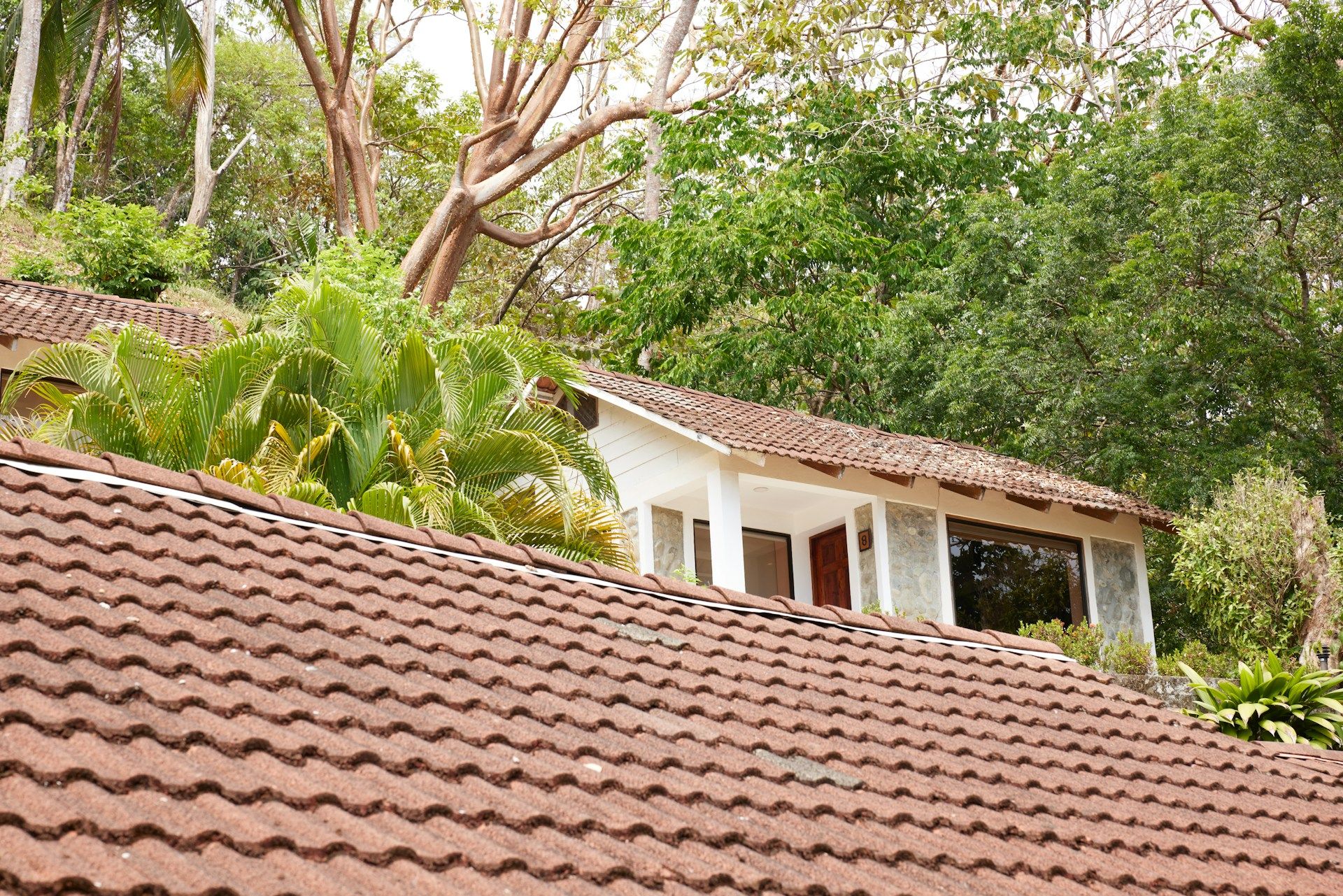
If the dents or punctures are bigger, the affected panels need to be replaced. Tile roofs are trickier. Damaged tiles crack easily just from handling.
Contractors carefully remove broken tiles and pop in new ones. They also check the underlayment under cracked tiles for any water issues.
Matching new tiles or metal panels to the existing roof isn’t always easy, but it makes a difference. Contractors make sure everything’s secure so future storms don’t wreck the repairs. They’ll also check and fix any damaged flashing or roof penetrations while they’re up there.
Insurance Claims For Hail-Damaged Roofs
Most homeowners' insurance covers hail damage since it’s considered sudden weather damage. You’ll need to document everything, work with your adjuster, and dig into your policy details to get proper coverage for repairs or replacement.
Filing An Insurance Claim
Call your insurance company as soon as you spot hail damage. Most insurers set a deadline for claims after a storm, so don’t wait around.
Take clear photos of all the damage before making repairs. Focus on dented or cracked shingles, damaged flashing, and any hits on vents or fixtures.
Grab some wide shots of the whole roof and close-ups of the worst spots. Write down the storm date and keep any local weather reports that mention hail in your area.
Insurance companies might want to verify the storm before processing your claim. Get a professional roof inspection to catch all the damage, even stuff you can’t see from the ground.
Roofers trained in storm damage can spot subtle signs like bruised shingles or missing granules. They’ll give you a detailed report and estimate to back up your claim.
What To Expect During The Claims Process
Your insurance company usually sends an adjuster out within a few days or weeks. The adjuster checks the damage, measures your roof, and decides if it matches your policy.
Be there for the inspection so you can point out the damaged areas. Bring your photos and any professional inspection reports to show the adjuster.
The adjuster writes a report, and then your insurer sends you a settlement offer. That usually covers repairs or replacement, minus your deductible.
If your roof is older, you might get less money because of depreciation unless you have replacement cost coverage.
Maximizing Your Claim Coverage
Check your policy before filing so you know your coverage limits, deductibles, and whether you have actual cash value or replacement cost coverage. Replacement cost coverage pays for a new roof, no depreciation.
Don’t just take the first settlement if it seems low. You can negotiate by providing extra documentation, getting another roofer’s opinion, or hiring a public adjuster to fight for you.
Keep every receipt and record for temporary repairs you make to stop further damage. Most policies cover these emergency fixes.
Don’t sign contracts with roofing companies until your claim is settled. And if a contractor says they’ll waive your deductible, run. Insurance companies really don’t like that.
Prevention Tips For Future Hail Damage
Honestly, the best way to deal with hail damage is to avoid it in the first place. Two big strategies help: picking the right materials and staying on top of maintenance.
Upgrading To Impact-Resistant Roofing
Impact-resistant roofing materials can save you a ton on future repairs. These get a UL Class 4 rating, meaning they can take a beating from two-inch hailstones and not break.
Your upgrade options include:
- Impact-resistant asphalt shingles with a rubberized backing
- Metal roofing that deflects hail instead of absorbing it
- Rubber slate tiles for durability and classic looks
- Clay or concrete tiles rated for high-impact zones
Class 4 shingles cost about 10–20% more than regular ones, but many insurance companies give you a 20–35% discount on your premiums if you install them. The savings usually pay for the upgrade in just a few years.
Metal roofs stand up to hail best. They might dent, but they rarely crack or break, which is a big plus if you’re in hail country.
Seasonal Roof Maintenance Tips
Regular maintenance catches little problems before hail turns them into big ones. Check your roof twice a year and after every major storm.
Look for:
- Shingles with cracks, curling, or missing pieces
- Flashing around chimneys and vents for gaps
- Gutters for proper drainage and secure mounting
- Attic for water stains or light sneaking through
Trim tree branches hanging over your roof. They can fall during storms and smash shingles, or just drop debris that holds moisture.
Clean your gutters every spring and fall. If they’re clogged, water backs up under the shingles and makes hail damage worse. Replace damaged or loose shingles right away. Weak spots always get hit hardest in a hailstorm.
Cost Factors In Hail Damage Roof Repair
Repairing hail damage to your roof usually runs between $1,500 and $8,000, but it can be as little as $300 for minor fixes or over $25,000 for a full replacement. The final price depends on your roof material, how bad the damage is, and local labor rates.
Average Repair Costs
Most people pay around $4,250 for hail damage roof repair in 2026. Spot repairs cost $300 to $1,500 if you’re just swapping out a few shingles.
If larger sections are affected, you’re looking at $1,500 to $8,000. Full or partial replacements start at $8,000 and can easily go above $25,000.
Asphalt shingles cost $400 to $700 per square (100 sq ft) to fix. Metal roofs are pricier, $500 to $1,200 per square, even though they’re tougher. Bigger hailstones mean more damage and higher repair bills.
Factors Affecting Price
Roofing material is the biggest price driver. Asphalt is the cheapest, while slate or tile can get expensive.
Labor rates vary a ton by region. Urban areas generally charge more than rural ones. The pitch and height of your roof also matter. Steep or tall roofs are just harder and riskier to work on.
How much damage there is determines if you need a small fix or a total redo. A few cracked shingles cost way less than widespread dents or water damage to the underlayment.
You’ll probably need a professional inspection, which costs extra but helps with insurance claims. Some contractors offer free inspections, especially after big hailstorms.
Financing Options For Roof Repairs
Homeowners insurance usually covers hail damage, but you’ll pay your deductible first. Take photos right after the storm and file your claim quickly.
A lot of roofing companies offer payment plans so you can spread out the cost. Some even have zero-interest financing for a set period if you qualify.
If insurance doesn’t cover enough, personal loans or home equity lines of credit can help. Credit cards might work for smaller repairs, but the interest piles up fast.
Some contractors work with your insurance company and wait for payment until your claim goes through. Definitely ask about this when you get estimates.
Finding Trusted Local Hail Damage Roof Repair Services
After hail hits, finding a good contractor really matters. You want someone who’ll fix it right and not gouge you on price.
Start by looking for companies with strong customer reviews. Check online review sites to see what other homeowners say. Real feedback from past customers can tell you a lot about quality and service.
What to look for in a contractor:
- Experience with hail damage repair
- Proper licensing and insurance
- Free inspection services
- Clear, written estimates
- Solid communication
Ask contractors about their experience with hail repairs specifically. Not every roofer knows the ins and outs of storm damage.
Get at least three estimates before you pick someone. That helps you spot fair pricing in your area. Be wary of bids that are way higher or lower than the rest. See if the company offers free inspections. Many good ones do, especially after storms.
Make sure your contractor has both liability insurance and workers’ comp. Ask for proof before work starts. That way, you’re protected if something goes wrong.
Look for detailed assessments. Contractors should explain what’s damaged, what needs fixing, and why. If someone pushes you to sign right away or exaggerates the damage, that’s a red flag.
Local companies tend to have better reputations to protect. Plus, they’re easier to reach if you need help later.
Get Clear Answers After A Hailstorm
Hail damage can be easy to miss and stressful to deal with, especially when you’re unsure whether your roof needs repairs or how serious the damage really is. Taking action early helps prevent leaks, larger repairs, and insurance complications later on.
Jenkins Restoration and Remodel provides clear inspections, honest guidance, and dependable hail damage roof repair so you can make informed decisions without added pressure or uncertainty.
If you suspect hail damage or want peace of mind after a storm, get in touch to schedule a consultation and take the next step toward protecting your home.
Frequently Asked Questions
How can I tell if hail actually damaged my roof?
Hail damage often shows up as dark spots, dents, or soft bruised areas on shingles where granules were knocked loose. You may also notice dents on flashing, vents, gutters, or other metal components.
If you see damage to siding, window screens, or outdoor fixtures, your roof was likely impacted as well. A professional inspection can confirm damage that isn’t visible from the ground.
Is hail damage always visible right after the storm?
Not always. Some hail damage takes time to show up, especially if the underlayment or decking was affected. Leaks, ceiling stains, or bubbling paint may appear days or weeks later.
That’s why it’s smart to inspect your roof soon after a storm and continue monitoring your home for signs of moisture or interior damage.
Do I need hail damage roof repair if there are no leaks yet?
Yes, in many cases. Hail can weaken shingles or crack materials without causing immediate leaks. Those weakened areas often fail later during heavy rain or temperature changes.
Addressing hail damage roof repair early helps prevent bigger problems and more expensive repairs down the road.
Will homeowners' insurance cover hail damage roof repair?
Most standard homeowners' insurance policies cover hail damage, since it’s considered sudden weather-related damage. Coverage depends on your policy type, deductible, and the age of your roof.
Some policies only cover functional damage, not cosmetic dents, so a professional inspection and proper documentation are important when filing a claim.
How long do I have to file a hail damage insurance claim?
Claim deadlines vary by policy, but many insurers allow up to one year from the date of the storm. Some policies have much shorter time limits.
Filing sooner is always better. Waiting too long can make it harder to prove the damage came from a specific hail event.
Should I repair hail damage myself or call a professional?
Small, isolated issues may be manageable for experienced homeowners, but hail damage often affects more than what you can see. Hidden damage to underlayment, flashing, or roof structure is easy to miss.
Professional inspections help ensure all damage is identified and repaired correctly, especially when insurance is involved.
How long does hail damage roof repair usually take?
Minor repairs may be completed in a day or two once materials are available. Larger repairs or full roof replacements can take several days, depending on weather and roof size. Insurance approval and material ordering often affect timelines more than the repair work itself.
Can hail damage shorten the life of my roof?
Yes. Even moderate hail can reduce a roof’s lifespan by weakening shingles and protective layers. Over time, those weakened areas are more likely to crack, leak, or fail. Timely inspections and repairsHail Damage Roof Repair | Steps to Take After a Storm
help preserve your roof’s performance and avoid premature replacement.