.png)



When your home is damaged by water, fire, or storms, it’s more than an inconvenience. It disrupts your routine, adds stress, and leaves you wondering what to fix first and who you can trust to do it right.
That’s where Jenkins Restoration and Remodel comes in, helping Southern Maryland homeowners navigate home restoration services with calm guidance, clear communication, and reliable workmanship from start to finish.
In this guide, you’ll learn what home restoration services include, how the process works, and what to expect along the way, so you can move forward with confidence and a clear plan for your home.
What Are Home Restoration Services?
Home restoration services help you get your property back to its original or pre-damage state after disasters, deterioration, or just years of use. These services focus on preserving your home's structure and character, not changing its design.
Definition And Scope
Home restoration means bringing your property back to a specific condition. Maybe you’re repairing disaster damage, or maybe you’re trying to keep the historical charm of an older place.
When you bring in restoration professionals, they tackle problems like water damage, fire damage, mold, or structural issues from storms and floods.
The scope depends entirely on your home’s needs. Sometimes you need emergency help after a burst pipe or fire. Other times, you want to save original features like hardwood floors, antique windows, or plaster moldings in a historic home.
Restoration teams handle all sorts of damage:
- Water damage from floods, leaks, or burst pipes
- Fire and smoke damage to structure and belongings
- Mold remediation and prevention
- Storm damage from wind, hail, or falling trees
- Structural repairs for foundations, walls, and roofs
Key Differences Between Renovation And Remodeling
Restoration is not the same as renovation or remodeling. With restoration, you’re fixing and preserving what’s already there. When you renovate or remodel, you’re changing layouts, designs, or even the function of a space.
Restoration means returning things to their original state. You keep the same floor plan, preserve historical details, and maintain your home’s character.
Renovation updates what’s there, maybe swapping materials or styles, but not necessarily changing the bones. Remodeling? That’s a full transformation, changing layouts, adding rooms, or altering the structure.
So, refinishing your original hardwood floors? That’s restoration. Swapping old floors for new hardwood? That’s renovation. Ripping out floors for heated tile and a new layout? Remodeling.
Benefits Of Professional Restoration
Bringing in professionals protects your investment and ensures repairs meet safety standards. These folks know how to spot hidden damage, like moisture behind walls or weak spots in your structure, that you’d probably miss.
You’ll save money over time because proper restoration prevents bigger problems down the road. Water that isn’t dried out can lead to mold. Fire that isn’t cleaned up properly leaves behind odors and health risks.
Restoration pros use specialized tools, industrial dehumidifiers, air scrubbers, and moisture meters. They’ll also help with insurance paperwork, which, let’s be honest, can be a nightmare.
Most companies work directly with your insurance provider to keep things moving. Licensed professionals follow industry standards and local codes. That keeps your family safe and your property value intact.
Types Of Home Restoration Services
Restoration services target specific types of damage that can hit your property. Water issues, fire, and mold each need their own approach and tools if you want your home safe again.
Water Damage Restoration
Water damage happens fast; burst pipes, floods, or roof leaks can get out of hand in minutes. The longer you wait, the worse it gets.
Professional water damage restoration starts with removing standing water using heavy-duty pumps and vacuums. Then they dry out everything with big fans and dehumidifiers. They’ll check moisture levels in walls, floors, and ceilings until it’s bone dry.
Common sources of water damage include:
- Burst or leaking pipes
- Natural flooding
- Sewage backups
- Appliance failures
- Roof leaks
The team will hunt for hidden moisture that could cause trouble later. Sometimes, they’ll need to pull out drywall, flooring, or insulation that just can’t be saved. Quick action stops mold and keeps repair costs down.
Fire And Smoke Damage Restoration
Fire damage isn’t just about what you see. Smoke and soot work their way into walls, furniture, and even air ducts.
Restoration starts with a full assessment to see what’s salvageable. Crews remove debris and anything too far gone. Smoke odors need special gear and cleaners to get rid of completely.
They’ll clean all soot-affected surfaces using different methods, since soot can mess up wood, metal, and fabrics in unique ways.
Air purification gear clears out smoke particles from your home’s air. Once everything’s clean, structural repairs come last, rebuilding walls, replacing floors, or fixing the roof as needed.
Mold Remediation
Mold loves damp places and spreads fast if you don’t handle it. You might notice a musty smell, see spots, or even feel allergy symptoms.
Mold remediation starts with finding and fixing the moisture source. Techs contain the area so mold spores don’t travel through your house. They wear protective gear and follow strict safety rules during removal.
Damaged materials like drywall or carpet that can’t be cleaned get tossed. Salvageable stuff gets cleaned with antimicrobial solutions. Special air filters grab airborne spores while they work.
After removal, they treat the area to keep mold from coming back and fix whatever moisture problem started it all. Your home needs to stay dry, or mold will just return.
Structural Restoration
Structural damage is serious; it can threaten your home’s safety and stability. Repairs target foundations, roofs, and walls to get your property solid again.
Foundation Repairs
Your foundation holds up everything, so any problem here is urgent. Cracks bigger than a quarter inch, sloping floors, or doors that won’t close right? Those are red flags.
A technician will evaluate the damage and pick the best fix. Sometimes that means steel piers, sometimes epoxy injections for small cracks, or underpinning for weak spots.
Foundation repairs often include:
- Soil stabilization to stop future settling
- Drainage improvements to keep water away
- Crack sealing with hydraulic cement or epoxy
- Foundation leveling with hydraulic jacks
Repairs can take a few days or stretch to several weeks. Most jobs need permits and inspections to meet local codes.
Roof Restoration
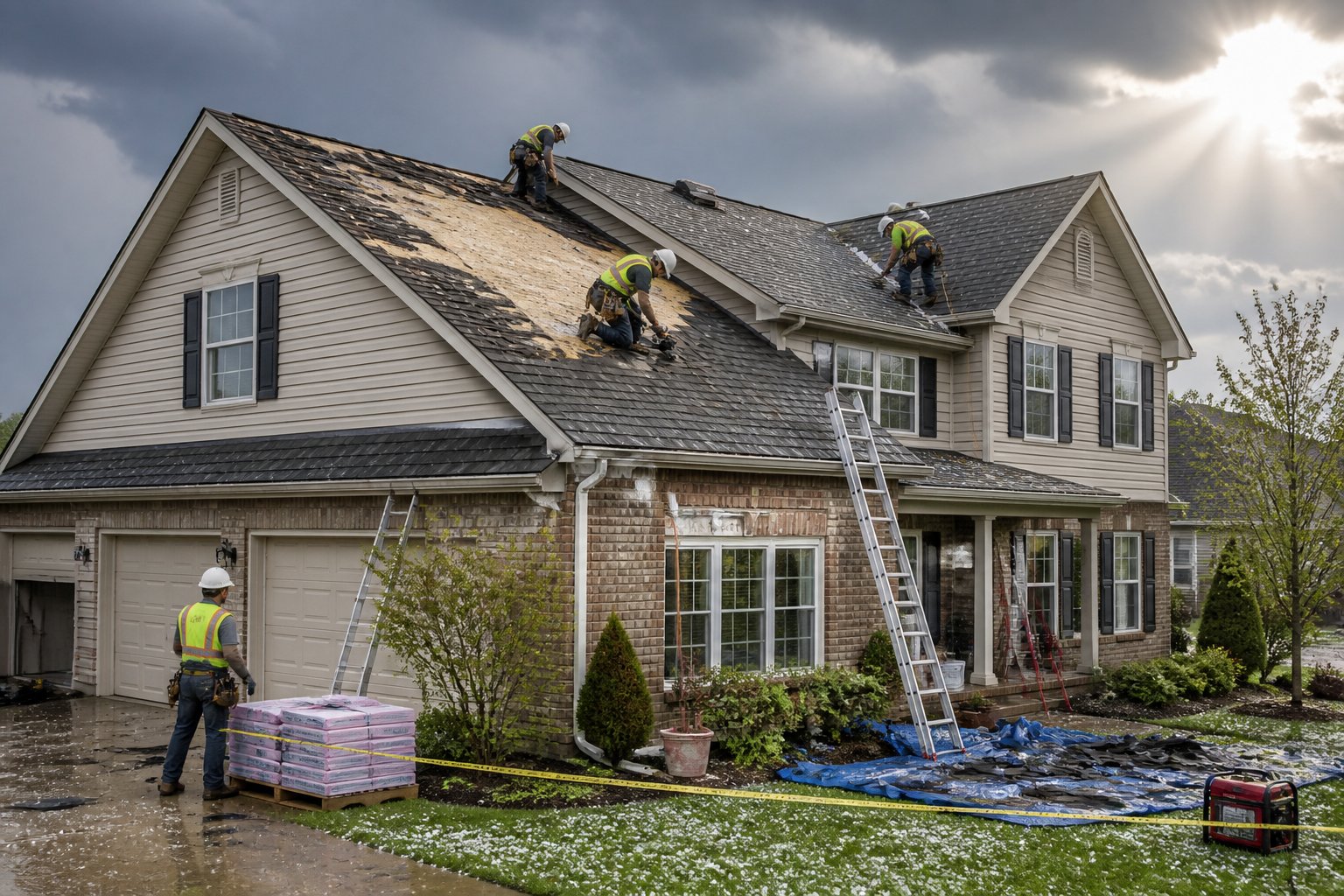
Storms, age, and wear can all mess up your roof’s ability to protect your home. Missing shingles, sagging spots, or water stains on the ceiling are signs you can’t ignore.
Restoration usually starts with tarps or temporary covers to prevent more water damage. Then, contractors remove damaged materials and check the structure underneath for rot or weakness.
Repairs might mean new decking, underlayment, and fresh shingles or roofing. They’ll also fix flashing around chimneys, vents, and skylights, since leaks often start there. Good contractors address ventilation, too; it helps prevent moisture problems and makes your roof last longer.
Wall And Ceiling Restoration
Water, fire, or shifting structures can ruin walls and ceilings. You’ll see cracks, sagging, stains, or crumbling drywall. Crews take out damaged sections, sometimes down to the studs or joists. They’ll check for mold and treat it before putting in new materials.
The process usually involves:
- Replacing damaged framing
- Adding moisture barriers if needed
- Installing and finishing new drywall
- Matching textures and paint to the rest of the room
Licensed contractors make sure everything meets code and fix the root cause, whether it’s plumbing, roofing, or foundation issues.
Cosmetic And Interior Restoration
Cosmetic and interior restoration is all about refreshing the visible parts of your home. These services tackle wear, old finishes, and damage to floors, walls, and woodwork.
Flooring Restoration
Floors take a beating, foot traffic, furniture, spills, you name it. Professional restoration can make hardwood, tile, and other surfaces look great without a full replacement.
For hardwood, they’ll sand down the top layer to erase scratches, stains, and old finish. Then they apply a new protective coat. Sometimes, floors decades old can look almost new again.
Tile restoration means regrouting, swapping cracked tiles, and deep cleaning away years of grime. Stone floors might need special sealants to fight moisture and stains.
Carpet restoration covers deep cleaning, stain removal, and patching up damaged spots. Some companies even stretch carpets to get rid of wrinkles and bumps.
Painting And Surface Finishes
A fresh coat of paint can totally change a room and hide years of wear. Pros prep surfaces by filling holes, sanding, and priming before they paint. They’ll handle walls, ceilings, trim, doors, and cabinets. You can pick from flat, eggshell, satin, or semi-gloss based on your taste.
Prep work matters most: cleaning, repairing drywall, stripping old wallpaper. They’ll also protect your stuff while they work.
Cabinet refinishing is a budget-friendly alternative to buying new. It involves cleaning, sanding, and applying new paint or stain for a fresh look in your kitchen or bath.
Woodwork And Carpentry Repairs
Damaged trim, molding, doors, and built-ins can make your home look tired. Skilled carpenters repair or replace these pieces to match your style.
Common fixes include door frames, baseboards, and window trim. Carpenters can rebuild stairs, banisters, and built-ins that suffered water damage or just plain old wear.
Custom millwork helps match original details, especially in older homes where new trim just won’t look right. Wood rot repair matters for structural integrity. Carpenters remove rotten spots, install treated wood, and finish repairs to blend in with the rest.
Restoring Historic And Heritage Homes
Historic homes need extra care to keep their character while meeting today’s safety and comfort standards. You’ll want experts who know period techniques, can navigate local rules, and source materials that fit your home’s era.
Preserving Original Features
Original details, moldings, floors, and architectural quirks define a historic home. Try to repair, not replace, whenever you can. Skilled craftsmen can restore damaged woodwork, refinish old floors, and fix plaster walls using old-school methods.
Windows often get special attention. Original windows can usually be restored to work well and keep their historic look.
This saves the craftsmanship and materials that make your home special. Document everything before you start, take photos and measurements. That way, if you ever need to replace something, you can match it, and you’ve got proof for permits.
Complying With Regulations
A lot of historic homes fall under local or national preservation rules. You’ll need to check which ones apply before you start any work.
Some places require permission for changes to the exterior.
Common rules include:
- Approval for changes to visible exterior features
- Restrictions on window and door replacements
- Roofing material and color guidelines
- Requirements to keep original styles
Tax breaks and grants can help if you follow preservation standards. Federal or state programs may cover some costs if you stick to approved methods. Check with your local preservation office for details. Contractors who know historic properties can help you avoid headaches and permit problems.
Choosing Authentic Materials
Using period-appropriate materials keeps your home’s history (and value) intact. Try to match the originals in look, composition, and how they’re installed. That means real wood, lime-based mortars, and traditional roofing, no cutting corners if you can help it.
Specialty suppliers focus on historic restoration and offer old-growth lumber, handmade bricks, or reproduction hardware. Salvage yards can be goldmines for authentic materials.
Sometimes modern substitutes work if they look right and don’t harm the historic structure, but some rules ban certain synthetics on exteriors. Always double-check material choices with your preservation consultant before buying.
The Home Restoration Process
Restoration follows a step-by-step approach, moving from evaluation to completion. Knowing what happens at each stage helps you prepare for the process and manage your expectations around time and cost.
Initial Assessment And Inspection
The first step? You need a thorough inspection of your property. A restoration pro examines all the damaged areas, looking for obvious problems and those sneaky hidden issues that aren't always visible right away.
During this assessment, the team documents everything. They snap photos, measure things, and jot down detailed notes about the damage.
This documentation ends up being really important for your insurance claim. It also helps create a precise scope of work.
The inspection covers structural damage, moisture levels, and any potential safety hazards. Pros use special gear like moisture meters and thermal imaging cameras to spot trouble behind walls or under floors.
They also check for mold, sketchy electrical issues, and compromised building materials that need immediate attention.
Planning And Budgeting
Once the assessment wraps up, you get a detailed plan and cost estimate. This breakdown spells out what work needs to happen, which materials are required, and how much everything will cost.
Your restoration team coordinates with your insurance company to review the damage and coverage. They help you figure out what your policy covers, and what it doesn't.
The budget should include labor, materials, equipment rental, and disposal fees. Ask about potential additional costs that might pop up mid-project. It's wise to set aside a little extra for unexpected stuff that crops up once work gets underway.
Project Timeline Overview
Restoration timelines can really vary depending on the type and extent of damage. Minor water damage might be sorted in a few days, while major fire damage could drag on for weeks or even months.
Typical Timeline Breakdown:
- Emergency services: 1-2 days
- Water extraction and drying: 3-5 days
- Cleaning and debris removal: 2-7 days
- Repairs and reconstruction: 1-6 weeks
- Final inspection: 1 day
Your restoration company should provide a schedule outlining each phase. This helps you plan around the work and know if you'll need to stay somewhere else for a bit.
Timelines can shift, though, especially if crews discover more damage or if materials take longer to arrive than anyone hoped.
Choosing A Home Restoration Company
Finding the right restoration company? It means checking credentials, asking the right questions, and digging into their proposals. North Carolina homeowners can choose their own contractor, so it's worth taking your time to compare.
Qualifications And Certifications To Look For
Restoration companies should have proper licensing and insurance in your area. Look for certifications from the Institute of Inspection, Cleaning, and Restoration Certification (IICRC), which shows their techs have formal training.
Key credentials include:
- State contractor's license (required in North Carolina)
- General liability insurance
- Workers' compensation coverage
- IICRC certifications in water damage, fire damage, or mold remediation
- EPA lead-safe certification if your home was built before 1978
Ask to see proof of insurance and check the license number with your state's board. Companies with multiple certifications usually have more experience handling different types of damage. Check how long they've been in business and whether they've handled your specific type of restoration before.
Questions To Ask Restoration Contractors
Start with their emergency response time. Restoration issues often need fast action to keep things from getting worse.
Find out who'll actually do the work; some companies use subcontractors, while others have their own teams. Ask about their process for documenting damage and whether they work directly with insurance companies.
Important questions:
- How soon can you start the work?
- Will you handle the insurance claim process?
- What equipment do you use for water extraction or air filtration?
- Can you provide references from recent customers?
- Do you offer a warranty on your work?
Request a detailed timeline. Ask what happens if they find more damage during the job and how that might affect costs.
Comparing Quotes And Proposals
Always get written estimates from at least three different companies. Each proposal should break costs down by category; don’t settle for just a lump sum.
Review these elements:
Element
What to Check
Scope of work
Specific tasks and materials listed
Timeline
Start and completion dates
Payment terms
Deposit amount and payment schedule
Warranty
Length and what it covers
The lowest bid isn’t always the best. Compare what’s included in each price and the quality of materials they plan to use.
Watch for proposals that leave out important details or seem incomplete. Make sure every estimate covers the same scope of work so you can compare apples to apples. Ask companies to explain anything that’s unclear before you sign.
Cost Factors In Home Restoration
A lot of things affect how much you'll spend restoring your home. The type and extent of damage, materials, local labor rates, and any complications all factor in.
Estimating Restoration Costs
Getting an accurate estimate means understanding what drives pricing. The extent of damage matters most; minor water damage might run a few thousand, but extensive fire or flood damage can easily hit $50,000 to $200,000 or more.
Material costs swing based on quality and availability. Standard materials keep costs down, but custom or luxury finishes can really push your budget. Labor costs vary by location and the specialists your project demands.
Don’t forget about:
- Emergency response fees for immediate service
- Specialized services like mold remediation or structural repairs
- Permits and inspections required by local codes
- Temporary housing if your home is unlivable
The size of your home and the complexity of repairs drive the timeline and total cost. Restoring one room is a whole different ballgame than restoring a full house.
Insurance And Financing Options
Most homeowners' insurance covers sudden, accidental damage like burst pipes or fire. Review your policy to understand the limits and deductibles before you start.
Document everything: photos, notes, receipts, contractor estimates. Your insurance adjuster needs proof to process your claim.
If insurance leaves you short, financing options exist. Home equity loans or lines of credit offer lower interest rates than credit cards. Some restoration companies even offer payment plans to help spread out the cost.
Avoiding Hidden Expenses
Hidden costs are a pain and can really blindside you. Water damage might reveal mold behind the walls. Old wiring or plumbing sometimes needs upgrades to meet current codes.
Set aside 10-20% of your estimated budget for surprises. That cushion can keep your project from stalling halfway through.
Get multiple written estimates from licensed contractors. Compare what each one includes (and what’s left out). Ask about potential complications specific to your home’s age and construction. Older homes often need more updates to electrical, plumbing, or structural systems.
Maintaining Your Home After Restoration
Keeping your home in good shape after restoration protects your investment. Regular checks and a few smart habits go a long way.
Preventing Future Damage
Water is the usual suspect behind most restoration headaches. Keep moisture under control by checking your roof, gutters, and downspouts every few months. Make sure water flows away from your house.
Look for leaks under sinks, around toilets, and near water heaters. Install moisture detectors in basements, bathrooms, and laundry rooms to catch problems early.
Keep your home’s humidity between 30% and 50% to stop mold before it starts. Dehumidifiers help in damp spots, and running exhaust fans while cooking or showering makes a difference.
Inspect your home’s exterior for cracks in the foundation or walls. Seal any gaps you find to keep water out. Trim trees and bushes back so branches don’t mess up your siding or roof during storms.
Recommended Maintenance Practices
Change or clean HVAC filters every one to three months. Schedule professional HVAC inspections twice a year; catching issues early is just easier.
Test smoke detectors and carbon monoxide alarms every month. Swap out batteries at least once a year. Deep clean carpets and upholstery every 12 to 18 months. Regular vacuuming helps keep dust and allergens in check.
Hang on to documentation for all restoration work, receipts, warranties, and inspection reports. Take photos of your home’s condition after restoration so you can compare later.
A maintenance calendar with monthly, seasonal, and annual tasks helps you stay on top of things. It’s the little stuff that prevents the big headaches.
Moving Forward After Home Damage
Dealing with home damage is stressful, especially when you’re juggling safety concerns, insurance questions, and repair decisions all at once. The right approach to home restoration services can ease that burden by addressing damage thoroughly and preventing future problems.
Jenkins Restoration and Remodel provides steady guidance, quality craftsmanship, and end-to-end care to help Southern Maryland homeowners restore their properties with confidence and clarity.
If your home needs attention after damage or years of wear, contact us to schedule a consultation and take the next step toward getting your home back to normal.
Frequently Asked QuestionsWhat Do Home Restoration Services Typically Include?
Home restoration services cover repairs needed to return your home to a safe, stable, pre-damage condition. This can include water damage cleanup, fire and smoke repair, mold remediation, structural repairs, and interior restoration, such as walls, flooring, and finishes.
The exact scope depends on the type and extent of damage affecting your home.
How Is Restoration Different From Remodeling?
Restoration focuses on repairing damage and preserving what already exists. The goal is to return your home to its original condition, not to change layouts or design.
Remodeling and renovation involve updates or improvements, such as new layouts, added rooms, or modernized finishes. Home restoration services prioritize safety, function, and structural integrity first.
How Long Do Home Restoration Services Take?
Timelines vary based on the severity of damage. Minor water damage may take a few days, while major fire or structural repairs can take several weeks. An inspection and a clear scope of work help set realistic expectations and reduce surprises during the process.
Will Insurance Cover Home Restoration Services?
Most homeowners' insurance policies cover sudden and accidental damage like burst pipes, fires, or storm damage. Coverage depends on your policy limits, deductibles, and exclusions. Proper documentation, photos, and detailed estimates are key to a smoother insurance claim process.
Can I Stay In My Home During Restoration?
In some cases, yes. Small or contained repairs may allow you to remain in your home while work is completed. For extensive water, fire, or structural damage, temporary relocation may be recommended for safety and efficiency. This is usually determined during the initial assessment.
How Do I Know If Hidden Damage Is Present?
Hidden damage is common after water or fire events. Moisture behind walls, weakened framing, or lingering smoke residue may not be visible right away. Professional home restoration services use specialized tools to identify issues early, helping prevent future problems like mold growth or structural failure.
What Should I Look For When Choosing A Restoration Company?
Look for proper licensing, insurance, and experience with your specific type of damage. A reputable provider should offer clear communication, detailed estimates, and a documented restoration process.
Transparency, responsiveness, and a focus on safety are strong indicators of a trustworthy restoration partner.