.png)


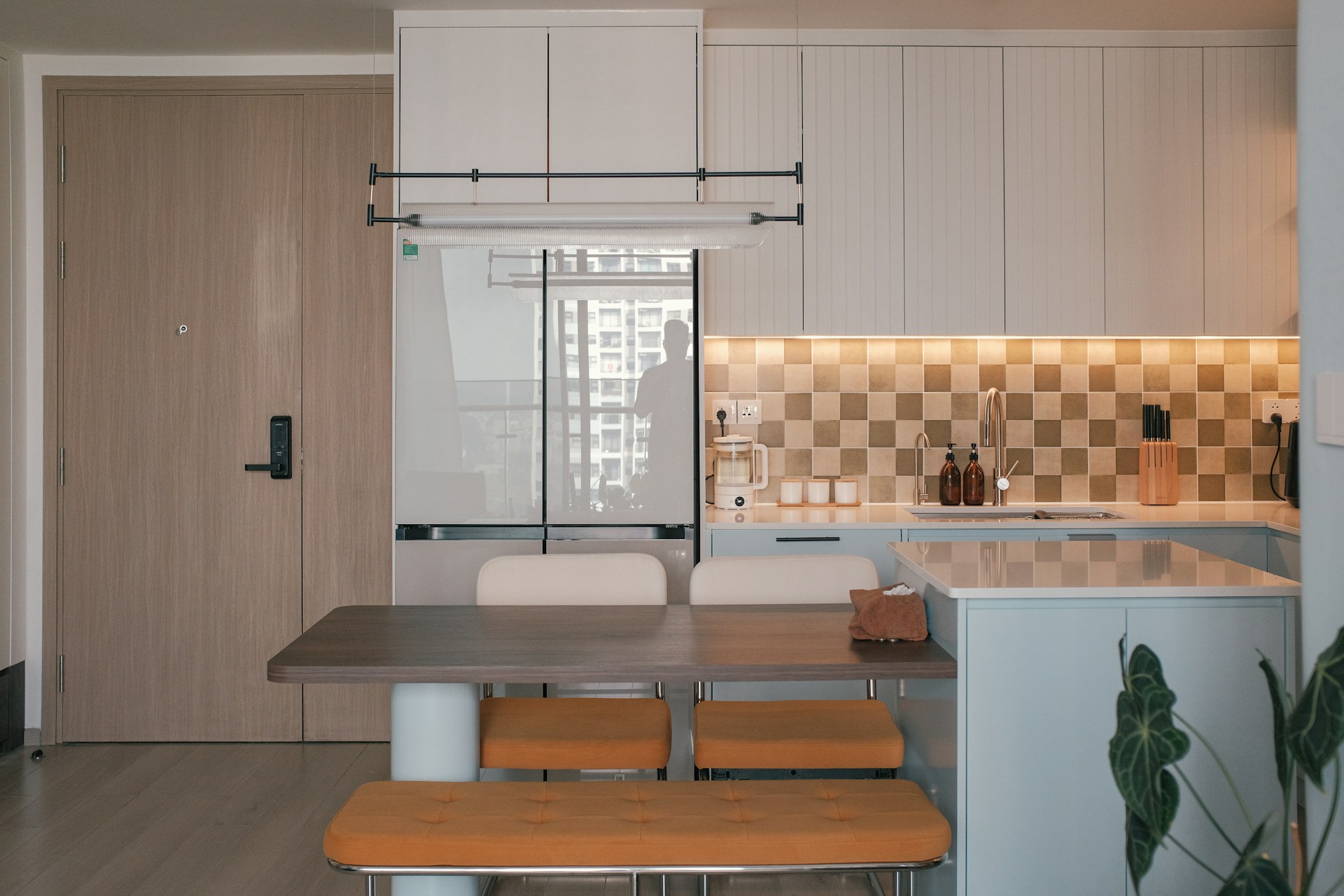
Planning a new kitchen can feel overwhelming fast. You’re juggling layout decisions, material choices, budgets, and timelines, all while trying to avoid mistakes that are expensive and hard to undo.
Kitchen construction is more than picking cabinets and countertops. At Jenkins Restoration and Remodel, we see homeowners struggle most with knowing where to start, how long things will take, and how to make smart choices that actually fit daily life.
This guide breaks kitchen construction down into clear, manageable steps. You’ll learn what the process involves, how to plan with confidence, and how to move forward without unnecessary stress or surprises.
What Is Kitchen Construction?
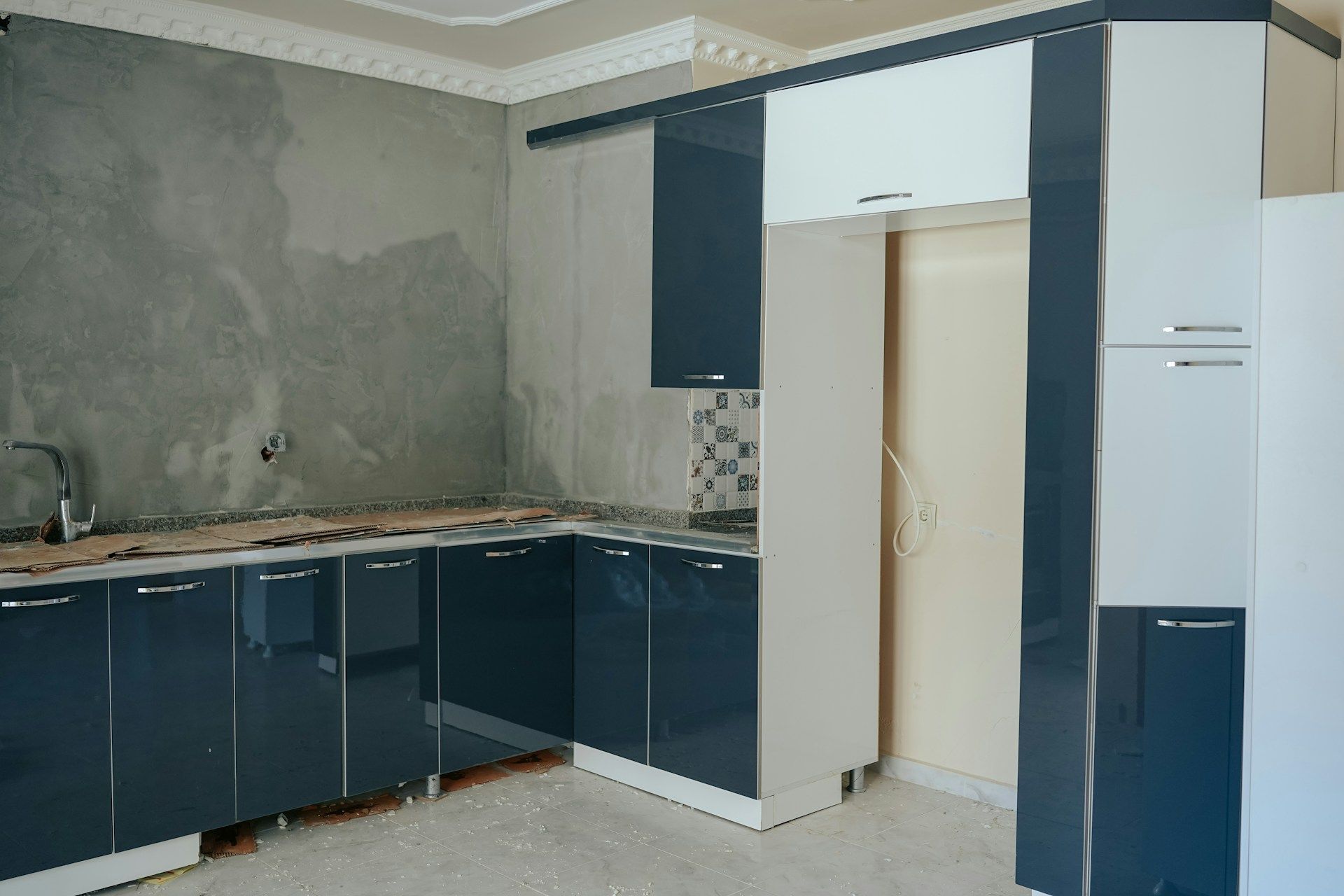
Kitchen construction means building or making big changes to the structure and layout of your kitchen. Sometimes that’s starting from scratch, but it can also mean knocking down walls, moving plumbing and electrical, or reworking the whole room.
During construction, you'll work with contractors for carpentry, electrical, plumbing, and flooring. You might need building permits, and all the work has to meet local codes. Most kitchen construction projects last several weeks to a few months, depending on how big the job is.
The kitchen is the heart of the home, so getting construction right means it’ll work for you for years. Costs swing widely depending on your choices, the size of the space, and how much you’re changing structurally.
Kitchen Remodeling vs. Kitchen Renovation
Remodeling a kitchen usually means updating how it looks and works, but not making major structural changes. Think swapping cabinets or counters, maybe new appliances, while keeping the general layout.
Renovation is more intense. You might be tearing down walls, moving plumbing, or even expanding the kitchen into another room. This route needs permits and typically costs more.
The main thing is scope. Remodeling is a refresh, renovation is a transformation. Your budget, timeline, and how much change you want will steer your choice.
Planning Your Kitchen Construction
Good planning is everything for a successful kitchen project. If you set a clear budget, know your design direction, and have a realistic timeline, you’ll avoid costly mistakes and endless delays.
Establishing a Budget
Figure out how much you can spend before making any big decisions. Look at your savings, credit, and any financing options to set a realistic total budget.
Costs vary widely. A basic remodel might start at $15,000, but a high-end project can exceed $75,000.
Breaking your budget into categories helps you avoid overspending:
- Cabinets and hardware: 30–40%
- Labor and installation: 20–35%
- Appliances: 15–20%
- Countertops: 10–15%
- Flooring: 5–10%
- Lighting and fixtures: 5–8%
Always save 10–20% for surprises. Once you start, you might find plumbing issues, electrical problems, or hidden concerns inside the walls.
Design Inspiration and Trends
Spend time browsing kitchen photos, visiting showrooms, and saving images you like. This makes it easier to explain your vision to a designer or contractor.
Open shelving, two-tone cabinets, and large kitchen islands are popular right now. Still, pick features that fit your actual needs, not just what’s trending.
Your kitchen should match how you cook. Think about the work triangle and arrange your sink, stove, and fridge for easy movement. Storage solutions like pull-out drawers, lazy Susans, and organized pantries can make daily use much easier.
Timeline and Project Scheduling
Most kitchen construction takes 6 to 12 weeks. Smaller jobs may finish in 3 to 4 weeks, while major renovations can stretch to 16 weeks or more.
There are a few phases: planning and design (2 to 4 weeks), ordering materials (4 to 8 weeks), and construction (4 to 8 weeks). Project complexity directly affects timing.
Pick a time that works for your family. Spring and summer are popular since outdoor cooking is easier. Remember, you won’t have a working kitchen for a while, so plan ahead for meals.
Key Considerations in Kitchen Construction
Building a kitchen isn’t just about looks. Layout, materials, and electrical planning affect how the space works long term.
Workflow and Layout Design
The work triangle connects your sink, stove, and fridge. Ideally, the triangle should total 12 to 26 feet, with each side between 4 and 9 feet. This keeps movement efficient and comfortable.
Main walkways should be at least 42 inches wide. Work aisles need a minimum of 36 inches. If more than one person cooks, wider aisles around 48 inches are more comfortable.
Counter space is critical. Plan for at least 15 inches next to your fridge. Around the cooktop, allow 12 to 18 inches on one side and 15 to 24 inches on the other.
Choosing the Right Materials
Your flooring handles heavy use, including foot traffic, spills, and dropped pans. Porcelain tile resists water well, while luxury vinyl is softer and more budget-friendly. Hardwood adds warmth but needs extra care.
Counters see constant use. Quartz resists stains and scratches without sealing. Granite looks great but needs regular maintenance. Butcher block works well for prep but cannot handle heat or standing water.
Cabinet material affects cost and durability. Solid wood lasts decades but costs more. Plywood with veneer offers a strong mid-range option. Particleboard with laminate costs less but struggles in humid environments.
Lighting and Electrical Planning
Plan for three types of lighting: ambient lighting for general use, task lighting for counters and sinks, and accent lighting to highlight features.
Install outlets every 4 feet along counters. Keep them at least 12 inches above the counter and away from water sources. GFCI outlets are required near sinks for safety.
Plan appliances early. Refrigerators need dedicated 20-amp circuits. Electric ranges require 240 volts and 40 to 50 amps. Dishwashers and disposals need their own circuits.
Structural and Layout Decisions
Your kitchen layout affects movement, storage, and appliance placement. Structural changes may be required depending on your goals.
Open Concept vs. Closed Kitchen
Open concept kitchens remove walls between cooking and living areas. They provide better sightlines, more light, and easier interaction when entertaining.
Closed kitchens separate cooking from other spaces. They help contain noise and odors and provide more wall space for cabinets and appliances. Open layouts often cost more since removing load-bearing walls requires structural support.
Wall Placement and Removal
Before removing a wall, confirm whether it is load-bearing. Load-bearing walls require professional evaluation and support beams, which can cost $1,500 to $10,000 depending on the span.
Non-load-bearing walls are easier to remove but still require permits and repairs to floors and ceilings. Adding walls can create pantry areas, prep zones, or additional storage locations.
Maximizing Storage Space
Floor-to-ceiling cabinets provide 30 to 40% more storage than standard designs. Corner cabinets benefit from lazy Susans or pull-out shelves.
Islands work well for deep drawers that hold pots and pans. Pull-out base drawers improve accessibility compared to fixed shelves.
Use the space above the refrigerator for rarely used items. Leave at least 18 inches between counters and upper cabinets. If space allows, a pantry that is 24 inches wide adds significant storage.
Selecting Kitchen Fixtures and Appliances
Choose appliances before finalizing cabinet layouts to avoid costly changes later.
Cabinetry Styles and Options
Cabinets account for about 40% of a kitchen budget. Stock cabinets cost less but come in fixed sizes. Semi-custom cabinets offer flexibility at a mid-range price. Custom cabinets allow full design freedom but require more time and money.
Frameless cabinets provide a modern look and slightly more storage. Face-frame cabinets offer a traditional appearance and added durability.
Door styles include Shaker, flat-panel, raised-panel, and louvered. Painted cabinets suit many styles but show wear more easily. Stained wood hides scratches and highlights natural grain.
Countertop Materials
Granite is durable and unique but needs sealing. Quartz offers similar looks with lower maintenance. Butcher block adds warmth but needs regular oiling.
Laminate is budget-friendly and available in modern designs. Concrete allows custom shapes but may crack if not installed properly. Solid surface materials resist stains but scratch more easily than stone.
Selecting Appliances
Measure carefully, including door swings and ventilation needs. Standard widths are typically 30 inches for ranges and 36 inches for refrigerators.
Panel-ready appliances blend seamlessly with cabinetry. Gas ranges offer fast heating, while electric models cost less to install. Induction cooktops are efficient but require compatible cookware.
Ventilation should move at least 300 CFM, or more for high-powered ranges. Appliance placement should support the work triangle.
Plumbing and Electrical Considerations
Plumbing and electrical systems must meet code and support daily use safely.
Water Line Installation
Plan water lines based on sink, dishwasher, and refrigerator placement. Use approved copper or PEX tubing.
Install shut-off valves under sinks for easy maintenance. Island sinks require careful routing through floors. Dishwashers connect to hot water lines and drain through the sink system. Refrigerators with ice makers need a dedicated cold water line and accessible shut-off valve.
Electrical Outlets and Wiring
Kitchens require multiple dedicated circuits. Install at least two 20-amp countertop circuits, plus separate circuits for major appliances. Countertop outlets must have GFCI protection. Install them every four feet for convenience.
Electric ranges require 240-volt circuits. Built-in ovens and cooktops need individual circuits. Plan under-cabinet lighting wiring during rough-in.
Ventilation and Exhaust Systems
Range hoods remove smoke, heat, and moisture. Ducted systems that vent outdoors perform best.
Keep ductwork short and straight with at least a six-inch diameter. Mount hoods 24 to 30 inches above gas cooktops or 18 to 24 inches above electric ones. Some systems require make-up air when airflow exceeds 400 CFM.
Flooring and Finishes
Kitchen floors and walls must handle moisture, traffic, and cleaning while maintaining appearance.
Tile, Wood, or Laminate Flooring
Tile resists water and is easy to clean. Wood adds warmth but needs maintenance. Engineered wood handles moisture better than solid hardwood. Laminate is affordable and scratch-resistant but cannot be refinished.
Paint and Wall Treatments
Use satin or semi-gloss paint for easy cleaning. Light colors expand small spaces, while darker tones add warmth. Backsplashes protect walls and add visual interest. Tile remains the most common option, but glass, stainless steel, and beadboard are also effective.
Sustainability in Kitchen Construction
Sustainable kitchens improve indoor air quality and reduce long-term costs.
Eco-Friendly Materials
Bamboo, reclaimed wood, recycled glass countertops, cork flooring, FSC-certified wood, and low-VOC finishes reduce environmental impact. Recycled metals and natural linoleum offer durable, eco-conscious options.
Energy-Efficient Appliances
ENERGY STAR appliances use less electricity and water. Induction cooktops reduce heat loss. Modern dishwashers often outperform hand-washing. LED lighting uses significantly less energy and lasts longer. Dimmer switches improve efficiency further.
Hiring Kitchen Construction Professionals
Choosing the right professionals protects your investment.
Choosing Licensed Contractors
Verify licensing, insurance, and references. Request written estimates with clear timelines and scopes. Specialists in kitchen construction understand code requirements for plumbing, electrical, and ventilation.
Working With Kitchen Designers
Designers help optimize layout, storage, and workflow. Many provide drawings or 3D renderings to visualize the finished space. Clear communication between designers and contractors helps control costs and avoid misunderstandings.
Permits and Inspections
Most projects require permits. Inspections typically cover framing, plumbing, electrical, and final approval. Skipping permits can create issues during resale or insurance claims.
Final Steps and Project Completion
The final phase focuses on inspections, cleanup, and move-in readiness.
Quality Checks Before Handover
Test appliances, faucets, outlets, and lighting. Inspect cabinets, countertops, flooring, and tile.
Document remaining issues and set timelines for corrections before final payment.
Cleaning and Move-In Preparation
Professional cleaning removes dust and debris. Cabinets, appliances, floors, fixtures, and vents should be cleaned thoroughly. Organize slowly and keep cleaning supplies handy during the first few weeks.
Planning Kitchen Construction With Confidence
Kitchen construction feels stressful because so many decisions affect one space. Poor planning can lead to lasting frustration.
Working with Jenkins Restoration and Remodel provides guidance from early planning through final walkthrough, ensuring your kitchen functions as well as it looks. If you’re unsure about next steps, help is available. Get in touch to schedule a consultation and move forward with clarity and confidence.
Frequently Asked QuestionsHow early should I start planning kitchen construction?
You should start planning kitchen construction several months before you want work to begin. Design decisions, budgeting, contractor scheduling, and material lead times all take longer than most homeowners expect. Early planning gives you more flexibility and helps prevent rushed decisions that can lead to regret.
Do I need permits for kitchen construction?
Most kitchen construction projects require permits, especially if you’re moving walls, changing plumbing, upgrading electrical systems, or installing new appliances. Permits ensure the work meets local building codes and safety standards. Skipping permits can create problems during inspections, resale, or insurance claims.
Can I live in my home during kitchen construction?
In most cases, yes—but it requires planning. You may be without a functioning kitchen for several weeks, so many homeowners set up a temporary cooking area with a microwave, toaster oven, or slow cooker. Expect noise, dust, and limited access during certain phases of construction.
What causes delays in kitchen construction projects?
Delays often come from material backorders, permit approvals, hidden issues inside walls, or late design changes. Custom cabinets and specialty finishes are common schedule drivers. Building extra time into your plan helps reduce stress if something takes longer than expected.
How much flexibility should I leave in my budget?
It’s smart to reserve 10–20% of your total budget for unexpected issues. Older homes may reveal plumbing or electrical problems once walls are opened. A contingency fund helps you handle surprises without compromising key parts of your kitchen construction plan.
Is it better to choose appliances before or after cabinet design?
Appliances should be selected early. Their sizes, ventilation needs, and electrical requirements affect cabinet layout and spacing. Choosing appliances late can lead to costly cabinet modifications or layout changes.
What layout mistakes do homeowners regret most?
Common regrets include not enough counter space, cramped walkways, poor lighting, and insufficient storage. Ignoring workflow—especially the relationship between the sink, stove, and refrigerator—often leads to frustration once the kitchen is in daily use.
How do I know if my kitchen construction plan fits my lifestyle?
Think about how you actually use your kitchen day to day. Consider how often you cook, whether multiple people use the space at once, and how much storage you need. A good kitchen construction plan supports your routines, not just design trends.
What should I inspect before final project sign-off?
Before signing off, test appliances, faucets, outlets, and lighting. Open every cabinet and drawer. Check countertops, flooring, and tile for defects. Make sure any remaining issues are documented and scheduled for correction before final payment.