
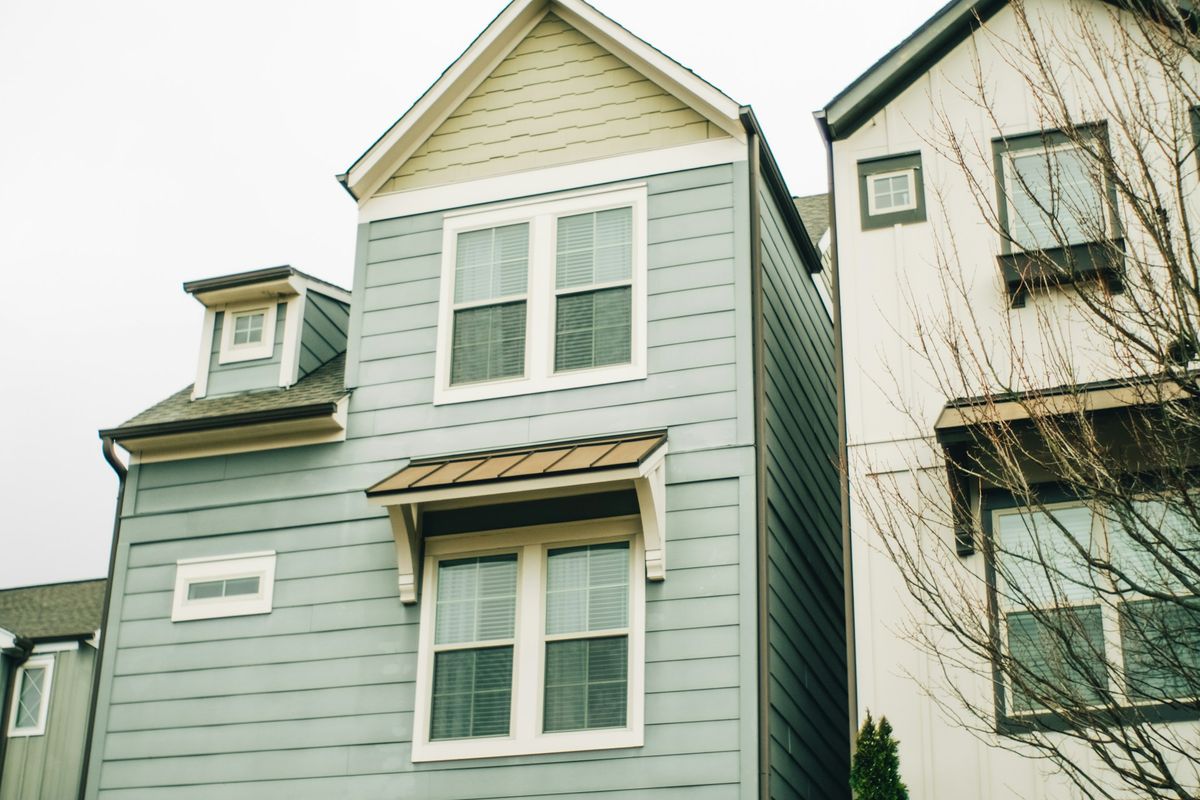
Dealing with worn, damaged, or outdated siding can be frustrating. You may worry about moisture getting in, rising maintenance, or your home not looking the way it should. Understanding the siding installation process helps you avoid costly mistakes and feel confident about your next step.
At Jenkins Restoration and Remodel, we work with homeowners every day who want clear answers, not pressure. Whether you’re planning a full replacement or weighing repair options, knowing what to expect makes the decision easier and less stressful.
This guide breaks down siding installation in plain language. You’ll learn about materials, preparation, installation steps, and long-term care, so you can move forward with a plan that protects your home and fits your goals.
Types Of Siding Materials
Different siding materials each bring their own perks: cost, durability, looks, you name it. Your choice depends on your budget, climate, and how much maintenance you’re willing to put up with.
Vinyl Siding
Vinyl siding is everywhere in America, covering about 30 percent of homes. It runs around $3 to $8 per square foot, so it’s usually the cheapest option.
You don’t need to paint or stain vinyl siding. It shrugs off moisture and won’t rot or warp like natural stuff. Tons of colors and styles are out there, including faux wood looks.
Key Benefits
Pretty low maintenance
Bugs and rot aren’t a problem
Loads of colors and textures
Not too tricky to install
Vinyl can last anywhere from 20 to 40 years, give or take. It might crack in super cold weather and fade if it’s in direct sun all day. Just wash it with soap and water once or twice a year.
Fiber Cement Siding
Fiber cement blends wood fibers, cement, and sand for a tough, long-lasting material. Installed, it costs $5 to $12 per square foot.
This stuff can mimic wood, stucco, or masonry. It holds paint well and won’t burn, rot, or attract termites. It handles nasty weather better than vinyl or wood.
You’ll need to repaint fiber cement every 10 to 15 years. It’s heavy and needs special tools, so most folks hire a pro. It can chip or crack if you hit it hard, which is a bit of a downside.
Maintenance Requirements
Repaint every decade or so
Check caulking yearly
Watch for chips or cracks
Take care of fiber cement, and it might last 50 years or more.
Wood Siding
Wood siding brings a classic, natural vibe that a lot of people love. It costs $6 to $12 per square foot for cedar, redwood, or pine.
Real wood looks sharp and offers traditional curb appeal. Paint or stain it any color you want. It’s also a decent insulator, which might help your energy bill.
But wood needs regular upkeep to avoid rot, bugs, and warping. Plan on repainting or restaining every 3 to 7 years. It’s pricier than vinyl and takes longer to install.
Common Wood Types
Cedar (holds up against rot)
Redwood (great color, super durable)
Pine (cheaper, needs more TLC)
With decent care, wood siding sticks around for 20 to 40 years.
Metal Siding
Metal siding comes in aluminum and steel. Aluminum costs $3 to $6 per square foot; steel is $4 to $8.
Metal doesn’t burn, rot, or attract pests. It handles rough weather and barely needs maintenance. Steel is tougher than aluminum but will rust if scratched.
You can get metal siding in all kinds of colors and styles. It reflects heat, which can help with summer cooling costs. Metal can dent from hail or hard knocks, and sometimes it’s noisy in the rain.
Depending on the type, metal siding can last 40 to 70 years. Repainting isn’t needed much, but you should touch up scratches on steel to stop rust.
Preparing For Siding Installation
Getting ready for new siding takes some planning, the right gear, and good measurements. Prepping well keeps things running smoothly and helps avoid headaches later.
Project Planning
First, decide which siding material fits your house and wallet. Common picks are vinyl, fiber cement, wood, and metal, each with its own price and upkeep.
Check with your local building department about permits. Lots of places require them for siding jobs, and it’s best to get that sorted before you start.
Figure out your project timeline. Most siding installation jobs take one to two weeks, depending on your home’s size and the weather. Think about where workers will park and where you’ll stash materials.
Clear the space around your house. Move furniture, grills, plants, and decorations at least 10 feet away from the walls. Workers need safe, open access. Trim back any trees or bushes that are up against your house. It’s just easier for everyone.
Tools And Safety Gear
If you’re tackling this yourself, you’ll need some tools. Grab a circular saw, utility knife, level, chalk line, and tape measure for cutting and placing siding.
You’ll also want a hammer or nail gun, tin snips for metal, and a pry bar for removing old siding. Make sure your ladder is tall enough for the highest spots.
Safety-wise, wear safety glasses for your eyes and gloves for your hands. A hard hat is smart if you’re working below others or pulling off old siding.
Don’t forget sturdy boots with some grip.
Measuring The Exterior
Accurate measurements save you from last-minute runs to the store. Measure the height and width of each wall in feet, and multiply to get square footage.
Add up all the walls for your total exterior area. Subtract window and door areas. They don’t need siding.
Add about 10% extra to your total. Mistakes and odd cuts happen, so it’s better to have too much than not enough. Measure each window and door, too. You’ll need trim pieces that fit just right for a clean look.
Step-By-Step Siding Installation Process
Installing new siding takes careful prep and attention at every step. The process means removing old materials, fixing any wall damage, adding weather protection, and finally, locking in new siding panels.
Removing Old Siding
Start by taking off the old siding from the top down. Use a pry bar and hammer to pull out nails and fasteners.
Go slow so you don’t wreck the wall underneath. Some siding comes off in big chunks; other spots need more effort.
Watch for any damaged sheathing or framing as you go. Hang on to any trim that’s still in good shape. You might reuse it or use it as a template. Toss old siding according to local rules.
Wall Inspection And Repairs
Once the old siding’s gone, check every inch of your exposed walls. Look for rot, water damage, mold, or any structural problems. Replace damaged sheathing boards completely. Patch jobs just cause trouble later.
Make sure wall studs are solid and spaced right. Fill gaps or cracks with the right materials. If your insulation looks squashed or rough, now’s the time to upgrade it.
Installing The Weather Barrier
Your weather barrier keeps out moisture and drafts. Roll out house wrap or felt paper over the whole wall, starting at the bottom and overlapping each row by at least 6 inches.
Attach the barrier with cap nails or staples and make sure it’s smooth. Around windows and doors, slap on flashing tape to block water.
Wrap the barrier around corners for full coverage. Overlap seams so water always runs down and away from your house.
Attaching The Siding Panels
Kick things off by installing a starter strip along the bottom edge of your wall. Get it perfectly level. Chalk lines and a level will help.
Lock each panel into place following your siding’s instructions. For vinyl, leave a bit of wiggle room for expansion. Don’t hammer nails too tightly. Keep checking that each row is level before moving up.
Use J-channels around windows, doors, and corners for clean edges and drainage. Overlap horizontal seams by at least an inch and stagger them between rows.
Finishing Touches And Details
After the main panels are up, it’s time to protect your investment and give your place some curb appeal. These last steps seal things up and make everything look sharp.
Sealing And Caulking
Caulking keeps water out of all the trouble spots. Apply caulk around windows, doors, and corners where siding meets. Fill any gaps between siding and trim, too.
Pick a caulk that suits your climate. Silicone-based is great for temperature swings, while acrylic latex is easier to paint. Make sure it’s exterior-grade and flexible. Look for smooth, even caulk lines, not lumpy or thin ones. Good caulking keeps out water, mold, and drafts.
Trims And Edges
Trim pieces finish off the edges around windows, doors, corners, and rooflines. These include J-channels, corner posts, and fascia boards. Measure and cut each piece to fit just right.
Trim should sit flush against both the siding and whatever it’s covering. Gaps or loose pieces let in water and bugs. Corners need extra care since they’re exposed and visible from a bunch of angles. Some folks like trim colors that pop against their siding; others go for a smooth, matching look.
Painting Or Staining
Most vinyl and fiber cement siding comes pre-colored, so you can skip painting. Wood siding definitely needs paint or stain to keep out moisture and sun damage. Put on at least two coats of exterior paint or solid stain.
Stain lets the wood grain show, while paint gives a solid color and a bit more protection. Either way, plan to redo it every 5-7 years, depending on your climate.
If you’re painting trim, let the caulk dry first. Fresh paint sticks better and lasts longer on a prepped surface.
Maintenance And Longevity
How long your siding lasts depends on the material and how well you take care of it. Some materials are tougher than others, so set your expectations accordingly.
Expected Lifespans By Material
Vinyl siding: 20-40 years
Fiber cement: 30-50 years
Wood siding: 20-30 years
Brick: 100+ years
Metal siding: 40-70 years
Stucco: 50-80 years
Regular upkeep is what gets you those numbers. Wash your siding at least once a year to clear off dirt, mold, and mildew.
For most types, a garden hose and soft brush do the trick. Use a mild soap for tough spots, but go easy on the pressure washer. Too much force can do more harm than good.
Essential Maintenance Tasks
Check for cracks, warping, or loose panels twice a year
Trim trees and bushes to keep moisture away
Inspect caulking around windows and doors yearly
Fix damaged sections quickly
Repaint or reseal wood siding every 3-5 years
Getting the install right in the first place makes a huge difference. Even top-notch materials won’t last if they’re put on wrong or lack ventilation and weatherproofing.
Your local climate matters too. Harsh winters, muggy summers, or blazing sun can wear out some materials faster. Pick siding that fits your area’s weather for the best shot at a long life.
Confidence Starts With The Right Siding Plan
Siding problems can create real stress, from moisture concerns to ongoing maintenance and a home exterior that no longer feels right. A clear, well-planned siding installation helps protect your home and removes the guesswork from the process.
Jenkins Restoration and Remodel provides steady guidance, quality workmanship, and end-to-end support so your siding project feels manageable from start to finish. The goal is a durable exterior that looks good and performs well for years.
If you’re ready to move forward or need help deciding your next step, contact us to schedule a consultation and get clear, honest direction for your home.
Frequently Asked QuestionsHow Do I Know If My Home Needs New Siding?
Signs you may need siding installation include cracked or warped panels, frequent repainting, moisture stains inside the home, or rising energy bills. Faded or outdated siding can also signal it’s time to consider replacement, especially if maintenance feels constant.
How Long Does Siding Installation Usually Take?
Most siding installation projects take one to two weeks. The timeline depends on your home’s size, the siding material, weather conditions, and whether repairs are needed beneath the old siding.
Can I Install Siding Myself, Or Should I Hire A Professional?
Some homeowners handle siding installation on their own, especially vinyl siding on smaller homes. However, professional installation is often the safer choice for heavier materials, multi-story homes, or projects that involve structural repairs or moisture protection.
Does New Siding Improve Energy Efficiency?
Yes, siding installation can improve energy efficiency, especially when paired with proper insulation and a weather barrier. New siding helps reduce drafts, manage moisture, and keep indoor temperatures more consistent.
Do I Need A Permit For Siding Installation?
In many areas, permits are required for siding installation. Local building departments set these rules to ensure work meets safety and code standards, so it’s best to check before starting.
How Much Maintenance Will New Siding Require?
Maintenance depends on the material. Vinyl and metal siding need minimal upkeep, while wood siding requires regular painting or staining. Regardless of type, annual cleaning and routine inspections help extend the life of your siding.
What Should I Look For In A Siding Installation Estimate?
A solid estimate should clearly list material costs, labor, removal of old siding, repairs, and weather protection. Make sure it explains what’s included so there are no surprises later.
Will New Siding Increase Home Value?
Properly installed siding can improve curb appeal and resale value. Buyers often see new siding as a sign the home has been well-maintained, especially when it improves durability and energy performance.