
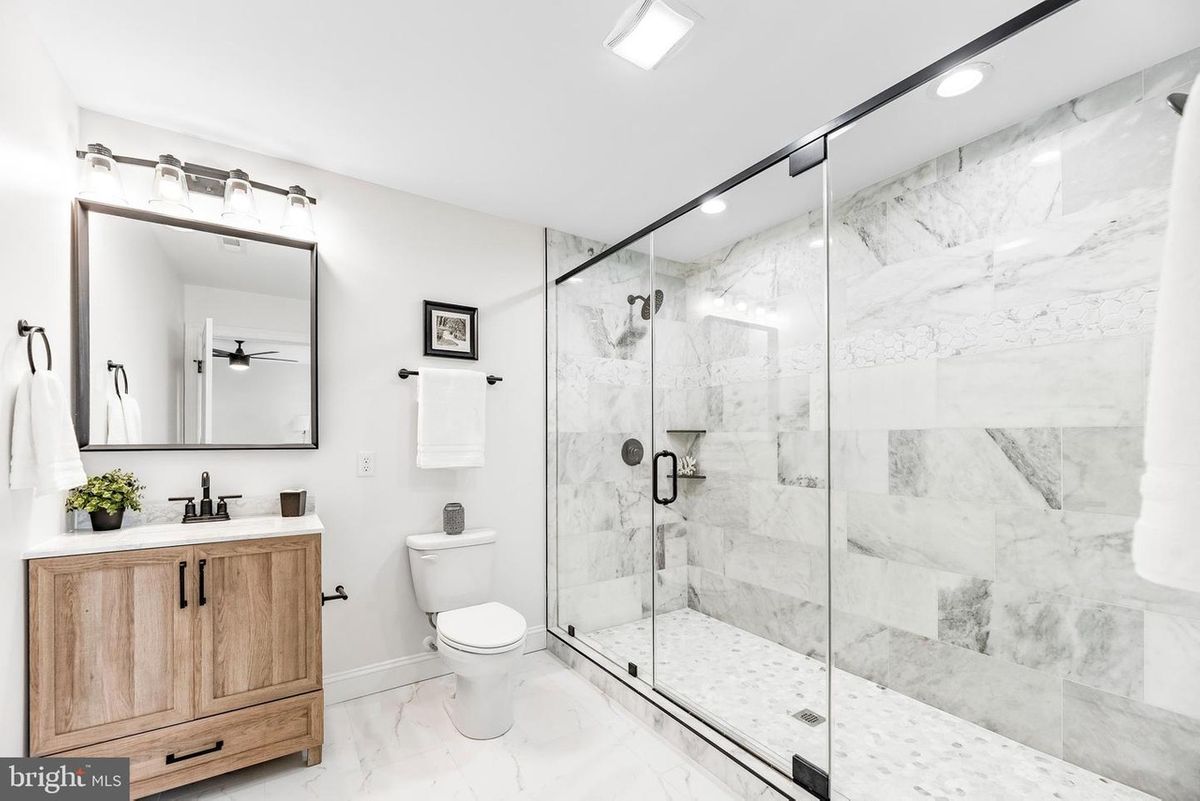
A bathroom renovation can feel overwhelming, especially when the space you rely on every day is outdated, cramped, or just not working for your needs. Between budgeting, design choices, and figuring out who to trust, it’s easy to feel stuck before you even start.
Jenkins Restoration and Remodel works with homeowners across Southern Maryland who want a bathroom renovation that feels manageable, not stressful. With clear guidance, practical planning, and support through design and construction decisions, the process becomes far less intimidating.
In this guide, you’ll find straightforward ideas and tips to help you plan your bathroom renovation, make smart upgrades, and avoid common mistakes so you can move forward with confidence.
Planning Your Bathroom Renovation
Solid planning is where every successful bathroom renovation starts. Before you pick up a hammer, set a realistic budget, decide what matters most, gather inspiration, and figure out a timeline that won't drive you crazy.
Setting A Renovation Budget
Your budget shapes every choice you make, so get clear on it from the start. Research what materials and labor costs in your area. A basic remodel usually lands between $6,000 and $15,000. Mid-range projects can hit $15,000 to $30,000, and high-end ones? Over $30,000, easily.
Break down your budget. Set aside funds for fixtures like toilets, sinks, and tubs. Don't forget flooring, wall treatments, lighting, and ventilation. And yes, you’ll need to budget for pros, such as plumbers, electricians, and contractors.
Always add a 10–20% contingency fund. Unexpected stuff pops up: water damage, ancient plumbing, electrical surprises. Trust me, you’ll be glad you planned for it.
Assessing Your Needs And Priorities
Take a hard look at your current bathroom. Does water always pool on the floor? Is storage a constant battle? Do you bump elbows with your partner in the mornings?
Make a list of what you love and what you just can’t stand. Maybe the tub is fine, but the vanity needs to go. Rank your must-haves and your nice-to-haves.
Think about who uses the space. A family bathroom has different needs than a master ensuite. If you’re planning to age in place, consider walk-in showers, grab bars, or wider doors. A little planning now can save a lot of hassle later in your bathroom renovation.
Gathering Design Inspiration
Start collecting bathroom looks you love. Scroll through home improvement sites, flip through magazines, or get lost in social media feeds. Save photos of tile patterns, cabinet styles, or color combos that catch your eye.
Visit showrooms if you can. There’s something about seeing materials and fixtures in person: touching countertop samples, checking out tile under real lighting, and trying faucet handles. Photos don’t always tell the full story.
Notice what draws you in. Is it the color? The layout? Or just the way the light hits the room? Knowing what you like makes it way easier to explain your vision to a contractor or designer.
Timeline And Project Scope
Most bathroom renovations take three to six weeks, but it really depends. Swapping out fixtures and a fresh coat of paint? Maybe just a week or two. Full gut jobs with new plumbing? Could be eight weeks or more.
Cosmetic updates go faster than structural changes, obviously. Moving plumbing or electrical means permits and inspections, which add time.
Think about your daily routine. If there’s only one bathroom, you’ll need a plan for where everyone showers. Some people do the work in phases to keep a bathroom usable. Others just want it done, disruption be damned.
Get a few quotes from contractors and check their schedules. Good ones can be booked out weeks or even months. Also, special-order materials like custom cabinets or unique tile can take a while to arrive.
Choosing Bathroom Layouts And Fixtures
The layout and fixtures you pick determine how your bathroom feels and functions every day. The arrangement of your toilet, sink, and shower matters for both comfort and resale value.
Selecting An Efficient Layout
Measure your bathroom and figure out where the plumbing runs now. Keeping things in the same spot saves money; moving pipes gets pricey fast.
A three-quarter bath (toilet, sink, shower) works great for guests. A full bath adds a tub, which is handy for families with kids. The cheapest layouts put everything along one wall.
Make sure you leave enough space for each fixture. You’ll want at least 30 inches in front of the toilet and 21 inches in front of the sink. Plan for 30 inches of standing room in front of the shower or tub.
Who uses the bathroom the most? A master bath might need a double vanity, but a powder room only needs a small sink and toilet. Plan storage early; adding cabinets later is a lot more expensive.
Types Of Fixtures And Fittings
Fixture choices affect water use, cleaning, and daily life. Toilets come in standard (15-inch) and comfort height (17–19-inch) models. Dual-flush toilets save water and are pretty common now.
Faucets range from basic chrome to fancier finishes like oil-rubbed bronze. Single-handle faucets are easy to use, while two-handle ones let you fine-tune the temperature. WaterSense-labeled products use about 20% less water, which is good for your wallet and the planet.
Lighting makes a big difference. Place lights on both sides of the mirror to avoid weird shadows. Install an exhaust fan rated for your bathroom’s size to keep mold and moisture at bay.
Try to match fixture finishes for a cohesive look. Mixing two complementary metals can look intentional, but more than that starts to feel cluttered.
Shower, Tub, And Vanity Options
Shower choices range from prefab units starting around $300 to custom tile showers that kick off at $2,000. Walk-in showers with no curb are great for aging in place and look sleek. Standard sizes start at 32x32 inches, but if you can swing 36x36, it feels way less cramped.
Bathtubs come in three main styles: alcove (enclosed on three sides, budget-friendly), freestanding (a statement, but needs more room), and drop-in (installed in a deck). Alcove tubs are usually the cheapest and fit small bathrooms best.
Vanities offer storage and counter space. Wall-mounted vanities open up the floor visually and make cleaning easier. Standard widths are 30–36 inches for single sinks and 60–72 inches for doubles. Most vanities are 32 inches high, but 36-inch ones are more ergonomic for adults.
Pick vanity materials that can handle humidity. Solid wood needs to be sealed well, while plywood with a waterproof veneer stands up better than particleboard. Stone countertops like granite hold up to water better than laminate.
Upgrading Materials And Finishes
Your choices in materials make or break how your bathroom stands up to moisture and daily wear. Smart picks for floors, countertops, and paint keep the space looking good and working well for years.
Flooring And Wall Tile Choices
Porcelain tile is the gold standard for bathroom floors. It resists water and stands up to heavy use. Plus, you’ll find it in countless styles; some even mimic wood or stone.
Ceramic tile is a bit cheaper and still works well for floors and walls. Large-format tiles mean fewer grout lines, which translates to easier cleaning and fewer places for mold to hide.
Popular wall tile options include:
Subway tiles: Timeless and versatile
Mosaic tiles: Perfect for accents or shower niches
Natural stone: Gorgeous but needs more maintenance
Skip laminate or regular hardwood for bathroom floors. They just don’t hold up to moisture.
Countertop Materials
Quartz countertops are tough, stain-resistant, and don’t need sealing. Tons of colors and patterns make it easy to match your style. Quartz handles bathroom humidity better than most materials.
Granite brings natural beauty and is similarly durable, though you’ll need to seal it every year or two. Both granite and quartz can last for decades with minimal care.
On a tight budget? Solid surface materials like Corian are a solid pick. They’re moisture-resistant and can be repaired if scratched. Tile countertops, though, are a pain; grout lines get grimy fast.
Moisture-Resistant Paints And Finishes
Semi-gloss or gloss paints work best for bathroom walls. They repel moisture and wipe clean easily, plus the subtle shine bounces light around, making small spaces feel bigger.
Look for paints marked “bathroom” or “kitchen and bath.” They’ve got mildew-resistant additives to help keep mold at bay. Two coats give you the best coverage and protection.
For ceilings, use flat or satin paint with mold inhibitors. Good ventilation helps any paint job last longer in a bathroom renovation.
Incorporating Modern Bathroom Features
Modern bathroom features blend style and function, making your daily routine smoother and more enjoyable. These days, upgrades focus on smart tech, clever storage, and making the space accessible for everyone.
Smart Technology For Bathrooms
Smart tech can make your bathroom surprisingly efficient. Digital shower controls let you set the perfect temperature and pressure before you even step in. Some systems remember each family member’s preferences.
Voice-activated mirrors exist. You can check the weather or your calendar while brushing your teeth. Motion-sensor faucets help save water and keep things more hygienic.
Smart toilets are getting wild: think heated seats, automatic lids, and built-in bidets. Some even clean themselves or play music. Not everyone needs these bells and whistles, but they’re out there. LED lighting with dimmers lets you set the mood. Crank up the brightness for morning routines, or dial it down for a relaxing soak at night.
Space-Saving Storage Solutions
Wall-mounted vanities open up the floor and make small bathrooms feel bigger. Plus, cleaning underneath is a breeze.
Built-in shower niches keep shampoo and soap handy without cluttering up the space. Recessed medicine cabinets sit flush with the wall, giving you storage without sticking out.
Floating shelves above the toilet or next to the sink add spots for towels or decor. Pull-out organizers inside cabinets help you use every inch efficiently.
Corner shelving units make use of awkward spaces. Slim rolling carts can slide between the toilet and the wall for extra storage in a pinch.
Accessibility Upgrades
Curbless showers remove the step-over ledge, making entry safer and easier. They also give the bathroom a more open, modern look.
Install grab bars near the toilet and in the shower for extra stability. These days, grab bars come in finishes that actually look good, like brushed nickel or matte black.
Comfort-height toilets (a few inches taller than standard) make sitting and standing easier, especially for knees and backs that aren’t what they used to be. Non-slip tile flooring cuts the risk of falls in wet areas.
Lever-style faucet handles are easier to use than traditional knobs. Adjustable shower heads on a sliding bar work for people of all heights and abilities.
Hiring Professionals And Managing Renovation Projects
Getting the right team makes everything run smoother and helps you dodge expensive mistakes. Finding solid contractors, maybe working with a designer, and handling permits are all part of the process.
Finding The Right Contractor
Start by asking friends or family who they’ve used for bathroom work. Online reviews and local home improvement stores can also point you in the right direction.
Interview at least three contractors. Ask about their experience with bathrooms similar to yours. Get references and actually follow up; people are usually happy to share their experience.
Questions to ask:
How long have you been doing bathroom remodels?
Are you licensed and insured?
Will you handle permits?
What’s your typical timeline for a project like mine?
Do you use subcontractors or your own crew?
Check their credentials. Make sure they have the right license for your state and carry both liability and workers’ comp insurance. Always ask for proof.
Get detailed, written estimates. These should list materials, labor, and a timeline. Don’t just go for the lowest price; sometimes that means corners get cut or surprise costs pop up later.
Working With Designers
A bathroom designer can help you get the most out of your space and pick fixtures that work together. Some contractors have in-house designers; others work with independent folks.
Designers charge a flat fee, an hourly rate, or a percentage of the total project. Rates usually run $50 to $200 an hour, depending on experience and location.
Bring photos of bathrooms you like to your first meeting. Be clear about your must-haves and your budget.
Designers create plans with the new layout, help you choose materials, and provide specs for your contractor. Clear plans help everyone stay on the same page during a bathroom renovation.
Obtaining Permits And Approvals
Most bathroom renovations need permits from your city or county building department. You'll typically need permits for electrical work, plumbing changes, and structural modifications.
Your contractor should handle pulling permits. Still, you're ultimately responsible as the homeowner, so it's wise to double-check that permits are actually filed before work starts.
Working without proper permits can lead to fines and headaches later, especially if you try to sell your home down the line.
The building department sends inspectors at different stages of your project. Common inspection points include rough plumbing, electrical rough-in, and final completion.
Your contractor needs to schedule these inspections and make sure work passes before moving to the next phase. Permit costs vary a lot depending on where you live and your project scope.
Usually, you can expect to pay somewhere between $100 and $500 for a standard bathroom renovation.
A Bathroom Renovation That Feels Worth The Effort
A bathroom renovation doesn’t have to feel overwhelming or full of second-guessing. With clear priorities, a realistic budget, and thoughtful design choices, you can turn a frustrating space into one that actually works for your daily routine.
Jenkins Restoration and Remodel helps homeowners move through the renovation process with steady guidance, practical planning, and craftsmanship that holds up over time. The goal is a bathroom that feels comfortable, functional, and built around how you live.
If you’re ready to stop putting off changes and start feeling better about your space, get in touch to schedule a consultation and take the next step toward a smoother bathroom renovation.
Frequently Asked QuestionsHow Long Does A Bathroom Renovation Usually Take?
Most bathroom renovations take three to six weeks, depending on the scope of work. Simple updates like new fixtures and finishes move faster, while projects that involve plumbing, electrical changes, or layout adjustments take longer due to inspections and material lead times.
How Much Should I Budget For A Bathroom Renovation?
A bathroom renovation can range widely based on size and finishes. Cosmetic updates may fall in the $5,000 to $7,000 range, while full renovations typically land between $10,000 and $25,000. Higher-end projects with custom features can exceed that. Setting aside a contingency fund helps manage surprises.
What Upgrades Add The Most Value?
Layout improvements, modern fixtures, quality tile, and better lighting tend to deliver the most value. Walk-in showers, updated vanities with storage, and moisture-resistant materials are especially appealing to both homeowners and future buyers.
Can I Renovate A Bathroom Without Changing The Layout?
Yes. Keeping plumbing in the same location is one of the best ways to control costs. Many successful bathroom renovations focus on replacing fixtures, updating surfaces, and improving storage without moving major components.
Do I Need Permits For A Bathroom Renovation?
Permits are usually required when plumbing, electrical, or structural changes are involved. Even smaller projects may need approval depending on local regulations. It’s important to confirm permits are pulled and inspections are completed before moving forward.
What Are Common Mistakes Homeowners Make?
Underestimating costs, skipping ventilation upgrades, and choosing materials that don’t handle moisture well are common issues. Rushing decisions or starting without a clear plan can also lead to delays and frustration during the renovation.
Is A Bathroom Renovation Worth It If I’m Not Selling Soon?
Absolutely. A bathroom renovation improves daily comfort, functionality, and efficiency. Even if resale isn’t immediate, the long-term benefits of a well-designed bathroom often make the investment worthwhile.