.png)



A house fire can disrupt your life in minutes, leaving behind smoke, soot, and water damage that make your home feel unsafe and overwhelming. Many homeowners are unsure where to start or how to recover their property after such a stressful event.
That’s where Jenkins Restoration and Remodel helps homeowners across Southern Maryland navigate the recovery process. With experience in home fire and water damage restoration, our team provides clear guidance, careful cleanup, and the repairs needed to bring homes back to safe, livable conditions.
In this guide, you’ll learn what happens during the restoration process, what steps professionals take to repair damage, and how to move forward with confidence after a fire or water emergency.
How Fire And Water Damage Affect Your Home
Fire and water damage can occur separately, but in many situations, they happen together. Each type of damage affects the home differently and creates unique restoration challenges. Understanding the causes and impact of these issues can help homeowners respond quickly and minimize long-term property damage.
Common Causes Of Fire And Water Damage
Many residential fires begin with everyday household activities. Cooking accidents are among the most common causes, along with faulty wiring, overloaded electrical circuits, and heating equipment such as space heaters or furnaces. Candles, cigarettes, and appliances like dryers can also create fire risks if they are not properly maintained.
In some cases, natural events such as lightning strikes or nearby wildfires may cause structural fires. Water damage, on the other hand, typically results from plumbing failures or household equipment problems. Burst pipes during freezing weather, leaking roofs, overflowing toilets, and broken washing machine hoses are frequent sources of water intrusion.
Water heaters may also fail unexpectedly and release large amounts of water into surrounding rooms. When firefighters extinguish a house fire, the water used to control the flames often creates additional damage throughout the property. As a result, homeowners may face both fire and water damage at the same time, making home fire and water damage restoration more complex.
Types Of Damage Found In Homes
Fire damage extends far beyond visible burn marks. Soot can coat walls, ceilings, and surfaces with a stubborn black residue that stains materials and corrodes finishes. Smoke particles can travel throughout the home and settle into fabrics, carpets, and porous materials, leaving persistent odors behind.
Heat from flames can also affect the structure of the home. Wood framing may weaken, drywall may crack, and metal fixtures may warp due to high temperatures. Even areas of the house that were not directly touched by flames may still experience damage from heat and smoke.
Water damage presents different challenges. Standing water can soak into floors, drywall, insulation, and subfloors, allowing moisture to spread through structural materials. Over time, this moisture can cause wood rot, corrosion of metal components, and deterioration of building materials.
Mold growth can begin within 24 to 48 hours in damp environments. When fire and water damage occur together, the restoration process becomes even more complicated. Wet materials can trap soot and smoke particles, spreading contamination to areas that were never directly affected by the fire.
How Damage Impacts Property Value
Fire and water damage can significantly affect a home’s market value. Even after repairs are completed, many buyers view previously damaged homes as higher risk, which can lead to lower offers or longer listing times.
Structural damage is often the biggest concern for potential buyers. If fire weakened roof framing or water damaged floor systems, repairs may require extensive rebuilding. These issues can increase restoration costs and create uncertainty for future homeowners.
Insurance claims and damage records also become part of the home’s disclosure history. Sellers are typically required to report past damage to potential buyers, which can influence purchasing decisions.
However, proper home fire and water damage restoration can recover much of the property’s value. Acting quickly to repair damage prevents additional deterioration and demonstrates that the restoration process was handled responsibly. Keeping detailed documentation of restoration work also helps reassure future buyers that repairs were completed correctly.
Assessment And Emergency Response
When fire or water damage occurs, the first several hours are critical for preventing further damage. Quick action helps stabilize the property and begins the recovery process as soon as possible. Restoration professionals often respond within a few hours to inspect the damage and begin emergency mitigation services.
Initial Damage Inspection Process
The restoration process begins with a detailed inspection of the property. Technicians evaluate all affected areas to determine the extent of fire, smoke, and water damage throughout the home. Walls, ceilings, floors, and structural components are carefully examined for visible damage.
Specialized equipment is often used to detect hidden moisture inside walls, under flooring systems, and in other concealed spaces. These areas can trap moisture and create conditions where mold growth may develop if not properly addressed.
During the inspection, professionals also evaluate electrical systems, plumbing components, and HVAC equipment to identify safety hazards. After the inspection is complete, homeowners receive a detailed assessment report outlining the damage and recommended restoration steps.
This report forms the foundation for the restoration plan and provides documentation that can support the insurance claim process.
Safety Measures For Homeowners
Safety should remain the top priority after a fire or water disaster. Homeowners should only enter the property once fire officials confirm the structure is safe. Damaged homes may contain unstable structures, electrical hazards, or contaminated materials.
Protective gear such as gloves, masks, and sturdy boots should be worn when entering affected areas. Electrical outlets, switches, and appliances should be avoided in locations where water is present.
Structural components such as ceilings, floors, and walls may be weakened after fire or water exposure, so homeowners should move carefully throughout the property. Children and pets should remain away from the home until professionals complete the initial cleanup process.
Homeowners should also avoid removing large debris or structural materials themselves. Smoke and soot residues can contain harmful particles that require proper protective equipment and cleaning procedures.
Emergency Steps To Take After A Disaster
Taking immediate steps after a fire or water incident can significantly reduce further damage. The first step is contacting your insurance provider to report the loss and begin the claims process. Documenting damage early helps ensure accurate claim assessments.
If conditions allow, shutting off water sources can stop ongoing flooding and limit additional moisture damage. Opening windows may help ventilate smoke odors, but this should only be done if the structure is stable and weather conditions permit.
Photographs and videos should be taken of all damage before any items are moved or cleaned. These records provide valuable documentation for insurance claims and restoration planning.
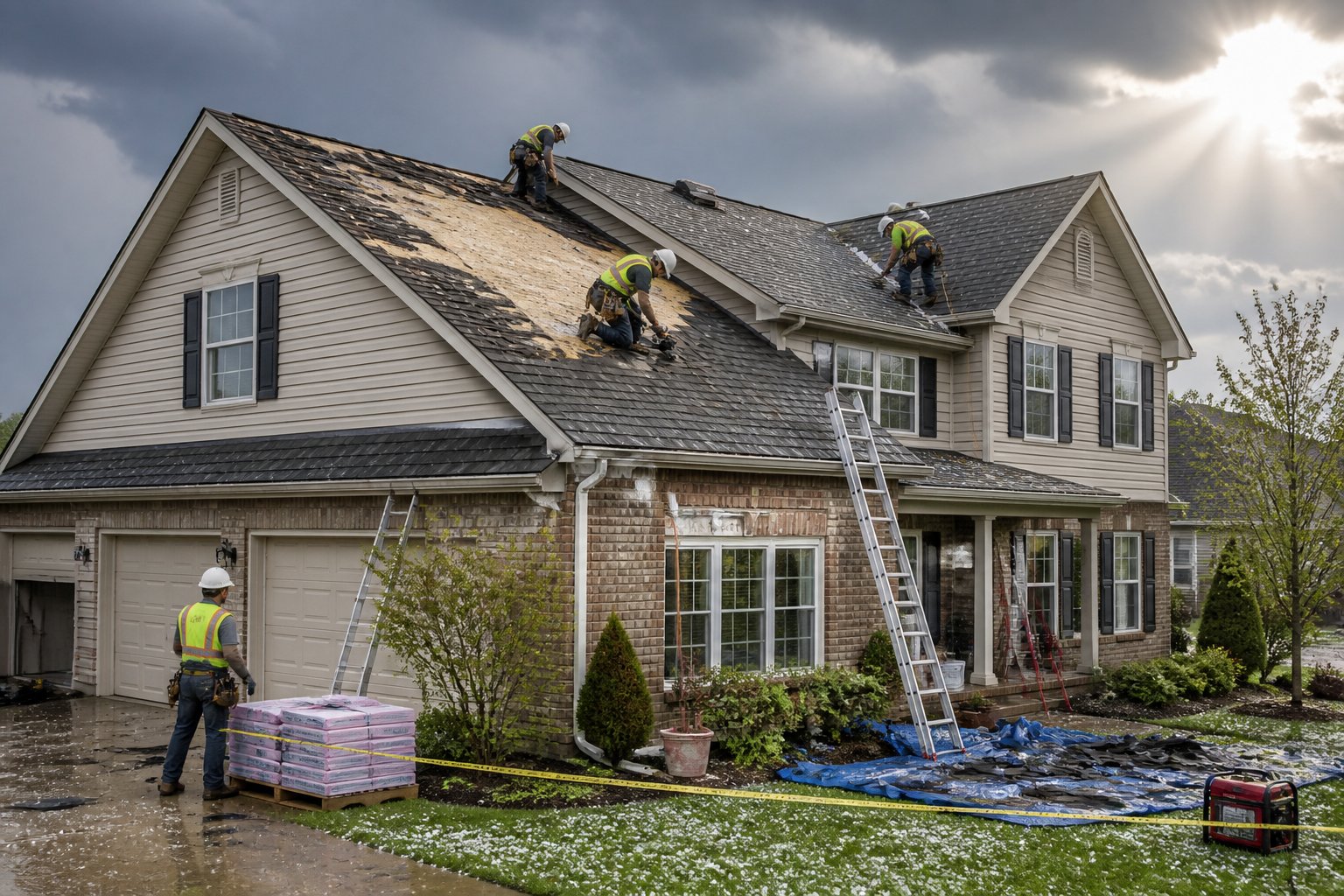
Broken windows may need to be boarded up, and damaged roofing areas may require temporary tarping to prevent additional weather exposure. Homeowners should also move undamaged belongings to a safe location when possible.
Contacting a professional restoration service quickly helps limit further deterioration and allows the home's fire and water damage restoration process to begin sooner.
Professional Fire Damage Restoration
Professional fire damage restoration focuses on stabilizing the property, removing debris, and cleaning smoke and soot contamination. These steps prepare the home for full repairs and help protect the structure from ongoing deterioration.
Fire Damage Cleanup Procedures
Cleanup begins with a complete evaluation of the property. Restoration professionals identify unsafe areas and determine which materials can be salvaged and which must be removed. Burned debris, damaged insulation, and severely charred building materials are typically removed first.
In many cases, the property must be temporarily secured through board-up services. Boarding damaged windows and doors helps protect the home from weather exposure and unauthorized entry while restoration work is underway.
Water removal is often required during the early stages of cleanup because firefighting efforts leave behind significant moisture throughout the structure. Restoration teams remove standing water and begin drying affected materials as quickly as possible.
Technicians also sort personal belongings during this stage of the process. Items that can be restored are separated from those that cannot be saved. Salvageable belongings may be transported to specialized facilities for cleaning, deodorization, and storage.
Smoke And Soot Removal Techniques
Soot residue is highly acidic and can damage surfaces long after the fire has been extinguished. Restoration professionals use specialized cleaning equipment and techniques to remove smoke and soot safely from different materials.
Light soot residue may be removed using dry cleaning techniques that prevent additional staining. Moderate smoke damage may require wet cleaning solutions that break down residue and lift contaminants from surfaces.
More stubborn deposits may require abrasive cleaning methods designed for durable materials such as concrete or masonry. Small household items and fixtures can sometimes be cleaned using immersion techniques that remove soot buildup more thoroughly.
Each surface in the home requires a different cleaning approach. Porous materials such as drywall or insulation may require sealing or replacement if contamination has penetrated deeply.
Hard surfaces like tile, metal, and sealed wood can often be cleaned using professional restoration solutions that neutralize acidic soot particles.
Carpets, upholstery, and soft furnishings may require deep cleaning or replacement depending on the severity of smoke exposure. HVAC systems are also cleaned to remove smoke particles that may have settled in ductwork and could circulate odors throughout the home.
Odor Elimination Solutions
Smoke odors can become deeply embedded in building materials and household contents. Eliminating these odors requires specialized deodorization equipment and techniques.
Thermal fogging is often used to release deodorizing particles into the air. These particles travel along the same pathways that smoke followed during the fire, allowing them to neutralize odor molecules inside walls, fabrics, and other materials.
Ozone treatments may also be used to break apart odor molecules. Ozone reacts with smoke particles and neutralizes them, reducing persistent smells within the home.
Hydroxyl generators provide another odor-removal solution by producing reactive molecules that break down contaminants while allowing occupants to remain in the property.
Air scrubbers equipped with carbon filters help remove airborne particles and odors during the restoration process. In some situations, sealing primers may be applied to walls and ceilings before repainting to trap any remaining smoke odors.
If odors remain embedded in materials such as insulation or subflooring, those materials may need to be removed and replaced.
Comprehensive Water Damage Restoration
Water damage restoration requires immediate action and specialized equipment to prevent structural damage and mold growth. A full process includes water extraction, structural drying, and repairs that restore the home’s stability.
Water Extraction And Drying Methods
Restoration professionals begin by removing standing water as quickly as possible. High-powered extraction equipment can remove large volumes of water from flooring, carpets, and other surfaces within a short period of time.
Submersible pumps may be used in heavily flooded areas such as basements. Once most of the water is removed, industrial air movers and dehumidifiers are installed to remove remaining moisture.
These drying systems often operate continuously for several days while technicians monitor moisture levels throughout the home. Moisture meters and thermal imaging tools help ensure that hidden pockets of moisture are properly addressed.
Different building materials require different drying methods. Hardwood flooring must be dried slowly to prevent cracking or warping. Drywall may require small openings to allow air circulation behind the wall cavity.
In many cases, carpet padding must be replaced even if the carpet itself can be restored.
Mold Prevention And Remediation
Mold can begin growing within 24 to 48 hours after water exposure. Preventing mold growth requires rapid drying and proper sanitation procedures.
Restoration professionals apply antimicrobial treatments to surfaces to eliminate mold spores and prevent future growth. If mold contamination is already present, technicians isolate the affected area using containment barriers.
HEPA filtration systems are used to capture airborne mold spores during remediation work. Porous materials such as insulation and drywall are often removed if mold growth is extensive.
Non-porous materials may be cleaned and treated using specialized antimicrobial solutions. After remediation is completed, air quality testing may be conducted to confirm that mold contamination has been eliminated.
Structural Repairs After Water Damage
Water exposure can weaken structural components throughout the home. Restoration professionals inspect floor joists, wall studs, beams, and subflooring to determine whether repairs or replacements are necessary.
Warped or rotted wood materials are replaced to restore the structure’s strength and stability. Drywall replacement is also common after major water damage events.
New drywall is installed once the structure has completely dried and mold risks have been eliminated. Trim, baseboards, insulation, and flooring materials may also require replacement.
Restoration teams coordinate these repairs carefully to ensure new materials match the home’s existing finishes. Licensed contractors complete the work according to local building codes and safety standards.
Choosing The Right Restoration Service
Choosing the right restoration provider plays an important role in how efficiently your home recovers after a disaster. A qualified team should have proper certifications, reliable communication practices, and experience managing both fire and water damage situations.
Qualities Of A Reliable Restoration Company
A reputable restoration company should hold certification from the Institute of Inspection, Cleaning and Restoration Certification (IICRC). This certification demonstrates that the company follows recognized industry standards for fire and water damage restoration.
Experience also plays an important role in restoration work. Companies with several years of experience are typically better prepared to handle complex damage scenarios.
Reliable restoration providers usually offer 24-hour emergency response services, maintain proper licensing and insurance coverage, and provide customer references that verify the quality of their work.
Fast response times are especially important after fire or water damage. A quick response helps limit additional damage and allows the restoration process to begin sooner. Reading reviews across multiple platforms can also help homeowners evaluate the reliability and professionalism of a restoration provider.
Insurance Coordination And Documentation
A professional restoration company should also be able to coordinate directly with your insurance provider. This collaboration helps ensure that restoration plans align with policy coverage and claim requirements.
Technicians document the entire restoration process through photographs, inspection reports, and moisture readings. These records help support insurance claims and provide a clear history of the work performed. Some restoration companies also offer direct insurance billing, allowing homeowners to pay only their deductible upfront rather than covering the entire cost initially.
Important documentation may include detailed repair estimates, before-and-after photos, moisture readings, and a timeline of restoration activities. Receiving a written estimate that clearly separates labor and material costs helps homeowners understand the full scope of the restoration project.
Preventing Future Fire And Water Damage
Preventive maintenance and safety upgrades can significantly reduce the risk of future disasters. Routine inspections and modern detection systems help identify potential problems before they cause major property damage.
Routine Maintenance Tips
Regular home maintenance is one of the most effective ways to prevent fire and water damage. Plumbing systems should be inspected periodically for signs of corrosion, loose fittings, or slow leaks.
Checking under sinks, around toilets, and near water heaters can help detect problems early. Aging hoses on washing machines and dishwashers should typically be replaced every five years to prevent sudden failures.
Cleaning gutters and downspouts at least twice per year helps ensure water flows away from the roof and foundation properly. Poor drainage can allow water to enter the home and cause structural damage.
Annual roof inspections are also recommended. Missing shingles, cracked flashing, or damaged seals can allow moisture to penetrate the structure over time.
Fire prevention maintenance should include cleaning dryer vents regularly, inspecting electrical cords for wear, and servicing heating systems before the winter season begins. Keeping flammable materials away from heat sources and storing fuels safely also helps reduce fire risks inside the home.
Installing Safety And Detection Devices
Smoke detectors should be installed on every level of the home and inside each bedroom. These devices should be tested monthly, and batteries should be replaced twice per year. Complete smoke detector units should generally be replaced every ten years to ensure reliable performance.
Water leak detection systems can help identify plumbing issues before they develop into major flooding events. Sensors can be placed near water heaters, washing machines, sump pumps, and under sinks to monitor for leaks.
Many modern leak detection systems can send alerts directly to a homeowner’s phone when water is detected.
Installing a monitored fire alarm system can provide additional protection by automatically notifying emergency services if a fire occurs. Heat detectors may also be installed in locations such as kitchens or garages where smoke detectors may produce false alarms.
Fire extinguishers should be placed in key areas of the home, including kitchens, garages, and hallways near bedrooms. ABC-rated extinguishers are recommended because they are designed to handle multiple types of fires.
Homeowners should check extinguisher pressure gauges annually to confirm the devices remain ready for use.
Moving Forward After Fire And Water Damage
Recovering from a fire or major water event can feel overwhelming. Smoke residue, structural damage, and lingering moisture often leave homeowners unsure of what to do next. A clear restoration plan helps stabilize your property and begin making your home safe again.
Jenkins Restoration and Remodel helps homeowners across Southern Maryland navigate the challenges of home fire and water damage restoration with experienced guidance, careful cleanup, and quality repairs that restore both safety and comfort.
If your home has experienced fire or water damage, get in touch to schedule a consultation and take the first step toward restoring your property.
Frequently Asked QuestionsWhat Is Home Fire And Water Damage Restoration?
Home fire and water damage restoration is the process of repairing and restoring a property after damage caused by fire, smoke, soot, and water. The process typically includes damage assessment, debris removal, water extraction, structural drying, smoke and soot cleanup, odor removal, and rebuilding damaged areas of the home.
The goal is to return the property to a safe, stable, and livable condition while preventing additional issues such as mold growth or structural deterioration.
How Long Does Fire And Water Damage Restoration Take?
The timeline for restoration depends on the extent of the damage and the size of the affected areas. Minor restoration projects may take several days, while larger structural repairs can take several weeks.
The process usually begins with emergency mitigation, including water removal and structural drying. Once the property is stabilized, repairs and rebuilding work can begin.
Can A Home Be Fully Restored After Fire And Water Damage?
In many cases, homes can be successfully restored after significant damage. Modern restoration techniques allow professionals to clean smoke residue, remove odors, dry structural materials, and repair damaged building components.
The success of the restoration often depends on how quickly the damage is addressed and whether structural components were severely compromised.
Does Homeowners Insurance Cover Fire And Water Damage Restoration?
Many homeowners' insurance policies cover fire damage and certain types of water damage. Coverage may include smoke cleanup, water removal from firefighting efforts, structural repairs, and restoration services.
However, coverage can vary depending on the cause of the damage and the specific terms of the policy. It is important to contact your insurance provider quickly and document all damage for the claims process.
What Should Homeowners Do Immediately After A Fire Or Water Emergency?
The first step is ensuring everyone’s safety and waiting for authorities to confirm the property is safe to enter. Once safe, homeowners should contact their insurance company to begin the claim process and document visible damage with photos or videos.
If possible, preventing additional damage by shutting off water sources or covering exposed areas of the home can help limit further problems until professional restoration services begin. Know more about wind damage restoration.