.png)



Siding plays a critical role in protecting your home, but many homeowners don’t think about it until problems start showing up. Cracks, fading, moisture damage, or rising energy bills are often signs that your exterior protection is no longer doing its job.
Working with an experienced home siding installation service helps remove the guesswork from replacing or upgrading your siding. At Jenkins Restoration and Remodel, homeowners across Southern Maryland receive clear guidance on materials, installation, and long-term protection for their homes.
This guide explains what homeowners should know before starting a siding project. You’ll learn how siding installation works, what materials to consider, and how to choose the right solution for your home.
What Is Home Siding Installation?
A home siding installation service involves attaching protective and decorative materials to the exterior walls of a home. This outer layer shields the structure from moisture, wind, and temperature changes while also improving appearance and insulation performance.
Siding serves both functional and visual purposes. In addition to protecting the structural frame of your house, siding plays a major role in defining the style and character of your home's exterior.
Popular Siding Materials for Your Home
Homeowners can choose from several siding materials depending on budget, maintenance preferences, and long-term durability goals.
Vinyl Siding
Vinyl siding is the most widely used option because it offers affordability and minimal maintenance requirements. It is available in a wide range of colors and textures, making it easy for homeowners to match siding with nearly any architectural style.
Wood Siding
Wood siding, such as cedar or clapboard, provides a warm and traditional appearance that many homeowners find appealing. However, wood siding requires consistent upkeep. Painting or staining every few years helps protect the material from moisture and weather exposure.
Fiber Cement Siding
Fiber cement siding is made from a blend of cement, sand, and cellulose fibers, creating a highly durable exterior material. It resists fire, insects, and rot better than most natural materials. Although it costs more than vinyl and is heavier to install, fiber cement siding can last for decades when properly maintained.
Aluminum Siding
Aluminum siding is lightweight, corrosion-resistant, and durable, making it a good choice for areas that experience harsh weather conditions. It requires relatively little maintenance and performs well in regions where strong winds or heavy rain are common.
Key Benefits of Professional Siding Installation
Hiring professionals for a home siding installation service provides several important advantages that help protect your investment.
Experienced teams understand how to properly install moisture barriers and weather-resistant layers, which prevent water from entering wall cavities. Proper moisture control reduces the risk of rot, mold growth, and structural damage inside the home.
Professionals also apply insulation and ventilation techniques that help improve a home's overall energy performance. These steps can reduce heating and cooling costs while maintaining comfortable indoor temperatures throughout the year.
Certified teams follow industry standards and use specialized tools to ensure siding panels are installed correctly. This attention to detail helps prevent common issues such as warped boards, gaps between panels, and loose fasteners.
Another major benefit is warranty protection. Many siding manufacturers and contractors provide warranties on both materials and labor, offering homeowners peace of mind if issues arise later.
What to Expect During a Home Siding Installation
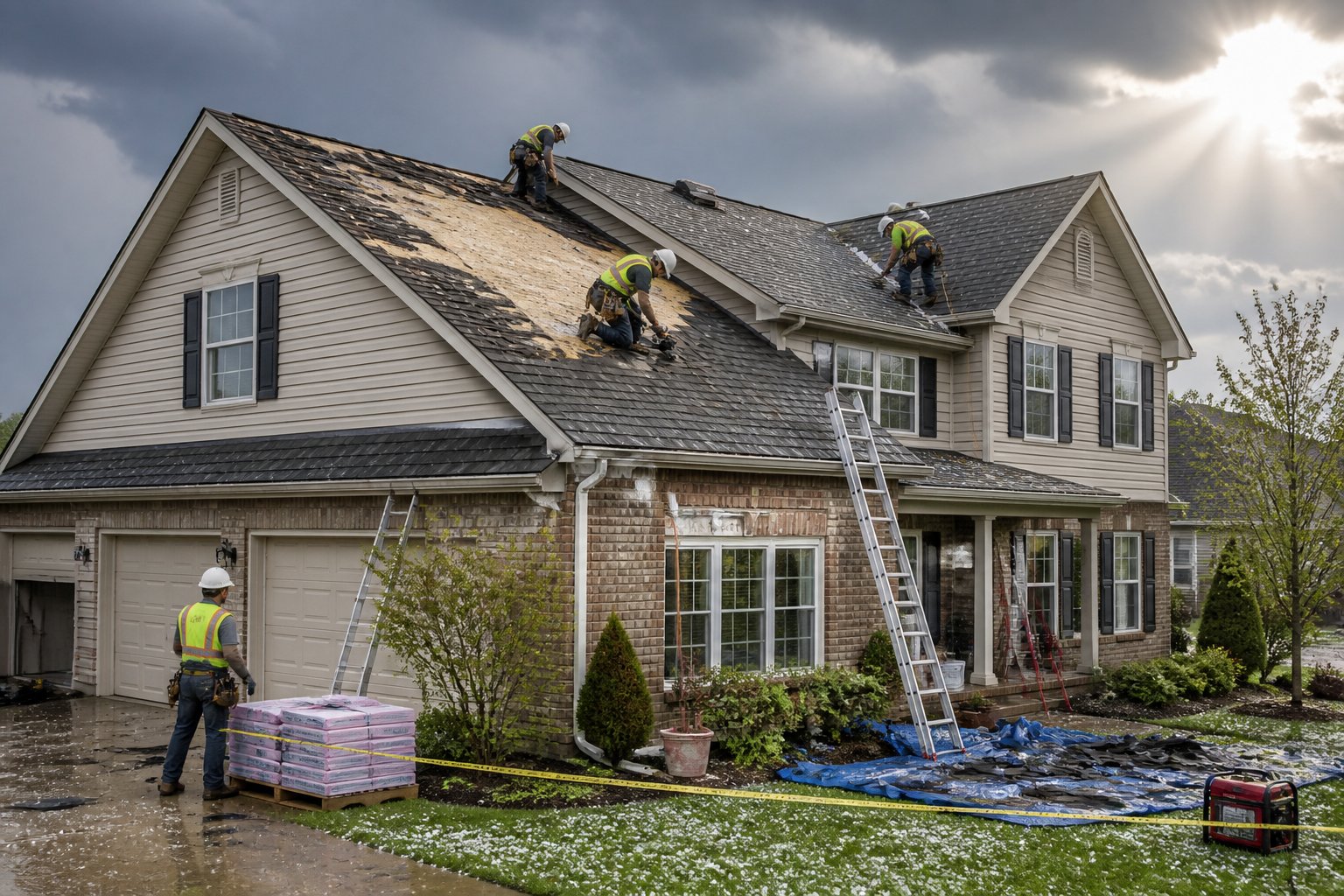
A professional home siding installation service usually begins by removing existing siding if replacement is required. During this stage, contractors carefully inspect the underlying wall structure for damage that could affect the new installation.
Installers check for rot, pest activity, or structural weaknesses that may need repairs before siding can be installed. Addressing these issues early ensures the new siding will perform properly for many years.
Once repairs are complete, installers apply a weather-resistant barrier and insulation layer. This layer plays a critical role in preventing moisture infiltration while also improving the home's thermal performance.
After the barrier is installed, siding panels are measured and cut to fit each section of the exterior wall. Installers work from the bottom of the wall upward, carefully securing each panel while maintaining proper spacing for expansion and contraction.
The final steps include installing trim pieces around windows, doors, and corners, followed by sealing joints with caulk. These finishing touches help create a tight, weather-resistant seal while giving the home a polished and finished appearance.
Choosing the Right Siding for Your Home
Selecting the right siding involves balancing cost, climate conditions, visual style, and maintenance requirements. Each material offers different benefits, so homeowners should consider both short-term costs and long-term performance.
Comparing Popular Siding Types
Choosing the right siding material is one of the most important decisions when planning a home siding installation service. Understanding how these options compare can help homeowners select the siding that best fits their budget, climate, and long-term goals.
Vinyl Siding
Vinyl siding remains one of the most affordable and widely used siding options for residential homes. Installed costs typically range from $3 to $7 per square foot, making it an attractive option for homeowners looking for a budget-friendly exterior upgrade.
In addition to affordability, vinyl siding is known for its low maintenance requirements. It resists moisture and does not require painting, meaning most homeowners only need to clean it occasionally with soap and water to maintain its appearance.
Fiber Cement Siding
Fiber cement siding is a premium option known for its exceptional durability and resistance to environmental damage. Made from a combination of cement, sand, and cellulose fibers, this material performs well against fire, insects, rot, and harsh weather conditions.
Although installation costs generally range between $6 and $12 per square foot, fiber cement siding can last 50 years or longer with proper care. For many homeowners, the long lifespan and durability make it a worthwhile long-term investment.
Wood Siding
Wood siding offers a classic and timeless appearance that works especially well on traditional or historic-style homes. Materials such as cedar and redwood naturally resist insects and decay better than many other wood varieties.
However, wood siding requires consistent maintenance to remain protected. Homeowners should plan to repaint or restain the surface every few years to protect the material from moisture, weather exposure, and general wear.
Metal Siding
Metal siding, including aluminum and steel, is valued for its strength and weather resistance. These materials perform particularly well in areas that experience strong winds, heavy rain, or large temperature fluctuations.
Installed costs typically range from $3 to $11 per square foot, depending on the specific material and style. Metal siding also resists rot and insect damage, making it a durable option for homeowners seeking long-term exterior protection.
Engineered Wood Siding
Engineered wood siding combines the visual appeal of natural wood with improved durability and moisture resistance. Manufactured using treated wood fibers and resins, it offers a balance between affordability and performance.
In terms of cost and maintenance, engineered wood typically falls between vinyl and fiber cement siding. This makes it a practical option for homeowners who want the appearance of wood while reducing the level of maintenance required over time.
Energy Efficiency Considerations
Energy efficiency plays an important role when selecting a home siding installation service. The right materials and installation techniques can improve insulation performance and reduce energy costs.
Insulated vinyl siding includes foam backing that increases the home's insulation value by approximately R-2.0. This additional insulation layer helps stabilize indoor temperatures and reduce heating and cooling expenses.
Fiber cement siding also performs well when combined with quality house wrap and proper wall insulation. When installed correctly, this combination creates an effective barrier against air leaks and drafts.
Color selection can also influence energy performance. Lighter siding colors reflect sunlight, helping homes stay cooler during warmer months. Darker colors absorb more heat, which may be beneficial in colder climates.
Some siding systems also include built-in air gaps or thermal breaks that help reduce heat transfer between exterior and interior walls.
Aesthetic and Curb Appeal Factors
Siding plays a major role in defining your home's visual character, so style and design should be carefully considered.
Traditional homes often look best with horizontal lap siding made from wood or fiber cement, which creates a classic appearance. Modern homes may incorporate vertical panels, board-and-batten styles, or combinations of multiple siding materials.
Homeowners should also consider the appearance of nearby properties. While it is important for your home to stand out positively, maintaining visual harmony with surrounding homes often improves neighborhood appeal.
Texture and color choices can add depth and visual interest to the exterior. Many homeowners combine complementary colors for siding, trim, and accent areas to highlight architectural details.
If you're unsure about color selection, requesting sample boards is a helpful step. Viewing samples outdoors at different times of day allows you to see how natural lighting affects the final appearance.
The Home Siding Installation Process
A professional home siding installation service follows a structured process that ensures siding is installed safely and performs well for many years.
Initial Inspection and Planning
The process begins with a comprehensive inspection of the home's exterior walls. Contractors examine the structure for damage, measure the surface area, and identify complex areas around windows, doors, and ventilation openings.
During this planning stage, homeowners select the siding material, color, and style that best fit their needs. Contractors typically provide recommendations based on climate conditions, budget, and maintenance expectations.
Once decisions are finalized, a detailed project plan is created. This plan outlines the materials required, estimated timeline, and what homeowners can expect during each phase of the installation. Contractors also handle required permits when necessary.
Preparation and Removal of Old Siding
Before installation begins, crews protect landscaping and nearby surfaces using tarps or protective coverings. This preparation helps prevent damage during the removal and installation process.
Existing siding is then carefully removed to expose the underlying wall structure. Removing old materials allows contractors to inspect the wall system for hidden problems such as moisture damage, mold growth, or structural weaknesses.
If issues are discovered during this inspection, they are repaired before the new siding is installed. Proper preparation ensures the wall surface is clean, dry, and structurally sound before new siding is applied.
Step-by-Step Installation Procedures
After preparation is complete, installers begin by applying a weather-resistant barrier or house wrap across the exterior walls. This protective layer prevents moisture from entering the structure while still allowing trapped vapor to escape.
If the project includes insulation upgrades, additional insulation materials are installed at this stage. Improving insulation can significantly enhance the home's energy efficiency.
Siding panels are installed starting at the bottom of the wall and moving upward. Each panel overlaps the previous one to create a tight seal against rain and wind.
Installers carefully cut panels to fit around windows, doors, and corners using specialized tools. Trim pieces, corner posts, and finishing elements are installed throughout the process to ensure a precise and professional appearance.
Maintaining proper spacing between panels is critical because siding expands and contracts with temperature changes. Fasteners must also be installed correctly so panels remain secure while still allowing natural movement.
Final Quality Checks
After installation is complete, contractors perform a detailed inspection of the finished siding. Every section of siding is checked to confirm it is aligned properly and securely fastened. Installers also inspect seams, trim areas, and seal around windows and doors to ensure everything is fully protected against moisture.
Homeowners are then guided through a final walkthrough of the completed project. This allows them to review the work, ask questions, and address any concerns before the project is finalized.
The crew finishes by removing debris, cleaning the work area, and hauling away leftover materials so the property is left in excellent condition.
Costs and Financing Options
A complete home siding installation service typically costs between $8,000 and $30,000, depending on the size of the home and the materials selected.
Factors Affecting Siding Installation Cost
The size of the home is the largest factor affecting project cost. For example, installing vinyl siding on a typical 2,000-square-foot home averages around $12,252 for materials and labor.
Material selection also plays a major role. Vinyl siding is usually the most affordable option, while fiber cement, wood, and metal siding increase overall project costs.
The design and structure of the home also influence pricing. Homes with multiple stories, complex architectural features, or numerous corners often require additional labor and equipment.
Homeowners should also account for expenses related to removing old siding and securing permits. These additional costs can range from $150 to $1,500, depending on local requirements.
Available Financing and Payment Plans
Several financing options are available to help homeowners manage the cost of a home siding installation service.
Home equity loans allow homeowners to borrow against the value of their property and repay the loan over time with predictable monthly payments.
Personal loans offer another option and can provide quick access to funding without requiring collateral. These loans may be suitable for homeowners with strong credit who need financing quickly.
Some contractors also offer project financing programs that allow homeowners to spread payments across manageable installments. Depending on the program, options may include low monthly payments, deferred payments, or promotional interest rates.
Maintaining and Caring for Your Home Siding
Proper maintenance helps extend the life of siding and ensures your home continues to look clean and well-protected.
Routine Cleaning Practices
Cleaning siding once or twice each year helps remove dirt, mildew, and environmental buildup that can accumulate over time.
Homeowners can begin by rinsing the siding from top to bottom using a garden hose. This step removes loose debris and prepares the surface for deeper cleaning if necessary.
For stubborn stains, a mixture of water and mild detergent can be used along with a soft brush or sponge to gently scrub the affected areas.
Different siding materials require slightly different cleaning approaches. Vinyl siding usually responds well to simple soap and water, while wood siding should be cleaned carefully to prevent excessive moisture exposure.
Fiber cement siding can tolerate moderate scrubbing but still requires caution around seams and joints. Areas that receive less sunlight, such as north-facing walls, should be inspected carefully since mildew tends to grow more easily in shaded conditions.
Using pressure washers on high settings is not recommended because strong pressure can force water behind siding panels.
Preventative Maintenance Tips
Regular inspections help identify small issues before they turn into larger problems. Homeowners should examine siding each spring and fall for cracks, loose panels, warping, or missing caulk. These areas are especially vulnerable to moisture intrusion if left unaddressed.
Particular attention should be paid to seams, joints, and areas around windows and doors where water can enter more easily.
Keeping trees and shrubs trimmed at least one foot away from exterior walls helps prevent moisture buildup and pest activity. Plants that touch siding can trap moisture against the surface and accelerate wear.
Gutters should also be cleaned regularly to ensure rainwater flows away from the house instead of spilling down the walls.
Reapplying caulk around trim and touching up paint on wood siding are small tasks that help maintain long-term protection and prevent costly repairs later.
When to Schedule Repairs or Replacement
Minor damage, such as small cracks or loose panels, should be addressed quickly before the problem spreads.
Small repairs may involve sealing gaps with caulk or replacing individual siding panels. However, extensive damage, large areas of warping, or visible rot usually require professional evaluation.
Homeowners should consider full replacement if repair costs approach 30 percent of the price of new siding. Most siding systems last 20 to 40 years, depending on the material and maintenance history.
Common warning signs that professional help may be needed include water stains inside walls, rising energy bills, faded siding, or visible damage across multiple areas of the exterior. Scheduling periodic inspections can help homeowners detect these issues early and maintain reliable protection for their homes.
Choosing A Reliable Home Siding Installation Service
Damaged or aging siding can lead to moisture problems, rising energy bills, and a home exterior that no longer looks its best. Choosing the right home siding installation service helps ensure your home stays protected while improving durability and curb appeal.
Homeowners throughout Southern Maryland trust Jenkins Restoration and Remodel for expert guidance, quality craftsmanship, and dependable exterior solutions that protect their homes for the long term.
If your siding is showing signs of wear or you’re planning an upgrade, get in touch to schedule a consultation and explore the best options for your home.
Frequently Asked QuestionsHow long does a home siding installation service usually take?
The timeline for a home siding installation service depends on the size of the home, the type of siding material, and weather conditions. In many cases, siding installation takes anywhere from a few days to about one week. Larger homes or projects that require structural repairs may take longer.
A professional contractor will usually provide a clear project timeline during the planning stage so homeowners know what to expect before work begins.
What is the most durable siding material for homes?
Fiber cement siding is often considered one of the most durable options available. It resists fire, insects, moisture, and rot, making it a long-lasting choice for many homeowners.
Vinyl siding is another popular option because it is affordable and requires very little maintenance. The best material ultimately depends on your climate, budget, and how much upkeep you are comfortable with.
How do I know if my home needs new siding?
Several signs may indicate that it is time to consider a home siding installation service. Common warning signs include cracks, warping, loose panels, fading color, or rising energy bills caused by poor insulation. You may also notice moisture damage, mold growth, or peeling paint inside your home if siding is no longer providing proper protection.
Can new siding improve energy efficiency?
Yes, installing new siding can help improve energy efficiency, especially when combined with proper insulation and weather barriers. Insulated siding options add an extra layer of thermal protection that helps regulate indoor temperatures.
This can reduce heat loss in the winter and keep cool air inside during warmer months, which may help lower energy costs over time.
How often should siding be inspected or maintained?
Homeowners should inspect their siding at least twice a year, typically during the spring and fall. Regular inspections help identify small issues such as loose panels, damaged caulking, or minor cracks before they become larger problems.
Routine cleaning and maintenance can extend the lifespan of siding and help maintain the appearance and performance of your home's exterior.