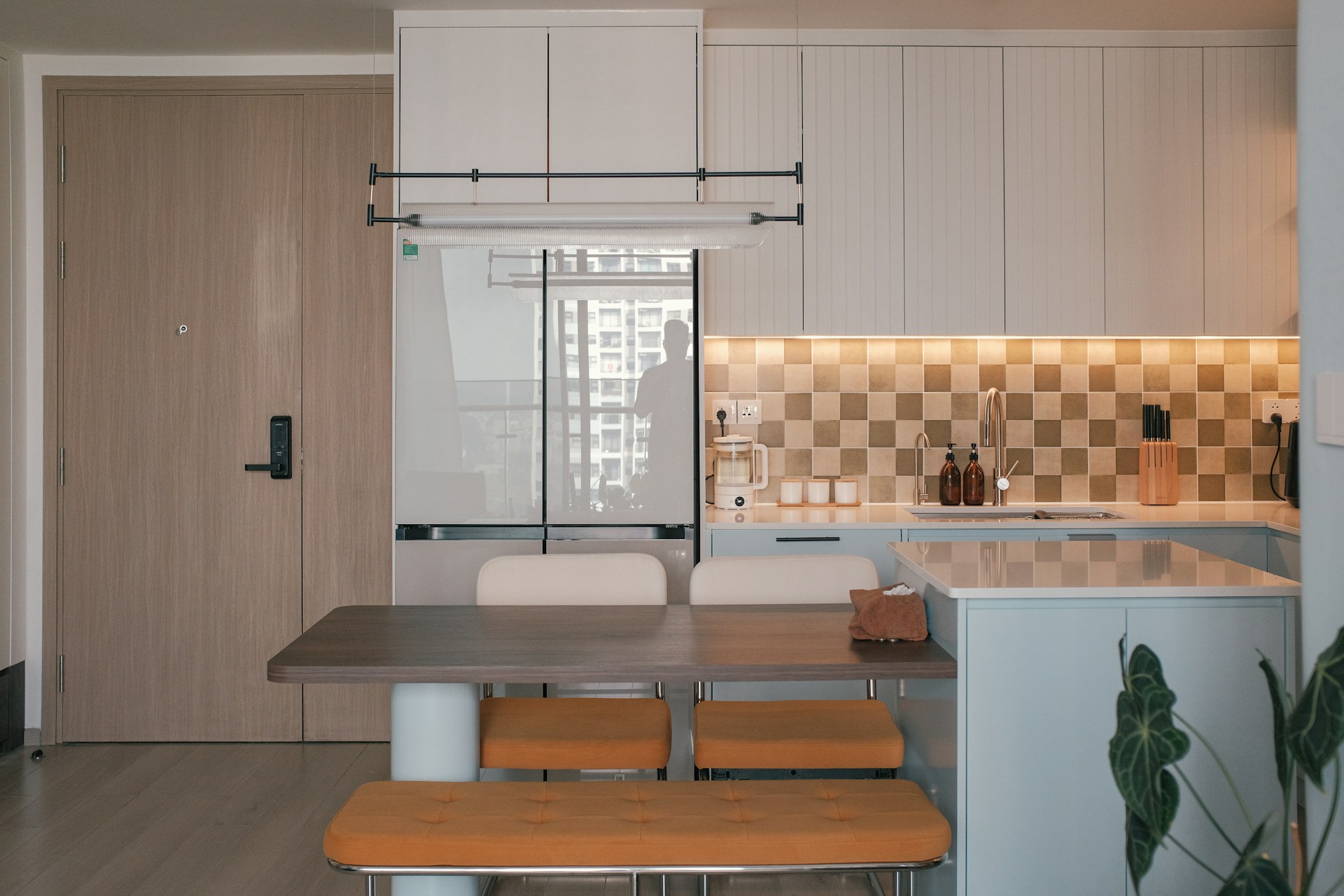
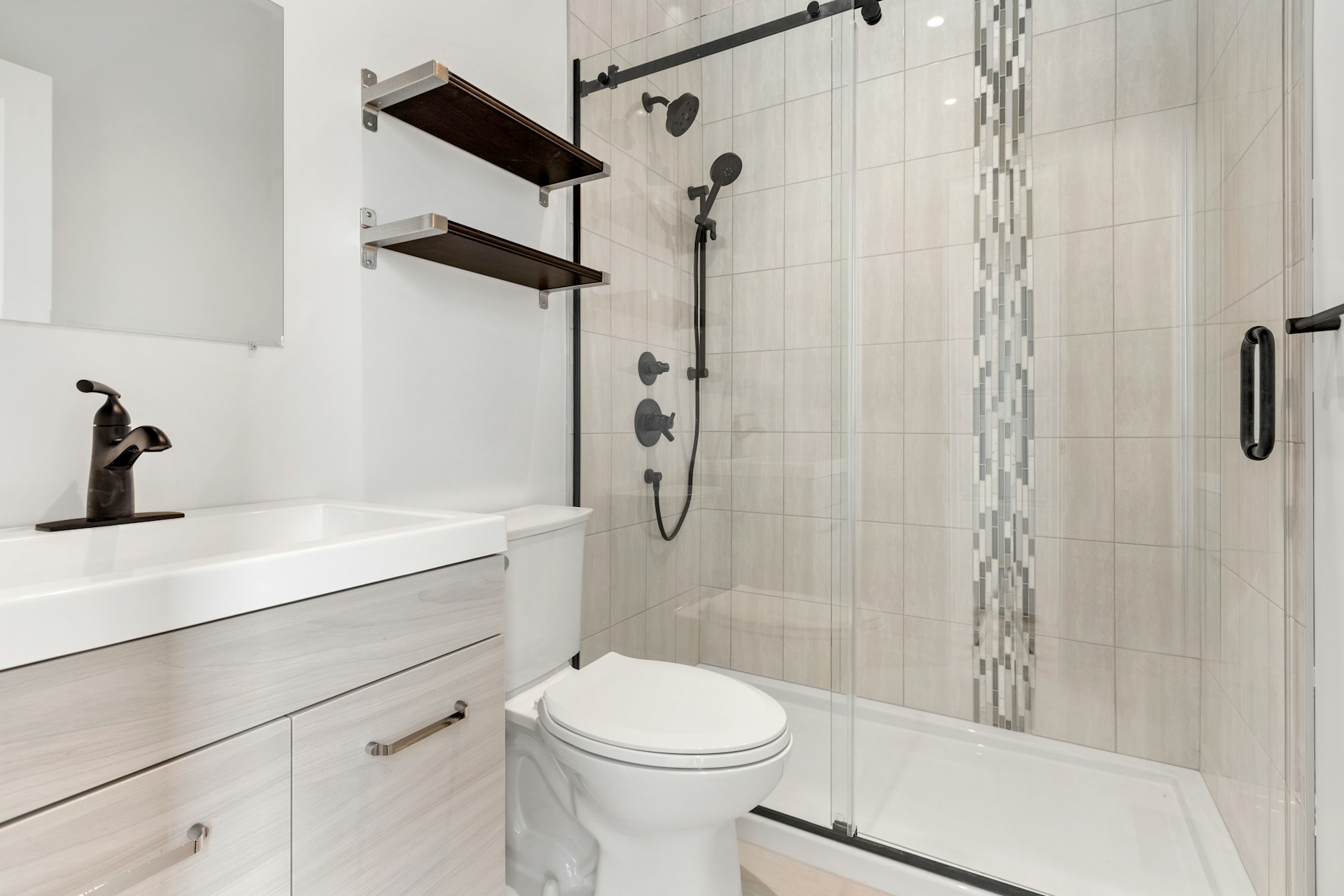
.png)



When your kitchen feels cramped, outdated, or hard to work in, everyday tasks take more time and energy than they should. Cooking, cleaning, and gathering as a family can quickly become frustrating instead of enjoyable.
Homeowners across Southern Maryland turn to Jenkins Restoration and Remodel for kitchen remodeling services that bring order, comfort, and function back into the space. With clear guidance and hands-on support, the process feels manageable instead of stressful.
This article explains what kitchen remodeling services include, how the process works, and how to plan with confidence. You’ll get practical insights to help you move forward and create a kitchen that truly works for your home.
Kitchen Remodeling Services Explained: What To Expect From Start To Finish
Kitchen remodeling services can mean anything from swapping out a few fixtures to gutting and redesigning the whole space. Professional contractors plan, pull permits, source materials, and do the construction work to transform your kitchen into something more functional and attractive.
What Is Kitchen Remodeling?
Kitchen remodeling is all about making big changes that improve how your kitchen looks and works. It’s not just a quick repair or swapping out one appliance. Usually, you’ll tackle several updates at once.
Maybe you’re ripping out cabinets, replacing countertops, redoing floors, and upgrading appliances all in one go. Some folks even move walls, reroute plumbing, or add electrical outlets. You need proper permits, and everything has to meet local building codes.
Remodeling isn’t like patching up a single problem. It’s about transforming the whole room. Your contractor manages each step, from design all the way to final inspection.
Types of Kitchen Remodeling Projects
Minor updates usually cost between $15,000 and $30,000. You might refinish cabinets, get new countertops, or swap out appliances. These smaller projects often wrap up in two to four weeks.
Mid-range remodels run from $30,000 to $75,000. Here, you’re looking at new cabinets, countertops, flooring, lighting, and new appliances. Some layout changes are possible, as long as you’re not moving major plumbing or electrical systems.
Upscale overhauls start at $75,000 and can easily top $150,000. These jobs completely redesign the kitchen, with custom cabinets, premium materials, and sometimes major structural changes like moving walls, adding islands, or expanding the room.
Why Choose Professional Services
Professional contractors bring a level of skill and know-how most homeowners just don’t have. They know the ins and outs of building codes, have the right tools, and understand how different materials play together. This kind of expertise can save you from expensive mistakes.
Your contractor takes care of permits and inspections required by your city or county. They coordinate plumbers, electricians, and other trades so everything happens in the right order. You don’t have to juggle multiple workers and schedules.
Professional services also come with insurance and warranties. If something goes sideways during construction, their insurance covers the damage. Most contractors guarantee their work for at least a year after finishing up.
Kitchen Design and Planning
Good kitchen design blends smart use of space with materials that suit your lifestyle and budget. The right layout and finishes don’t just make cooking easier. They can add real value to your home.
Space Optimization Ideas
Kitchen storage takes some real thought if you want to avoid clutter. Pull-out shelves in lower cabinets make it easier to grab things buried in the back. Deep drawers are a lifesaver for pots and pans.
Corner cabinets can get tricky, but lazy Susans or pull-out organizers help make those spaces usable. Tall pantry cabinets or open shelving take advantage of vertical wall space. You can even add hooks under cabinets for mugs or utensils.
Think about what you use most. Keep those things between shoulder and knee height. Store rarely used gadgets up high. A well-organized kitchen just makes life easier.
Trending Kitchen Layouts
The L-shaped layout is a classic for small to medium kitchens, using two walls for an efficient work triangle between your sink, stove, and fridge. It gives you good counter space for prep work.
U-shaped kitchens surround you with cabinets and counters on three sides. Tons of storage and work space here. Great if you cook a lot or have helpers in the kitchen.
Open-concept designs knock down walls between the kitchen and other living areas. An island or peninsula can help define the space, but you still get open sightlines. Entertaining is easier, and you can keep an eye on the kids.
The galley kitchen uses two parallel walls with a walkway in between. It’s efficient and creates a natural workflow, especially in smaller homes.
Choosing Materials and Finishes
Countertops take a beating, so durability is key. Quartz resists stains and doesn’t need sealing. Granite looks gorgeous but needs some upkeep. Butcher block brings warmth but needs regular oiling.
Cabinet materials matter for both price and longevity. Solid wood costs more but lasts forever. Plywood with veneer is a solid, budget-friendly pick. Avoid particleboard where things might get wet.
For flooring, you want something that stands up to spills and traffic. Luxury vinyl plank looks like wood but is easy to clean. Tile is cool and comes in endless styles. Hardwood adds value but can scratch or get water damage if you’re not careful.
Try to pick finishes that complement each other without being too matchy-matchy. Mixing metals like brass faucets with stainless appliances can look sharp as long as the tones work together.
Custom Cabinetry and Storage Solutions
Custom cabinets give you total control over your kitchen’s look and function. You get to pick the materials, finishes, and layout that fit your space and your needs.
Cabinet Styles and Options
There are three main cabinet types to consider: stock, semi-custom, and fully custom. Stock cabinets come in standard sizes and are the most affordable. Semi-custom cabinets give you more options for sizing and finishes, but won’t break the bank.
Fully custom cabinets are built just for your kitchen. You pick everything: wood type, door style, and hardware. Maple, oak, cherry, and hickory are all popular. Each wood has its own grain and color.
Door styles range from traditional raised panels to sleek flat panels or slab fronts. Shaker-style doors are still super popular because they fit almost any design vibe. You can go wild with stain colors or painted finishes to match your vision.
Innovative Storage Features
Modern cabinetry comes loaded with smart storage ideas. Pull-out shelves help you reach the back of deep cabinets without crawling on the floor. Lazy Susans make corner cabinets usable instead of just weird black holes.
Drawer dividers keep utensils and tools organized. Pull-out trash and recycling bins hide waste right inside the cabinet. Vertical dividers are handy for baking sheets and cutting boards.
Some cabinets even hide appliances like stand mixers or coffee makers behind doors that lift or slide back. Deep drawers with pegs keep pots and pans tidy. Built-in spice racks, knife blocks, and charging stations can make your kitchen feel truly dialed in.
Countertops and Surface Upgrades
New countertops can totally change the feel and function of your kitchen. There’s a wide range of materials at different price points, and professional installation helps make sure your surfaces last.
Popular Countertop Materials
Quartz is super popular for modern kitchens. It stands up to stains and scratches better than most natural stones. Plus, you don’t have to seal it, which is a relief.
Granite brings natural beauty, and every slab is unique. It does need sealing once or twice a year to keep stains away. Granite handles heat well, so you can put hot pans right on it.
Laminate is affordable and comes in tons of colors and patterns. Newer laminates look way better than the old stuff and can even mimic stone or wood.
Solid surface materials give you seamless countertops with no visible joints. Scratches and burns can usually be sanded out. These are great if you want custom shapes or built-in sinks.
Your pick depends on your budget, cooking habits, and what you like style-wise. Every material has its own quirks for durability and care.
Installation Process
Installers start by measuring your current countertops or cabinets. They make templates so the new counters fit just right. This step helps avoid expensive mistakes later.
They’ll carefully remove the old countertops so your cabinets don’t get wrecked. The plumber disconnects the sink and fixtures before things come out.
Fabricators cut your new countertop material to match your kitchen’s exact size. They’ll make holes for sinks, faucets, and cooktops using special tools. Stone needs diamond-tipped blades for clean cuts.
Installation usually takes one to three days, depending on your kitchen size. The installers secure the counters to your cabinets and seal any seams. They’ll hook up your sink and check the plumbing before calling it done.
Flooring for Your Kitchen Remodel
The flooring you choose sets the tone for your kitchen’s look and how it handles daily life. You need something that stands up to spills, foot traffic, and wear but still fits your style.
Best Flooring Options
Tile flooring is a top pick for kitchens because it resists water and cleans up easily. You can go with ceramic or porcelain in just about any color or pattern. Grout lines need cleaning, but the tiles themselves last for ages.
Hardwood brings warmth and natural beauty. It works great if you want a seamless look between rooms. Just keep in mind, you’ll need to clean up spills fast and may have to refinish it down the road.
Luxury vinyl plank (LVP) gives you the look of wood or stone for less money. It’s waterproof and softer underfoot than tile or hardwood. Installation is usually easier, which can save on labor costs.
Laminate flooring is another budget-friendly option that mimics wood or stone. It’s not totally waterproof, but good-quality laminate resists moisture better than older versions and handles daily kitchen life just fine.
Durability and Maintenance Tips
Sweep or vacuum your kitchen floor often to keep dirt and grit from scratching the surface. Little bits of debris act like sandpaper underfoot, wearing down your floors over time.
Clean up spills right away, no matter what kind of flooring you have. Water can sneak into seams and cause damage, even with water-resistant materials. Use a damp mop and cleaners made for your specific floor type.
Put mats at the sink and stove to catch splashes and dropped utensils. Those areas take the most abuse.
Skip harsh chemicals and abrasive scrubbers that can mess up the finish. Check what your flooring brand recommends for cleaning. Furniture pads on chairs and tables help prevent scratches when things get moved around.
Lighting and Electrical Enhancements
Your kitchen’s electrical setup deserves some real thought if you want it to handle modern appliances and set the right mood. Upgrading lighting and adding smart features can make the space safer and a lot more pleasant to use.
Modern Lighting Choices
Good lighting makes cooking less of a chore and the kitchen more inviting. You’ll want three types of lighting in the mix.
Task lighting targets work areas where you prep food. Under-cabinet LED strips light up countertops so you can see what you’re doing. Pendant lights over islands give focused light for cooking, homework, or whatever else happens there.
Ambient lighting fills the whole kitchen with general light. Recessed ceiling lights or flush-mount fixtures do the trick. Accent lighting shows off special features like glass cabinets or cool artwork.
LED bulbs are a smart choice for kitchen lighting. They use less energy and last longer than old bulbs. You can get them in warm or bright white. Warm white feels cozy, while bright white helps you see food colors better.
Sometimes your electrical panel needs an upgrade to handle new lighting circuits. It’s worth checking, since it keeps things safe and avoids overloaded breakers.
Smart Kitchen Technologies
Smart devices put more control at your fingertips. You can tweak lighting, monitor appliances, and save energy using your phone or voice.
Smart switches and dimmers let you adjust brightness throughout the day. Set things bright for breakfast, then dim them for dinner. Some systems even let you schedule changes automatically.
Smart outlets give you remote control over small appliances. Ever wish you could double-check if the coffee maker’s off? Now you can.
Voice assistants are surprisingly handy in the kitchen. Ask them to set timers, convert measurements, or turn on lights when your hands are covered in dough. Smart fridges can track what’s inside and suggest recipes. You’ll need solid Wi-Fi in your kitchen for these gadgets to work well. Plan for extra outlets to charge devices and power smart hubs.
Appliance Selection and Installation
Picking the right appliances and getting them installed properly can make your kitchen more efficient and enjoyable. The choices you make now will shape your energy bills, cooking experience, and how well your kitchen works for years down the road.
Choosing Energy-Efficient Appliances
Energy-efficient appliances can save you money on utility bills and help shrink your environmental footprint. When you're shopping for refrigerators, dishwashers, or ranges, check for the ENERGY STAR label. These models use noticeably less energy.
Think about your cooking habits before making a purchase. If you cook a lot, it might be worth splurging on a range with features you’ll actually use.
For smaller households, a compact dishwasher could make more sense than a full-sized one. No need to pay for more than you need. Modern appliances often come with smart features that track energy usage. Some refrigerators even ping you if you leave the door open too long.
Induction cooktops? They heat up fast and use less energy than the old-school electric or gas options. Don’t forget to check those yellow EnergyGuide labels to compare operating costs. Sometimes a pricier energy-efficient appliance pays for itself in a few years through lower bills.
Proper Placement and Fitting
Appliances need proper placement for both safety and function. Keep your fridge away from heat sources like ovens or direct sun, and leave at least an inch around it for airflow.
That classic work triangle, sink, stove, fridge, makes meal prep smoother by cutting down on extra steps. Ideally, each side of the triangle falls between 4 and 9 feet.
Professional installation really matters for connecting water lines, gas, and electricity. Dishwashers need to be mounted securely to prevent leaks, and gas ranges should have a licensed tech handling connections.
Built-in appliances demand precise measurements. Too big, and they just won’t fit; too small, and you’re left with weird gaps. Whoever’s installing should double-check all the dimensions before you order.
Project Timeline and Process
Most kitchen remodels take about 8 to 12 weeks, but the timeline depends on your project’s size and complexity. Knowing what to expect helps you stay ready and keeps things moving.
Remodeling Stages Explained
First comes demolition and removal, usually lasting a week or two. Old cabinets, countertops, appliances, and flooring go out, and, honestly, it gets messy. Set up a temporary kitchen somewhere else if you can.
Next up is rough-in work for plumbing, electrical, and HVAC, typically during weeks 3 and 4. New pipes, wires, and ducts go in behind the walls, and inspectors have to sign off before you move on.
Installation happens around weeks 5 to 8. Drywall, cabinets, countertops, and flooring all go in, each in a certain order.
The last stretch covers finishing touches and installing appliances, usually in weeks 9 to 12. Workers handle backsplash tiles, paint, lighting, and connect appliances. There’s a final walkthrough to tie up any loose ends.
Expected Schedule and Milestones
- Week 1-2: Demolition and debris removal
- Week 3-4: Rough-in work finished and inspected
- Week 5-6: Cabinets installed, countertops measured
- Week 7-8: Countertops, flooring, backsplash installed
- Week 9-10: Appliances connected, plumbing fixtures added
- Week 11-12: Final paint, hardware, and detail work
If you’re just swapping countertops or painting cabinets, that might only take 2 to 4 weeks. Major renovations with layout changes or structural work can stretch to 14 or 16 weeks. Sometimes, material delays, slow permits, or surprise issues (like water damage) will tack on extra time.
Budgeting and Financing Kitchen Remodels
Kitchen remodels typically range from $15,000 to $50,000, but that really depends on your materials, labor, and project scope. Planning your budget and exploring payment options can help you avoid financial headaches.
How to Estimate Costs
Start by listing everything you want to change. Cabinets often eat up 30-40% of your budget, and countertops usually run 10-15%.
Appliance costs run the gamut: $2,000 for basics, $10,000+ for high-end. Labor generally makes up 20-35% of your overall spend.
Always get at least three written quotes from licensed contractors. It’s the best way to compare prices and see what’s fair in your area.
Biggest cost drivers:
- Kitchen size and layout changes
- Material quality and finishes
- Plumbing and electrical updates
- Structural modifications
- Permits and inspections
Add a 10-20% buffer for unexpected surprises. Many remodels reveal hidden issues, like water damage or ancient wiring, that you’ll need to address.
Financing Options
You can pay out of pocket, use a loan, or tap into home equity. Personal loans work best for projects under $35,000 and usually take a couple of weeks for approval.
Home equity loans let you borrow against your home’s value, often at lower rates. These are great for bigger renovations, especially those over $50,000.
Popular financing methods:
- Personal loans (unsecured, quick approval)
- Home equity loans (lower rates, uses your home as collateral)
- HELOC (flexible borrowing)
- Credit cards (best for smaller purchases)
Apply for financing 30-45 days before your project kicks off, just to be safe. That way, you’re not scrambling to pay contractors. Most renovation loans require you to use licensed contractors. Pick a financing option where the monthly payments fit your budget and don’t leave you stressed.
Finding The Right Kitchen Remodeling Contractor
Getting the right contractor is everything. You want someone with solid credentials, experience, and the ability to communicate well. Always verify licenses and insurance, and take a good look at their past work.
Tips for Choosing a Professional
First, make sure contractors have up-to-date licenses for your area and carry both liability and workers’ comp insurance. Ask to see the paperwork. Don’t just take their word for it.
Check out their portfolio. Look for projects like yours, and pay attention to finishes and craftsmanship. Online reviews are helpful, but don’t rely on just one site. Ask for references from recent clients and actually call them to ask how things went.
Experience matters. Contractors with several years under their belt are usually better at handling curveballs. Ideally, pick someone who specializes in kitchens. These projects need specific know-how: plumbing, electrical, ventilation, and cabinets.
Questions to Ask Before Hiring
Ask about their estimated timeline and what could slow things down. Do they juggle multiple jobs or focus on one kitchen at a time? Request a detailed written estimate that breaks down labor, materials, and other costs. It helps you see exactly what you’re paying for.
Find out who’ll be on site each day and who’s in charge. If they use subs, check that those folks are licensed and insured, too.
Ask how they handle changes to the plan. You’ll want to know the process for change orders and how extra costs get calculated. Ask about their warranty or guarantee on workmanship. What happens if something breaks after they’re done?
Maintaining Your Newly Remodeled Kitchen
You’ve finished your kitchen remodel and want it to stay looking sharp for years. A little regular maintenance goes a long way.
Daily Care Basics
Clean up spills right away to avoid stains on counters or cabinets. Wipe down surfaces after cooking with a soft cloth and gentle cleaner. Harsh chemicals? Skip them. They’ll ruin your finishes.
Protecting Your Surfaces
Always use cutting boards, not your countertop. And don’t put hot pots or pans down without a trivet or heat pad. Small habits, big difference.
Appliance Maintenance
Read the manual for each appliance. Clean fridge coils, swap out range hood filters, and run dishwasher cleaning cycles when recommended. Regular care keeps things running longer.
Cabinet and Hardware Care
Wipe cabinet doors with a damp cloth, then dry right away. Check hinges and handles every few months to keep them tight. Don’t hang heavy stuff on cabinet doors.
Floor Protection
Sweep or vacuum your kitchen floor often to keep grit from scratching. Use rugs by the sink and stove to catch spills. Mop with cleaners meant for your flooring type.
Quick Maintenance Checklist
- Clean spills immediately
- Wipe counters daily
- Check for loose hardware monthly
- Deep clean appliances quarterly
- Inspect grout and caulk twice a year
It doesn’t take much time. Just a few minutes a day keeps your kitchen looking fresh and working well.
A Kitchen That Works For Your Everyday Life
If your kitchen no longer fits how you cook, gather, or move through your home, remodeling can remove daily frustrations and restore comfort. With the right planning, materials, and timeline, kitchen remodeling services help turn a stressful space into one that supports your routine.
Jenkins Restoration and Remodel provides steady guidance, skilled craftsmanship, and clear communication from the first conversation through the final walkthrough. The goal is a kitchen that feels easier to use and is built to last.
If you’re ready to stop working around your kitchen and start enjoying it again, contact us to schedule a consultation and take the next step forward.
Frequently Asked QuestionsWhat do kitchen remodeling services typically include?
Kitchen remodeling services usually cover design planning, demolition, construction, and installation. This can include cabinets, countertops, flooring, lighting, appliances, plumbing, and electrical updates. Some projects are cosmetic, while others involve layout or structural changes.
How long do kitchen remodeling services usually take?
Most full kitchen remodels take about 8 to 12 weeks once construction begins. Smaller updates may take only a few weeks, while larger projects with layout changes, permits, or custom materials can take longer.
Do I need permits for kitchen remodeling services?
Many kitchen remodeling projects require permits, especially when plumbing, electrical, or structural work is involved. Permits help ensure the work meets local building codes and passes required inspections.
Can I live in my home during a kitchen remodel?
In most cases, yes. Many homeowners stay in their homes during remodeling, but you may need to set up a temporary kitchen. Expect some noise, dust, and limited access to your kitchen during certain phases of the project.
How much should I budget for kitchen remodeling services?
Kitchen remodeling services typically range from $15,000 to $50,000 or more, depending on size, materials, and scope. Cabinets, countertops, appliances, and labor usually make up the largest portions of the budget. Planning a contingency fund is also recommended.
How do I choose the right layout for my kitchen remodel?
The best layout depends on your space, cooking habits, and household needs. Common layouts include L-shaped, U-shaped, galley, and open-concept kitchens. A functional work triangle between the sink, stove, and refrigerator is often a key design goal.
What materials hold up best in a remodeled kitchen?
Durable materials like quartz countertops, solid wood or plywood cabinets, and tile or luxury vinyl flooring tend to perform well in kitchens. The best choice balances durability, maintenance needs, and your overall design style.
Can kitchen remodeling services improve home value?
A well-planned kitchen remodel often adds value by improving functionality, efficiency, and overall appeal. Updated kitchens are a major factor for many buyers and can make a home easier to sell in the future.
How early should I start planning kitchen remodeling services?
Planning should start several months before construction. This allows time for design decisions, budgeting, contractor selection, material ordering, and permit approvals. Early planning helps avoid delays and rushed choices.
What should I do to prepare for a kitchen remodel?
Before work begins, clear out cabinets, remove décor, and plan where meals will be prepared during construction. Having a clear plan and realistic expectations helps the remodeling process feel more manageable.