.png)


Residential Restoration Services | Fast Home Recovery
When your home is damaged, everything feels urgent. You’re worried about safety, repairs, costs, and how long life will be disrupted. In those moments, knowing what to do next can make the situation feel more manageable.
Residential restoration services are designed to step in after water, fire, mold, or storm damage and guide you through recovery. At Jenkins Restoration and Remodel, the focus is on stabilizing your home, explaining the process clearly, and helping you move forward without added stress.
This article breaks down what residential restoration services include, what the process looks like, and how to make smart decisions when damage happens. Understanding these steps can help you protect your home and regain peace of mind faster.
What Are Residential Restoration Services?
Residential restoration services fix up homes after damage from water, fire, mold, storms, or other disasters. These folks bring specialized equipment and training to make your place safe and livable again.
Definition And Purpose
Restoration services help homeowners recover from property damage caused by emergencies and disasters. Trained technicians head to your home, assess the damage, stop things from getting worse, and repair what’s been affected.
The main goal is to get your house back to its pre-damage condition as quickly as possible. Restoration teams use heavy-duty gear like dehumidifiers, air scrubbers, and pro-grade cleaning tools you won’t find at your local hardware store.
They follow safety protocols to protect your family and property during the whole process. Most restoration companies offer 24/7 emergency response because disasters aren’t exactly polite about timing. When you call, they can often show up within hours to start preventing further damage.
Types Of Restoration Projects
Water damage restoration deals with floods, burst pipes, roof leaks, and sewage backups. Technicians extract standing water, dry everything out, and monitor moisture to keep mold from moving in.
Fire and smoke restoration tackles damage from flames, smoke, and soot. This means cleaning walls and ceilings, removing stubborn smoke odors, and repairing structural issues.
Mold remediation takes care of mold growth and fixes the moisture problems that let it thrive. Techs contain the area to stop spores from spreading around your house.
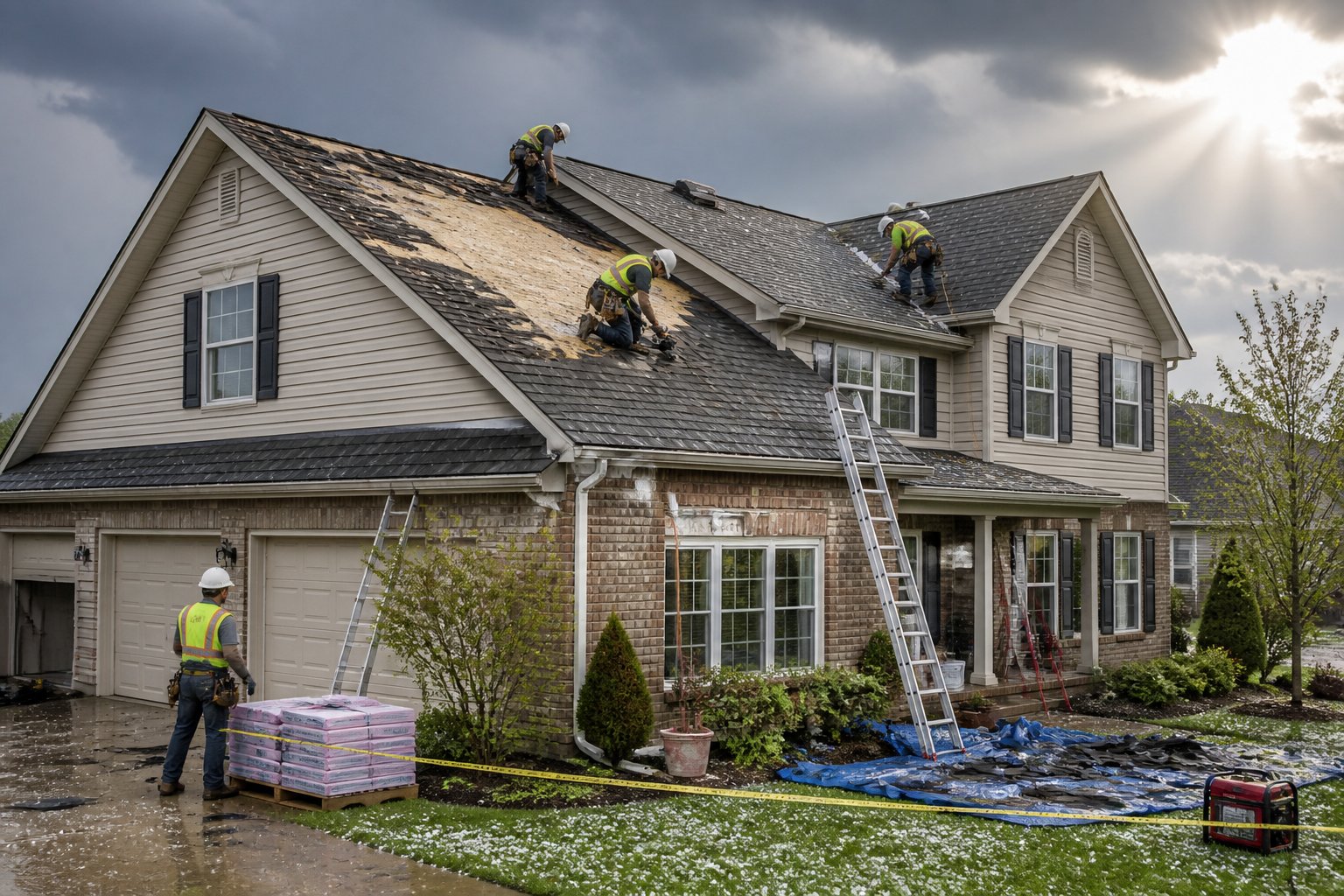
Storm damage restoration repairs damage from wind, hail, and wild weather. This can mean roof repairs, fixing broken windows, and dealing with structural problems.
Benefits For Homeowners
You get peace of mind knowing trained professionals are dealing with your home’s recovery. Restoration experts know building codes, safety rules, and the right techniques to protect your investment.
Fast response times help limit damage and keep repair costs down. The longer water sits or mold grows, the more expensive things get.
Professional restoration companies also work directly with your insurance, documenting everything and filing claims. That saves a lot of time and stress when you’re already overwhelmed.
They’ve got the equipment to find hidden damage you might never spot on your own, which is one of the biggest advantages of residential restoration services.
Common Types Of Residential Restoration
Homes usually face three major restoration headaches: water intrusion, fire and smoke damage, and mold growth. Each needs its own tools and methods to get its place back to normal.
Water Damage Restoration
Water damage moves fast. Burst pipes, leaky appliances, or flooding can soak your floors, walls, and stuff in just minutes.
Restoration teams start by pumping out standing water. Then, they set up industrial dryers and dehumidifiers to pull moisture from drywall, wood, and carpet. This drying process can take several days.
Key steps include:
- Checking for hidden moisture in walls and under floors
- Getting rid of all standing water
- Drying out affected areas completely
- Treating surfaces to keep mold away
- Repairing or replacing damaged materials
Act quickly. Mold can start growing within a day or two after water hits. The longer water sits, the more damage it causes to your home’s structure and your stuff, and the more extensive your residential restoration services may need to be.
Fire And Smoke Damage Restoration
Fire damage isn’t just what you see. Smoke and soot sneak into fabrics, walls, and air ducts. Restoration pros first secure your property, boarding up openings and covering roof damage. They remove soot using special vacuums and cleaners. Smoke odors require deep cleaning and sometimes sealing up materials.
Soot is acidic and keeps damaging surfaces if you don’t get rid of it quickly. Pros also clean your HVAC system, so you don’t spread smoke particles around when you turn it on.
Your belongings matter, too. Restoration teams often clean and deodorize furniture, clothing, and personal items off-site using special equipment.
Mold Remediation
Mold pops up wherever moisture hangs around. You might find it after water damage, in damp basements, or near leaky pipes.
Remediation starts with finding and fixing the moisture source. If you don’t stop the water, mold just comes right back. Pros contain the area with plastic sheeting to keep spores from spreading during removal.
They use air filters to catch airborne spores. Moldy materials get removed and bagged for disposal. Non-porous surfaces can be cleaned, but drywall and other porous materials often need to be removed.
Warning signs you need mold remediation:
- Visible mold on walls or ceilings
- Musty smells in certain rooms
- Water stains or weird discoloration
- Recent water damage or leaks
Proper removal matters. Mold exposure can cause breathing issues and allergies, especially for kids or people with health problems.
Specialized Residential Restoration Services
Some types of damage need extra know-how and equipment. Storms, biohazards, and structural issues all call for specialists who understand the unique challenges these problems bring.
Storm And Wind Damage Repair
Storms can rip off shingles, break windows, and mess with your home’s structure, sometimes in ways you won’t spot right away. Wind usually hits the roof first, opening up spots where water can sneak in and cause even more trouble.
Storm restoration teams check your whole property for damage, including hidden issues in the attic or walls. They handle emergency board-ups to keep your home safe while repairs are underway.
You might need help with fallen trees, damaged siding, or busted gutters. These specialists work with your insurance company, taking photos, writing reports, and providing estimates to help you get the coverage you need. The main goal is to fix your home’s protective shell quickly so you can feel safe again.
Biohazard Cleanup
Biohazards include sewage backups, crime scenes, unattended deaths, and animal waste. These situations need special cleaning because they involve bacteria, viruses, and other hazards that can make you sick.
Certified biohazard techs wear protective gear and use hospital-grade disinfectants to clean everything properly. They remove contaminated materials, sanitize surfaces, and dispose of hazardous waste according to regulations.
Don’t try this yourself. It’s not worth the health risk. Cleanup also includes odor removal and air quality testing to make sure your home is truly safe. These pros know how sensitive these situations can be and work discreetly to protect your privacy.
Structural Repairs
Structural damage hits the foundation, load-bearing walls, floor joists, or roof supports, basically, the stuff that keeps your house standing. Water, fire, settling, or just years of neglect can all cause trouble.
Restoration contractors check if your home’s structure is still safe and draw up a repair plan that meets building codes. They might need to install temporary supports, replace damaged beams, reinforce weak walls, or fix foundation cracks.
Structural work usually needs permits and inspections from local authorities. Your restoration team handles the paperwork and makes sure the work passes inspection before calling it done.
The Restoration Process Explained
Professional restoration follows a step-by-step process that moves from evaluating the damage to getting your home back to normal. Each phase builds on the last, always starting with the most urgent problems.
Initial Assessment And Inspection
When restoration pros show up, they start by documenting all the damage. They take photos, record videos, measure moisture levels, and make a detailed inventory of what’s been affected.
This documentation is key to your insurance claim. The team checks for hidden problems using thermal cameras and moisture meters, tools that spot water behind walls or under floors.
Your restoration company will give you a written scope of work after the assessment. This document lays out what needs to be done, the expected timeline, and estimated costs. You’ll know what to expect before any work kicks off.
Damage Mitigation Steps
Mitigation starts right away to stop damage from getting worse. For water issues, crews pump out standing water and set up industrial dehumidifiers and air movers.
They pull out wet materials like carpet padding, drywall, and insulation that can’t be saved. Fire damage mitigation means boarding up openings, tarping roofs, and removing smoke odor with specialized cleaning methods.
The team seals off affected areas to keep soot and ash from spreading. Your belongings get cleaned, dried, and stored securely if needed.
The restoration crew treats salvageable items with antimicrobial solutions to prevent mold. They keep detailed records of everything they remove from your property.
Restoration And Reconstruction
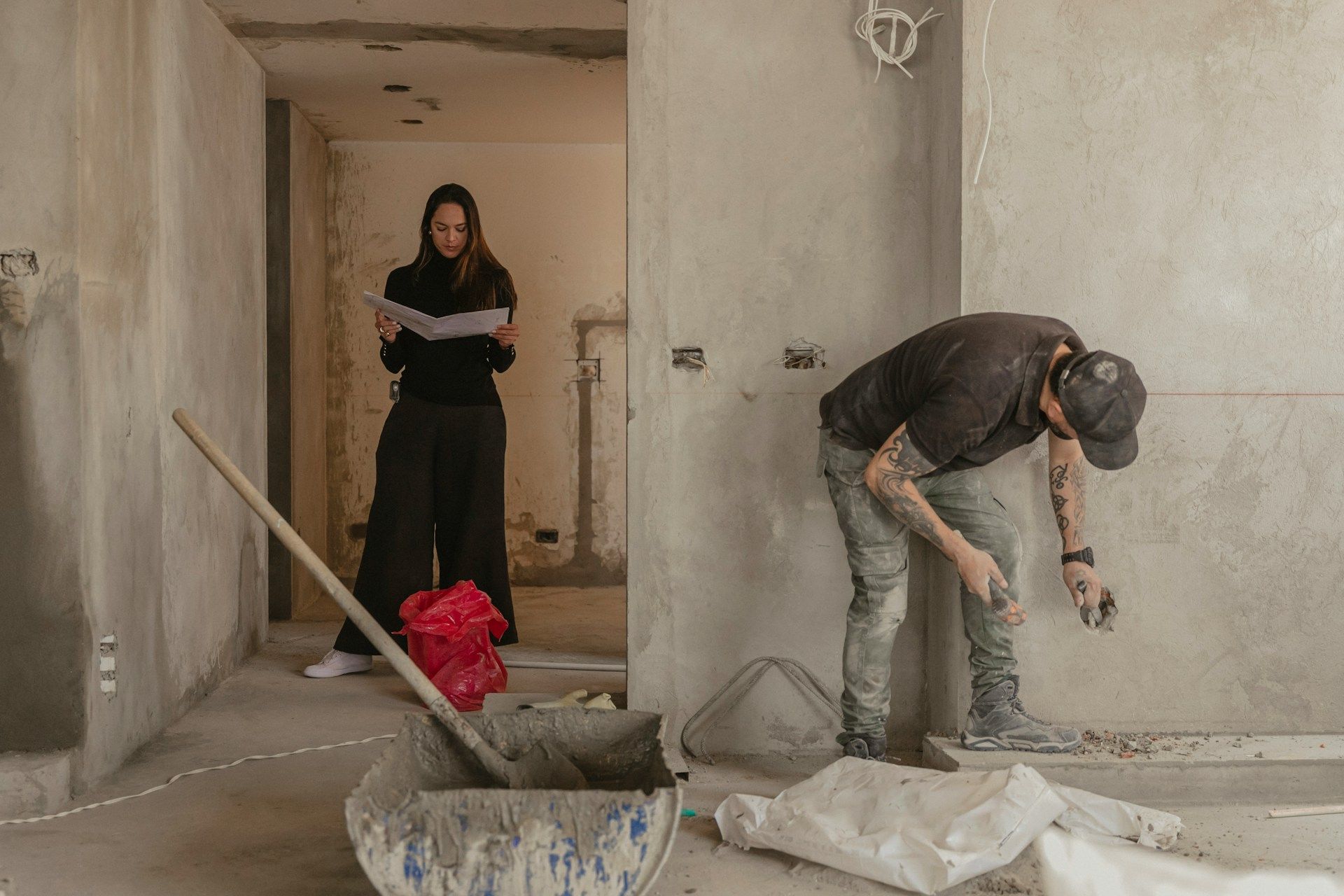
Once mitigation is done and everything’s dry, rebuilding begins. Minor repairs could mean replacing drywall, installing new floors, or repainting.
Work usually goes room by room to keep disruption down. Major reconstruction covers structural repairs like replacing roof sections, rebuilding walls, or updating electrical and plumbing systems.
Licensed contractors handle the specialized work to make sure everything meets code. You’ll get updates throughout, so you’re not left in the dark. The final step is a walkthrough where you inspect everything. Your restoration company will sort out any concerns before wrapping up.
Choosing A Residential Restoration Company
Finding the right restoration company means checking credentials, asking the right questions, and knowing what qualities matter most for your situation.
Key Qualities To Look For
A trustworthy restoration company should offer comprehensive services, not just the basics. Companies that handle everything from cleanup to final repairs save you the hassle of juggling multiple contractors.
Experience with your specific type of damage really matters. A crew that’s great with water damage might not be as sharp with fire or mold. Ask how long they’ve handled situations like yours and request examples of similar jobs. Fast response times are critical.
Water damage and mold move quickly, so pick a company that’s available 24/7 and can show up within a few hours. Make sure they carry proper insurance, including liability and workers’ comp, to protect you if something goes sideways during the job.
Certifications And Training
The Institute of Inspection, Cleaning and Restoration Certification (IICRC) sets the industry bar for restoration work. Techs with IICRC certification have completed specific training for water, fire, or mold restoration.
Your restoration company should have certified technicians, not just general contractors. These folks know the science behind damage assessment and how to use moisture meters, thermal cameras, and pro-grade drying equipment.
Check local licensing requirements, too. Make sure your chosen company holds all necessary licenses and permits. Some states have extra rules for restoration or mold services.
Questions To Ask Before Hiring
Ask how they handle insurance claims. Good companies work directly with your provider and help document the damage for your claim.
They should explain their billing process and whether they accept insurance assignment of benefits. Request a detailed written estimate that breaks down costs for materials, labor, and equipment.
The estimate should include timelines for each phase. Be cautious of companies that only give verbal quotes or seem reluctant to put things in writing.
Ask about their equipment and methods. Pros use industrial dehumidifiers, air movers, and antimicrobial treatments.
They should explain how they’ll monitor moisture and prevent mold. Find out who will actually do the work. Some companies subcontract, which can cause communication and quality issues. Direct employees usually mean more consistent results.
Costs And Insurance Considerations
Restoration costs depend on a bunch of factors, including damage severity, materials, and more. Insurance coverage varies based on your policy and the specifics of your situation.
Knowing these details helps you prepare financially and get the most from your insurance during the restoration process.
Factors Affecting Restoration Costs
The size of the affected area is a big deal. A small leak in one room is way less expensive than flooding throughout your house.
The type of damage really matters, too. Water restoration costs can range from moderate to high, depending on how contaminated the water is.
Fire damage often means more extensive work, including smoke removal and structural repairs. Mold remediation costs change based on how much it’s spread and what materials are involved.
Your home’s materials play a role. Hardwood floors are pricier to restore than vinyl, and custom cabinets cost more to fix than standard ones. Labor availability in your area can also bump up rates.
Need repairs done in a hurry? After-hours or weekend services usually cost extra. But waiting too long can lead to bigger problems and higher bills down the line.
Navigating Insurance Claims
Your homeowner's policy usually covers sudden and accidental damage, like burst pipes or fire. Most policies include structural repairs, cleanup costs, and temporary housing if your home becomes uninhabitable.
Call your insurance company right after you find damage. Snap plenty of photos and videos before you start any cleanup. Keep every receipt and jot down details about what got damaged.
Understanding your deductible is critical. You'll pay this amount before your insurance steps in. Take a close look at your policy's exclusions. Some types of damage just aren't covered. Floods usually need separate insurance, and issues from neglect or slow leaks tend to get denied.
Find residential restoration services providers that know how to handle insurance claims. They can create detailed estimates and documentation that your insurer wants. Some will even bill insurance directly, which makes life a little easier.
Ways To Save On Restoration
Act fast when damage hits. Quick action can stop secondary problems like mold, which really drives up costs. Even waiting a day can turn a small water issue into a big mess.
Get several estimates from licensed restoration companies. Compare what they offer, how fast they work, and their warranties. The cheapest bid isn't always the best deal if corners get cut.
If you're up for it, handle some basic tasks yourself. Use a wet vac to suck up standing water or move salvageable stuff to dry spots. Leave tricky jobs, like drying out walls or dealing with contamination, to the pros.
Ask about package deals if you need more than one service. Some companies give discounts if you bundle things like water extraction, mold testing, and rebuilding. Also, check if your insurance has preferred vendors. That might lower your out-of-pocket costs.
Prevention And Maintenance Tips
Taking care of your home before things go wrong saves cash and a lot of headaches. A few regular checks and preventative steps can keep water damage, fires, and other disasters at bay.
Regular Home Inspections
Every three to six months, walk through your place and look for trouble. Check your roof for missing shingles, cracked tiles, or worn-out spots that could let water in. Look at ceilings and walls for stains, cracks, or weird discoloration.
Inspect your foundation for cracks or gaps where water might sneak in. Pay attention to windows and doors. Old seals can let in moisture. Basements and crawl spaces are common trouble spots, so don't skip those.
Check your appliances and their connections. Look at washing machine hoses, water heaters, and fridge lines for leaks or wear. If a hose feels brittle or looks cracked, swap it out. If you have a sump pump, pour water in the pit and make sure it kicks on.
Preventing Water Damage
Clean your gutters and downspouts at least twice a year. Clogged gutters can overflow and ruin your roof, siding, and foundation. Make sure downspouts dump water at least five feet away from your house.
Know where your main water shut-off valve is. In a pinch, turning this off quickly can save you thousands. Test it once a year just to be sure it works.
Key water damage prevention tasks:
- Put water alarms near water heaters, washing machines, and sinks
- Swap out washing machine hoses every five years
- Insulate pipes in cold spots to avoid freezing
- Keep your home warmer than 55°F in winter
- Disconnect outdoor hoses before the freeze hits
Reducing Fire Risks
Test smoke detectors every month and swap batteries twice a year. Put detectors on every floor and in all bedrooms. Carbon monoxide detectors matter too, especially near bedrooms and gas appliances.
Dryer vents need attention. Lint buildup causes thousands of fires every year. Clean the lint filter after every load, and get the vent professionally cleaned once a year. Check that the outdoor vent flap moves when the dryer runs.
Store flammable items away from heat sources. Keep space heaters at least three feet from anything that might catch fire. Don't leave cooking unattended, and keep a fire extinguisher handy in the kitchen.
Have your heating system and chimney checked before winter. A pro can find issues like cracked heat exchangers or creosote that could cause fires or carbon monoxide leaks.
Why Timely Restoration Matters
When something damages your home, acting fast really does make a difference. Wait too long, and things spiral.
Water damage moves quickly. Walls and floors soak it up fast. Within a day or two, mold can start popping up in damp spots. What starts as a tiny leak can become a massive headache and a big bill.
Fire damage isn't just about what burned. Smoke and soot keep damaging your walls, furniture, and belongings even after the flames die out. Smoke residue is acidic and can eat away at surfaces over time.
Safety matters, too. A damaged home can be risky. Water weakens floors and ceilings, and fire can compromise walls and support beams. Professional residential restoration services teams know how to spot these dangers and fix them right.
If you wait, your insurance claim can get complicated. Most insurers expect you to do what you can to prevent more damage. If you don’t, they might pay out less.
Your daily life gets completely thrown off when your house needs major repairs. The sooner restoration starts, the sooner you get back to normal. Professional crews work fast to make your home safe and livable again.
Latest Trends In Residential Restoration
Restoration is evolving quickly in 2025. New tech and eco-friendly ideas are changing how pros fix homes after disaster strikes.
Sustainable Materials Are Taking Over
More companies are using eco-friendly materials when rebuilding. These green products are better for the planet, and often for your indoor air, too. Recycled materials, low-VOC paints, and smarter choices are popping up everywhere.
Smart Technology Integration
Restoration now includes smart home features. Your repaired place might have advanced moisture sensors or climate controls. These gadgets help stop future damage before it starts.
Key technology advances:
- AI-driven tools that spot damage faster than ever
- Drones for roof and exterior inspections
- Thermal imaging to find hidden water damage
- Digital documentation that makes insurance claims way easier
Faster Response Times
Companies are dialing in their emergency response. You can expect faster arrivals when disaster strikes. Many now work 24/7 and use better tracking systems so you know when help will show up.
Focus On Prevention
Restoration pros are teaching homeowners how to avoid future disasters. You’ll get tips on ventilation, drainage, and regular inspections.
The workforce is adapting, too. With more natural disasters, companies are hiring and training more skilled techs. That means better service and more know-how when you need help.
Getting Your Home Back After Damage
Damage to your home can disrupt everything at once. From safety concerns to insurance questions, it’s hard to know where to start when your space no longer feels secure.
Residential restoration services provide a clear path forward by stabilizing your home, preventing further damage, and restoring what was lost. With local experience and full-service care, Jenkins Restoration and Remodel helps homeowners move through the process with clarity, steady communication, and quality craftsmanship.
If your home has been damaged and you’re not sure what comes next, help is available. Get in touch to schedule a consultation and take the first step toward restoring your home and peace of mind.
Frequently Asked QuestionsWhat Do Residential Restoration Services Cover?
Residential restoration services focus on repairing and rebuilding homes after damage from water, fire, mold, storms, or similar events. This includes emergency mitigation, cleanup, drying, odor removal, repairs, and reconstruction needed to make your home safe and livable again.
How Quickly Should Restoration Begin After Damage?
Restoration should begin as soon as possible. Water damage can worsen within hours, and mold can start growing within one to two days. Acting quickly helps reduce repair costs, limits long-term damage, and supports a smoother insurance claim.
Will Residential Restoration Services Work With My Insurance?
Most professional restoration providers help document damage and coordinate with insurance companies. This includes photos, moisture readings, and written scopes of work that insurers typically require to process claims.
How Long Does The Restoration Process Usually Take?
Timelines vary based on the type and severity of damage. Drying and cleanup may take several days, while repairs and reconstruction can take weeks. A clear assessment upfront helps set realistic expectations.
Is It Safe To Stay In My Home During Restoration?
That depends on the extent of the damage. Minor restoration work may allow you to remain at home, while severe water, fire, or mold damage may require temporary relocation for safety reasons. Your restoration team should explain this clearly during the assessment.
What’s The Difference Between Restoration And Remodeling?
Restoration focuses on returning your home to its pre-damage condition after an emergency. Remodeling is a planned upgrade or improvement. In some cases, homeowners combine both once restoration work is complete.
How Can I Reduce The Risk Of Needing Restoration In The Future?
Regular inspections, prompt repairs, proper drainage, and maintaining appliances all help reduce risk. After restoration, many homeowners also choose preventative upgrades to better protect their home moving forward.