.png)


Roof problems can quickly turn into stressful decisions for homeowners. When damage appears, many people start comparing roof repair vs. replacement cost to figure out the most practical and affordable solution.
At Jenkins Restoration and Remodel, homeowners across Southern Maryland often ask whether repairing the problem will be enough or if replacing the roof will ultimately save more money over time.
This guide explains the key differences between roof repair and replacement costs, what factors influence pricing, and how to determine which option makes the most sense for your home.
Roof Repair vs. Replacement Cost: What’s the Real Difference?
Knowing the difference between repair and replacement costs helps you budget and avoid surprises. Your total investment depends on the roof size, materials, and the severity of the damage.
Key Differences in Expenses
Roof repairs usually cost between $150 and $1,500 for most projects. These repairs focus on targeted problems such as damaged shingles, small leaks, or flashing issues.
A full roof replacement is a much larger project. For an asphalt shingle roof, homeowners typically pay between $5,000 and $18,923, though larger homes or premium materials can increase that total.
Labor is a significant portion of both options. Repairs take less time, which keeps labor costs lower. Replacement projects require removing the old roof, disposing of materials, and installing an entirely new roofing system.
Materials also play a role. Repairs only require limited materials for the affected areas, while replacements require complete coverage, underlayment, ventilation components, and additional installation supplies.
Cost Calculation Methods
Roofing costs are usually calculated using square footage. Roofers measure in “squares,” where one square equals 100 square feet.
For repairs, contractors measure the damaged area and often include a small buffer zone. Labor is typically billed hourly, usually at $45 to $75 per hour, plus material costs.
For full replacements, contractors multiply the roof size by the cost per square. Additional costs may include material disposal fees ($1,000–$1,500) and permits, which often range from $250 to $500.
Getting multiple estimates is always recommended. Some contractors provide a single bundled price, while others list each cost individually.
Typical Price RangesSmall Roof Repairs
Small roof repairs typically involve minor issues such as replacing a few missing shingles or fixing a small damaged area. These types of repairs usually cost between $150 and $400, depending on the materials used and how easy the repair area is to access.
Medium Roof Repairs
Medium-sized repairs often address localized leaks or a damaged section of roofing materials. These repairs typically range from $400 to $1,000, as they require more labor and materials than simple fixes.
Large Roof Repairs
Large repairs usually involve multiple damaged areas or more complex structural issues. These projects can cost $1,000 to $3,000. When repair costs reach this level, it becomes important to evaluate the roof repair vs. replacement cost, since replacing the roof may provide better long-term value.
Replacement costs vary widely depending on roofing material:
- Asphalt shingles: $5,000 to $12,000
- Metal roofing: $10,000 to $20,000
- Tile roofing: $15,000 to $30,000
- Slate roofing: $20,000 to $40,000
Roofs with steep slopes or difficult access may increase labor costs by 10% to 25%.
Deciding Between Repair and Replacement
Choosing between repairing your roof and replacing it entirely depends on the severity of the damage, the roof's age, and your long-term plans for the home.
Factors That Influence Your Choice
Roof age plays a major role in the roof repair vs. replacement cost decision. Asphalt shingle roofs typically last 20 to 25 years. If your roof is only ten years old and has a small issue, repairs usually make sense.
However, if the roof is over 20 years old and problems are starting to appear, replacement may be the better long-term investment.
The amount of damage also matters. If less than 25% of the roof is affected, repairs are usually sufficient. When 30% or more of the roof is damaged, replacement may be more cost-effective than repeated repairs.
Your future plans also matter. If you plan to sell soon, targeted repairs may be enough. If you plan to stay in your home long-term, a new roof can improve energy efficiency, durability, and peace of mind.
Typical cost comparisons include:
- Repairs: $300 to $1,500
- Full replacement: $8,000 to $16,000
In some cases, insurance may cover storm-related damage, which can significantly reduce your out-of-pocket costs.
Signs You Need a Full Replacement
Widespread shingle damage often signals that a roof has reached the end of its lifespan. Curling, cracked, or missing shingles across multiple areas are common warning signs.
Sagging sections of the roof usually indicate deeper structural issues. This may involve rotted roof decking or long-term moisture damage, which repairs alone cannot solve.
Other signs that replacement may be necessary include:
- Daylight visible through attic boards
- Water stains in multiple rooms
- Large amounts of shingle granules in gutters
When these problems appear across large portions of the roof, a full replacement is often the safer solution.
When Repairs Make Sense
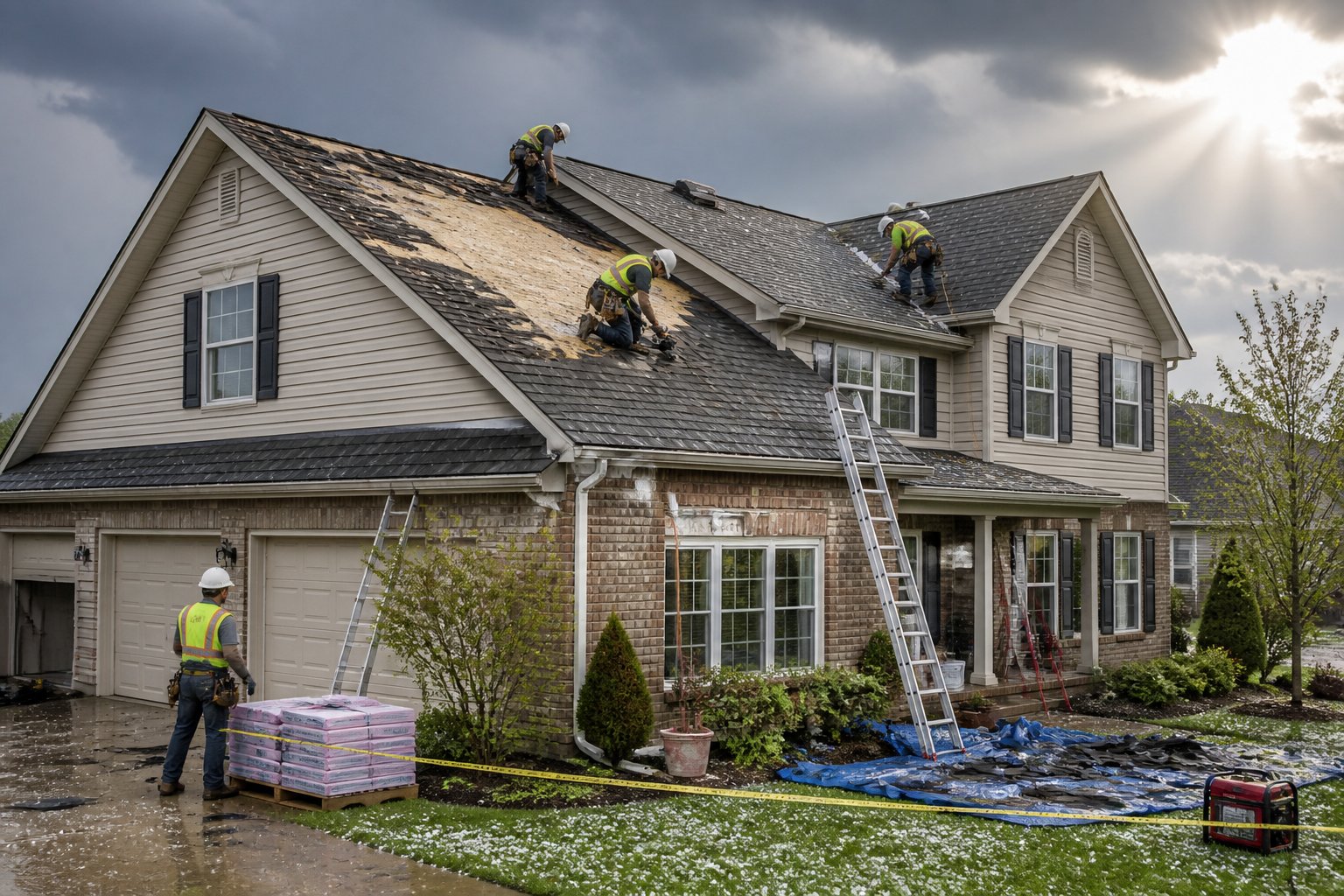
Repairs are ideal for small, localized problems. A fallen branch might damage a few shingles, or a leak may develop around a chimney or vent.
If the roof is less than 10–15 years old and has been properly maintained, targeted repairs can extend its lifespan for several more years.
Storm damage limited to one area may also qualify for insurance coverage. In these situations, repairing the affected section is usually the most budget-friendly solution.
Routine maintenance tasks such as resealing flashing, fixing small leaks, and replacing damaged shingles are much less expensive than replacing the entire roof.
Breakdown of Costs by Roofing Material
Roofing materials vary significantly in cost for both repairs and full replacements. Understanding these differences can help homeowners better compare roof repair vs. replacement costs.
Asphalt Shingles
Asphalt shingles are the most common and affordable roofing material. Minor repairs, such as replacing a few shingles or sealing a small leak, typically cost $200 to $600.
Replacing an average asphalt shingle roof usually ranges between $4,000 and $10,000, depending on roof size and the type of shingles selected.
Basic three-tab shingles cost less, while architectural shingles last longer and offer improved appearance, but may add $1,000 to $3,000 to the project.
Labor and materials typically account for 40% to 50% each of the total cost, with the remaining expenses covering removal and disposal.
Metal Roofing
Metal roofs have higher upfront costs but offer significantly longer lifespans. Repairs typically range from $300 to $1,000, depending on the extent of the damage and roof accessibility.
Full metal roof replacements usually cost $10,000 to $25,000 or more, depending on roof size and metal type. Standing seam metal roofs are typically the most expensive but also the most durable. Metal shingles and panels designed to mimic traditional roofing styles are slightly more affordable.
Metal roofs can last 40 to 70 years, compared to 15 to 30 years for asphalt shingles, which can make the higher initial investment worthwhile.
Tile and Slate Roofs
Tile and slate roofs are premium materials with higher costs. Repairs often range from $500 to $2,000 due to the specialized labor required.
Full replacement costs can reach $15,000 to $50,000 or more, depending on the specific material. Clay or concrete tile roofs generally cost $15,000 to $30,000, while natural slate roofs may range from $30,000 to $50,000.
These roofing systems can last 50 to 100 years or longer when properly maintained. While individual tiles or slates may crack, the underlying structure often remains strong for decades.
Flat Roof Materials
Flat roofs have their own cost structure and maintenance needs. Repairs typically range between $300 and $1,500, depending on the material and the severity of the damage.
Replacement costs vary by material:
- EPDM rubber roofing: $4,000 to $12,000
- TPO roofing: similar price range with improved heat reflection
- Modified bitumen: $5,000 to $13,000
- Built-up roofing (BUR): $6,000 to $15,000
Flat roofs require regular inspections and maintenance because water drains more slowly than on sloped roofs.
Additional Expenses to Consider
Roofing projects often include additional costs beyond the basic repair or replacement.
Labor and Installation Fees
Labor usually accounts for 40% to 60% of the total roofing project cost. Repair labor rates typically range from $45 to $75 per hour, though complex jobs can reach $100 per hour.
Replacement projects are often priced per square foot. Labor typically ranges from $150 to $300 per square, depending on roof complexity.
A standard 2,000-square-foot roof replacement may include $3,000 to $6,000 in labor alone. Steep roofs, additional stories, and difficult access can increase labor costs by 10% to 25%.
Permit and Inspection Costs
Many local governments require permits for full roof replacements. Permit costs typically range from $150 to $500. Some municipalities also require inspections to verify that the work meets building codes. Inspection fees can range from $75 to $200 per visit.
Full replacements may require multiple inspections, including mid-project and final inspections.
Disposal and Cleanup Charges
Removing an old roof creates significant debris. A typical roof replacement may produce 2 to 5 tons of waste. Dumpster rentals generally cost $300 to $800, depending on size and rental length.
Landfill disposal fees often range between $50 and $100 per ton. Special disposal requirements may apply for certain materials such as slate, tile, or older roofing materials containing hazardous components.
Saving Money on Your Roofing Project
Homeowners can reduce roofing costs through careful planning, research, and timing.
How to Get Accurate Quotes
Request estimates from at least three roofing contractors to compare pricing in your area. Detailed written estimates should include labor, materials, disposal, permits, and warranties.
Be cautious of unusually low bids. Extremely cheap estimates may involve lower-quality materials or incomplete work. Always verify licensing, insurance, and recent project references before choosing a contractor.
Discover how to pick the right water damage restoration company fast.
Timing Your Roof Work
Roofing companies tend to be less busy during late winter and early fall, which can sometimes reduce labor costs by 10% to 20%. Spring and summer are peak roofing seasons, which often lead to higher demand and higher prices.
However, delaying necessary repairs can lead to water damage inside the home, which may cost significantly more than addressing the roof problem early.
Insurance and Warranties
Homeowner’s insurance may cover roof damage caused by storms, hail, or falling debris. If damage occurs, document it carefully with photos and report it to your insurance provider promptly.
Insurance typically does not cover normal aging or general wear and tear, so reviewing your policy details is important. Manufacturer warranties for roofing materials often range from 20 to 50 years, while workmanship warranties from contractors typically last 1 to 10 years.
Keeping warranty documents with your home records ensures you can access them if issues arise later.
Choosing the Right Roofing Investment for Your Home
Roof damage can leave homeowners weighing a difficult financial decision. Understanding the cost of roof repair vs. replacement helps you determine whether a simple repair will solve the issue or a new roof will provide better long-term value.
At Jenkins Restoration and Remodel, homeowners throughout Southern Maryland receive clear guidance when deciding between repair and replacement. A professional inspection can reveal the true condition of your roof and help you avoid unnecessary costs.
If you're unsure which option makes the most sense, scheduling an inspection is the best next step. The right guidance can help you protect your home while making a confident decision about your roof.
Frequently Asked QuestionsIs it cheaper to repair a roof or replace it?
In most cases, roof repairs are cheaper upfront, especially when the damage is limited to a small area. Minor repairs, such as replacing a few shingles or sealing a leak, may cost a few hundred dollars. However, if a roof is older or has widespread damage, comparing the roof repair vs. replacement cost may show that replacing the roof provides better long-term value.
How do I know if my roof needs repair or full replacement?
The decision often depends on roof age, damage severity, and how much of the roof is affected. If less than about 25% of the roof has damage, repairs are usually enough. When damage covers a larger area or the roof is close to the end of its lifespan, replacement may be the more reliable option.
What is the average roof replacement cost for a home?
Roof replacement costs vary widely based on roof size and materials. Many homeowners pay between $7,000 and $18,000 for an asphalt shingle roof, while metal, tile, or slate roofs can cost significantly more. The final cost may also include labor, disposal of old materials, and permit fees.
Can roof repairs extend the life of my roof?
Yes, timely repairs and routine maintenance can extend the lifespan of a roof. Fixing damaged shingles, sealing flashing, and addressing small leaks early can prevent larger structural problems and delay the need for full replacement.
Does homeowners' insurance cover roof repair or replacement?
Insurance may cover roof damage caused by storms, hail, falling debris, or other sudden events. However, most policies do not cover damage caused by normal wear and aging. Reviewing your policy and documenting any storm damage can help determine whether coverage applies.
How long does a typical roof last?
The lifespan depends on the roofing material. Asphalt shingles typically last 20–25 years, while metal roofs may last 40–70 years. Tile and slate roofs can last even longer with proper maintenance and installation.