
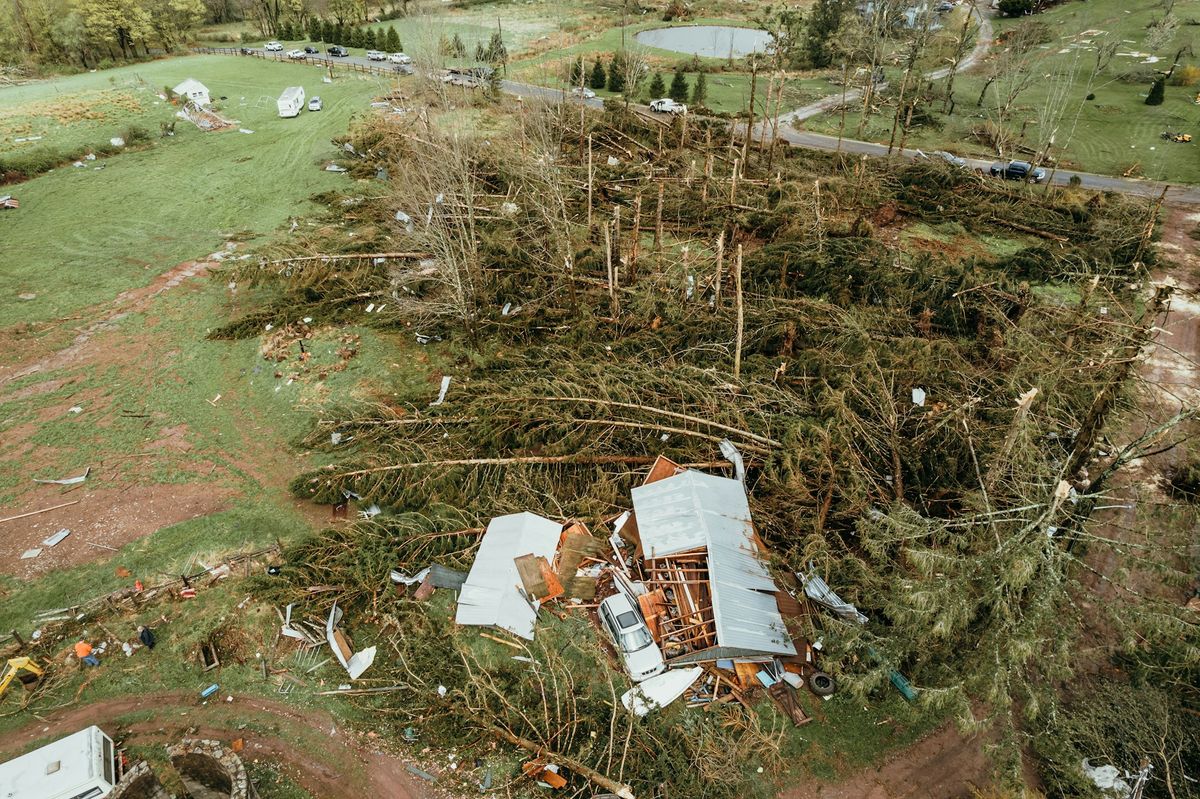
Storm damage can turn your day upside down fast. You’re trying to keep your home safe, prevent more problems, and figure out what to do first without feeling overwhelmed.
At Jenkins Restoration and Remodel, we help homeowners across Southern Maryland take the next right steps, from documenting damage to understanding insurance and planning repairs with confidence.
In this guide, you’ll learn what storm damage looks like, what to do right away, and how the storm damage restoration process typically works so you can move forward with a clear plan.
Types Of Storm Damage
Storms don’t play favorites. They hit your property in all sorts of ways, each demanding a different fix. Wind attacks from above, water sneaks into every nook, and winter weather quietly chips away at your home’s strength.
Wind And Hail Damage
Wind can be brutal. Strong gusts tear shingles off your roof, leaving the underlayment exposed and begging for trouble. You might spot missing or curled shingles, busted flashing, or torn-up roof sections after a wild storm.
Hail brings its own headaches. Those ice pellets slam into your roof, denting and cracking things you can’t always see from below. Hail can cause bruises, shingles, cracks in siding, and can even shatter windows. Each little dent is a new spot for water to creep in.
Gutters and downspouts catch a beating, too. Dents and holes mess up drainage. Broken fascia and soffits leave the roof structure exposed and at risk for even more damage.
Flood And Water Intrusion
Water is sneaky. During heavy rain, it finds every weak spot (damaged roofs, leaky windows, or under doors) and then collects in your basement or crawlspace. Even a small leak can turn into a big problem if you ignore it.
Flash floods are worse. Water rises fast and slips in through cracks or basement windows. It soaks drywall, insulation, and flooring. If you don’t dry things out within a day or two, mold starts growing in those damp spots.
Standing water weakens your foundation and washes away the soil around your house. If water gets into your electrical system, it can turn appliances and wiring into serious hazards. Don’t mess with electricity until a pro checks it out.
Snow And Ice Destruction
Heavy snow piles up and strains your roof. The weight can cause sagging, cracks, or, in the worst cases, a full-on collapse. Flat or low-slope roofs are especially at risk.
Ice dams are another headache. When heat escapes through your roof, it melts snow, which refreezes along the edges. The ice blocks the drainage and forces water back under your shingles. That water leaks into your attic and walls, wrecking insulation and setting the stage for mold.
Pipes freeze and burst when the water inside expands. You’ll find cracked pipes in basements, attics, and outside walls, basically anywhere that isn’t heated. Once things thaw, the water damage can get out of hand fast.
Immediate Steps After A Storm
Right after a storm, every minute counts. What you do in those first hours can keep things from getting worse and help keep everyone safe.
Ensuring Personal Safety
Your safety is the top priority. Wait until the storm is over and officials say it’s safe before you check things out. Stay clear of downed power lines, even if they look dead; they might still be live.
Check yourself and anyone with you for injuries. If someone’s hurt, get medical help before worrying about the house.
Watch out for hazards inside, too. Broken glass, exposed nails, or wobbly structures can be hidden dangers. Water on the floor might be in contact with live wires, so tread carefully.
If you spot water damage or sparking, shut off the electricity at the breaker. Smell gas or hear a hiss? Turn off the gas supply right away. Hold off on candles or anything with an open flame until you’re sure there’s no gas leak.
Wear sturdy shoes, long pants, and gloves while you move through any wreckage. Storms leave behind all sorts of sharp surprises.
Assessing Property Damage
Once you know it’s safe, start documenting everything. Snap photos and take videos of all damage from different angles. Get wide shots and close-ups. You’ll need these for insurance.
Check your roof from the ground with binoculars if you have them. Look for missing shingles, holes, or sagging spots. Don’t climb up there yourself if it looks sketchy.
Circle your home and inspect siding, windows, and the foundation. Look for cracks, broken glass, or water pooling near the base. Inside, scan for water stains on ceilings and walls. Check closets, attics, and basements for hidden moisture. Feel carpets and peek under furniture.
Make a list of damaged stuff in each room. If you can, jot down how old things are and what they’re worth.
Contacting Emergency Services
Call 911 if you’re dealing with injuries, gas leaks, downed lines on your house, or any life-threatening situation. Let the pros handle the dangerous stuff.
Reach out to your insurance company ASAP. Most have 24-hour hotlines for claims. The sooner you call, the faster things start moving.
Contact your utility companies if you’ve lost power, gas, or water. They’ll give you updates on outages and when things might be back.
If you need immediate help, like boarding up windows or tarping the roof, call a licensed restoration company. They can stop things from getting worse while you wait for repairs, which is a critical first phase of storm damage restoration.
Professional Storm Damage Restoration Process
Restoration crews follow a pretty structured process to get your property back on track. They’ll inspect everything, remove water, and repair what’s broken.
Initial Inspection And Assessment
When the restoration team shows up, they do a full inspection. They’ll check every part of your place, roof, walls, floors, and foundation, to spot all the damage.
They document everything with photos and notes. Moisture meters help them find wet spots you can’t see. This info shapes the repair plan and helps you get an accurate estimate.
Your insurance company usually needs this assessment for your claim. Inspections typically happen within a day or two after you call. The faster you get it done, the less chance there is for further damage during storm damage restoration.
Water Removal And Drying
Water extraction starts right after the assessment. Crews use heavy-duty pumps and vacuums to get rid of standing water. The quicker they move, the less damage your stuff takes.
Once the obvious water’s gone, they set up dehumidifiers and air movers. These pull moisture out of walls, wood, and carpets. Drying can take a few days, depending on how soaked things got.
They check moisture levels every day and move equipment around as needed. This thorough drying keeps mold from moving in. It can start growing in just a day or two if things stay wet.
Structural Repairs
After everything’s dry, real repairs begin. Crews fix or replace damaged roofs, siding, windows, and more. They’ll also handle issues with walls, ceilings, and floors.
Big repairs might mean replacing whole roof sections or rebuilding walls. Smaller jobs could be patching drywall or replacing insulation and wiring.
Finishing touches bring your place back to normal, painting, new flooring, trim, all that good stuff. The aim is to make it look and feel like the storm never happened, which is the goal of complete storm damage restoration.
Choosing A Reliable Restoration Company
Picking the right restoration company can save you a ton of stress. Look at their credentials, how quickly they respond, and what previous customers say.
Certification And Experience
Make sure your restoration company has the right licenses and industry certifications. Credentials like IICRC (Institute of Inspection, Cleaning and Restoration Certification) show they know their stuff.
Experience is huge. A company that’s handled storm damage before will spot hidden issues and know how to work with insurance. Ask about their history and what types of storm damage they’ve tackled.
Verify that they’re insured and bonded. This protects you if something goes sideways during repairs. A reputable company won’t hesitate to show you its paperwork and explain what it means.
Response Time And Availability
Storm damage only gets worse if you wait. Water leads to mold, and exposed areas invite more trouble. You want a company that offers 24/7 emergency service and can get started within hours.
Ask how busy they are and when they can actually start your job. Some companies overbook and leave people waiting. Get a clear timeline in writing.
The best teams have crews ready to go and show up with all the right equipment to start protecting your home right away, especially when storm damage restoration begins with emergency protection.
Customer Reviews
Check reviews on Google, BBB, and local forums. Look for trends in what people say, not just the star ratings. Notice how companies handle negative feedback. Do they try to fix issues or just make excuses? The good ones own their mistakes and make things right.
Ask for references from recent, similar jobs. Chat with those clients, were the crews professional, was the work done on time, would they hire them again?
Preventing Future Storm Damage
A strong roof, impact-resistant windows, and smart landscaping can make your home a lot tougher when storms roll in. These upgrades save money on repairs and keep your family safer.
Reinforcing Roofs And Windows
Your roof is your home’s first shield against the elements. Check it twice a year for loose or missing shingles, cracks, or weak spots. Replace anything damaged before it turns into a leak.
If you live where storms are common, think about upgrading to impact-resistant shingles. They’re built to handle high winds and hail better than regular ones. Adding roof straps or hurricane clips can help keep your roof attached to the walls.
Windows are a weak point during storms. Install storm shutters or impact-resistant windows to keep wind and rain out. Shutters come in all styles: accordion, roll-down, or panels.
Seal gaps around window frames with weatherproof caulk. It’s a small fix that keeps water out and makes windows stand up to wind better.
Landscaping For Storm Resistance
Trees and branches can do serious damage if they come down during a storm. Trim trees regularly and get rid of dead branches before storm season. Ideally, keep trees at least 20 feet from your house.
Go for native plants and shrubs in your yard; they stand up to local weather better. Their roots are deep and less likely to get pulled up by the wind. Don’t plant tall trees near power lines or too close to your house.
Secure outdoor furniture, grills, and decorations before a storm. Otherwise, they can become dangerous projectiles. Move them inside or anchor them with straps if you can’t.
Restoring Peace Of Mind After Storm Damage
Storm damage can leave you feeling stressed and unsure about what comes next. Taking the right steps early helps protect your home, limit further damage, and keep the process from becoming more overwhelming.
With clear communication, careful repairs, and a structured approach, storm damage restoration becomes more manageable and predictable instead of chaotic.
Jenkins Restoration and Remodel is here to help you move forward with confidence. Get in touch to schedule a consultation and get your home back on track.
Frequently Asked QuestionsWhat Should I Do First After Storm Damage?
Start by making sure everyone is safe and that there are no immediate hazards like downed power lines, gas leaks, or unstable structures. Once it’s safe, document all visible damage with photos and videos. This early documentation is a key first step in the storm damage restoration process and helps support your insurance claim.
How Soon Should Storm Damage Restoration Begin?
Storm damage restoration should begin as soon as possible. Delays can allow water intrusion, mold growth, or structural issues to worsen. Even temporary measures like tarping a roof or boarding up windows can prevent additional damage while permanent repairs are planned.
Can Storm Damage Get Worse If It Looks Minor?
Yes. Damage that seems minor, such as small roof leaks or hairline cracks, can hide moisture or structural issues. Over time, this can lead to mold, wood rot, or insulation damage. A professional inspection helps uncover hidden problems early in the storm damage restoration process.
Will My Homeowners Insurance Cover Storm Damage Restoration?
Most homeowners' insurance policies cover storm-related damage caused by wind, hail, or rain that enters through storm-created openings. Coverage details vary, and flood damage may require a separate policy. Reviewing your policy and documenting damage thoroughly helps avoid delays or disputes.
How Long Does Storm Damage Restoration Usually Take?
The timeline depends on the severity of the damage. Minor repairs may take only a few days, while major structural or water damage can take several weeks. After an inspection, your restoration team should provide a general timeline and keep you updated as work progresses.
What Are Signs Of Hidden Storm Damage?
Common signs include water stains on ceilings or walls, musty odors, sagging drywall, new cracks, or unusually high humidity indoors. If you notice any of these after a storm, it’s best to schedule an inspection to determine whether storm damage restoration is needed.
Do I Need To Be Home During Storm Damage Repairs?
Not always. Many homeowners are present for the initial inspection and planning phase but don’t need to be home for all repairs. Clear communication and access arrangements help the process move forward smoothly while minimizing disruption to your routine.