.png)


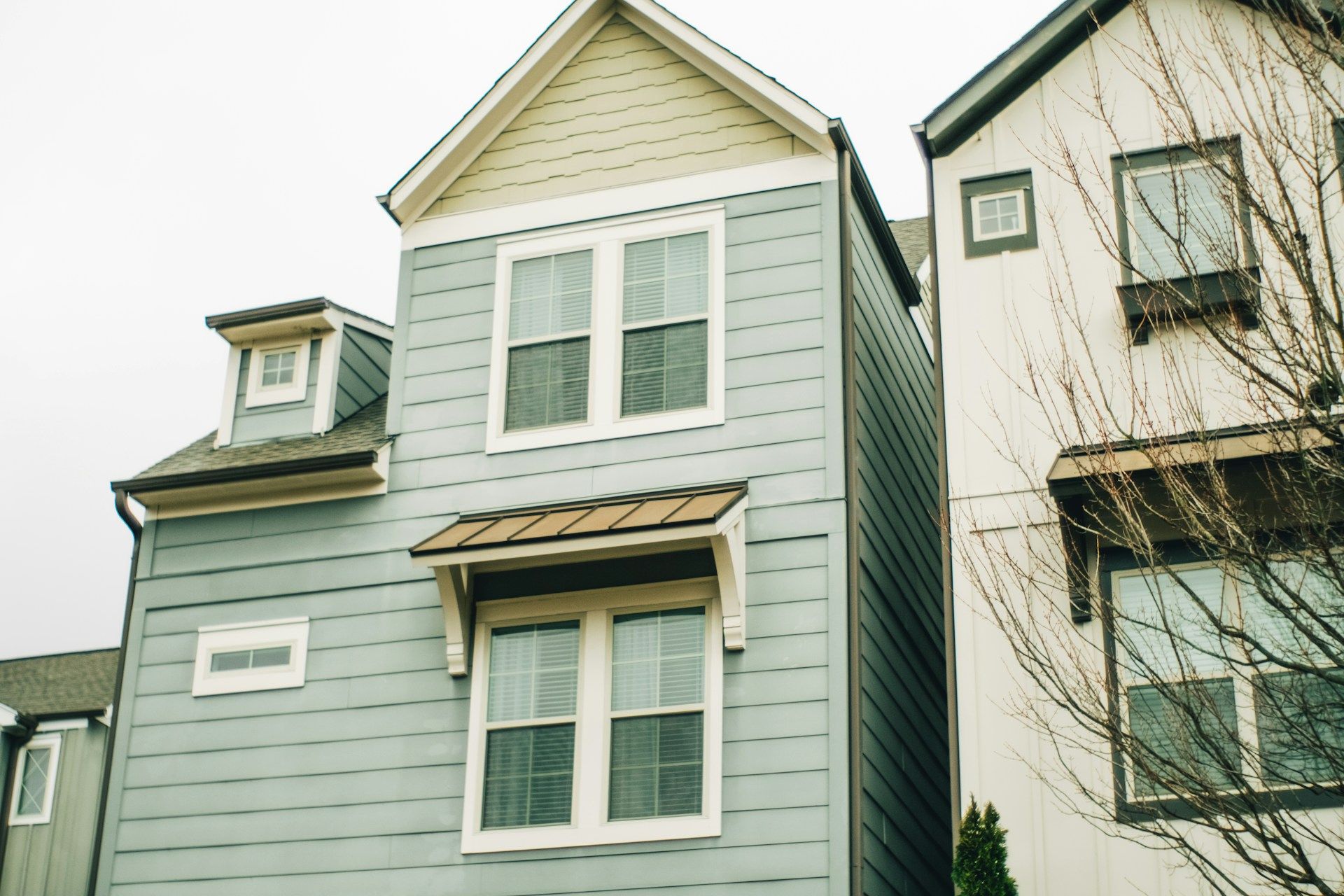
When your siding starts to fail, it can leave your home exposed to weather, rising energy bills, and constant worry about what might come next. Many homeowners feel unsure whether repairs are enough or if full replacement is the smarter move.
Jenkins Restoration and Remodel works with Southern Maryland homeowners who want clear answers and dependable siding installation services without confusion or pressure. We focus on helping you understand your options, timelines, and what to expect at each step.
This guide breaks down siding materials, installation methods, costs, and maintenance so you can make informed decisions. With the right information, upgrading your home’s exterior feels manageable and well planned.
Overview Of Siding Installation Services
Professional siding installation protects your home from weather damage while improving its appearance and energy efficiency. The right materials and installation methods can last 20 to 50 years, depending on what you choose.
Benefits Of Professional Siding Installation
When you hire trained installers, your siding works correctly from the start. They know how to prepare your walls, install weather barriers, and secure each piece to prevent water damage and air leaks.
Professional work usually comes with warranties that protect your investment. Most contractors guarantee their labor for several years, and material warranties can extend up to 50 years for certain siding types.
Your home’s value can go up with quality siding installation. New siding often returns 70 to 80 percent of its cost when you sell your home.
Professionals get the job done faster than most DIY attempts. What might take you several weekends often takes experienced crews just a few days. They also handle permits and building code requirements, which can vary a lot depending on where you live.
Types Of Siding Materials Available
Vinyl siding costs $3 to $12 per square foot installed and barely needs any maintenance. It comes in lots of colors and styles, but it can crack if it gets super cold.
Fiber cement runs $6 to $20 per square foot and stands up to fire, insects, and rot. You’ll need to repaint it every 10 to 15 years to keep it looking sharp.
Wood siding has that classic, natural look at $8 to $15 per square foot, but it needs regular staining or painting. Cedar and redwood hold up better against insects than other woods.
Metal siding (aluminum or steel) costs $5 to $15 per square foot and can last 40 years or more. It doesn’t burn and handles rough weather like a champ. Engineered wood gives you the wood look at $4 to $9 per square foot, but with better moisture resistance than real wood.
Common Installation Methods
Installers start by removing your old siding and checking the wall structure for damage. They fix any problems with the sheathing or framing before moving forward.
A weather-resistant barrier goes up next to stop moisture from reaching your walls. This layer might be house wrap or felt paper, with special tape sealing all seams and openings.
The actual siding installation starts at the bottom of your walls and moves upward. Each piece overlaps or locks into the one below it to shed water properly.
Installers leave small gaps for expansion and contraction as temperatures change. They cut openings for windows and doors precisely, then add trim pieces and caulking to seal these vulnerable spots.
The final step includes installing corner pieces, soffit, and fascia to finish off your home’s exterior.
Choosing The Right Siding For Your Home
Picking siding means balancing your budget with practical needs like weather resistance and maintenance requirements, while making sure the material looks good on your home.
Factors To Consider When Selecting Siding
Your budget shapes which siding material makes sense. Vinyl siding usually costs less upfront and needs very little maintenance, so it’s a favorite for folks watching expenses. Fiber cement and metal siding cost more at first but offer better durability and longer lifespans. Maintenance requirements can vary a lot.
Wood siding needs regular painting or staining every few years to keep out rot and pests. Vinyl and fiber cement just need the occasional cleaning with soap and water.
Durability affects long-term value. Fiber cement, metal, and brick veneer resist fire, pests, and severe weather better than other options. These materials can last 50 years or more with decent care. Energy efficiency matters for your heating and cooling bills.
Insulated vinyl siding and fiber cement help reduce energy costs by adding an extra layer of protection against temperature changes. Some materials also reflect heat better than others, keeping your home cooler in summer.
Climate And Environmental Considerations
Your local weather really should guide your siding choice. Homes in areas with heavy rain need materials that resist moisture damage and mold growth.
Fiber cement and vinyl perform well in wet climates because they don’t soak up water as wood does. Hot, sunny regions require siding that won’t warp or fade.
Vinyl siding can expand and contract with temperature swings, while fiber cement stays stable. Metal siding reflects heat effectively, but it can get hot to the touch.
Cold climates with freeze-thaw cycles need materials that won’t crack or split. Fiber cement handles temperature swings without much trouble.
Wood siding can split when moisture freezes inside the boards. Coastal areas with salty air need corrosion-resistant options. Vinyl and fiber cement stand up to salty conditions better than metal, which can rust over time, even with coatings.
Matching Siding With Architectural Styles
Traditional homes like Colonial, Victorian, or Craftsman styles look best with wood or fiber cement siding that mimics wood grain. These materials come in clapboard or shingle patterns that fit the home’s original design.
Modern and contemporary homes tend to work well with smooth fiber cement panels, metal siding, or stucco finishes. Clean lines and minimal texture suit these architectural styles without clashing.
Ranch and Cape Cod homes are pretty flexible and can handle almost any siding type. Horizontal vinyl or fiber cement in neutral colors keeps the classic look these homes are known for.
Color and texture choices should bring out your home’s features. Darker colors can make a house look smaller, while lighter shades help it feel more open. Textured siding adds depth and visual interest to otherwise flat facades.
The Siding Installation Process
A typical siding installation project moves through three main stages, starting with a pro checking out your home and ending with the secure attachment of new materials. Each stage needs specific tools, techniques, and attention to detail to keep your home protected for years.
Initial Consultation And Assessment
Your contractor will come out to measure your home’s exterior and check out the current condition of your walls. They’ll look for water damage, rot, or structural issues that need repair before new siding goes up.
This inspection helps figure out how much material you’ll need and spots any problem areas. During this meeting, you’ll talk about siding material options like vinyl, fiber cement, wood, or composite.
Your contractor will break down the differences in cost, maintenance, and expected lifespan for each type. They’ll also go over color choices and design features that fit your home’s style.
The assessment wraps up with a detailed quote that breaks down labor costs, material expenses, and project timeline. Most installations take 7 to 14 working days, depending on your home’s size and the job’s complexity. You’ll get a written estimate and a chance to ask questions before you commit.
Preparation And Removal Of Old Siding
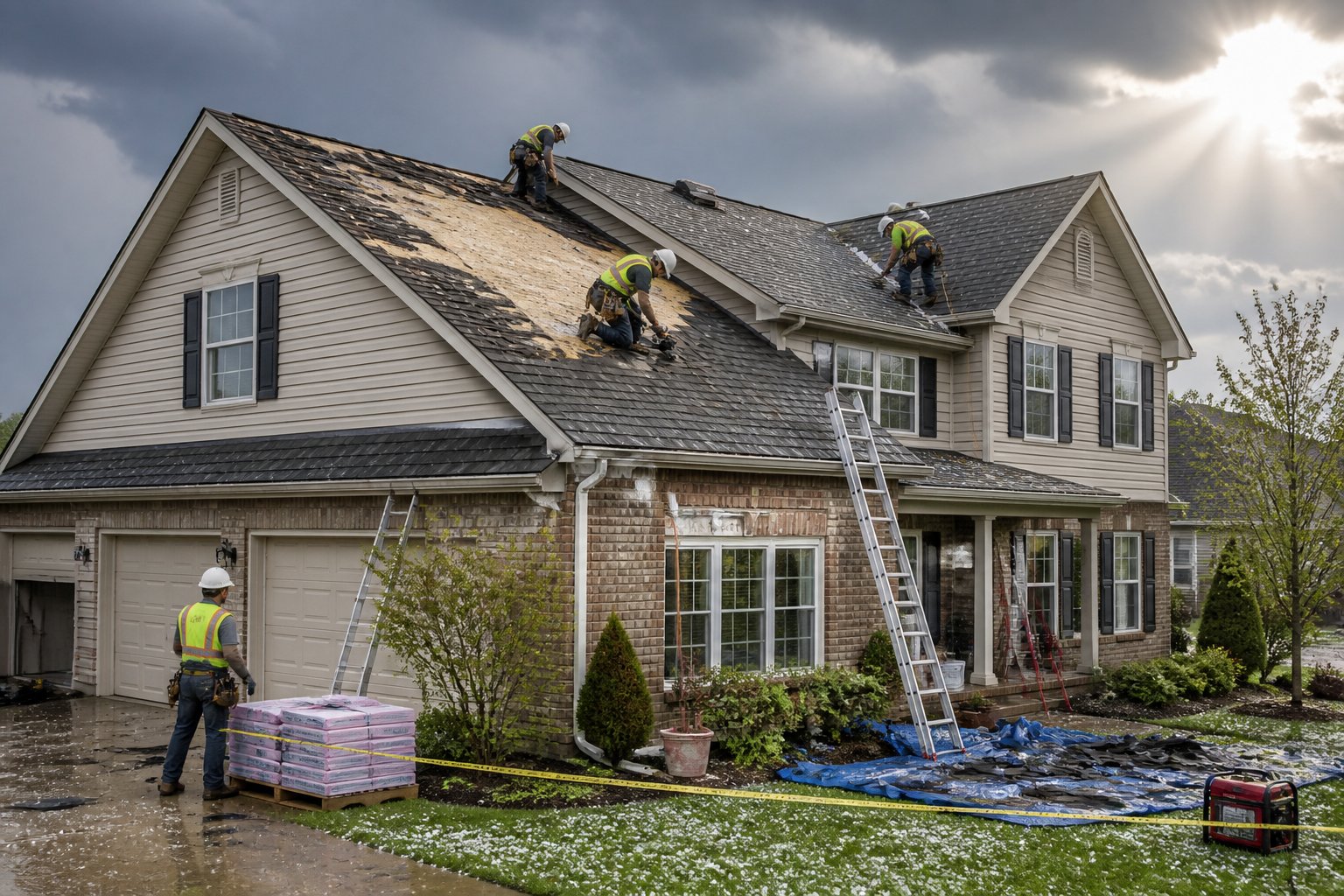
The crew starts by protecting your landscaping, windows, and doors with tarps and plastic sheeting. They carefully remove your existing siding, checking the underlying structure for damage as they go.
Any rotted wood, cracked sheathing, or moisture problems get fixed at this stage. Workers then install a weather-resistant barrier over the exposed wall surface to keep water out. This layer acts as your home’s first line of defense against the elements. If your project includes an energy efficiency upgrade, they’ll add insulation now.
Installation Steps And Techniques
Installation begins at the bottom of your walls and moves upward in horizontal rows. Each piece of siding needs to line up properly with the one below it to keep spacing consistent and create a watertight seal.
The crew uses levels and measuring tools a lot to keep lines straight. Different materials call for different attachment methods. Vinyl siding needs room to expand and contract, so installers don’t nail it too tightly. Fiber cement and wood siding get fastened more securely, right into the wall studs.
The team pays special attention to corners, windows, and door frames, anywhere water could sneak in. They install trim and flashing around these spots before moving on. The last steps include adding finishing touches like corner caps and sealing all the joints carefully.
Cost And Financing Options
Siding installation is a big investment in your home, and costs can swing a lot depending on materials, labor, and project size. Knowing the price factors and available financing can help you plan your budget.
Factors Affecting Siding Installation Costs
The material you pick shapes your total cost more than anything else. Vinyl siding is the most affordable, while fiber cement, wood, and metal cost more because of their durability and installation needs.
Your home’s size matters since contractors charge by square footage. A single-story home usually needs less material and labor than a two-story house with lots of architectural details. Labor costs depend on where you live and how tricky the job is. Removing old siding, fixing damaged sheathing, or working around windows and corners adds to the time.
Regional labor rates can vary a lot, with cities often charging more than rural areas. Don’t forget extra expenses like trim work, insulation upgrades, and permits. A lot of homeowners overlook these when planning their budget.
Typical Price Ranges For Siding Projects
Vinyl siding installation usually costs between $6,000 and $16,000 for an average-sized home. It’s the most budget-friendly option for updating your exterior.
Fiber cement siding ranges from $12,000 to $30,000, depending on your home’s size. Wood siding often falls between $15,000 and $35,000, while metal siding can run $10,000 to $25,000.
These estimates include both materials and professional installation. Your actual cost may be higher or lower based on your situation and local rates.
Financing And Payment Plans
Home equity loans let you borrow against your home’s value at lower interest rates than personal loans. This is a good option if you’ve built up some equity and need to finance a bigger project.
Personal loans offer quick approval without using your home as collateral. Many lenders have unsecured loans just for home improvements, with terms from two to seven years.
Contractor financing lets you work directly with your siding company through their financial partners. Some contractors even offer promotional periods with zero interest if you pay off the balance within a set timeframe.
Credit cards with 0% introductory APR can work for smaller projects that you can pay off quickly. Home improvement stores have their own financing programs with special terms for installation services.
Maintaining Your New Siding
Taking care of your siding keeps it looking good and protects your home for years. Regular cleaning, quick fixes, and some basic maintenance habits make a real difference in how long your siding lasts.
Routine Cleaning And Upkeep
You should clean your siding once or twice a year to get rid of dirt, mold, and mildew. For most siding types, a garden hose and a soft brush do the trick. Mix water with a little mild detergent for stubborn grime.
Start at the bottom and work your way up to avoid streaks. Rinse thoroughly from top to bottom to wash away all the soap.
Best practices for cleaning:
- Skip pressure washers on vinyl siding; they can crack or warp it
- Check for wasp nests or spider webs in corners and under eaves
- Clean gutters often to stop water from overflowing onto your siding
- Trim bushes and trees at least 12 inches away from your siding
Take a good look at your siding during each cleaning. Watch for loose panels, cracks, or spots where caulk has worn away.
Addressing Minor Repairs
Small problems can become big headaches if you ignore them. Secure loose panels with new fasteners.
Replace cracked or broken pieces right away to keep water from getting behind your siding. Check the caulk around windows, doors, and corners every year. Old or missing caulk lets moisture in and causes damage. Apply fresh caulk where needed using a caulking gun and exterior-grade sealant.
Watch for signs of damage like:
- Warped or buckled panels
- Holes or punctures
- Faded or peeling paint on wood siding
- Gaps between panels
You can handle a lot of small repairs yourself with basic tools. Call a pro if you run into bigger issues or notice widespread damage.
Extending The Life Of Your Siding
Your siding can last 20 to 50 years, depending on the material and how well you care for it. Keep gutters and downspouts clear, so water flows away from your home.
Standing water near your foundation can cause moisture problems that mess with your siding. Repaint wood siding every 3 to 7 years to protect it from the weather. Touch up scratches or chips as soon as you spot them. Move grills, lawn equipment, and other stuff away from your siding.
Heat and impacts can crack or melt it. Redirect sprinklers so they don’t spray directly on your walls for long periods. Schedule a professional inspection every few years. Sometimes the pros spot things you might miss and can recommend repairs before they get expensive.
Choosing A Professional Siding Installer
Finding the right siding installer means checking their qualifications, understanding what protections they offer, and learning from past customers’ experiences.
How To Evaluate Potential Contractors
Start by getting quotes from at least three different contractors in your area. This way, you’ll get a sense of what’s typical for pricing and can spot estimates that feel off.
Check each contractor’s licensing and insurance status. Make sure they carry both liability insurance and workers’ compensation coverage. Ask for proof and call the insurance company to confirm the policies are actually active.
Look at their experience with your specific siding material. A contractor who’s done lots of vinyl siding projects might not have the same touch with fiber cement or wood. Ask how many similar jobs they’ve handled in the past year.
Request references from recent jobs, ideally from the last six months. Contact at least three references and ask about the quality of work, whether the project stayed on budget, and if the crew cleaned up properly each day.
Certifications And Warranties
Manufacturer certifications matter because they show a contractor has received proper training for specific siding products. Certified installers often provide better warranties and understand the correct installation techniques that prevent future problems.
Ask what warranty the contractor offers on their labor. Most reputable installers provide a workmanship warranty that lasts between one and ten years. This covers installation errors separate from the product warranty.
Key warranty details to confirm:
- Length of coverage period
- What specific issues are included
- Whether the warranty transfers to new homeowners
- How to file a claim if problems arise
Get all warranty information in writing before you sign anything. Some manufacturers void their product warranties if a certified professional doesn’t install the siding.
Customer Reviews And Testimonials
Check online reviews on platforms like Google, Yelp, and the Better Business Bureau. Pay attention to how contractors respond to negative reviews; it’s a pretty good window into their customer service.
Look for patterns in feedback rather than getting hung up on one-off complaints or praise. If you see multiple comments about the same issue, like messy work sites or missed deadlines, that’s probably something to take seriously.
Ask contractors for before-and-after photos of completed projects. These images help you judge their work quality and see if their style matches what you want for your home.
Video testimonials from satisfied customers can provide even more insight into what working with the contractor is really like.
Siding Styles And Design Enhancements
The right color and finish can completely change how your home looks from the street. Adding accents and trim gives your siding a custom appearance that really sets your home apart.
Popular Colors And Finishes
Neutral colors remain the most popular choice for home siding. White, gray, beige, and tan work well with most architectural styles and keep their appeal over time.
These colors also make it easier to sell your home later. Dark colors like charcoal, navy, and forest green have become more common in recent years.
They create a bold look and hide dirt better than lighter shades. Keep in mind, though, dark colors can fade faster in direct sunlight. You can choose from several finish types for your siding. Matte finishes offer a traditional look and don’t show imperfections as easily.
Satin finishes provide a slight shine that’s easy to clean. Glossy finishes reflect more light but can highlight any dents or scratches.
Wood grain textures give vinyl and fiber cement siding a natural appearance. Smooth finishes work well for modern homes. Your finish choice affects both the look and maintenance needs of your siding.
Accent And Trim Options
Trim adds visual interest to your home’s exterior. You can use contrasting colors on window frames, door surrounds, and corner boards to make these features stand out. White trim on colored siding is a classic combination that works for most homes.
Board and batten accents create vertical lines that make your home look taller. You can add these panels to a single wall or use them as accent strips. Shakes and scalloped siding work well for gables and upper stories.
Decorative elements like shutters, corbels, and trim details let you customize your home’s style. These additions are available in materials that match your siding for a cohesive look. You can also mix materials, such as pairing stone accents with fiber cement siding, to create depth and texture.
Siding Installation For Commercial Properties
Commercial properties need siding that balances professional appearance with long-term durability and compliance. Property managers and business owners have to navigate specific location requirements and local regulations when planning siding projects.
Considerations For Business Locations
Your commercial property’s siding needs differ significantly from residential installations. You need materials that withstand heavy foot traffic, weather exposure, and maintain a polished look for years.
Budget planning requires accounting for larger square footage and potential business disruption during installation. Most commercial projects happen in phases to keep your business operational. You should schedule work during off-hours or slower seasons when possible. Material selection impacts your energy costs and maintenance schedule.
Fiber cement and metal siding offer excellent durability for high-traffic areas. Vinyl remains popular for apartment complexes and office buildings due to lower maintenance needs.
Your property’s curb appeal directly affects tenant satisfaction and customer perception. Professional-grade siding improves property value and can reduce insurance premiums. Many commercial buildings benefit from coordinating siding colors with brand identity or architectural style.
Regulations And Building Codes
Commercial siding installations must meet stricter building codes than residential projects. Your contractor needs proper licensing and insurance coverage for commercial work.
Fire resistance ratings matter significantly for commercial properties. You must use materials that meet local fire safety standards, especially for multi-unit buildings or properties near other structures.
Many municipalities require specific fire-rated products in commercial zones. Permits take longer for commercial projects and often involve multiple inspections. Your contractor should handle permit applications and schedule required inspections throughout the installation process.
Energy efficiency standards may apply depending on your property type and location. Some areas mandate specific R-values or thermal performance ratings for commercial exteriors. You might qualify for tax incentives or rebates when using energy-efficient siding materials.
Energy Efficiency And Environmental Impact
New siding can reduce your energy bills by 20-30% while protecting the environment. The right materials and proper installation create a barrier that keeps your home comfortable year-round.
Insulated Siding Options
Insulated siding combines traditional exterior materials with foam backing to boost your home’s energy performance. This foam layer adds an R-value of 2 to 5, which means better temperature control inside your house.
You’ll notice fewer drafts near walls and more consistent temperatures from room to room. Your heating and cooling system won’t work as hard to maintain comfort levels. This reduced workload translates to lower monthly utility bills.
Popular insulated siding types include:
- Insulated vinyl with foam backing
- Insulated fiber cement
- Foam-core metal panels
The foam backing also reduces outside noise and adds structural strength to your walls. Unlike standard siding, insulated options eliminate gaps where air can sneak through. You’ll spend less money on energy while keeping your home more comfortable in both summer and winter.
Eco-Friendly Siding Materials
Several siding materials offer environmental benefits beyond energy savings. Fiber cement contains recycled wood pulp and doesn’t deplete forests.
It lasts 50+ years, which means less waste in landfills. Metal siding often contains 25-95% recycled content and is completely recyclable at the end of its life.
Wood siding from sustainably managed forests regrows naturally and stores carbon dioxide. Recycled vinyl siding keeps old materials out of landfills while providing the same durability as new vinyl.
These materials require less energy to produce than traditional options. They also need minimal maintenance, which means fewer chemicals and treatments over time. Your choice of eco-friendly siding reduces your carbon footprint while protecting your home for decades.
Signs Your Home Needs New Siding
Your home’s siding protects your house from the weather and damage. Over time, it can wear out and stop doing its job well.
Cracks and warping are clear signs of trouble. If you see broken pieces or boards that don’t lay flat anymore, your siding is failing. These issues let water get behind the siding, which can cause bigger problems.
Check for fading or discoloration across your exterior walls. While some color change is normal, major fading means your siding isn’t protecting itself from UV rays anymore. This often means it’s not protecting your home either.
Higher energy bills can point to siding problems. When siding fails, your home loses heating and cooling through the walls. You might notice your HVAC system running more often than it used to.
Look for these warning signs:
- Peeling paint or loose pieces
- Bubbles or blisters on the surface
- Gaps between siding boards
- Mold or mildew growth
- Rotting or soft spots when you touch the siding
- Water stains or moisture inside your walls
Frequent repairs add up fast. If you’re calling for fixes every year, replacement might save you money in the long run.
The average lifespan for siding depends on the material. Vinyl lasts 20-40 years, while wood needs replacement every 10-20 years. If your siding is approaching these ages, start planning for a new installation.
Move Forward With Confidence In Your Siding Project
Worn or damaged siding can leave you dealing with drafts, moisture concerns, and ongoing maintenance worries. Understanding your options helps you avoid costly surprises and choose a solution that protects your home long term.
Jenkins Restoration and Remodel provides clear guidance, quality craftsmanship, and dependable siding installation services for homeowners who want their exterior handled the right way from start to finish.
If your siding is showing signs of age or no longer performing as it should, get in touch to schedule a consultation and take the next step toward a more secure, efficient home.
Frequently Asked QuestionsHow Do I Know If I Need New Siding Or Just Repairs?
Minor cracks, loose panels, or small areas of damage can sometimes be repaired. However, widespread warping, moisture issues, frequent repairs, or rising energy bills often signal that full siding replacement is the better long-term solution.
How Long Do Siding Installation Services Usually Take?
Most siding installation projects take one to two weeks once work begins. The exact timeline depends on your home’s size, the siding material, weather conditions, and whether repairs are needed beneath the existing siding.
What Is The Best Siding Material For Southern Maryland Homes?
Vinyl and fiber cement are popular choices because they handle moisture, temperature changes, and seasonal storms well. The best option depends on your budget, maintenance preferences, and the look you want for your home.
Will New Siding Improve Energy Efficiency?
Yes. Quality siding installation services help seal gaps and reduce air leaks. Insulated siding options can further improve comfort and lower heating and cooling costs throughout the year.
Do I Need Permits For Siding Installation?
In many areas, permits are required for siding replacement. A professional contractor typically handles permitting and ensures the work meets local building codes and inspection requirements.
How Much Maintenance Does New Siding Require?
Maintenance depends on the material. Vinyl and fiber cement usually need simple cleaning once or twice a year. Wood siding requires more regular painting or staining to prevent moisture damage.
Should Old Siding Always Be Removed Before Installing New Siding?
In most cases, yes. Removing old siding allows installers to inspect for hidden damage and properly install weather barriers. Skipping this step can lead to moisture problems later.
How Do I Choose A Reliable Siding Installation Contractor?
Look for licensed and insured professionals with experience in the siding material you want. Request written estimates, ask for references, and review recent projects to confirm quality and consistency.
Can Siding Installation Be Done Year-Round?
Siding installation services can be completed in most seasons, but extreme cold, heavy rain, or high winds may cause delays. Contractors plan schedules around weather to protect materials and ensure proper installation.
How Long Should New Siding Last?
Depending on the material and maintenance, new siding can last 20 to 50 years or more. Proper installation and regular upkeep play a big role in maximizing its lifespan.