.png)


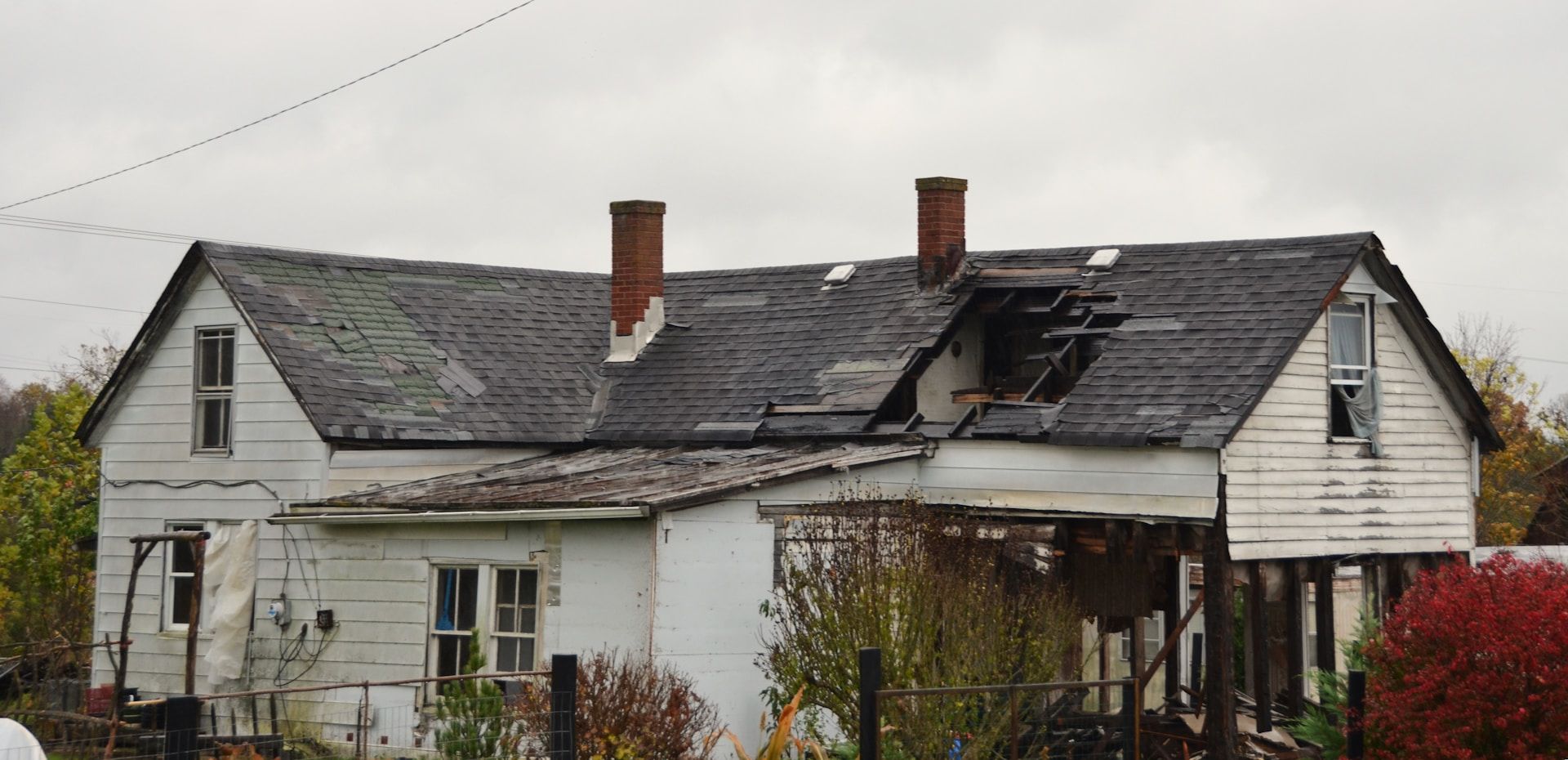
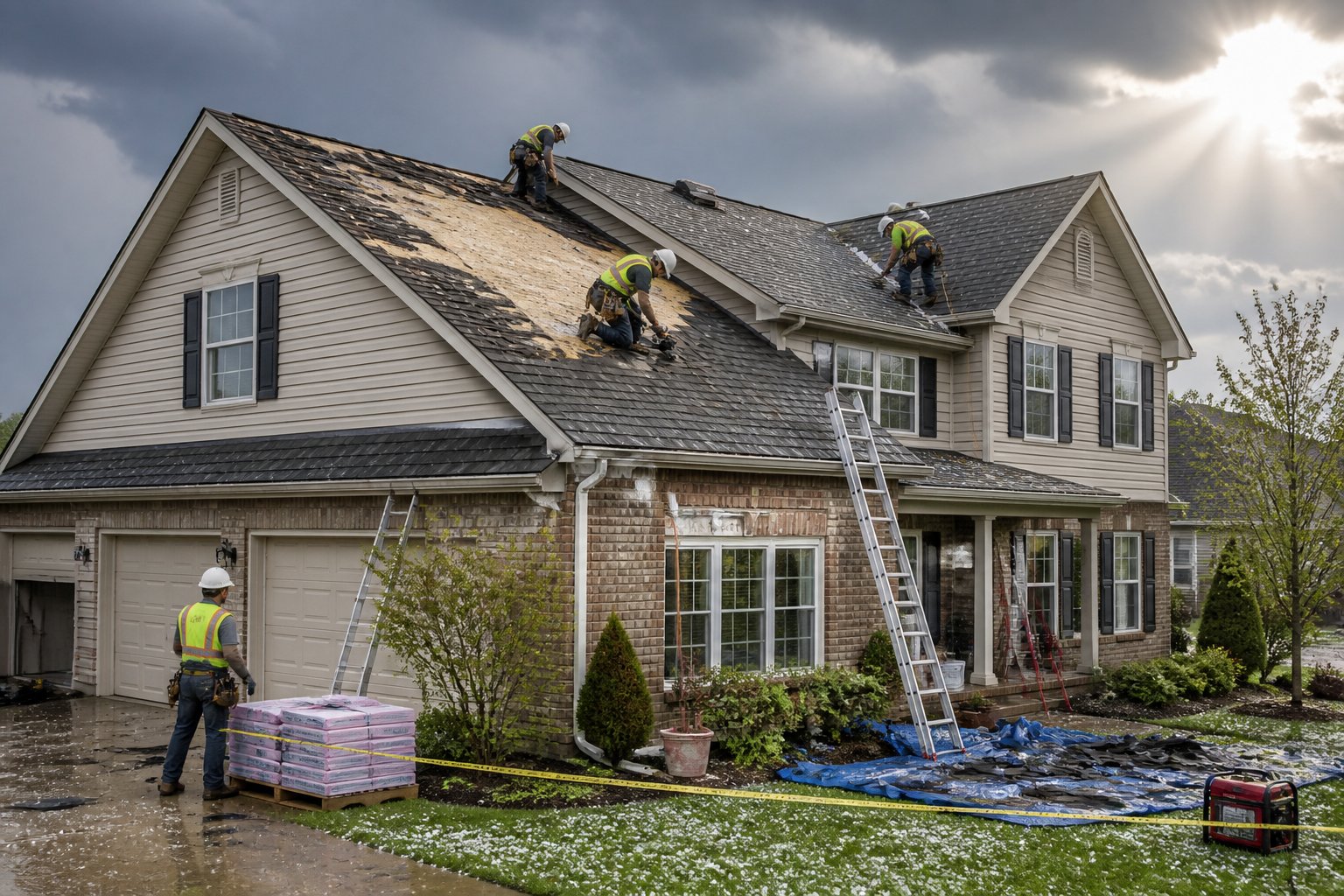
Storm damage can turn your home upside down fast. You may be dealing with leaks, missing shingles, broken windows, and water getting where it shouldn’t, all while trying to figure out what to do first.
With Jenkins Restoration and Remodel, you get clear guidance from the first inspection through repairs, plus support with documentation that helps the insurance process feel less confusing.
In this guide, you’ll learn what storm damage restoration contractors do, how to choose the right team, and what to expect during cleanup, repairs, and prevention steps.
What Does A Storm Damage Restoration Contractor Do?
Storm damage restoration contractors repair and rebuild your property after severe weather strikes. They handle everything from initial inspections to final repairs, working with your insurance company and making sure your home or business is safe again.
Types Of Storm Damage Addressed
Storm damage contractors deal with problems caused by hurricanes, tornadoes, hail, heavy rain, and high winds. Water damage is one of the most common issues they handle, including flooding in basements, water-soaked walls, and damaged ceilings.
Wind damage can tear off roof shingles, break windows, and damage siding. Hail storms create holes in roofs and dent gutters and vents.
Some contractors also handle damage from fallen trees and flying debris that crash into your property. Each type of storm creates unique challenges.
Heavy rainfall can lead to foundation problems and mold growth if not treated quickly. Wind can compromise your home's structure by weakening walls and roof supports.
Primary Restoration Services Offered
Your contractor will remove standing water using pumps and industrial vacuums. They also dry out wet areas with dehumidifiers and air movers to prevent mold from growing.
Roof repairs are a major service these contractors provide. They patch holes, replace missing shingles, and fix damaged flashing.
If your roof has severe damage, they might need to install a temporary tarp first. That’s just the beginning.
Common services include:
- Emergency board-up and tarping
- Structural repairs to walls and foundations
- Debris removal and property cleanup
- Mold inspection and remediation
- Window and door replacement
- Siding repair or replacement
The Restoration Process Explained
The process starts with a detailed inspection of your property. Your contractor documents all damage with photos and notes for insurance purposes.
They check your roof, walls, foundation, and interior spaces for problems. Next comes emergency protection work, like tarping damaged roofs, boarding up broken windows, and removing water.
These steps prevent further damage while you wait for full repairs. The contractor then creates a repair plan and cost estimate.
They work with your insurance adjuster to get your claim approved. Once that happens, they begin the restoration work, which can take weeks or even months depending on the severity.
Choosing The Right Storm Damage Restoration Contractor
Finding a qualified contractor means checking their credentials, understanding their insurance experience, and confirming they have proper licensing to handle your restoration work.
Key Qualifications To Look For
You need to verify that any contractor has a solid track record in storm damage restoration work. Look for companies with at least five years of experience specifically handling storm-related repairs.
Check their references and ask to see photos of completed projects similar to yours. A reputable contractor will gladly share this information with you.
Important qualifications include:
- Local business presence and physical office location
- Positive reviews on multiple platforms
- Professional liability insurance coverage
- Workers' compensation insurance for their crew
- Written warranties on labor and materials
You should also ask about their response time and availability. Storm damage requires quick action to prevent further issues like mold growth or water damage.
Certifications And Licensing
Every storm damage restoration contractor must hold valid state and local licenses to perform repair work legally. Ask to see their license number and verify it with your state licensing board before signing any contracts.
Industry certifications demonstrate additional expertise and training. Look for certifications from organizations like the Institute of Inspection, Cleaning and Restoration Certification (IICRC).
Contractors should also be certified by manufacturers of roofing materials or other systems they'll be repairing. These certifications ensure they follow proper installation methods and may extend your warranty coverage.
Don't work with any contractor who can't provide proof of licensing or seems hesitant to share their credentials. That's a big red flag, honestly.
Experience With Insurance Claims
A contractor familiar with insurance claims can save you significant time and stress during the restoration process. They should know how to document damage properly and communicate effectively with insurance adjusters.
Ask potential contractors how many insurance claims they handle annually. You want someone who regularly works with major insurance companies and understands their requirements.
The right contractor will:
- Provide detailed estimates that match insurance documentation needs
- Take comprehensive photos and notes of all damage
- Attend meetings with your insurance adjuster
- Help you understand your coverage and deductible
They should never ask you to sign over your insurance check or pressure you to file a claim if damage doesn't warrant it. Ethical contractors work transparently and put your interests first throughout the claims process.
Storm Damage Assessment And Inspection
Professional storm damage assessment identifies the full scope of destruction to your property and creates a foundation for insurance claims and repairs. Teams use specialized techniques to find both visible and hidden damage while keeping you safe throughout the process.
Initial Response And Safety Measures
Your safety comes first after a storm hits your property. Don't enter a damaged building until professionals confirm it's structurally sound.
Look for downed power lines, gas leaks, and unstable walls or roofs before anyone goes inside. Storm damage contractors typically arrive within 24 hours of your call.
They'll check for immediate hazards like water intrusion, exposed electrical wiring, and compromised structural elements. The team secures your property right away by tarping damaged roofs, boarding up broken windows, and shutting off utilities if needed.
Critical safety checks include:
- Electrical system integrity
- Gas line status
- Structural stability of walls and ceilings
- Water damage and flooding risks
- Fallen trees or debris hazards
Inspection Techniques
Professional inspectors examine every vulnerable area of your property using proven methods. They check your roof for missing shingles, dents, and cracks.
Siding, gutters, windows, and doors get careful attention too. Inspectors often use thermal imaging cameras to spot hidden moisture behind walls and ceilings.
This technology reveals water damage you can't see with your eyes alone. Most assessment teams have years of experience, which helps them identify problems other people might miss.
The inspection covers both exterior and interior damage. Outside, they look at your roof's condition, siding integrity, and foundation. Inside, they check for water stains, mold growth, and structural damage to walls and ceilings.
Damage Documentation For Claims
Thorough documentation makes your insurance claim process smoother and faster. Inspectors take detailed photos and videos of all damage from multiple angles.
They measure affected areas and note specific materials that need replacement. You'll get a written report that lists every damaged item with accurate cost estimates.
This report includes the location of damage, the materials involved, and the recommended repairs. Keep copies of all documentation for your insurance company.
Your damage report should contain:
- Dated photographs and videos
- Detailed written descriptions
- Measurements of damaged areas
- Cost estimates for repairs
- Material specifications
The documentation supports your insurance claim and helps you understand what repairs your property needs. This paperwork is essential when negotiating with your insurance adjuster.
Emergency Storm Damage Services
When severe weather hits your property, getting help within the first few hours can prevent thousands of dollars in additional damage. Storm damage contractors offer specialized emergency services designed to protect your home or business immediately after wind, hail, or flooding strikes.
24/7 Rapid Response
Emergency storm damage services operate around the clock because disasters don't wait for business hours. When you call, a team can typically arrive at your property within 1-4 hours depending on your location and the severity of widespread storm activity in your area.
These rapid response teams come equipped with the tools and materials needed to start protecting your property right away. They perform an initial assessment to identify immediate dangers like structural instability, exposed electrical systems, or active water intrusion.
The first responders document all visible damage with photos and notes. This documentation becomes essential for your insurance claim and helps create a complete restoration plan.
They also use specialized equipment like thermal imaging cameras to detect hidden moisture or damage that isn't visible to the naked eye.
Water Extraction And Drying
Storm damage often means dealing with significant water intrusion from rain, flooding, or burst pipes. Professional contractors use industrial-grade pumps and wet vacuums to remove standing water from your property quickly.
After extraction, the drying process begins immediately. Contractors set up commercial dehumidifiers and air movers throughout affected areas to pull moisture from walls, floors, and furniture.
This equipment runs continuously for several days to prevent mold growth, which can start within 24-48 hours of water exposure. Your contractor monitors moisture levels daily using specialized meters.
They won't remove the drying equipment until readings show your property has returned to normal humidity levels.
Board-Up And Tarping Solutions
Broken windows, damaged doors, and compromised roofs leave your property vulnerable to weather, theft, and animals. Emergency board-up services secure these openings with heavy-duty plywood and commercial-grade fasteners.
Roof tarping protects your home from additional water damage until permanent repairs can happen. Contractors use reinforced tarps anchored with boards and sandbags to create a temporary weatherproof barrier.
These emergency coverings can remain in place for weeks or even months if needed while you work through insurance claims and schedule full repairs.
Repair And Restoration Solutions
Storm damage contractors handle everything from fixing your home's structure to replacing damaged materials. These professionals bring specialized skills and equipment to restore your property safely and completely.
Structural Repairs
Your home's structural integrity is the foundation of all other repairs. Contractors start by inspecting load-bearing walls, support beams, and the foundation for cracks, shifts, or water damage.
They look for signs of compromised structural elements that could pose safety risks. Storm damage often weakens the frame of your house in ways that aren't immediately visible.
Restoration teams use moisture meters and thermal imaging to find hidden damage behind walls and under floors. They check joists, studs, and rafters for rot or instability caused by water intrusion.
Professional contractors replace damaged framing members and reinforce weakened areas to meet building codes. They also repair foundation cracks and address any settling issues caused by flooding or soil erosion. This work ensures your home is safe to occupy and helps prevent future problems.
Roof Restoration
Wind and hail commonly damage shingles, flashing, and underlayment during storms. Your contractor will inspect the entire roof system, including the decking underneath, for leaks and weak spots.
Missing shingles get replaced, and damaged sections are rebuilt to prevent water from entering your home. Restoration companies tarp damaged areas immediately to stop ongoing water intrusion.
They remove debris like fallen branches and assess whether you need partial repairs or a complete roof replacement. Professional roofers match your existing materials when possible to maintain your home's appearance.
The restoration process includes checking gutters, downspouts, and ventilation systems. Contractors seal all penetrations and replace damaged flashing around chimneys and skylights. They test the roof's waterproofing before considering the job complete.
Interior Restoration Services
Water damage affects walls, ceilings, flooring, and personal belongings inside your home. Restoration teams remove wet drywall, insulation, and flooring to prevent mold growth.
They use industrial fans and dehumidifiers to dry out the structure completely. Contractors replace damaged materialswith new drywall, insulation, and flooring that matches your existing finishes.
They repair or replace cabinets, trim, and doors affected by water or wind damage. Paint and texture work restores walls and ceilings to their original condition.
Your restoration team also addresses electrical and plumbing systems damaged during the storm. They clean and sanitize affected areas to remove contaminants brought in by floodwater. HVAC systems get inspected and cleaned to ensure they're working properly and not circulating mold spores or debris.
Working With Insurance Carriers
Storm damage restoration contractors serve as your partner in dealing with insurance companies after disaster strikes. They handle documentation requirements, communicate with adjusters, and help ensure you receive the coverage you're entitled to under your policy.
Navigating The Claims Process
You need to contact your insurance company immediately after storm damage occurs. Most policies require prompt notification, and delays can complicate your claim.
Your restoration contractor will coordinate with the insurance adjuster to assess the damage and create a scope of work. The adjuster will visit your property to document the damage and determine what repairs your policy covers.
Your contractor should be present during this inspection to point out all affected areas and explain the necessary repairs. This helps make sure nothing gets missed in the initial assessment. Insurance companies follow specific procedures and timelines for claims. Your contractor understands these requirements and can help keep your claim moving forward.
They'll provide estimates using pricing software that insurance companies recognize, which speeds up the approval process. Keep all communication documented in writing, including emails and text messages, to maintain a clear record of your claim's progress.
Filing Documentation
Proper documentation makes all the difference between a smooth claim and a denied one. Take photos and videos of every bit of damage before you start any cleanup.
Capture wide shots of entire rooms, then zoom in for close-ups of damaged walls, roofs, windows, and belongings. It’s easy to forget the details in the moment, so take more pictures than you think you’ll need.
Restoration contractors prepare detailed estimates that break down materials, labor, and equipment costs. These estimates match the format insurance companies expect, and contractors document moisture readings, structural damage, and any safety hazards that need immediate attention.
Save every receipt for emergency repairs, temporary housing, and items you have to replace right away. Create an inventory of damaged belongings, including their age and estimated value.
Contractors compile progress reports with photos showing work completed at each stage of restoration. This ongoing documentation can be a lifesaver if your claim gets questioned down the road.
Maximizing Your Coverage
Read your insurance policy carefully to understand your coverage limits, deductibles, and exclusions. Many homeowners don’t realize their policy covers additional living expenses if storm damage makes their home uninhabitable, things like hotel stays, restaurant meals, and storage costs.
A good contractor can spot damage you might overlook. Water intrusion from roof damage can seep into insulation, drywall, and electrical systems that aren’t immediately visible.
Storm debris impact sometimes compromises structural elements that need a professional’s eye. Don’t just accept the first settlement offer if it seems too low.
Contractors can provide supplemental estimates if the adjuster misses necessary repairs. Insurance companies sometimes undervalue the scope of work or use depreciated values for materials, so challenge low valuations with documentation showing current market rates and the full extent of repairs needed.
Preventing Future Storm Damage
Protecting your property from future storms is all about smart material choices, strategic outdoor planning, and regular upkeep. These steps can cut repair costs and keep your home safer when severe weather rolls in.
Upgrading Materials And Design
Modern building materials really do make a difference in how well your property handles storms. Impact-resistant shingles can withstand high winds and hail better than standard options, sometimes resisting winds up to 110 miles per hour or more.
Consider installing storm-rated windows and doors, which use reinforced frames and laminated glass that won’t shatter easily. Hurricane straps and clips secure your roof to your home’s walls, helping prevent the roof from lifting off during extreme winds.
Your siding matters, too. Fiber cement and vinyl siding hold up better against wind-driven rain than wood, and they don’t rot or warp as easily. Metal roofing is another tough choice; it can last 40-70 years and shrugs off severe weather.
Check your garage door, because it’s often a weak point during storms. A reinforced garage door can stop wind from entering your home and causing pressure damage from the inside.
Landscaping To Reduce Risk
How you set up your yard affects how much damage storms can cause. Plant trees at least 20 feet from your home to help prevent branches from hitting your roof or walls during high winds.
Trim tree branches regularly, especially dead or weak limbs that could break off. Remove any trees that are diseased or leaning toward your house.
Strong, healthy trees can act as windbreaks, but damaged ones turn into dangerous projectiles. Use proper drainage around your foundation by grading your soil so water flows away from your house.
Rain gutters and downspouts should direct water at least 5 feet from your foundation to stop flooding and erosion. Avoid planting large shrubs right next to your home; they trap moisture against your siding and create hiding spots for debris. Keep a clear zone of at least 3 feet around your foundation. It’s a small thing, but it really helps.
Ongoing Maintenance Recommendations
Regular inspections catch small problems before they become big headaches. Check your roof twice a year for loose or missing shingles, damaged flashing, and worn seals around vents.
Spring and fall are good times for these checks. Clean your gutters every season, because clogged gutters cause water to back up under your roof or overflow near your foundation.
Both situations lead to water damage that weakens your home’s storm resistance. Inspect your attic for leaks or moisture after heavy rains, looking for water stains, mold, or damp insulation.
Seal any gaps or cracks in your roof and walls with weatherproof caulk. Test your sump pump before storm season by pouring water into the pit to make sure it turns on and drains properly.
Replace the backup battery every 2-3 years. Keep records of all maintenance and repairs, and document the age of your roof, windows, and other key features. This info helps you plan upgrades and can be useful for insurance claims if you ever need them.
Cost Factors In Storm Damage Restoration
Storm damage restoration costs swing wildly depending on what you’re dealing with. The type of damage, materials needed, and local labor rates all play a role in your final bill.
Elements Affecting Pricing
The extent of property damage is the biggest factor in determining your costs. Minor repairs like fixing a few shingles or patching small leaks usually run between $500 and $3,500.
Severe damage requiring structural work can easily exceed $50,000. The type of storm matters, too; hurricane damage usually costs more to fix than wind storm damage because it combines wind and water issues.
Your location affects pricing since labor rates vary by region, and local demand spikes after major weather events. Materials you choose for repairs also impact your budget.
Standard asphalt shingles cost less than metal roofing or tile. Using the same materials as your original construction often makes sense for matching, but upgrades can bump up your home’s value and storm resistance.
Common damage types and their typical costs include:
- Roof repairs: $3,000 to $7,000
- Window replacements: $250 to $1,200 per window
- Siding repairs: $1,500 to $5,000
- Water damage restoration: $2,000 to $10,000
Understanding Estimates
Getting multiple estimates helps you understand what’s fair for your repairs. Most contractors offer free inspections and written quotes that break down labor and material costs separately. Your estimate should list each damaged area and the specific repairs needed. Watch out for vague descriptions or lump sum pricing that doesn’t explain what’s included.
Good contractors document damage with photos and explain why certain repairs are necessary. Some damage isn’t visible right away; water intrusion behind walls or roof decking damage may only show up once work begins.
Reputable contractors note these possibilities in their estimates and explain how changes would be handled.
Ask these questions when reviewing estimates:
- What specific repairs are included?
- Are there any potential hidden costs?
- How long will the work take?
- What warranty covers the repairs?
Financing And Payment Options
Many homeowners use insurance to cover storm damage repairs, with your policy typically covering sudden weather-related damage minus your deductible. Review your coverage limits before work starts since some policies cap certain repairs.
Some contractors offer payment plans so you can spread costs over several months. Restoration companies sometimes partner with financing companies that offer low or no interest for a promotional period.
Check the terms carefully; rates can jump after the promotion ends. You might qualify for disaster relief programs if your area received a federal emergency declaration.
The Federal Emergency Management Agency (FEMA) provides grants for repairs not covered by insurance. Local and state programs may also offer low-interest loans for storm recovery.
Customer Support And Satisfaction
Good customer support makes a world of difference when you’re dealing with storm damage. You need a restoration contractor who responds quickly and keeps you in the loop throughout the repair process.
Most reliable storm damage contractors offer 24/7 emergency services. That means you can call them any time, day or night, when disaster strikes.
Quick response times help prevent additional damage to your property. You should expect clear communication about the restoration timeline and regular updates on repair progress.
A good contractor helps with insurance claims and documentation, answers your questions in plain language, and treats your property with respect.
You’ll usually get a dedicated point of contact, a single person who becomes your go-to resource for questions and concerns. They should explain each step of the restoration process in terms you can actually understand.
Insurance claim support is another big plus. Many contractors work directly with insurance companies to make the claims process easier for you.
They help document damage, provide estimates, and communicate with adjusters on your behalf. The best contractors take a customer-first approach and understand that storm damage creates stress and worry.
Your restoration team should treat you with respect and empathy during a tough time. Look for contractors who guarantee their work; a warranty on repairs shows they stand behind their services.
Some companies offer warranties lasting three years or more on completed work. Reading reviews from past customershelps you judge a contractor’s service quality. Pay attention to comments about communication, professionalism, and how well they handled problems.
Safety Tips During And After Storms
Your safety comes first when a storm hits. Move to an interior room away from windows, and avoid using electrical equipment during lightning. Stay informed by monitoring weather alerts on your phone or a battery-powered radio. Keep emergency supplies like flashlights and water nearby.
During the Storm:
- Stay indoors and away from windows
- Unplug electronics to prevent damage from power surges
- Keep emergency supplies close at hand
- Avoid using landline phones during lightning storms
Once the storm passes, wait for official clearance before heading outside. Downed power lines are extremely dangerous; treat them as live wires every time.
After the Storm:
- Wear sturdy shoes and protective clothing when inspecting damage
- Take photos of all damage for insurance claims
- Watch for standing water that may hide hazards
- Check for gas leaks by smell (never use matches or lighters)
- Turn off electricity at the breaker if you see water damage
Don’t enter buildings with severe structural damage until professionals inspect them. Floodwater can contain sewage and chemicals that make you sick.
Start your property inspection from the outside. Look for roof damage, broken windows, and foundation cracks before entering.
Document everything you find with photos and notes. If you need to clear debris, work slowly and watch for sharp objects or unstable materials. Never attempt major repairs yourself when electrical systems or structural elements are involved. Professional restoration contractors have the right training and equipment to handle these dangerous situations safely.
Moving Forward After Storm Damage
Storm damage creates uncertainty, safety concerns, and a long list of decisions you didn’t ask for. Having a clear plan and the right professionals in place helps you protect your home and avoid added stress as repairs move forward.
Jenkins Restoration and Remodel provides steady guidance, detailed inspections, and complete restoration support so you’re not left guessing about next steps or timelines.
If your home has been affected by severe weather, get in touch to schedule a consultation and start moving toward a safe, well-documented recovery.
Frequently Asked QuestionsHow Soon Should I Contact A Storm Damage Restoration Contractor?
You should contact storm damage restoration contractors as soon as it’s safe after the storm passes. Quick action helps prevent secondary damage like mold growth, structural weakening, and ongoing water intrusion.
Even if damage looks minor, an early inspection can uncover hidden issues and create proper documentation if an insurance claim becomes necessary.
Do I Need To File An Insurance Claim Before Repairs Start?
You do not need full claim approval before emergency services begin. Most storm damage restoration contractors can perform temporary repairs like tarping, board-up, and water extraction right away to protect your home.
For permanent repairs, your contractor typically coordinates with your insurance adjuster to align the scope of work with your coverage.
What If Storm Damage Isn’t Immediately Visible?
Not all storm damage is obvious. Water can seep behind walls, under flooring, or into roof decking without clear signs at first. Professional inspections use moisture detection tools and trained assessments to identify hidden damage early, helping you avoid larger problems later.
How Long Does Storm Damage Restoration Take?
Timelines depend on the extent of damage and insurance approval. Emergency services may take hours or days, while full restoration can take several weeks. Your contractor should provide a clear plan and keep you updated as repairs progress so you know what to expect.
Will Storm Damage Restoration Contractors Help With Insurance Paperwork?
Yes, experienced storm damage restoration contractors assist with documentation, photos, estimates, and communication with insurance adjusters. This support helps reduce delays, avoids damage, and keep the claim process organized and easier to manage.
Can I Stay In My Home During Storm Damage Repairs?
That depends on the severity of the damage. Minor repairs may allow you to stay, while significant structural or water damage may require temporary relocation. Your contractor can help assess safety concerns and explain whether repairs can be completed while the home is occupied.
How Can I Avoid Storm Damage Scams After Severe Weather?
Be cautious of contractors who pressure you to sign quickly, ask for large upfront payments, or won’t provide written estimates. Reputable storm damage restoration contractors are licensed, insured, transparent, and willing to answer questions without urgency or pressure.
What Should I Do Before The Restoration Team Arrives?
If it’s safe, take photos of visible damage and move valuable items away from water or exposed areas. Avoid making permanent repairs yourself. Temporary steps like placing buckets under leaks are fine, but leave structural and electrical work to professionals.