.png)


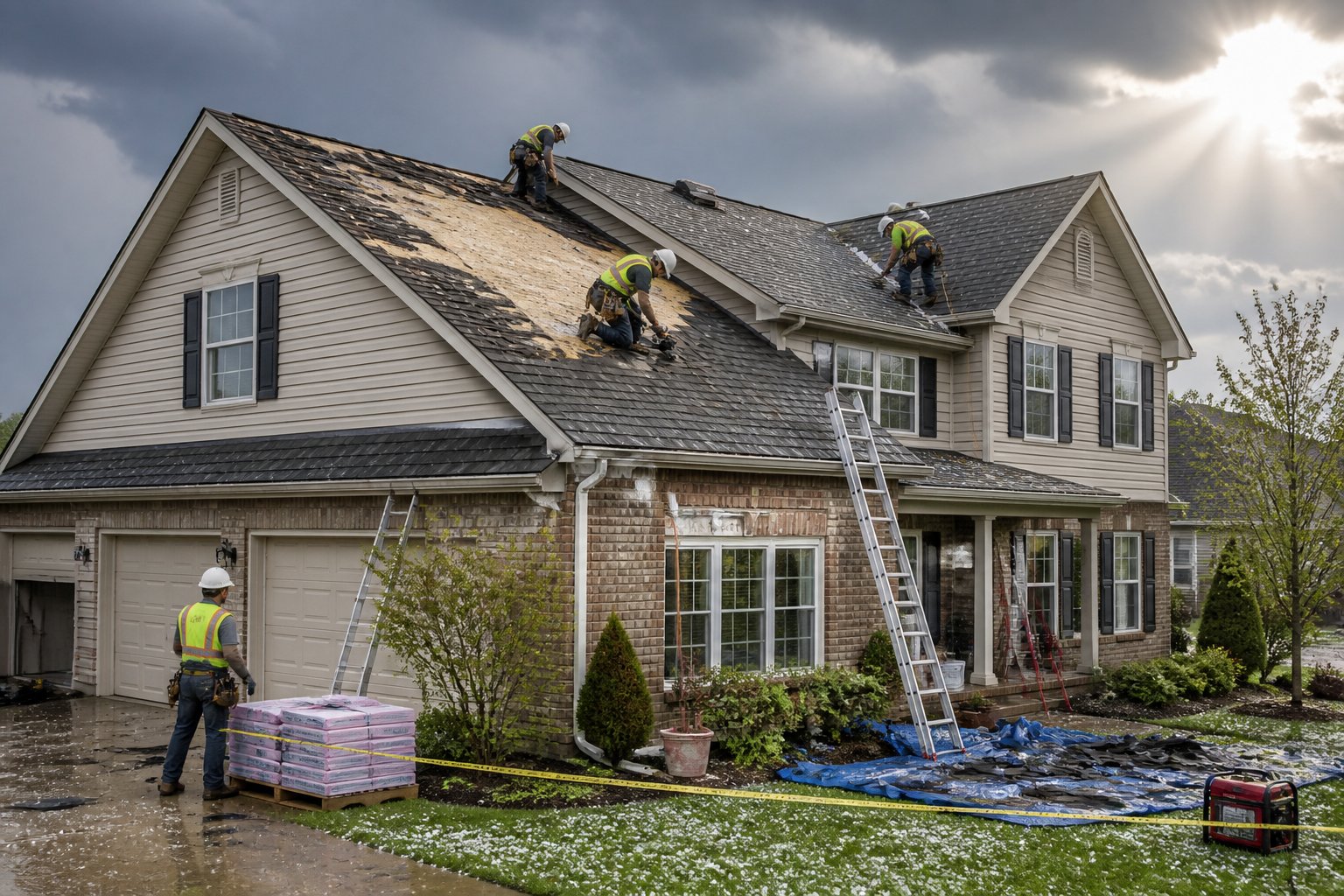
Strong winds can damage your roof without obvious signs, leaving you worried about leaks, hidden water damage, and costly repairs down the line. Even minor issues can grow quickly if they’re missed after a storm.
This is where Jenkins Restoration and Remodel helps homeowners across Southern Maryland navigate wind damage roof restoration with clear guidance, honest inspections, and support through the insurance and repair process.
Below, you’ll learn how to recognize wind damage, what steps to take after a storm, and how proper restoration protects your home and your peace of mind.
Wind Damage Roof Restoration Starts With Knowing What To Look For
Wind can mess with your roof in a bunch of ways, from lifting shingles to creating structural problems. Different roofing materials react differently to wind, and spotting trouble early can save you a world of grief.
Types Of Wind Damage
Wind brings two main forces to the party: uplift and impact. Uplift happens when wind sneaks under shingles or roofing and pulls them away from the deck. This usually starts at roof edges, corners, and ridges where the wind hits hardest.
Impact damage is another beast. Wind can hurl debris, like tree branches, lawn chairs, and random stuff, onto your roof. That can crack or puncture roofing materials in an instant.
Structural damage is the worst of the bunch. High winds can loosen or snap roof decking, rafters, and trusses. That kind of mess needs serious repairs and can make your home unsafe.
Creasing and granule loss are pretty common, too. Shingles flex and bend during strong winds, creating creases that weaken them. Wind-driven rain and debris can scrub away protective granules, which shortens shingle life.
How Wind Affects Different Roofing Materials
Asphalt shingles are probably the most at risk for wind uplift. The tabs start to lift when wind speeds hit 45-50 mph, breaking the seal between layers.
Once lifted, those shingles can rip off in the next storm.
Metal roofing stands up to wind better than most, but it's not invincible. High winds might loosen fasteners or pop seams, especially if the installation wasn't great. Dents from hail or debris aren't rare either.
Tile and slate roofs have weight on their side. Still, individual tiles can crack or dislodge during a bad storm. If wind-driven rain gets under the tiles, the underlayment can take a beating too.
Flat and low-slope roofs have their own problems. Wind creates suction that can pull membrane roofing away from the deck. Loose spots can tear open and let water in.
Signs And Symptoms Of Wind Damage
Missing shingles are the easiest clue. Check your yard and gutters after storms for shingle scraps.
Look for shingles that are lifted or curled at the edges. Even if they're still hanging on, broken seals mean your roof isn't as protected as it should be.
Granules piling up in your gutters or downspouts? That's a sign shingles are breaking down, especially if you see a lot after a storm.
Peek in your attic for light coming through the roof deck or water stains on rafters and insulation. If you see these, your roof has openings that need quick attention.
Dents on metal flashing, vents, or roof equipment show where debris hit. Even small dents can turn into leaks over time.
Assessing The Extent Of Roof Damage
After a windstorm, figuring out how bad the damage is will help you decide if you need repairs or a full restoration. This means calling in a pro, doing your own careful checks from the ground, and collecting solid evidence for your insurance claim.
Professional Inspections
Bringing in a licensed roofing contractor or certified inspector gives you a real look at your roof's condition. These folks know what to look for beyond the obvious stuff like missing shingles.
They'll check your roof surface, flashings, vents, skylights, and gutters for signs of uplift or tears. Inside your attic, they look for water stains, soft spots, or structural issues that you can't spot from outside.
A professional inspection typically costs between $200 and $600, though some contractors offer free inspections if you use them for repairs. They'll hand you a detailed report with photos and their recommendations.
This documentation helps a ton with insurance claims. Inspectors can spot hidden damage that might not leak yet but will down the road.
DIY Roof Assessments
You can safely check your roof from the ground with binoculars. Look for missing, cracked, or curling shingles.
Check your yard for shingle granules or pieces of roofing that blew off. Walk around your house and see if gutters have dents or are pulling away from the roof edge.
Watch for these warning signs:
- Shingles lifted at the edges
- Exposed nail heads or underlayment
- Damaged or missing flashing around chimneys and vents
- Dented or damaged soffit and fascia boards
- Water stains on your ceiling or walls inside
Don't climb onto your roof, especially after a storm. Wet or damaged surfaces are dangerous, and you could make things worse by walking on weak spots.
Documentation For Insurance
Take clear, dated photos of all damage from multiple angles before starting any repairs. Get shots of the whole roof, close-ups of specific damage, and any debris in your yard.
Keep a written record with the date of the windstorm, wind speeds if you know them, and descriptions of each damaged area. Save all inspection reports and repair estimates.
Don't forget to document interior damage too. Snap attic photos and any water stains on ceilings or walls. Your insurance adjuster will want to see the whole picture. Contact your insurance company within a day or two of discovering the damage. Most policies require quick reporting, and waiting can make your claim harder.
Emergency Actions After Wind Damage
When wind tears up your roof, your first move is to keep everyone safe and prevent more damage. Acting fast after a storm can keep small problems from turning into a nightmare.
Immediate Safety Precautions
Stay away from spots where the ceiling looks like it could collapse or where water is pouring in. Avoid rooms with sagging ceilings, big cracks, or giant water stains.
If you need to check your roof, use binoculars from the ground. Don't climb up. Loose shingles and weak spots make it risky. Let a pro handle the close-up inspection.
Turn off the electricity in rooms with leaks or water damage. Water and electricity together is a disaster waiting to happen. If you see downed power lines, keep your distance and call the utility company.
Keep kids and pets away from damaged areas, inside and out. Broken shingles, nails, and debris can hurt someone.
Temporary Protection Measures
Set buckets or containers under any leaks inside. Move furniture, electronics, and valuables out of wet areas.
If you can do it safely from inside an attic or through a window, cover holes or damaged roof spots with a heavy-duty tarp. Secure it with boards and nails, making sure it covers well past the damaged area. Don't even try this if the weather's still bad or you need to get up on the roof.
Take photos and videos of all damage before making temporary fixes. Get shots of both outside damage and any leaks or water inside. This will matter for your insurance claim.
Call a professional roofing contractor as soon as you can for an assessment and emergency repairs. Most roofers offer emergency services and can get there fast after storms.
The Wind Damage Roof Restoration Process
When wind damages your roof, acting quickly keeps things from getting worse. Wind damage roof restoration usually goes through three steps: stopping the immediate damage, clearing debris, and figuring out if you need repairs or a full replacement.
Initial Damage Mitigation
Your first move is to stop water from getting in. Cover exposed areas with tarps where shingles are missing or the roof deck is visible. Secure the tarps well, making sure they stretch past the damaged spots.
Move your stuff away from leaks inside. Put buckets under drips and use towels to soak up water. That helps prevent mold and keeps your floors and furniture safe.
Contact your insurance company right away to report the damage. Take photos and videos from the ground and inside before making temporary repairs.
If you see sagging or exposed wood, keep everyone away from that area. Call a professional roofer immediately. Structural issues can get worse fast.
Removal Of Debris And Damaged Materials
A roofing contractor will pull up all damaged shingles, flashing, and underlayment. They'll check the roof deck underneath for water damage, rot, or holes. Any weak decking needs to be replaced before new materials go on.
The crew clears gutters and downspouts of debris. They also pick up shingles and roofing scraps from your yard.
Workers pay special attention to chimneys, vents, and skylights. Those areas usually get hit first. Proper cleanup here helps prevent leaks later.
Repair Vs. Replacement Decisions
Minor damage (less than 30% of your roof) usually just needs repairs, like replacing shingles, fixing flashing, and sealing up small spots.
Major damage (more than 30% of your roof) often means a full replacement. Multiple leaks, lots of missing shingles, or damaged decking fit this category.
The age of your roof matters. If it's over 15 years old and took a beating, replacement usually makes more sense than patching. Fixing an old roof is often just a short-term solution.
Insurance can play a big role here. Your policy might cover a full replacement if the wind damage is serious enough. Go over your deductible and coverage with your adjuster before deciding.
Choosing The Right Roofing Materials For Restoration
Picking materials for roof restoration means weighing durability, weather protection, and long-term performance. The best choice depends on your local wind, your budget, and what your home actually needs.
Impact-Resistant Shingles And Tiles
Impact-resistant shingles have a Class 4 rating, so they can take hits from 2-inch hail and flying debris. These shingles are reinforced and have special adhesive strips for extra holding power.
Metal roofing tiles are tough, often rated for winds up to 140 mph if installed correctly. They interlock, making it hard for wind to get underneath and lift them.
Concrete and clay tiles naturally resist impact because they're heavy and dense. Still, they need the right fasteners to stay put during high winds. Some insurance companies even give discounts for impact-resistant materials, which helps offset the higher cost.
Weatherproofing Upgrades
Synthetic underlayment is a step up from old-school felt paper. It resists tearing and forms a waterproof barrier that lasts longer in rough weather.
Install ice and water shield membranes along roof edges, valleys, and around anything that pokes through the roof. These self-sealing materials keep water out even if shingles get damaged or lifted.
Drip edge flashing pushes water away from your roof deck and fascia. It's a small detail, but it makes a big difference, especially at the edges where wind-driven rain likes to sneak in. Ridge vents with baffles keep wind and rain out of your attic but still let it breathe.
Energy-Efficient Options
Cool roof coatings reflect a lot more sunlight and soak up less heat than regular roofing. They come in different colors and can drop your roof temperature by up to 50 degrees, which might really cut down on cooling bills.
Metal roofing with reflective finishes gives you wind resistance and energy savings. The coating bounces solar heat away, and the material itself can last 40-70 years with little fuss.
Asphalt shingles now come with cool roof tech built into the granules. You can even get them in darker colors that used to absorb more heat, so you don't have to sacrifice looks for efficiency. Many energy-efficient roofing materials qualify for tax credits or utility rebates, which is a nice bonus.
Working With Roof Restoration Professionals
Finding the right contractor and asking good questions is key to getting your roof fixed up right after wind damage. The contractor you pick will handle everything from inspections to repairs, so take your time. Your home and your wallet will thank you.
Selecting A Qualified Contractor
Start by making sure any contractor you're considering actually has the right licensing and insurance for your state. Ask to see proof of both general liability insurance and workers' compensation coverage.
These documents protect you if someone gets hurt on your property or if more damage happens during repairs. It's just not worth skipping this step.
Look for contractors with real experience handling wind damage restoration. General roofers might not get the unique headaches wind can cause, like hidden structural problems and weird insurance paperwork.
Check online reviews and ask for references from recent storm restoration jobs. People who've been through it before can usually tell you if the contractor is legit.
Make sure the contractor will give you a detailed written estimate before starting anything. The estimate should break down materials, labor, and how long it's all supposed to take.
Be wary of anyone who tries to rush you into signing or asks for a big upfront payment before even looking at your roof.
Questions To Ask Your Restoration Specialist
Ask how long they've been dealing with wind damage restoration specifically. Storm damage isn't the same as a routine roof patch.
Request examples of similar projects they've done in your area. Local experience matters more than people think.
Find out exactly what's included in their inspection process, and whether it's free. Good contractors usually offer no-cost inspections and check out your roof, attic, gutters, and nearby areas for damage.
Ask about their repair timeline and how the weather could mess with the schedule. If they can't fix things right away, will they at least tarp your roof in the meantime?
Get clear on their warranty terms for both materials and workmanship. These details can save you headaches later. See if they help with insurance claims. Some contractors will document damage, meet with adjusters, and guide you through the claims process. That kind of support can make a huge difference.
Navigating Insurance Claims For Wind Damage
Filing an insurance claim for wind damage means you need solid documentation and quick action. Knowing your policy and dealing with your insurance company the right way can help you get the payout you need for repairs.
Filing A Roof Damage Claim
Call your insurance company as soon as you spot wind damage. Most policies have deadlines for claims, so don't put it off.
Take tons of photos and videos of all visible damage before you make any temporary fixes. Snapshots of missing shingles, bent vents, busted flashing, and any debris that smacked your roof.
Get both wide shots and close-ups. You want to show the big picture and the details.
When the insurance adjuster comes to inspect, be there. Point out every spot you documented. Sometimes they miss stuff, so have your photos ready.
Keep every receipt for emergency repairs like tarping. Your policy usually covers these temporary fixes. Jot down when you first noticed the damage and what the weather was like that day.
Maximizing Your Insurance Benefits
Read your policy carefully so you know your coverage limits and deductible before the adjuster shows up. Figure out if you have replacement cost coverage or actual cash value. It makes a difference in what you'll get.
Get several estimates from licensed roofing contractors. If the adjuster's number seems low, you can dispute it. Submit detailed contractor quotes that break down labor and material costs.
If your claim gets denied or the payout is way too low, consider hiring a public adjuster. These folks work for you, not the insurance company, and usually charge a percentage of your settlement. Keep all communication with your insurance company in writing. After a phone call, send a follow-up email to keep a record of what was discussed.
Preventing Future Wind Damage To Your Roof
Taking a few steps now to beef up your roof can save you thousands down the road. Regular upkeep, solid installation, and some smart property choices all play a part in protecting your home from wind damage.
Routine Maintenance Tips
Inspect your roof at least twice a year. Spring and fall are good times. Look for loose or missing shingles, damaged flashing, and wear along the edges.
Clean your gutters regularly. Blocked gutters cause water to back up, which weakens your roof and makes it easier for wind to rip up shingles.
Check your attic for proper ventilation and insulation. Good airflow keeps moisture from building up and rotting the wood, which weakens your roof.
Replace worn or busted shingles right away, even if it seems minor. Small problems can blow up during the next storm. Trim overhanging branches near your roof. They can scrape shingles during windy weather and wear down the protective layer.
Upgrading Roof Fasteners And Supports
Standard roofing nails might not cut it in high-wind zones. Think about using ring-shank nails or screws. They grip the roof deck tighter.
Adding extra fasteners to each shingle boosts wind resistance a lot. Most codes say four nails per shingle, but six is better if you live where storms are common.
Hurricane straps and clips connect your roof straight to the walls. These metal connectors create a strong path to resist uplift from strong winds.
Sealing shingles with roofing cement along the edges adds more resistance to wind. Pay special attention to the first three rows along the eaves and rakes. Wind damage usually starts there.
Landscaping & Property Considerations
Remove dead or dying trees within falling distance of your house. Healthy trees might survive a storm, but weak ones can become dangerous projectiles.
Keep your yard clear of loose stuff like patio furniture, grills, and decorations. These things can go flying in high winds and smash into your roof.
Plant wind-resistant trees and shrubs as natural windbreaks. Native species with deep roots usually handle local storms better. Store building materials, ladders, and tools in a shed or garage. Anything left out can turn into a hazard during bad weather.
Cost Considerations For Roof Restoration
Restoration costs depend on how much damage there is, your roof’s size, and the materials you pick. Most homeowners need to wrap their heads around pricing and explore payment options to plan repairs.
Factors Affecting Restoration Costs
Your roof’s size is a big one. Contractors usually charge per square foot. So, a 2,000-square-foot roof will cost more than a 1,000-square-foot one.
Material choice matters too. Asphalt shingles run about $3 to $5 per square foot and are the most wallet-friendly. Metal, slate, and clay tiles can cost $7 to $15 or more per square.
How bad the damage is decides if you need minor repairs or a full replacement. Small fixes like a few shingles might cost $150 to $450. Major repairs for big wind damage or exposed decking can run $2,000 to $6,500 or higher.
Other things that drive up costs:
- Steep roof pitch or tough access
- Multiple layers of old roofing to remove
- Emergency or after-hours calls
- Structural repairs if the decking is damaged
Budgeting And Financing Options
Most roof repairs fall between $350 and $1,900, with a national average of around $1,150. Always get several quotes from licensed contractors so you can compare.
Your homeowner's insurance might cover wind damage repairs. Review your policy, know your deductible, and save all your receipts and photos for the claim.
A lot of roofing companies offer financing if you can't pay it all upfront. Some have payment plans with monthly installments. For bigger projects, a home equity loan or line of credit could be an option. Set aside some extra cash for surprises. Contractors often find hidden damage once they start working.
Understanding Warranties And Guarantees
When you're dealing with wind damage roof restoration, it's pretty important to know what kind of protection you actually have. There are two main types: manufacturer warranties and workmanship guarantees.
Manufacturer warranties cover defects in the roofing materials themselves. These usually last 20 to 50 years, depending on what you pick. If your shingles are faulty or break down too soon, this warranty should have your back.
Workmanship warranties are another story. Your contractor provides these to guarantee their installation work. If you end up with problems because of poor installation, this coverage steps in.
A few things to keep in mind:
- Most standard warranties don't cover weather damage from storms or high winds
- Check if your warranty includes enhanced wind protection
- Some manufacturers offer special wind warranties if certified contractors do the installation
- Usually, your homeowner's insurance covers wind damage, not the roof warranty
Important warranty stuff to review:
What To Check
Why It Matters
Coverage length
Tells you how long you're protected
Prorated vs. non-prorated
Impacts your out-of-pocket costs
Exclusions
Lists what isn't covered
Transfer terms
Matters if you sell your home
Read your warranty docs carefully before repairs start. Keep every bit of paperwork in a safe spot. Knowing these protections helps you make better choices and avoid nasty surprises later.
Peace Of Mind After Wind Damage
Wind damage can feel overwhelming, especially when problems aren’t easy to see right away. Acting early helps prevent leaks, interior damage, and bigger repair decisions later.
Jenkins Restoration and Remodel provides steady guidance through wind damage roof restoration, from inspection to repairs, helping Southern Maryland homeowners understand their options and move forward with confidence.
If you’re unsure about your roof after a storm, scheduling a professional evaluation is a smart next step. Getting clear answers now can protect your home and ease the stress of what comes next.
Frequently Asked QuestionsHow Do I Know If I Need Wind Damage Roof Restoration?
You may need wind damage roof restoration if you notice missing, lifted, or curled shingles after a storm. Granules in gutters, dents in flashing, or water stains inside your home are also common warning signs.
Even if damage isn’t obvious, strong winds can loosen materials and break seals. A professional inspection helps catch hidden issues before leaks develop.
Can Wind Damage Exist Without Leaks?
Yes, wind damage often occurs without immediate leaks. Shingles can be lifted or creased without fully tearing off, which weakens your roof’s protection over time.
These small openings allow moisture in during later storms. Addressing wind damage early reduces the risk of interior repairs later.
Should I Repair Or Replace My Roof After Wind Damage?
The decision depends on how much of your roof is affected and its age. Minor wind damage usually requires targeted repairs, while widespread damage may call for replacement. A roof inspection helps determine whether repairs will hold long-term or if restoration is the safer option.
Does Homeowners Insurance Cover Wind Damage Roof Restoration?
Most homeowners' insurance policies cover wind-related roof damage, but coverage depends on your policy terms and deductible. Prompt documentation and reporting are important.
Temporary repairs to prevent further damage are often covered, but it’s best to confirm details with your insurer.
How Soon Should I Act After A Windstorm?
You should assess your roof as soon as it’s safe to do so. Delaying repairs can allow water intrusion and lead to more extensive damage. Quick action supports insurance claims and helps keep repair costs under control.
Is It Safe To Inspect My Roof Myself?
It’s safest to inspect your roof from the ground using binoculars. Walking on a wind-damaged roof can be dangerous and may cause additional damage. Leave close inspections and repairs to trained professionals with the right safety equipment.
How Long Does Wind Damage Roof Restoration Take?
Timelines vary based on damage severity and weather conditions. Small repairs may take a day, while larger restoration projects can take several days. An inspection provides a clearer picture of the scope and expected timing before work begins.
Can Wind Damage Be Prevented In The Future?
While no roof is storm-proof, regular maintenance, secure fasteners, and impact-resistant materials can improve wind resistance. Keeping gutters clear and trimming nearby trees also reduces the risk of future wind damage.