.png)


A recent storm ripped through your neighborhood, and now you're standing in your yard looking at cracked panels, a few missing sections, and dents you're pretty sure weren't there last week. Your mind is already jumping to the next question: will your insurance company actually pay to fix this?
That question gets more complicated when you realize your siding is older or a color that might not even be sold anymore. Homeowners across Prince George's and Anne Arundel County run into this exact problem after wind and hail events, and the outcome often comes down to how well you document the damage from day one.
In this guide, you will discover how to tell real storm damage from normal wear, what to document before the adjuster shows up, and why matching your existing siding can turn into a real sticking point with your insurer.
Does Storm-Damaged Siding Qualify for Coverage?
Storm-damaged siding usually qualifies for coverage when the damage came from a sudden, identifiable event like high wind, hail, or flying debris. Most homeowners policies cover siding damage caused by a specific storm date, since that kind of loss is sudden and accidental rather than something that built up over the years.
The tricky part is proving the damage traces back to that storm, not age or neglect. Insurers look closely at the cause of loss before they approve any payout, and that review shapes everything that happens next in your claim.
Wind, Hail, and Debris Damage That May Support a Claim
Wind, hail, and debris impacts are the three causes most likely to support a siding claim. Each leaves a different kind of mark, and knowing what to look for helps you describe the damage accurately when you call your insurer.
- Wind: Panels pulled loose from the wall, cracked corners, or siding torn off entirely on one side of the house
- Hail: Small dents, cracks, or holes, often clustered on the side of the home that faced the storm
- Debris: Gouges, punctures, or broken panels from branches, fencing, or other objects thrown by the wind
Insurers recognize sudden hailstorms that crack panels or fallen tree limbs that punch holes in the wall as sudden losses, not gradual deterioration. That distinction matters more than almost anything else in your claim.
How Storm Damage Differs From Normal Wear and Maintenance Issues
Normal wear looks different from storm damage, and adjusters are trained to spot the difference right away. Warped panels from years of sun exposure, faded color across the whole house, or brittle vinyl that cracks in cold weather point to age, not a single event.
Here's what typically signals wear instead of storm damage:
- Uniform fading across every wall, not just the storm-facing side
- Warping or buckling that appears gradually over several seasons
- Small cracks near nail holes that show no sign of impact
- Loose panels near the ground where moisture sits over time
If your siding shows a mix of both, an honest assessment from a contractor familiar with Southern Maryland storm patterns can help sort out which damage ties to the recent event. That groundwork sets you up for the next step: getting everything on record before the adjuster ever knocks on your door.
What to Document Before the Adjuster Visit
Strong documentation gives your claim a factual backbone instead of relying on your memory of what happened. Adjusters work from evidence, not stories, so the more organized your records are, the smoother your claim tends to move.
Waiting even a few days can weaken your position. Debris gets cleared, temporary repairs cover up the point of impact, and details fade from memory faster than you'd expect.
Photos and Video That Show the Damage Pattern
Photos and video should capture the full picture of your siding, not just the worst-looking spots. Walk the exterior of your home and photograph every wall, even the ones that look untouched, so the damage pattern is clear against the rest of the house.
- Wide shots of each elevation, taken from a consistent distance
- Close-up photos of cracks, dents, holes, or missing panels with something for scale, like a coin or ruler
- Video walking the perimeter of the house, narrating what you see as you go
- Timestamped images, since most phones automatically log the date and time
Take these photos as soon as it's safe to go outside. Weather conditions, sun fading, and even routine yard cleanup can change how the damage looks within days.
Details to Record About the Storm and Temporary Repairs
Recording storm details anchors your claim to a specific date and event, which strengthens the connection between the weather and the damage. Write down the date and time of the storm, along with any local weather alerts or reports you remember seeing.
- The date, approximate time, and type of storm (wind event, hailstorm, or severe thunderstorm)
- Any temporary repairs made, such as tarps, boards, or emergency siding patches
- Receipts for materials or labor used in those temporary fixes
- A short written account of what you noticed and when
If you needed any emergency repairs to keep water out of your home, most policies expect that step. Just keep every receipt, since insurers often reimburse reasonable costs to prevent further damage.
How to Safely Preserve Samples, Receipts, and Repair Records
Preserving physical evidence gives an adjuster something concrete to inspect if the damage gets cleaned up before the visit. Keep a piece of broken or cracked siding in a labeled bag or box, especially if you're replacing sections before the adjuster arrives.
- Store damaged siding samples somewhere dry, away from further weather exposure
- Keep all receipts for repairs, materials, and any contractor estimates in one folder
- Save copies of your homeowners policy and any prior repair records for the siding
- Note the age of your siding and when it was last replaced or repaired, if you know it
Having this record ready before the adjuster's visit puts you in a stronger position from the very first conversation. It also gives you a clear reference point once the adjuster starts pointing out specific areas of the siding during the inspection.
What an Adjuster Typically Checks on Damaged Siding
An adjuster inspecting storm-damaged siding looks for a clear cause, a consistent pattern, and signs that separate storm damage from prior wear. Siding damage is one of the more commonly overlooked items on residential claims, since adjusters often focus most of their attention on the roof.
That means your documentation carries extra weight. If you've already photographed every wall and kept your damaged samples, you can point the adjuster toward areas they might otherwise skip.
Cracks, Dents, Loose Panels, and Damaged Seams
Cracks, dents, loose panels, and damaged seams are the specific details an adjuster examines most closely during inspection. They'll look for fresh breaks with sharp edges, dents that follow a hail pattern, and seams pulled apart by wind pressure.
- Cracks with clean, recent edges rather than worn or discolored edges
- Dents concentrated in a pattern consistent with hail size and direction
- Panels that have shifted, buckled, or detached from the nailing strip
- Seams or corners pulled apart, often on the side facing the storm
An adjuster checks the cause, scope, and consistency between what you describe and what they can physically see. That's exactly why matching your photos to what they find matters so much.
Why the Storm-Facing Wall and Damage Pattern Matter
The wall that faced the storm usually shows the heaviest damage, and adjusters use that pattern to confirm the cause of loss. If your east-facing wall is dented and cracked while the other three sides look untouched, that strongly suggests the damage lines up with a specific wind or hail event from that direction.
Inconsistent damage patterns, like scattered dents across every wall regardless of direction, can raise questions about whether all of it ties to one storm. This is one reason your documentation matters as much as what the adjuster observes in person.
How Prior Repairs, Age, and Condition Can Affect the Review
Prior repairs, siding age, and overall condition shape how much of your claim an adjuster will attribute to the storm. Older siding that was already brittle or discolored before the storm can complicate the review, since the insurer may argue some of the damage was pre-existing.
- Note the installation date of your siding if you have it on file
- Mention any prior storm claims or repairs on the same wall
- Point out areas where recent maintenance was already documented
Southern Maryland homes see their share of severe summer thunderstorms and winter wind events, and older siding lines often carry visible wear even before a major storm hits. That reality leads directly into one of the most common disputes homeowners face once repairs actually begin.
When Replacement Siding Will Not Match
Replacement siding often will not match your existing panels when the original color, profile, or product line has been discontinued. This is one of the most frustrating parts of a siding claim, since even a small repair can leave a visible patchwork look against the rest of the house.
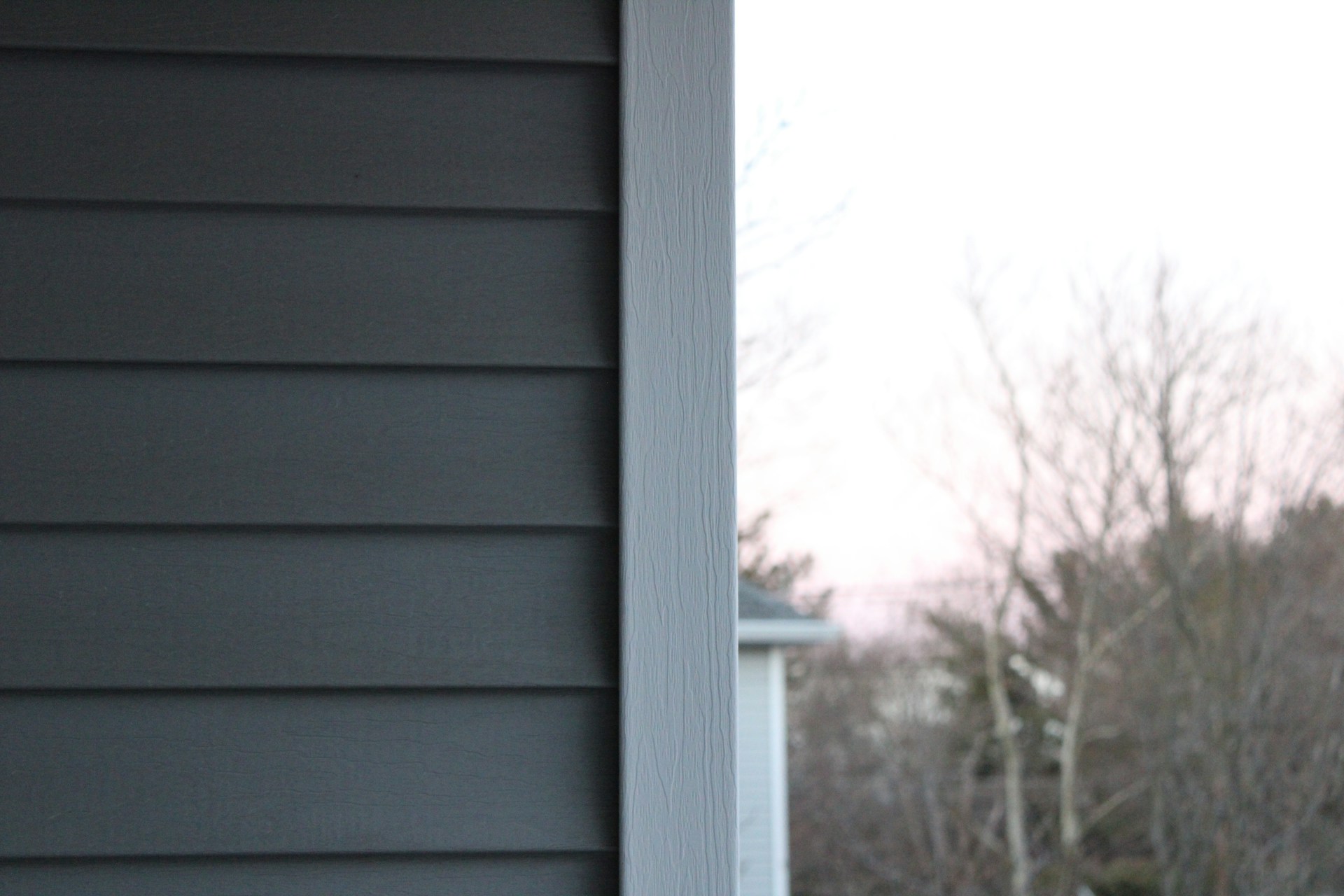
Sun exposure over the years fades siding unevenly, so even a "matching" replacement panel can look noticeably different once installed next to older, weathered material. Discontinued lines make this worse, since the exact color or panel profile may no longer exist anywhere on the market.
Why Discontinued Colors, Profiles, and Fading Create a Problem
Discontinued colors and fading create a mismatch because manufacturers change their product lines every few years, and sunlight gradually shifts the color of installed siding. A vinyl siding line installed a decade ago may be out of production entirely, or simply a shade off from anything currently sold.
- Manufacturers regularly retire specific colors and panel profiles
- UV exposure fades siding unevenly depending on sun direction and age
- Even the same product line can shift slightly between manufacturing runs
- New panels installed next to older ones often stand out immediately
This is exactly the scenario that turns a simple repair into a drawn-out conversation with your insurance company.
Partial Repairs, Full-Wall Replacement, and Full-Home Replacement
Partial repairs, full-wall replacement, and full-home replacement are the three outcomes an insurer might propose, and which one applies depends on your policy and the extent of damage. Insurers often start by offering to replace only the damaged panels, which is the least expensive option for them but the option most likely to leave a visible mismatch.
Whether a company pays for a full-wall or full-home match depends on your policy language, the extent of the damage, and whether comparable materials exist. Maryland has real regulatory history with this exact dispute: the Maryland Insurance Administration's property and casualty bulletins include Bulletin No. 97-1 and its 2018 clarification, Bulletin 18-23, both addressing siding-mismatch settlement practices directly.
These bulletins confirm that insurers that fail to account for major differences in color, texture, or dimensions when settling a mismatched claim may violate Maryland insurance law, though they also note that most policies now include language specifically excluding mismatch claims unless optional coverage was purchased.
- Partial repair: only the specific damaged panels are replaced
- Full-wall replacement: the entire wall or elevation is replaced to maintain a uniform look
- Full-home replacement: rare, and usually only pursued when matching materials are truly unavailable anywhere, and policy language supports it
Checking your policy for a matching-or-uniform-appearance endorsement before a storm hits can save a lot of frustration later.
How Contractor Documentation Can Support a Matching Review
Contractor documentation strengthens a matching dispute by giving the adjuster concrete proof that the original material is unavailable. A written statement noting the specific siding brand, profile, and color, along with confirmation from the manufacturer or distributor that it's discontinued, gives your claim a solid foundation.
- Ask your contractor to identify the exact siding manufacturer and product line
- Request written confirmation if that color or profile has been discontinued
- Keep photos comparing the proposed replacement panel against your existing siding in natural light
- Document any visible color difference between old and new panels before final approval
Southern Maryland homes span a wide range of ages and siding types, and a contractor familiar with local housing stock can often spot a matching problem before it becomes a dispute. Once that documentation is in hand, you're in a far better position heading into any conversation with your insurance company.
A Clear Record Can Protect Your Home and Peace of Mind
A well-documented siding claim protects both your home and your peace of mind, since it gives you a factual record to lean on instead of guesswork. Every photo, receipt, and written note you gather after a storm becomes part of the story that supports your claim.
Homeowners who navigate this process with the least stress usually started documenting early and kept everything organized in one place. That habit pays off even more when a matching dispute comes up, since you'll already have the comparison photos and product details an insurer needs to make a fair decision.
- Keep a single folder, physical or digital, with all storm photos, receipts, and correspondence
- Note every phone call with your insurance company, including the date and the name of who you spoke with
- Ask questions early if something in your policy language is unclear
- Loop in a local contractor who understands both storm repair and insurance documentation
Southern Maryland homeowners face frequent summer storms and winter wind events, and the ones who feel most confident in this process usually treat documentation as step one, not an afterthought. From here, it helps to know exactly what questions homeowners in your position tend to ask once the paperwork starts moving.
Frequently Asked Questions
Can I file an insurance claim for wind damage to siding?
Yes, wind damage to siding is one of the most common reasons homeowners file a claim, especially when panels are cracked, dented, or torn loose. Coverage depends on your specific policy, so it helps to document the damage clearly and file soon after the storm.
What siding damage from hail is usually covered by homeowners insurance?
Hail damage that leaves dents, cracks, or holes concentrated on the storm-facing side of your home is usually the type of damage insurers recognize as sudden and covered. Damage that looks scattered evenly across every wall, regardless of storm direction, may draw closer scrutiny.
Will insurance replace all of my siding if the new panels do not match?
Not automatically. Whether an insurer pays for a full-wall or full-home replacement depends on your policy language, whether a matching endorsement applies, and if comparable materials genuinely no longer exist.
How long after a storm can I file a siding insurance claim?
Most policies allow homeowners a specific window to file, often ranging from one to several years depending on your state and insurer, so check your policy for the exact deadline. Filing as soon as possible after the storm gives you the strongest documentation and the clearest connection between the damage and the event.
What should I avoid saying or doing during a siding insurance claim?
Avoid guessing about the cause of the damage or agreeing to a settlement before you've reviewed the full scope of repairs needed. Stick to describing what you observed and when, and let your documentation and any contractor assessment speak for the rest.
Get a Local Siding Damage Assessment
You have done the research. Now let Jenkins Restoration and Remodel put experienced eyes on your home. Call us today to schedule your free assessment and get a clear picture of what comes next.