.png)


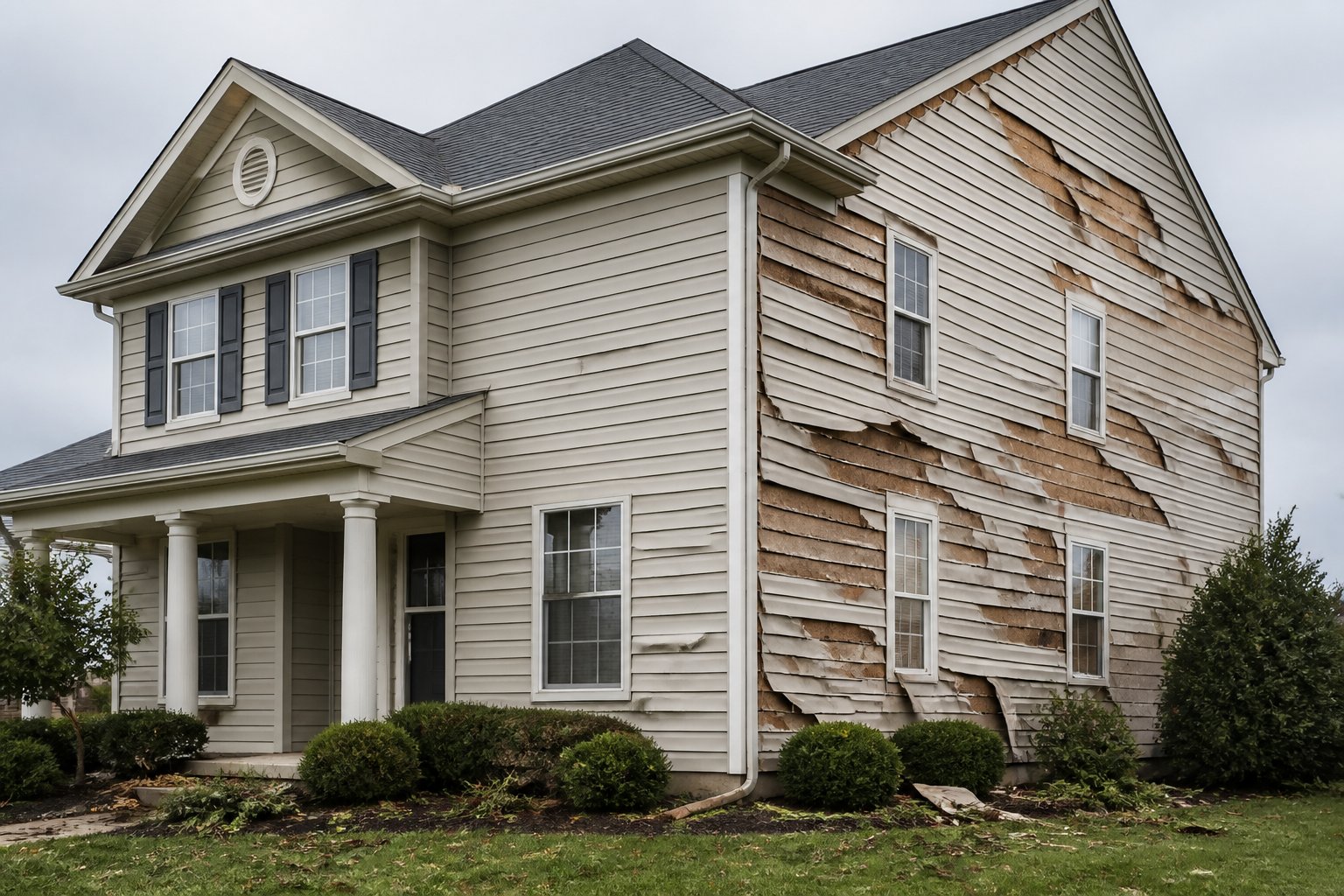
Standing outside after a storm, running your hand over a cracked panel, you start doing the math in your head. Is this a quick patch, or is the whole wall about to become a bigger problem than it looks? That moment of uncertainty is exactly where most homeowners get stuck when comparing siding replacement vs repair.
Storm damage rarely announces itself clearly. A few cracked panels near the roofline might be the whole story, or they might signal that moisture has been working behind the surface for months. The safest way to tell the difference is to look at both the damage pattern and what's happening underneath it, not just what's visible from the driveway.
In this guide, you'll discover how to read damage patterns, what hidden problems to check for, how storms and hail change the decision, and which materials hold up best in Southern Maryland weather. Keep reading to learn how to walk through this decision the same way a contractor would, one step at a time.
Start With the Damage Pattern
The first question is simple: Is the damage in one spot, or spread across the house? That single detail points you toward repair or replacement faster than anything else.
Siding damage tends to fall into two categories. Either it's contained to a small area, or it's showing up in multiple places at once. Knowing which one you're dealing with changes everything about your plan.
Walk the perimeter of your home and take notes as you go. Look at each side separately, since sun exposure, wind direction, and drainage patterns often affect one wall more than others.
When Localized Damage Can Be Patched
A single cracked panel, a small dent from a fallen branch, or one section loosened in high wind usually points toward repair. These are contained problems that haven't spread to neighboring panels.
Repair works best when the surrounding siding is still firmly attached and shows no signs of warping. It also depends on whether matching panels are still available, since older siding lines get discontinued over time.
Generally, repair makes sense when:
- Damage covers less than about 25 to 30 percent of the total siding surface
- The affected panels are isolated to one or two areas, not scattered across the house
- The siding underneath is dry, solid, and free of soft spots
- The material is within a typical repair age range, such as vinyl under 15 years old
If your damage checks those boxes, a repair can restore both function and appearance without a full project. But once damage starts showing up in more than one area, the calculation shifts.
When Widespread Failure Changes the Decision
Once damage appears on multiple sides of the house, or repairs start piling up every year, replacement becomes the more practical choice. Recurring problems usually mean the siding itself is reaching the end of its useful life.
Widespread cracking, fading, or warping across several panels is rarely a coincidence. It typically means the material has aged past the point where individual fixes last long term.
Homeowners sometimes patch the same wall two or three times before realizing the pattern. Each repair costs money, and none of them address the underlying cause. That pattern is often the clearest sign it's time to look past the surface and check what's happening behind the siding.
Look Beneath the Surface
What you see on the outside only tells part of the story. The real answer often lives behind the panels, where moisture and structural damage build slowly and quietly.
Siding shields your home's frame, insulation, and interior walls. When that shield fails in one spot, water can travel behind it for a long time before anyone notices a problem indoors.
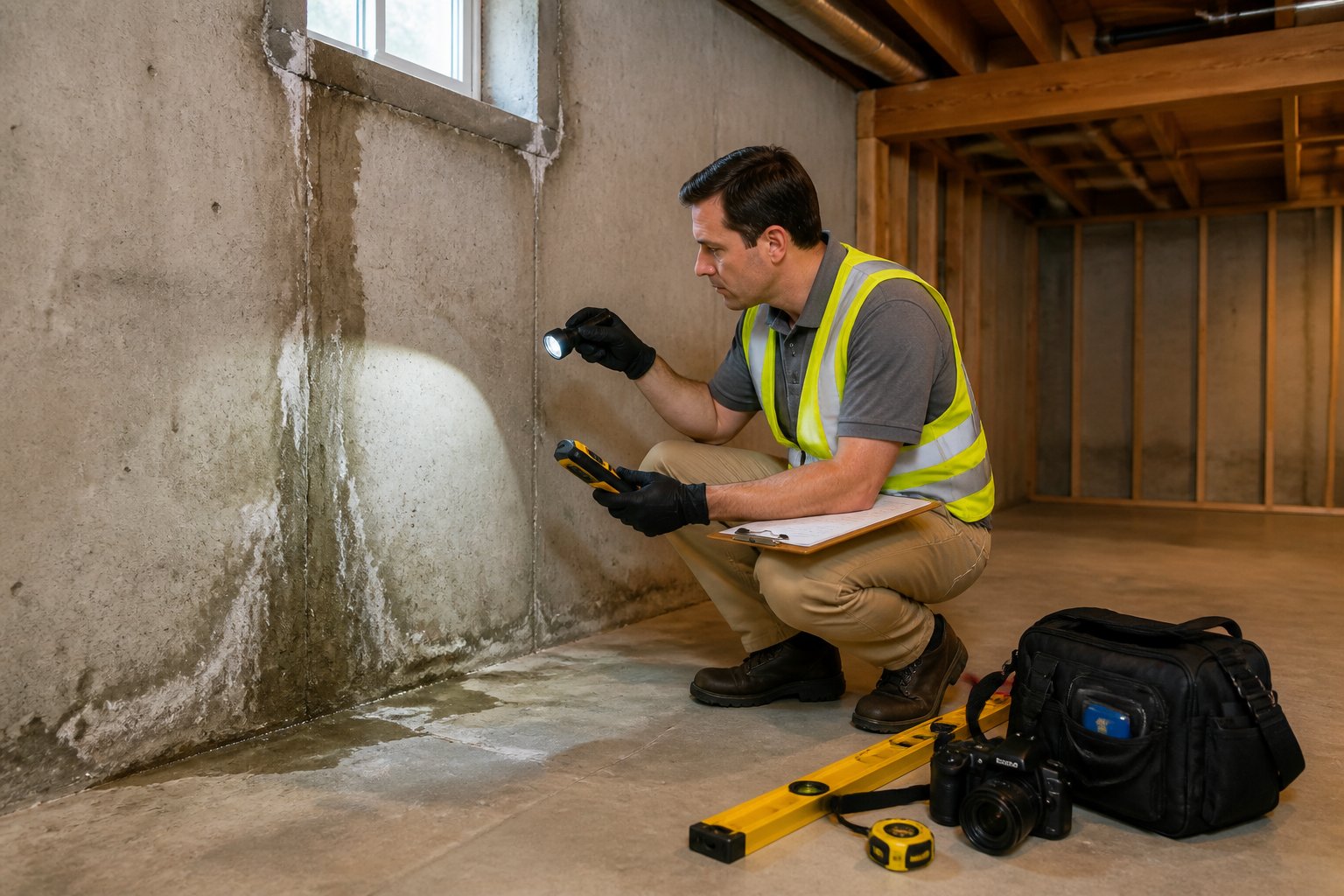
This is where a professional inspection earns its value. A contractor can pull a panel or two in a suspicious area and check the sheathing, house wrap, and framing underneath without tearing into your whole exterior.
Moisture Intrusion and Failed Backing
Moisture behind siding often shows up as bubbling paint, a musty smell near exterior walls, or soft drywall inside the room. These signs point to water getting past the siding and into the wall cavity.
Vinyl and fiber cement siding both rely on a layer of house wrap or building paper behind them. Once that layer fails, water has a direct path to the wood sheathing underneath.
Left alone, this kind of intrusion spreads. It can travel down a wall, across a corner, or into a window frame before it ever becomes visible outside. That's why a damp smell or discolored patch of interior wall deserves attention even if the siding still looks fine from the street.
Warping, Rot, and Structural Warning Signs
Warped panels, soft wood trim, or a section of siding that flexes when pressed usually means rot has already set in. These are structural warnings, not cosmetic ones.
Press gently on suspect areas near the ground level, around windows, and near roof lines. If the material gives way or feels spongy, the damage has likely reached the wood framing behind it.
Rot spreads faster in humid climates, and Southern Maryland's mix of heat and moisture gives it plenty of opportunity. Once rot reaches structural framing, patching the surface siding won't solve the underlying issue.
If you're seeing any of these signs after a recent storm, the source of the damage matters as much as its severity.
Account for Storm and Hail Damage
Storms and hail change the siding replacement vs repair decision because the damage often extends beyond what's visible right after the event, a pattern that shows up across the full range of storm damage types Southern Maryland homes face. A calm assessment now can save a bigger headache later.
Hail in particular can bruise, crack, or dent siding in ways that aren't obvious at first glance. The real damage sometimes shows up weeks later as cracks widen or water starts seeping through weak points.
Wind adds another layer to the problem. Strong gusts can loosen panels at the edges even when the surface looks untouched, creating gaps that let water in during the next rain.
How Hail Affects Different Siding Materials
Hail affects each siding material differently, which is part of why a single damage assessment can't apply to every home. Vinyl tends to crack or shatter on impact, while fiber cement is more likely to chip or dent. The pattern is similar to how hail damage plays out on a roof, where the same storm can leave very different marks depending on the material it hits.
- Vinyl siding: cracks, holes, or brittleness, especially in older or sun-faded panels
- Fiber cement siding: chipping, cracking along seams, or surface dents
- Wood siding: splitting, dents that break the protective coating, and exposed grain
Because hail damage often looks minor at first, it's easy to underestimate. A dent that seems cosmetic today can become a crack that lets water in after a few freeze-and-thaw cycles.
Documenting Damage Before Insurance Decisions
Before deciding on any repair or replacement, document the damage clearly. This step matters just as much for your own records as it does for an insurance claim.
Start by taking photos of every damaged area, including wide shots of each wall and close-up shots of individual cracks or dents. Note the date of the storm and any related weather reports if you have access to them.
Homeowners insurance often covers siding damage tied to a specific, sudden event like a hailstorm or high wind, but coverage depends on your policy's language and the extent of documented damage. Because policies vary, it helps to have a professional assessment on record before you file, since adjusters may not catch every affected panel.
Understanding how a contractor can help manage that documentation and the claim itself can keep this stage from becoming its own separate headache. Once you've documented the damage, the next practical question is which material makes sense for your home going forward.
Choose a Material for Southern Maryland
If you've concluded replacement is the right move, the next decision is what to replace it with. In Southern Maryland, the two most common choices are vinyl and fiber cement, and each fits different priorities.
Climate plays a bigger role in this choice than most homeowners expect. Humidity, salt air near the water, and seasonal storms all put different stress on different materials.
Your budget and how long you plan to stay in the home also shape which option makes the most sense for your project.
Vinyl Siding for Practical Weather Protection
Vinyl siding remains a popular choice because it holds up well against moisture and requires very little maintenance. It resists rot completely because it has no wood content to absorb water.
It also comes in a wide range of colors and profiles, making it easier to match existing trim and architectural style. Vinyl handles humidity well, which matters given how often Southern Maryland summers bring heavy moisture in the air.
Its main limitation shows up during severe hail or high-impact storms, where it can crack more easily than heavier materials. For homeowners focused on straightforward upkeep and weather resistance, vinyl remains a practical option.
Fiber Cement Siding for Long-Term Durability
Fiber cement siding trades a higher upfront cost for stronger resistance to impact, fire, and rot. It holds paint well and tends to keep its color longer than vinyl in direct sun.
Because it's denser and heavier, fiber cement resists hail dents and cracking better than vinyl in most storm conditions. It also handles the region's humidity well without warping the way untreated wood can.
Installation takes more skill and time than vinyl, which affects both cost and project timeline. For homeowners planning to stay in their home long term, that upfront investment often pays off in reduced future repairs.
Once you've settled on a material direction, the next natural step is understanding what the project itself is likely to cost.
Compare Project Costs and Long-Term Value
Cost comparisons between siding replacement vs repair depend on several moving parts, not just square footage. Understanding what drives each price helps you set realistic expectations before requesting quotes.
Repair costs usually depend on the scope of the damage and how easy it is to match existing materials. Replacement costs scale with square footage, material choice, and labor complexity.
Every home is different, so exact numbers require a professional look at your specific siding and damage.
What Affects Repair Pricing
Repair pricing depends mainly on how many panels need replacing and how accessible the damaged area is. A single panel near ground level costs far less to fix than several panels near a roofline.
Material availability matters too. If your siding style has been discontinued, finding a close match can add both time and cost to a repair project.
Labor for smaller repairs is generally lower than a full crew replacement job, but repeated repairs across multiple seasons can add up to more than a single replacement project would have cost.
Typical Installation Cost Ranges
Full siding replacement costs vary widely based on material, home size, and site conditions. As a general guide, homeowners can expect the following rough ranges before a formal quote:
- Minor spot repairs often fall in a lower cost range, depending on panel count and accessibility
- Moderate repairs covering several panels or one wall section land in a mid-range price point
- Full replacement projects span a much wider range, driven largely by material choice and square footage
These figures are meant only as a starting point for conversation, not a firm estimate. A site visit and consultation are the only way to get pricing that reflects your home's actual condition.
Matching Color, Profile, and Existing Materials
If you're only replacing part of your siding, matching color and profile becomes a challenge in itself. Sun exposure fades existing panels over time, making even the same product line look slightly different from new stock.
Profile matching also matters for older homes with less common siding styles. A contractor familiar with regional building supply options can often track down closer matches than a big-box retailer.
For homes with mixed materials, such as vinyl on most walls and wood trim accents, coordinating the transition areas takes extra planning. Getting this right protects your home's curb appeal and resale value, which brings us to what a professional assessment should cover.
Get a Clear Plan for Your Exterior
A clear plan starts with a professional look at both the visible damage and what's happening behind it. This step turns guesswork into an actual decision you can act on with confidence.
A thorough assessment doesn't just glance at cracked panels. It checks moisture levels, structural soundness, and how the damage pattern matches your home's age and materials.
From there, you get a straightforward recommendation (repair or replace) along with the reasoning behind it.
What a Professional Assessment Should Cover
A proper siding assessment should look past the surface and check several specific points before making a recommendation.
- Moisture readings behind suspect panels using a moisture meter
- Condition of the sheathing and framing in accessible areas
- Pattern and spread of visible damage across all exterior walls
- Age and remaining lifespan of the current siding material
- Insurance documentation needs if storm or hail damage is involved
Each of these points feeds into a clearer answer than eyeballing the exterior alone can provide. Once you understand what's happening beneath the surface, the decision between repair and replacement usually becomes far less confusing.
Frequently Asked Questions
How do I know whether my siding needs a repair or a full replacement?
Check whether damage is limited to one or two areas or spread across multiple walls. Isolated cracks on younger siding usually point to repair, while widespread damage or recurring problems point to replacement.
What are the signs that damaged siding is letting water into my home?
Watch for bubbling paint, musty smells near exterior walls, and soft or discolored drywall inside the home. Warped or spongy siding panels are also a strong sign that moisture has reached the wall cavity.
Is it less expensive to repair a few damaged siding panels or replace all the siding?
Repairing a few panels typically costs less upfront than a full replacement project. However, repeated repairs over several years can add up to more than a full replacement.
Can vinyl siding be repaired, or does it need to be replaced?
Vinyl siding can often be repaired if the damage is limited to a few panels and matching material is still available. Widespread cracking, fading, or brittleness across many panels usually signals it's time to replace.
When is wood siding damage serious enough to require replacement?
Wood siding needs replacement once rot reaches the structural framing or when splitting and softness spread across multiple boards. A contractor can check moisture levels to confirm how far the damage has traveled.
How long should siding last before homeowners in Southern Maryland consider replacing it?
Vinyl siding generally lasts 20 to 30 years, a range consistent with durability data published by the Polymeric Exterior Products Association (formerly the Vinyl Siding Institute), while fiber cement can last even longer with proper installation. Local humidity and storm exposure can shorten that lifespan, so periodic inspections help catch problems early.
Request a Southern Maryland Consultation
Southern Maryland homes face a specific mix of humidity, storms, and coastal weather that general national advice doesn't always account for. A local assessment factors in those conditions directly.
Jenkins Restoration and Remodel brings over 50 years of Southern Maryland experience to siding assessments, covering both the repair work and the insurance documentation homeowners need. That combination means one point of contact instead of juggling contractors and adjusters separately.
Call us today to schedule your free consultation and get a clear plan without the guesswork.