.png)


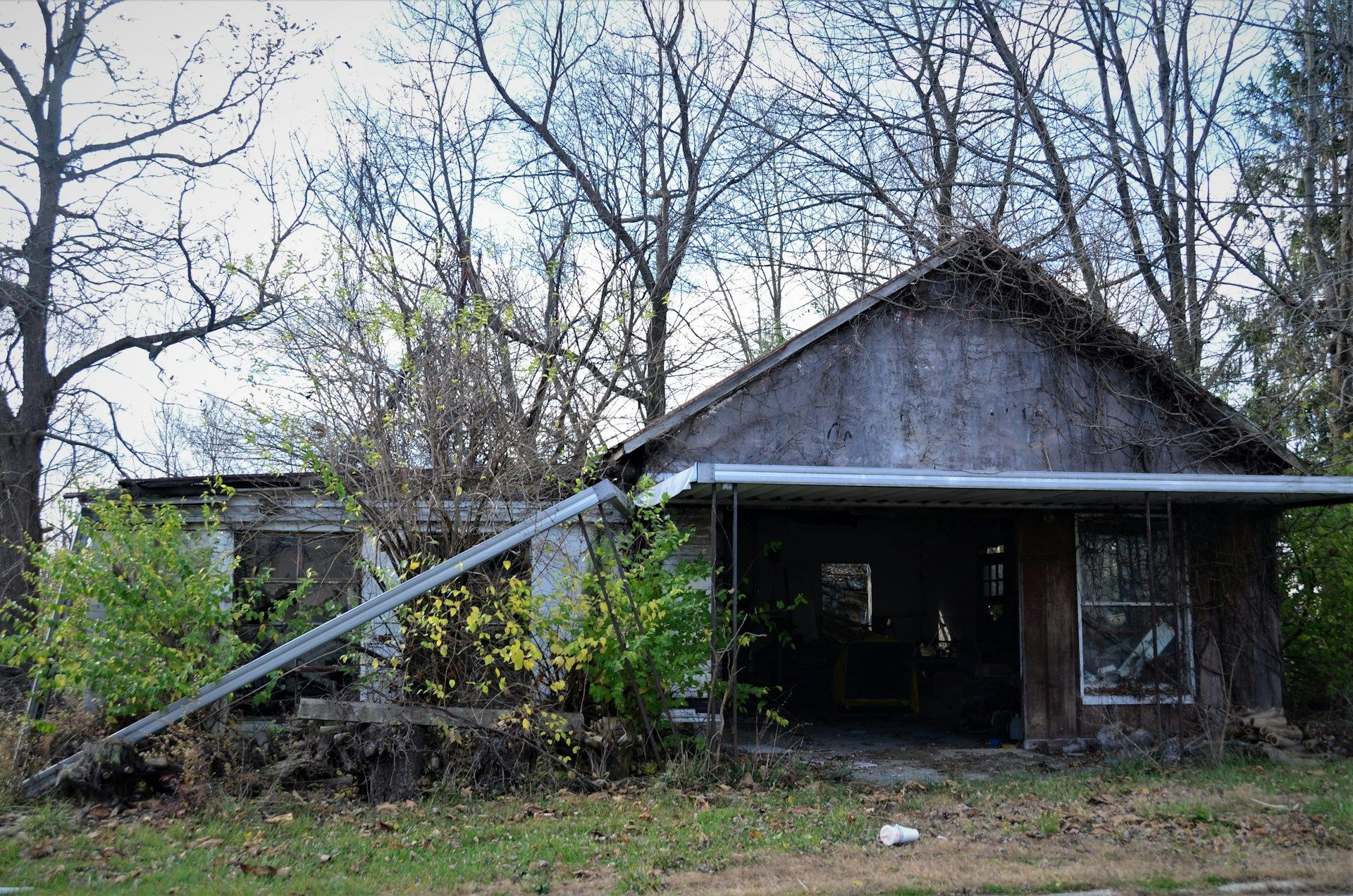
Discovering wind damage to your home can be stressful and unsettling. Missing shingles, leaks, or visible damage often raise urgent questions about safety, costs, and what to do next. When your home is exposed, it’s hard to know which issues need immediate attention and which can wait.
Homeowners across Southern Maryland turn to Jenkins Restoration and Remodel for steady guidance during these moments. With local experience and full-service support, we help you understand the damage, navigate insurance, and plan repairs without added confusion or pressure.
This guide breaks down wind damage restoration in clear, practical steps. You’ll learn how to spot problems early, what the restoration process looks like, and how to move forward with confidence after a storm.
How Wind Damage Affects Your Home
Wind can rip off roofing materials, break windows, and even send trees crashing onto your house. Each wind event leaves its own calling card, so knowing what to look for means you can jump into action before things get worse.
Types Of Wind Damage
Straight-line winds bulldoze through in one direction, knocking down trees, power lines, and tearing up roofs. You’ll often see a clear path of destruction across the neighborhood.
Tornadic winds spin and twist, and even weaker tornadoes can peel roofs off and punch through walls. The mess looks scattered and random, not neat or predictable.
Santa Ana winds, hot, dry, and wild, hit places like Los Angeles. They’re notorious for tearing off shingles, breaking windows, and yanking up trees. The dry air and speed also make fires more likely, which is just... not great.
Common Causes Of Structural Issues
High winds love to sneak under shingles or tiles and yank them off. Once they find a weak spot, they can peel back big sections of your roof. Missing shingles leave you open to water damage.
Flying debris turns into dangerous projectiles. Tree branches, patio furniture, and loose building bits can smash windows or dent siding. Sometimes, the debris does more harm than the wind itself.
Walls and frames take a beating as wind pressure pushes and strains them. If your house already had weak spots, strong winds can make things much worse.
Recognizing Signs Of Wind Damage
After any wind event, check your roof for missing, curled, or cracked shingles. Look for bare patches or exposed underlayment. If you spot a bunch of granules in your gutters, your shingles probably took a hit.
Walk around outside and check for dents in siding, cracks in walls, or gaps around windows and doors. Sticking doors or windows can signal something shifted. Water stains on ceilings or walls often show up after the roof gets compromised.
Outside, look for leaning trees, busted fences, or loose fixtures. If you see those, wind speeds were probably strong enough to mess with your home’s structure, too.
Immediate Steps After Wind Damage
Acting fast after wind damage can save you from bigger problems and make insurance claims a lot less painful. Focus on safety first, check what needs urgent attention, and document everything.
Safety Precautions
Your safety comes first. If you see sagging roofs, cracked walls, or a foundation that looks off, don’t go inside. Stay far away from downed power lines, at least 30 feet.
If it’s safe, turn off the electricity at the main breaker. That helps prevent shocks or fires from damaged wiring. Smell gas or hear hissing? Get out fast and call the utility company from a safe spot.
Wear sturdy shoes, long pants, and gloves when you walk around. Nails, glass, and sharp debris are everywhere after storms. If you need to go inside, use a flashlight. Candles or matches aren’t worth the risk.
Initial Assessment
Once things seem safe, walk around and look for obvious damage. Check your roof for missing shingles, holes, or exposed underlayment. Siding, windows, and doors might have cracks, dents, or broken bits.
Scan your yard for fallen trees, busted fences, and damaged sheds or playsets. If water’s coming in, catch leaks with buckets and cover holes with tarps for now.
Jot down everything you find: location, type of damage, all of it. This list helps when you talk to your insurance company or contractors.
Documenting The Damage
Take clear photos and videos from different angles. Get wide shots for context and close-ups for details. Try to include things like doorways or furniture so it’s obvious what you’re looking at.
If possible, make sure your photos have the date and time. Most phones do this automatically. Back everything up: phone, computer, cloud. You’ll thank yourself later.
Hang onto damaged items until your adjuster can see them. Snap photos of anything ruined by wind or water. Keep receipts for any emergency fixes you make. Write down what happened during the storm while it’s still fresh: date, time, weather, anything you remember.
Wind Damage Restoration Process
Restoring your home after wind damage happens in stages. First comes debris removal and securing things, then fixing structural problems, and finally restoring your roof. A clear plan keeps wind damage restoration moving forward and helps prevent repeat damage.
Debris Removal And Cleanup
Start by clearing debris from your property. Get rid of fallen branches, broken fence pieces, shattered glass, and scattered roofing materials. You’ll reduce injury risks and see damage more clearly.
Sort debris into piles for disposal. Keep hazardous stuff like sharp metal or glass separate from tree limbs or furniture. Snap photos of everything before hauling it away for your insurance claim.
Cover broken windows or wall holes with plywood or heavy plastic. That keeps out rain, animals, and unwanted visitors. Secure tarps tightly so they don’t blow off in the next gust.
Structural Repairs
Wind often messes with your home’s frame, walls, and foundation. An inspector checks for cracked walls, shifted framing, and weakened support structures. These need attention right away.
Contractors jump on the most serious issues first. They’ll fix wall studs, replace broken beams, and shore up framing. Cracks in the foundation get sealed to keep water from sneaking in.
Window and door frames can shift during storms. The crew realigns frames, swaps out damaged windows or doors, and makes sure everything seals up tight. Broken siding panels get replaced, and loose sections nailed down.
Roof Restoration
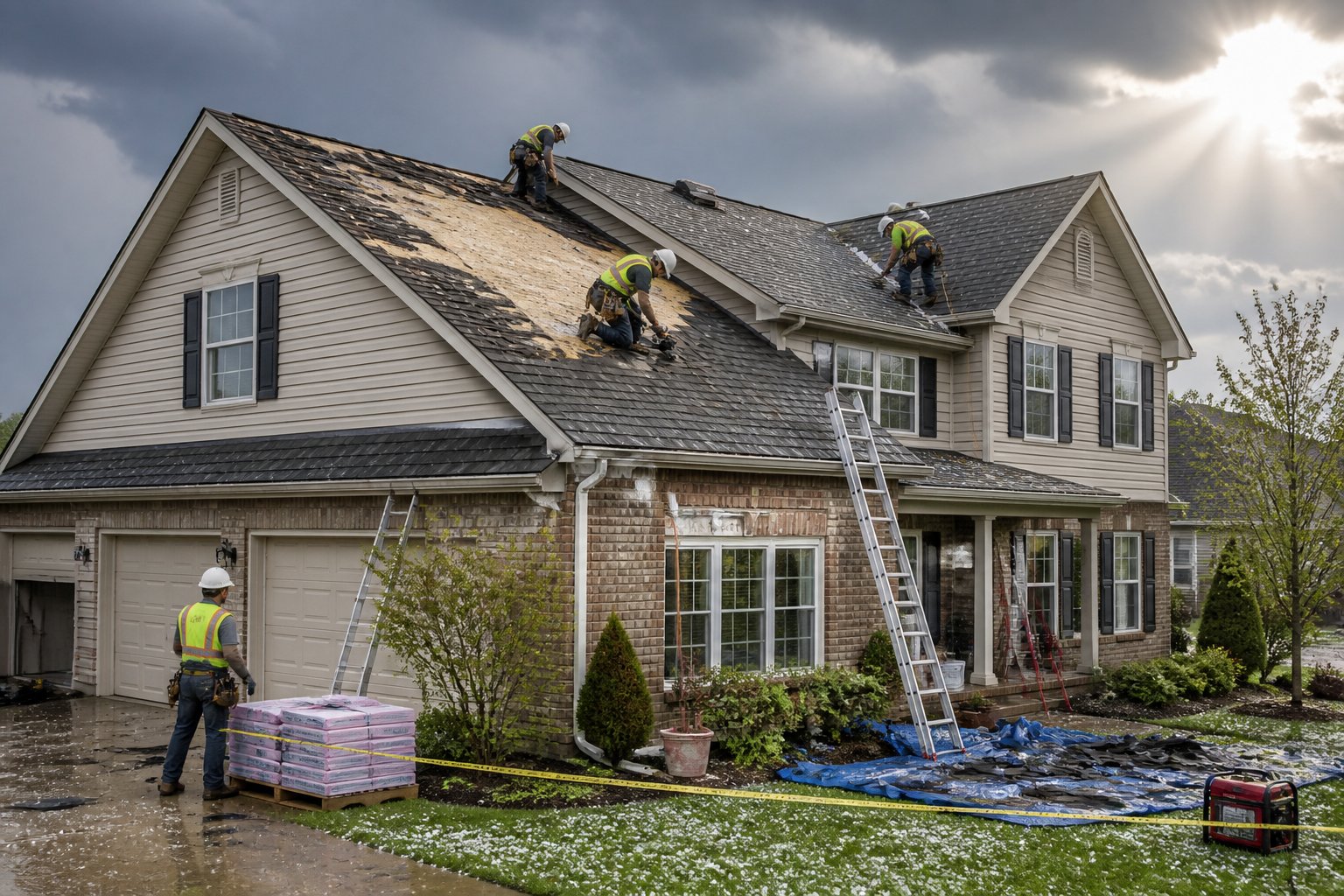
Your roof usually takes the worst hit. Restoration starts by removing damaged shingles, tiles, or metal panels. Pros check the underlayment and decking for water or structural damage.
Common roof repairs include:
- Swapping out missing or busted shingles
- Fixing torn underlayment
- Repairing or replacing damaged flashing around chimneys and vents
- Replacing rotted decking
They’ll seal up any openings and make sure ventilation’s good. Sometimes, you can upgrade to more wind-resistant materials. The final step is inspecting everything to make sure it meets local codes and can handle the next storm.
Water Intrusion And Mold Concerns
Wind damage often opens up your home’s exterior, letting water sneak in. That moisture can lead to mold in as little as 24 to 48 hours if you don’t act fast. Fast action is a big part of wind damage restoration, especially when the roof or windows were compromised.
Identifying Water Entry Points
Start with the roof. Missing or damaged shingles are the usual suspects. Pay close attention to where the roof meets walls or chimneys, since those edges often split during storms.
Check windows and doors for broken seals or cracked glass. Wind-driven rain can push water through tiny gaps. Look over your siding and exterior walls for cracks or loose panels. Corners and spots where materials meet are especially vulnerable.
Common water entry locations:
- Roof valleys and flashing
- Attic vents and soffits
- Window and door frames
- Foundation cracks
- Damaged gutters and downspouts
Inside, look for water stains on ceilings and walls, especially around windows. Brown or yellow marks usually mean water’s already inside. Use a flashlight to check attics and crawl spaces. Damage often starts there before you notice it elsewhere.
Preventing Mold Growth
Dry out wet areas within 24 hours if you can. Remove standing water using pumps, wet vacs, or towels, whatever works. Set up fans and dehumidifiers to speed things up. If it’s not humid outside, open windows; otherwise, keep them closed.
Try to keep indoor humidity under 60% to stop mold from spreading. Toss wet stuff that can’t be dried fast. Carpet padding, insulation, drywall, and upholstered furniture are basically mold magnets. Hard surfaces like wood or tile can usually be saved if you dry them out quickly.
Clean all wet surfaces with the right cleaning solutions. Keep an eye, and nose, out for musty smells, dark spots, or any weird health symptoms in the weeks after water damage.
Working With Insurance Companies
Most homeowners need to file a wind damage claim quickly to start repairs. Your policy likely covers wind damage, but you’ll want to know what’s included and document everything to get the best shot at a fair payout. A well-documented claim supports your wind damage restoration timeline and reduces back-and-forth.
Filing A Claim
Call your insurance company as soon as you spot wind damage. Most have a 24/7 claims hotline. You’ll get a claim number and an adjuster assigned to your case.
Take photos and videos before you do any temporary repairs. You’re required to prevent further damage, so board up windows or tarp the roof while you wait for the adjuster.
The adjuster usually visits within a few days to check things out. They’ll take their own photos, measure, and write up an estimate. You can hire a restoration company before the adjuster arrives. They can help document damage and give their own estimate.
Keep all your receipts for emergency repairs and temporary housing if you have to leave. Some policies cover those costs.
Understanding Your Coverage
Wind damage generally falls under your homeowner’s insurance, but coverage varies. Standard policies usually cover roofs, siding, windows, and other structures hit by wind.
Common exclusions include damage from flooding (that’s a separate policy), gradual wear and tear, or stuff caused by poor maintenance. If you live on the coast, you might have a separate windstorm or hurricane deductible, and it’s often higher than your regular one.
Read your policy to know your deductible and coverage limits. The deductible is what you pay before insurance steps in.
Claim Documentation Tips
Good documentation speeds up your claim and helps you get fair compensation. Take clear photos and videos from different angles. Get close-ups and wide shots so there’s no confusion.
Make a detailed list of damaged items, what they are, when you bought them, and what they’re worth. Save your list in more than one place, just in case.
Get written estimates from licensed contractors for all repairs. Having several estimates gives you leverage if the adjuster’s number seems low.
Keep a log of every call or email with your insurance company, dates, times, and names. Don’t toss damaged items until your adjuster says it’s okay. They might need to see them in person.
Choosing A Wind Damage Restoration Contractor
Picking the right contractor can make or break your restoration experience after wind damage. Look for certain qualities and don’t be afraid to ask tough questions before letting anyone start work on your home. The right partner keeps your wind damage restoration organized, documented, and built to last.
Qualities To Look For
Experience with storm and wind damage should absolutely top your list. Not every contractor really gets the weird problems wind can cause, like hidden structural issues or water sneaking in after a roof gets battered.
Make sure your contractor has proper licensing and insurance. If something goes sideways during repairs, you want to be covered. Ask for proof of both before anyone picks up a hammer.
Check for good references from recent customers. Actually call a couple. Did repairs wrap up on time? Did the contractor keep them in the loop?
A trustworthy contractor should hand you detailed written estimates. You’ll want a breakdown of materials, labor, and timelines. If someone only gives you a verbal quote or rushes you to sign, that's a red flag.
Industry certifications also matter. Groups like the Institute of Inspection, Cleaning and Restoration Certification (IICRC) offer training that signals a contractor keeps up with professional standards.
Questions To Ask Restoration Professionals
Start by asking how long they've handled wind damage jobs specifically. General contractors might miss the sneaky stuff wind can do.
“How will you handle my insurance claim?” is a big one. Many restoration companies work directly with insurance adjusters to document damage and justify costs, which can save you a headache.
Ask about their assessment process. A solid contractor should check the whole property, not just the obvious mess. Wind hides problems in attics, crawl spaces, and behind walls.
Find out what equipment and methods they use. The pros have specialized tools for detecting moisture, structural issues, and other wind-related headaches.
Request a timeline for finishing the work. Delays can happen, but you deserve a realistic schedule. Also, ask how they’ll protect your place if another storm rolls in while repairs are happening.
Cost Factors In Wind Damage Restoration
Plenty of things can swing the price of wind damage repairs, from how bad the damage is to what your home is made of. Knowing what drives costs helps you plan, and maybe avoid sticker shock, while keeping your wind damage restoration decisions practical.
Elements That Affect Restoration Costs
The type and severity of damage hit your wallet the hardest. Swapping a few shingles is nothing compared to fixing structural roof or wall problems.
Your home's materials matter a lot. Asphalt shingles? Cheaper to replace than metal or clay tile. Siding’s the same. Vinyl’s usually less expensive than wood or fiber cement. Labor rates jump around depending on your location. Urban areas often charge more, and if a storm just hit, contractor demand can send prices up.
Common cost factors include:
- How deep the damage goes
- Roof pitch and how easy it is to reach
- Type and quality of materials
- Local labor rates
- Emergency versus regular service
- Permit and inspection fees
The size of the damaged area matters, too. A single patch is way less than multiple roof sections. And don’t forget your insurance deductible and coverage limits. They decide what you pay out of pocket.
Tips For Budgeting Your Project
Get at least three written estimates from licensed contractors before you commit. It’s the best way to spot fair pricing and weed out bids that don’t make sense.
Take photos and videos before repairs start. This helps with insurance and lets contractors give accurate estimates. Keep all your receipts and paperwork in one spot. Trust me, it’s worth it.
Ask about payment schedules right away. Most want a deposit, but don’t pay it all upfront. Usually, it’s 30% to start, 40% halfway, and the last 30% when they’re done.
Set aside an extra 10-15% for unexpected issues. Once repairs start, hidden problems can pop up, especially in older homes. That buffer keeps you from panicking if costs climb.
Check if your insurance covers temporary fixes or emergency work. File your claim ASAP and read your policy. Knowing what’s covered saves money and hassle while you wait for full repairs.
Preventing Future Wind Damage
Taking proactive steps now could save you thousands and a lot of stress later. Regular maintenance and smart upgrades make your place tougher against wild weather, and they can reduce the scope of future wind damage restoration.
Strengthening Vulnerable Areas
Your roof is the first line of defense. Install hurricane straps or clips to tie your roof to the walls. These metal connectors cost $2-10 each, but they can keep your roof from flying off.
Windows and doors need love, too. Add storm shutters or impact-resistant windows to block flying debris. If shutters aren’t in the cards, at least keep plywood cut to size in the garage for emergencies.
Garage doors are a weak spot in a lot of homes. If one fails, wind can rush in and blow off your roof. Upgrading to a wind-rated garage door or adding bracing kits can make a huge difference.
Check your siding and trim regularly. Loose or damaged bits can turn into missiles. Secure any wobbly pieces and replace what’s broken as soon as you spot it.
Routine Maintenance Practices
Give your roof a good look twice a year, especially before storm season. Missing, cracked, or curling shingles need to go. Wind loves to exploit those gaps.
Trim tree branches hanging over your house or within 10 feet. Dead or weak limbs are accidents waiting to happen. Remove dead trees completely.
Clean your gutters and downspouts at least twice a year. Clogged gutters weigh down your roof and can cause water damage. Healthy gutters also keep water from pooling around your foundation.
Key maintenance tasks:
- Tie down loose outdoor stuff like furniture and grills
- Inspect and fix caulking around windows and doors
- Check attic ventilation to stop moisture buildup
- Look at flashing around chimneys and vents
Take photos of your property before storm season. If you ever need to file a claim, you’ll be glad you did.
A Clear Path Forward After Wind Damage
Wind damage can leave your home vulnerable and leave you feeling unsure about what comes next. Taking the right steps early, from safety checks to documentation and repairs, helps protect your home and reduces long-term stress.
Jenkins Restoration and Remodel provides calm, experienced support for homeowners across Southern Maryland, helping you move through wind damage restoration with clear communication, quality repairs, and guidance from start to finish.
If your home was impacted by a recent storm, contact us to schedule a consultation and start restoring your home with confidence.
Frequently Asked QuestionsWhat Is Wind Damage Restoration?
Wind damage restoration is the process of repairing and restoring a home after it has been damaged by strong winds. This can include roof repairs, siding replacement, window fixes, structural repairs, and addressing any water intrusion caused by wind-driven rain.
How Soon Should Wind Damage Be Repaired?
Repairs should begin as soon as it is safe to do so. Even minor wind damage can quickly lead to leaks, mold growth, or structural issues if left unaddressed. Prompt wind damage restoration helps prevent further damage and keeps repair costs under control.
Can Wind Damage Be Hidden?
Yes. Not all wind damage is obvious right away. Lifted shingles, loosened flashing, shifted framing, and small cracks can allow water intrusion without visible exterior signs. A professional inspection helps identify hidden issues before they worsen.
Will Wind Damage Always Cause Roof Leaks?
Not always, but roof damage is one of the most common outcomes of high winds. Missing or lifted shingles, damaged flashing, or punctures from debris can eventually lead to leaks, even if water does not appear immediately after the storm.
Is Temporary Repair Enough After Wind Damage?
Temporary repairs like tarping or boarding up openings are important to prevent further damage, but they are not a permanent solution. Full wind damage restoration is needed to restore your home’s structure, weather protection, and long-term safety.
Does Wind Damage Restoration Include Water Damage?
Often, yes. Wind frequently allows rain to enter through roofs, windows, or siding. Restoration typically addresses both wind-related structural damage and any resulting water damage to insulation, drywall, flooring, or framing.
How Long Does Wind Damage Restoration Take?
The timeline depends on the extent of the damage. Minor repairs may take a few days, while more extensive restoration involving roofs or structural repairs can take several weeks. Insurance approvals, material availability, and weather conditions can also affect timing.
What Should I Avoid Doing After Wind Damage?
Avoid climbing on the roof, entering unsafe areas, or making permanent repairs before documenting the damage. Skipping documentation or delaying inspections can complicate insurance claims and increase repair costs later.
Can I Stay In My Home During Wind Damage Restoration?
In many cases, yes. However, if there is significant structural damage, electrical issues, or active water intrusion, it may be safer to temporarily relocate. A professional assessment can help determine what is safe.
How Can I Reduce the Risk of Future Wind Damage?
Regular roof inspections, trimming nearby trees, securing loose exterior elements, reinforcing garage doors, and upgrading to wind-rated materials can all help reduce future damage. Preventive maintenance plays a big role in limiting the need for wind damage restoration.