.png)


When siding begins to crack, fade, or pull away from your home, it can quickly lead to bigger concerns like moisture intrusion, rising energy bills, and declining curb appeal. Many homeowners are unsure whether repairs are enough or if a full home siding replacement service is the better long-term solution.
At Jenkins Restoration and Remodel, homeowners across Southern Maryland rely on experienced guidance to evaluate siding damage, understand material options, and navigate the replacement process with confidence. Having the right team helps ensure the project is done correctly from start to finish.
In this guide, you’ll learn the signs your siding needs replacement, the materials available, and what to expect during a professional home siding replacement service. Understanding the process can help you protect your home and make a confident decision about your exterior upgrade.
What Is Home Siding Replacement?
A home siding replacement service involves removing the existing exterior siding and installing new materials designed to protect the structure and refresh the home's appearance. This process ensures that your home remains shielded from moisture, wind, and temperature fluctuations.
Most homeowners replace siding every 15 to 30 years, although the exact timeline depends on the material used and the level of weather exposure. Older siding gradually loses its ability to insulate and defend against moisture, which can eventually lead to structural issues if left unaddressed.
Types of Siding Materials
When planning a home siding replacement service, homeowners have several material options to consider. Each type offers unique advantages in terms of durability, maintenance, appearance, and cost.
Vinyl Siding
Vinyl siding is one of the most widely used siding materials because it is affordable, durable, and easy to maintain. It is available in a wide variety of colors and textures, allowing homeowners to achieve many different styles without extensive upkeep.
With basic maintenance such as periodic cleaning, vinyl siding typically lasts 20 to 30 years, making it a reliable and cost-effective choice for many homes.
Wood Siding
Wood siding provides a timeless and natural appearance that many homeowners appreciate. Its texture and warmth give homes a traditional aesthetic that works well with many architectural styles.
However, wood siding requires regular painting or staining to maintain its condition. Without proper maintenance, moisture exposure can lead to warping, cracking, or rot over time.
Fiber Cement Siding
Fiber cement siding is known for its exceptional durability and resistance to fire, insects, and moisture damage. It is engineered to withstand harsh weather conditions while maintaining its appearance for many years.
This material typically lasts 30 to 50 years and can replicate the look of natural wood without the same level of maintenance. Although fiber cement has a higher upfront cost, its long lifespan and durability often make it a strong long-term investment.
Metal Siding
Metal siding, usually aluminum or steel, offers excellent durability and minimal maintenance requirements. It resists cracking, rotting, and pest damage while standing up well to severe weather.
Because of its strength and longevity, metal siding can be a practical option for homes in areas that experience intense storms or temperature fluctuations.
Signs Your Home Needs Siding Replacement
Siding usually provides clear warning signs when it is no longer protecting your home effectively. Recognizing these issues early can prevent costly structural repairs later.
Visible Damage
Cracks, holes, and warped panels often indicate that siding is no longer functioning properly. When siding becomes damaged, gaps can allow moisture to enter the structure, increasing the risk of internal water damage.
Rotting or Soft Spots
Soft or deteriorating siding may suggest that moisture has already penetrated the exterior material. If siding feels spongy or crumbles when pressed, replacement is often necessary to prevent further structural damage.
Peeling Paint or Loose Panels
Frequent repainting or siding panels pulling away from the home can indicate that the material has reached the end of its useful life. These issues often signal deeper problems with aging or failing siding.
Rising Energy Bills
If heating and cooling costs increase unexpectedly, deteriorating siding may be allowing air leakage or reducing insulation performance. Replacing siding can help restore your home's energy efficiency.
Benefits of Replacing Home Siding
Investing in a professional home siding replacement service provides several advantages that improve both the appearance and performance of your home.
Better Weather Protection
New siding creates a stronger barrier against rain, wind, and temperature changes. This added protection helps prevent moisture intrusion, mold growth, and structural deterioration.
Improved Energy Efficiency
Modern siding materials are designed to provide better insulation than older products. This improved insulation helps maintain consistent indoor temperatures and may reduce heating and cooling costs.
Increased Home Value
Fresh siding can significantly enhance curb appeal and make a home more attractive to potential buyers. Updated exterior materials often increase overall property value.
Lower Maintenance Costs
Many modern siding materials require minimal upkeep compared to older products. This can help homeowners reduce ongoing maintenance and repair expenses.
Choosing the Right Siding for Your Home
Selecting siding involves more than choosing a color. Homeowners should consider durability, maintenance requirements, climate performance, and architectural style when making a decision.
Comparing Siding Materials
Vinyl siding is often the most affordable option, typically costing $3 to $12 per square foot installed. It requires minimal maintenance and can last between 20 and 40 years with proper care.
Fiber cement siding generally costs $6 to $13 per square foot, offering superior durability and resistance to fire and pests. Its long lifespan makes it a popular choice for homeowners seeking long-term value.
Wood siding typically ranges from $8 to $15 per square foot, depending on the species used. While it offers a distinctive natural appearance, it requires consistent maintenance to preserve its condition.
Metal siding usually costs $3 to $11 per square foot and can last more than 40 years with limited upkeep, making it a durable option for many homes.
Aesthetic and Design Considerations
Your siding should complement the overall architectural style of your home while blending well with the surrounding neighborhood. Traditional homes often pair well with wood-style or fiber cement siding, while modern designs may look best with sleek metal panels or smooth siding profiles.
Color also plays a role in both appearance and performance. Lighter colors reflect heat and help homes stay cooler, while darker shades absorb warmth and may benefit homes in colder climates.
Neutral colors such as gray, beige, and white remain popular because they offer long-term visual appeal and broad resale potential.
Texture and layout can also influence the final look. Horizontal lap siding works well for most homes, while board-and-batten designs create a distinctive farmhouse-style exterior.
Energy Efficiency and Insulation
Some siding materials include built-in insulation that improves overall home efficiency. Insulated vinyl siding, for example, includes foam backing that can increase a home's R-value by two to four points.
Although insulated siding may cost slightly more, it can help reduce long-term heating and cooling expenses. Additional improvements, such as house wrap and wall insulation, also contribute to improved energy performance during a home siding replacement service.
The Siding Replacement Process
A complete home siding replacement service typically takes one to two weeks, depending on the size of the home, architectural details, and the material selected.
Preparing Your Home for Replacement
Before installation begins, contractors prepare the surrounding area to protect property and ensure a safe work environment. Outdoor furniture, grills, and decorations near exterior walls are typically moved to create clear access for the installation crew.
Landscaping may be covered to prevent damage, and scaffolding or ladders are installed to allow workers to safely reach upper areas of the home.
Inside the home, it is helpful to remove fragile decorations and clear shelves located along exterior walls, since the installation process can create vibrations. To prepare for installation day, homeowners should ensure there is a clear walkway around the house, secure window treatments near exterior walls, and plan for construction noise during normal work hours.
Step-by-Step Installation Overview
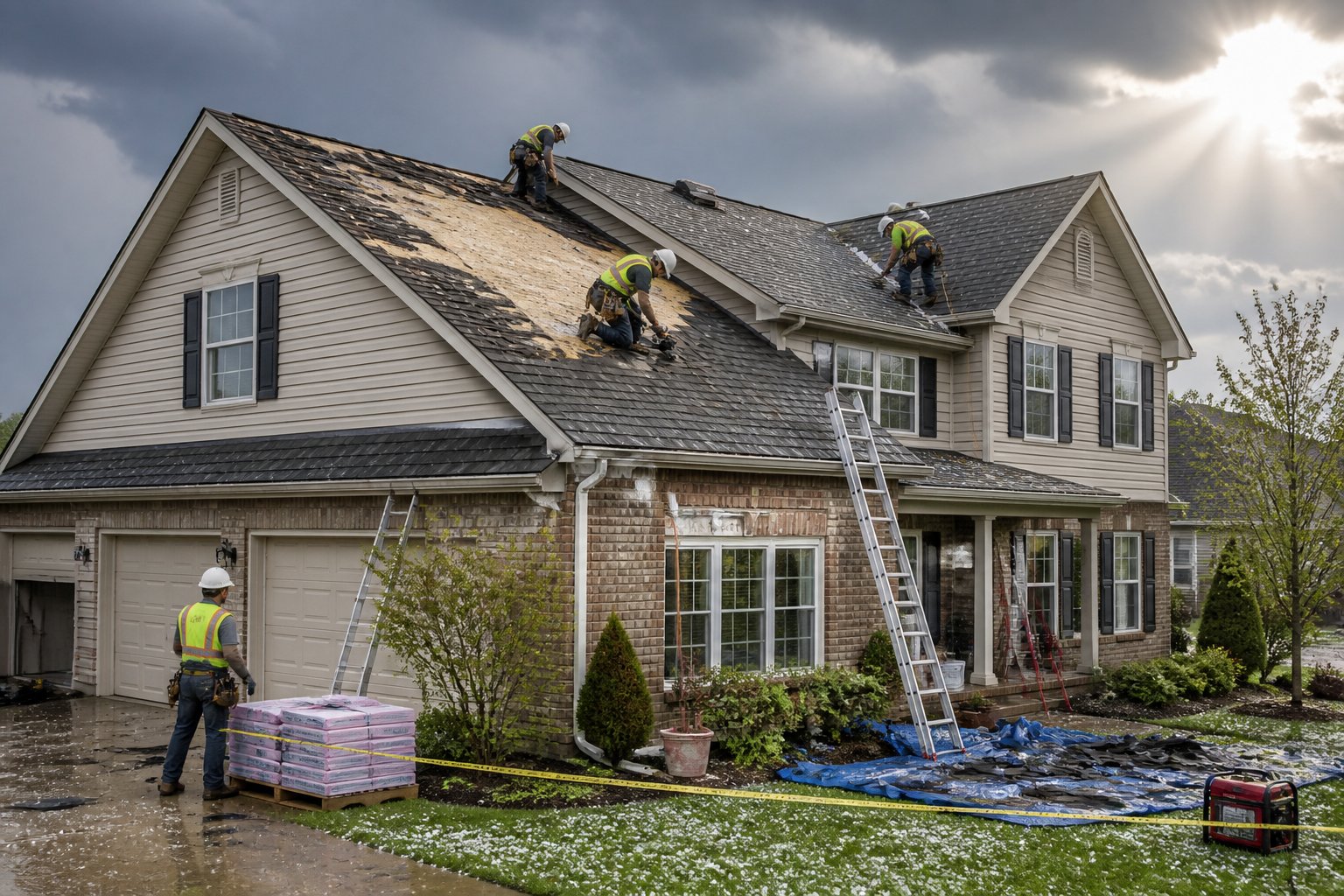
The siding replacement process begins with the removal of the existing siding, trim, and any damaged insulation materials. Contractors carefully inspect the underlying sheathing to identify signs of water damage, rot, or structural deterioration.
Any damaged areas are repaired before the new siding is installed. A weather-resistant barrier is then applied to the exterior sheathing to help prevent moisture infiltration and improve insulation.
The new siding is installed from the bottom upward, ensuring that each panel overlaps correctly and allows water to drain away from the home. Trim pieces are installed around windows, doors, and corners to create a finished appearance.
Finally, installers seal seams and reinstall exterior fixtures such as vents, lighting mounts, and outlets.
Timeline and What to Expect
Most siding projects take 7 to 14 days to complete for an average-sized home. Larger homes or complex architectural features may require additional time.
During installation, certain sections of the home may temporarily be exposed as the old siding is removed. However, professional crews typically work in stages to maintain weather protection throughout the project.
Homeowners should expect construction activity, equipment on-site, and moderate noise during daytime work hours while the project is underway.
Working With a Professional Siding Replacement Service
Selecting the right contractor is an important part of a successful siding project. A qualified professional should guide homeowners through material choices, installation expectations, and warranty coverage.
How to Select a Qualified Contractor
Begin by verifying that the contractor holds the proper licenses, insurance, and bonding required for exterior construction work. This protects homeowners in case of unexpected issues during the project.
Request references from previous customers and take time to confirm that past projects were completed on schedule and within the agreed budget.
It is also recommended to obtain at least three written estimates before selecting a contractor. Reliable professionals typically inspect the home in person before preparing a detailed quote.
Understanding Pricing and Estimates
A thorough estimate should clearly outline the cost of materials, labor, and the removal of the existing siding. It should also identify any potential repair work required for the structure beneath the siding.
Material choice plays a major role in determining project cost. Vinyl siding generally offers the lowest installation cost, while fiber cement and wood tend to be more expensive due to material weight and installation complexity.
A well-prepared estimate should also specify the siding style, quality level, and installation details included in the project.
Warranties and Aftercare Support
Most siding products include manufacturer warranties that cover material defects for 20 to 50 years. These warranties help ensure long-term performance and reliability.
Installation warranties protect homeowners from workmanship issues that may appear after the project is completed. Many reputable contractors provide at least a one-year labor warranty. Homeowners should also understand what maintenance requirements may affect warranty coverage and how to request service if concerns arise.
Caring for Your New Siding
Proper maintenance helps extend the life of your siding and preserve its appearance. Fortunately, most modern siding materials require relatively simple care.
Maintenance Tips
Cleaning your siding twice each year with a garden hose and soft brush helps remove dirt, dust, and environmental buildup. For tougher stains, mild soap and water are usually sufficient.
Pressure washers should be avoided on vinyl siding because strong water pressure can damage panels or force water behind the material. Seasonal inspections are also helpful. Walking around the home periodically allows you to check for loose panels, cracks, or damaged caulking around windows and doors.
Keeping trees and shrubs trimmed at least two feet away from the siding helps prevent moisture buildup and reduces the risk of mold growth.
Common Issues and Solutions
Over time, some fading may occur due to prolonged sun exposure. Regular cleaning can help siding maintain a brighter appearance and slow visible aging.
Warping or buckling panels may indicate installation issues. If these problems appear soon after installation, homeowners should contact their installer because warranty coverage may apply.
Loose panels should be secured promptly to prevent water intrusion. Small holes can often be sealed with color-matched exterior caulk, while larger damage may require replacing individual siding sections.
If bubbling or soft areas appear, moisture may be trapped behind the siding, and a professional inspection is recommended.
Protect Your Home With Professional Siding Replacement
Replacing your siding is one of the most effective ways to improve protection, energy efficiency, and overall curb appeal. A professional home siding replacement service ensures that the new siding is installed correctly and built to perform well in changing weather conditions.
Jenkins Restoration and Remodel provides experienced guidance and high-quality craftsmanship for homeowners throughout Southern Maryland. If you are planning a siding upgrade, get in touch to schedule a consultation and explore the best siding solutions for your home.
Frequently Asked QuestionsHow do I know if I need a home siding replacement service?
Several warning signs can indicate it’s time to consider a home siding replacement service. Visible cracks, warped panels, rotting sections, or siding that is pulling away from the home are common indicators that the material is no longer protecting the structure properly.
Other signs may include frequent repainting, moisture stains on interior walls, or rising energy bills. If your siding is more than 20–30 years old and showing multiple issues, a full replacement may be the most reliable long-term solution.
How long does a home siding replacement service take?
Most siding replacement projects take 7 to 14 days for an average-sized home. The timeline depends on several factors, including the size of the home, the siding material chosen, and weather conditions during installation.
Homes with complex architecture or extensive underlying repairs may require additional time. A professional contractor will typically provide a clear project timeline before work begins.
What is the most durable siding material?
Fiber cement and metal siding are widely considered two of the most durable options. Fiber cement siding resists fire, pests, moisture, and rot, and it can last 30 to 50 years with proper maintenance.
Metal siding, such as aluminum or steel, also offers excellent durability and performs well in harsh weather conditions. Vinyl siding remains popular because it balances durability with affordability and low maintenance.
Does new siding improve energy efficiency?
Yes, new siding can improve a home's energy efficiency, especially when insulation upgrades are included during installation. Some materials, such as insulated vinyl siding, include foam backing that helps reduce heat loss and air leaks.
When combined with house wrap and improved wall insulation, a home siding replacement service can help maintain consistent indoor temperatures and reduce heating and cooling costs.
How much does a home siding replacement service cost?
The cost of a home siding replacement service typically ranges from $8,000 to $30,000, depending on the home's size, siding material, and labor requirements.
Vinyl siding is generally the most affordable option, while fiber cement and wood tend to cost more due to material weight and installation complexity. A professional estimate will outline material costs, labor, and any repairs needed beneath the siding.
How long does new siding last?
The lifespan of siding depends on the material and maintenance level. Vinyl siding typically lasts 20 to 40 years, while fiber cement can last 30 to 50 years or more.
Wood siding may last several decades with regular painting or staining, while metal siding can often exceed 40 years with minimal upkeep. Routine cleaning and inspections help extend the lifespan of any siding material.