.png)



Standing in your driveway after a summer thunderstorm, staring at shingles scattered across the lawn, changes how you think about your roof. Maybe it was a hailstorm that left dents you cannot ignore. Maybe your roof is simply old enough that every rainy forecast brings a knot in your stomach.
Southern Maryland weather does not make this decision easy. Between humid summers, heavy rain, and the occasional hurricane remnant, your roof takes a beating most homeowners never fully see until damage shows up inside the house.
In this guide, you'll learn which roofing materials hold up best in this region, what they cost to install, and how to compare them without getting lost in sales talk. Keep reading to learn how local weather patterns, home style, and long-term maintenance all factor into the right choice for your property.
Start With Southern Maryland Weather and Your Roof's Needs
Your roof's material choice starts with the weather it has to survive, not just the look you want. Southern Maryland sits in a climate zone that tests roofing in nearly every way possible.
How Humidity and Heavy Rain Affect Roofing
Humidity is a constant here, and it does more damage than most homeowners expect. Moisture in the air seeps into poorly ventilated attics and causes wood rot underneath shingles you cannot see from the ground.
Heavy rain compounds the problem by finding any gap in flashing, underlayment, or shingle overlap. Water that pools on a flat section of roof, even briefly, can work its way into decking over a single season.
Materials that resist moisture absorption, like metal or composite shingles, tend to perform better in these conditions. Asphalt shingles can still work well, but only with proper ventilation and quality underlayment installed correctly.
What Hail, Wind, and Snow Can Damage
Hail is one of the more unpredictable threats to a Southern Maryland roof. A single storm can crack shingles, dent metal panels, or knock granules loose without any obvious sign from the ground.
Wind gusts during coastal storms can lift shingle edges, especially on older roofs where the sealant strip has worn down. Snow, while less frequent, adds weight and can trap moisture against the roofline during freeze-thaw cycles in January and February. For a detailed breakdown of storm damage types and what to do right after one hits, it helps to know the full picture before a storm forces the issue.
Here is a quick look at what each condition tends to damage most:
- Hail: cracked or dented shingles, granule loss, dented metal panels
- Wind: lifted or torn shingle edges, exposed nail heads, flashing separation
- Snow and ice: trapped moisture, ice dam buildup, added structural weight
Matching Material to Home Style and Budget
A colonial-style home in Prince George's County calls for a different look than a coastal cottage near the Patuxent River. Material choice affects curb appeal as much as performance.
Budget matters just as much as style. Some materials cost less upfront but need replacement sooner, while others cost more initially but last for decades with minimal upkeep.
The right balance depends on how long you plan to stay in the home and how much risk you are willing to take with storm exposure. That balance becomes clearer once you see the specific materials homeowners in this region actually choose.
The Main Options Homeowners Consider
Most Southern Maryland homeowners choose between four main categories of roofing material. Each one comes with real trade-offs worth understanding before you commit.
Three-Tab Asphalt Shingles
Three-tab asphalt shingles are the most basic and least expensive option on the market. They are flat, uniform, and have been a standard choice for decades across the region.
Their lifespan tends to run shorter than other asphalt products, often landing in the 15- to 20-year range depending on installation quality. Wind resistance is also lower, which matters given how often gusty storms roll through this area.
Homeowners on a tight budget or those planning to sell within a few years sometimes still choose three-tab shingles. Their lower upfront cost makes them appealing, even with the shorter service life.
Architectural Shingles
Architectural shingles, sometimes called dimensional shingles, offer a thicker, layered look than three-tab versions. They mimic the appearance of wood shakes or slate while staying in a more moderate price range.
Because of their added thickness, architectural shingles generally hold up better against wind and hail impact. Many manufacturers rate them for higher wind speeds, which matters during Southern Maryland's storm season.
They have become the most common choice for homeowners replacing a roof, since they combine reasonable cost, a longer lifespan, and stronger storm performance. That combination raises a natural next question: what premium options go even further?
Standing-Seam Metal Panels
Standing-seam metal roofing uses raised seams that interlock, creating a continuous surface with fewer exposed fasteners. It has moved from a niche choice to a mainstream option for homeowners planning to stay long-term.
Metal panels resist wind uplift far better than shingles, and their smooth surface sheds heavy rain quickly. They also handle hail impact differently, often denting rather than cracking, which affects appearance more than function.
Southern Maryland homeowners near open fields or waterfront properties, where wind exposure runs higher, often lean toward metal for this reason. Upfront cost is higher, but the extended lifespan changes the long-term math.
Slate and Composite Alternatives
Natural slate is one of the longest-lasting roofing materials available, with some installations lasting well over a century. Its weight and cost put it out of reach for many homeowners, though, especially without reinforced roof framing.
Composite and synthetic slate alternatives replicate the look at a lower weight and cost. These products have improved significantly in recent years, offering strong impact resistance without the structural demands of real slate.
Both options appeal to homeowners restoring historic properties common in Southern Maryland's older neighborhoods. Weighing these premium choices against everyday asphalt and metal options is where most homeowners get stuck deciding.
Asphalt Shingles Versus Metal Roofing
Asphalt shingles and metal panels represent the most common comparison homeowners make when planning a roof replacement. Each performs differently across cost, storm resistance, and daily livability.
Upfront Cost and Long-Term Value
Asphalt shingles cost less to install than metal roofing, often by a significant margin per square foot. That lower entry cost makes asphalt the default choice for many homeowners working within a defined budget.
Metal roofing costs more to install, sometimes double the price of asphalt, depending on panel style and finish. Its longer lifespan, often 40 to 70 years, spreads that cost out over a much longer period.
Exact pricing depends on panel type, roof size, and current material costs, so a professional estimate always helps with a direct comparison. That estimate becomes especially useful when factoring in how each material handles storm damage over time.
Storm Resistance and Repair Considerations
Metal roofing generally outperforms asphalt shingles in high wind events, since panels interlock and resist uplift more effectively. Hail can still dent metal, but dents rarely compromise the roof's ability to shed water.
Asphalt shingles can crack or lose granules during hail events, which shortens their functional lifespan even when the roof still looks intact. Asphalt repairs tend to be simpler and less expensive than isolated metal panel repairs.
- Asphalt repair: individual shingles replaced fairly easily, lower material cost
- Metal repair: panel replacement can require matching seams, more specialized labor
Appearance, Noise, and Energy Performance
Asphalt shingles offer a traditional look that fits colonial, Cape Cod, and craftsman-style homes common throughout the region. Color and texture options are wide, making it easy to match neighborhood aesthetics.
Metal roofing has a distinct appearance that some homeowners love and others find less traditional for older Southern Maryland architecture. Noise during rain is a common concern, though proper insulation and solid decking largely resolve this issue.
Metal panels also reflect more solar heat than asphalt, which can reduce attic temperatures during humid summer months. That energy difference becomes part of a larger conversation about lifespan, maintenance, and what each material actually costs over its full service life.
Compare Lifespan, Maintenance, and Installed Cost
Every roofing material comes with its own expected service life and upkeep demands. Comparing these side by side makes the long-term picture much clearer than cost alone.
Expected Service Life by Material
Lifespan varies widely across roofing material types, and it directly affects how often you will face a replacement decision. Here is a general breakdown homeowners can use as a starting point:
- Three-tab asphalt shingles: 15 to 20 years
- Architectural shingles: 25 to 30 years
- Standing-seam metal: 40 to 70 years
- Composite slate alternatives: 40 to 50 years
- Natural slate: 75 to 100-plus years
These ranges assume proper installation and reasonable maintenance. Storm damage, poor ventilation, or skipped repairs can significantly shorten any of these lifespans.
Maintenance Demands and Common Repairs
Asphalt shingles require the least specialized maintenance but benefit from periodic inspections after major storms. Loose granules in gutters often signal that shingles are aging faster than expected.
Metal roofing needs less frequent attention overall, though fastener checks and sealant inspections at seams matter over time. Slate and composite materials require occasional inspection for cracked or slipped pieces, especially after ice storms.
Every material benefits from a professional inspection after severe weather, regardless of how new or durable it seems. That inspection often reveals why local pricing matters more than any national average you might find online.
Why Local Estimates Matter More Than Average Prices
National cost averages rarely reflect what materials and labor actually cost in Prince George's County or Anne Arundel County. Local permit requirements, roof pitch, and accessibility all affect final pricing in ways a general estimate cannot capture.
Southern Maryland's coastal exposure and storm frequency also affect what underlayment and fastening methods a contractor recommends. Skipping these local factors can lead to a quote that looks appealing but doesn't hold up in real conditions here.
A local, in-person assessment remains the only reliable way to understand what your specific roof will cost to replace. That same assessment often reveals whether your current roof needs a repair or a full replacement.
Know When Damage Calls for Replacement Instead of Repair
Some roof damage is obvious, but plenty of serious problems hide beneath a surface that still looks fine. Knowing the difference protects your home and your budget.
Warning Signs Beneath Missing or Cracked Shingles
Missing shingles expose the underlayment and decking beneath them to direct rain and sun. Even a small, unaddressed gap can lead to rot in the plywood decking within a single rainy season.
Cracked shingles often signal age-related brittleness rather than a one-time storm event. If cracking appears across multiple areas of the roof, it usually points to a system-wide problem rather than an isolated repair.
Curling edges are another sign worth watching, since they often mean the shingle's protective granules have worn away underneath. That kind of wear rarely stays contained to just one section of the roof.
When Hail Damage Affects the Whole Roof System
Hail damage after a storm often looks minor at first glance, but its effects tend to be widespread. Small dents or bruises on shingles can compromise their waterproofing even without visible cracks.
Because hail typically strikes an entire roof surface rather than one spot, damage assessments usually need to account for the whole system, not a single patch. Insurance adjusters often look for this pattern when evaluating a claim after a storm event. Our guide to hail damage roof repair walks through how to spot this pattern and decide between a repair and a full replacement.
This is why a full roof inspection after any significant hailstorm matters, even if the damage seems limited to a few shingles. What looks like a repair job on the surface can turn into a replacement decision underneath.
Questions to Ask During a Professional Inspection
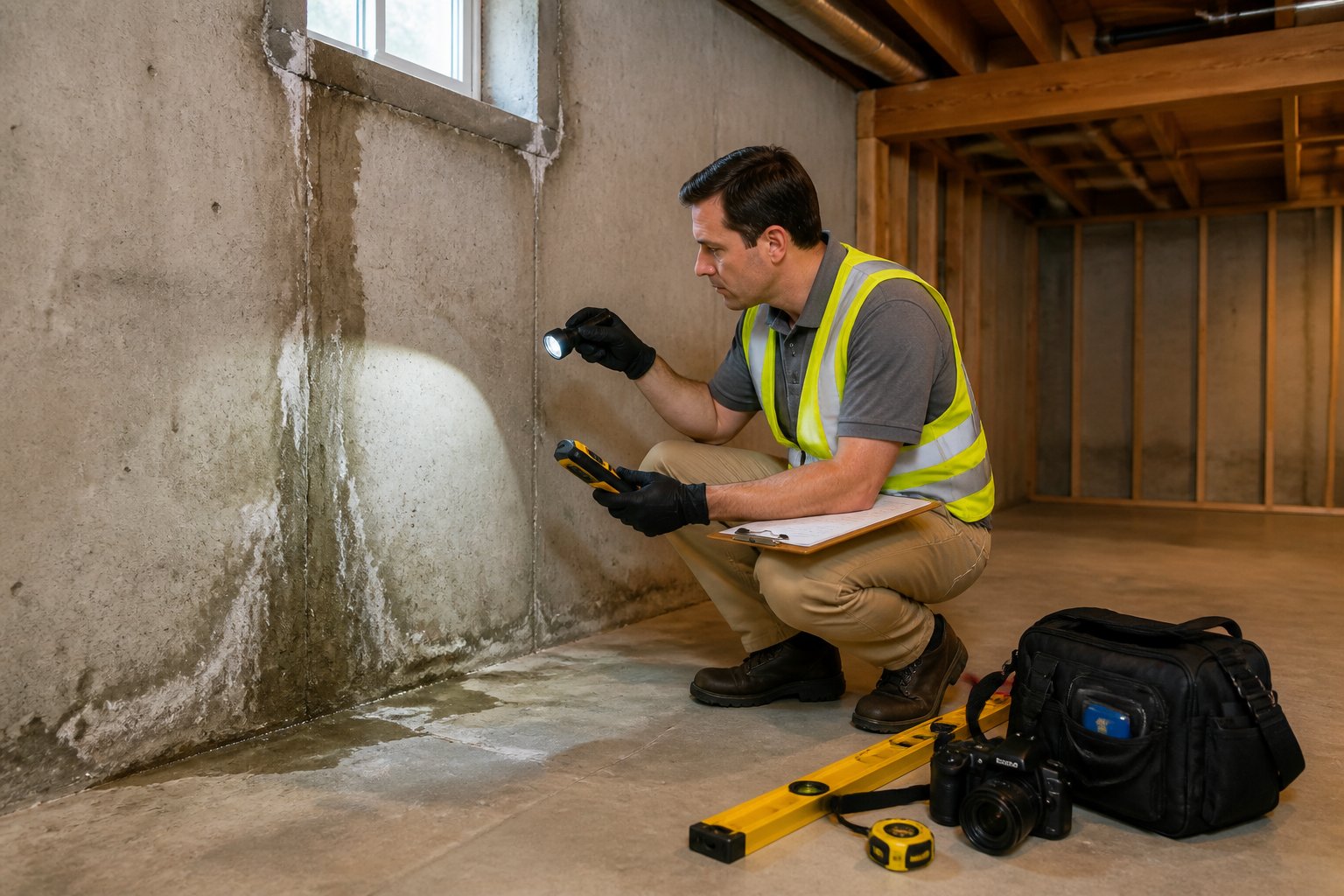
A thorough roof inspection should answer more than just whether shingles are missing. Homeowners preparing for an inspection can ask the following:
- Is the decking underneath solid, or has moisture caused soft spots?
- How widespread is the granule loss across the roof surface?
- Does the damage pattern match storm activity, supporting an insurance claim?
- Would a repair realistically extend the roof's life, or is replacement the safer investment?
Clear answers to these questions remove the guesswork before you commit to any next step. Once you understand your roof's condition, choosing the right replacement material becomes a much more confident decision.
Make a Confident Choice for Your Next Roof
Choosing among roofing material types for homes gets easier once you know your priorities and have a clear picture of your roof's condition. This final step is about preparing for that conversation.
Prepare for a Material Consultation
Before meeting with a contractor, think through how long you plan to stay in your home and how much storm exposure concerns you. These two factors alone narrow down which materials make sense for your situation.
It also helps to gather any photos of visible damage, along with the age of your current roof if you know it. Having this information ready speeds up the consultation and leads to a more accurate assessment.
Consider your neighborhood's architectural style too, since some materials fit certain homes more naturally than others. Knowing what to check before hiring a remodeling contractor can help you avoid a mismatch you'll regret later, whether you are replacing a roof or planning a larger project alongside it.
Frequently Asked Questions
What Are the Most Common Roofing Materials for Homes?
Asphalt shingles remain the most common choice, followed by metal roofing, architectural shingles, and composite or slate alternatives. Each option balances cost, lifespan, and storm performance differently, which is why comparing them matters before replacement.
Which Roofing Material Is Best for a Maryland Home?
No single material is best, since the right choice depends on your budget, home style, and how long you plan to stay. Architectural shingles and metal roofing tend to perform well against Maryland's humidity, wind, and occasional hail.
What Is the Least Expensive Roofing Material to Install?
Three-tab asphalt shingles typically carry the lowest installed cost among common roofing materials. Exact pricing depends on roof size and local labor rates, so a professional estimate gives the most accurate number for your home.
How Long Do Asphalt Shingles, Metal, Wood, Tile, and Slate Roofs Last?
Asphalt shingles generally last 15 to 30 years depending on type, while metal roofing can last 40 to 70 years. Slate often lasts over a century, and composite alternatives typically last 40 to 50 years with proper maintenance.
How Do I Choose a Roofing Material That Fits My Budget and Weather Needs?
Start by listing your top priorities, whether that is upfront cost, storm resistance, or long-term value. A local roof assessment then matches those priorities against your home's structure and Southern Maryland's specific weather risks.
Which Roofing Materials May Help Lower Homeowners Insurance Costs?
Impact-resistant materials like metal roofing or certain architectural shingles may qualify for insurance discounts because of their storm resistance. In Maryland, insurers offer discounts to homeowners who make storm-mitigation improvements, including impact-resistant roofing, under the Insurance Institute for Business & Home Safety's FORTIFIED program.
Savings vary by insurer and policy, so ask your provider directly and understand how a contractor can help manage the claim before you file.
Request a Southern Maryland Roof Assessment
You do not have to figure this out alone. Our team is ready to walk you through every step, from the first assessment to the finished project.
Call Jenkins Restoration and Remodel today to schedule your free consultation and get a clear plan without the guesswork. As a locally owned Southern Maryland team with over 50 years of experience, we understand how regional weather affects material choice and how to manage the process from start to finish.
Start your project now and let a team that knows Prince George's County and Anne Arundel County conditions handle the hard part for you. A same-day or scheduled assessment gives you facts, not guesswork, before you invest in a new roof.