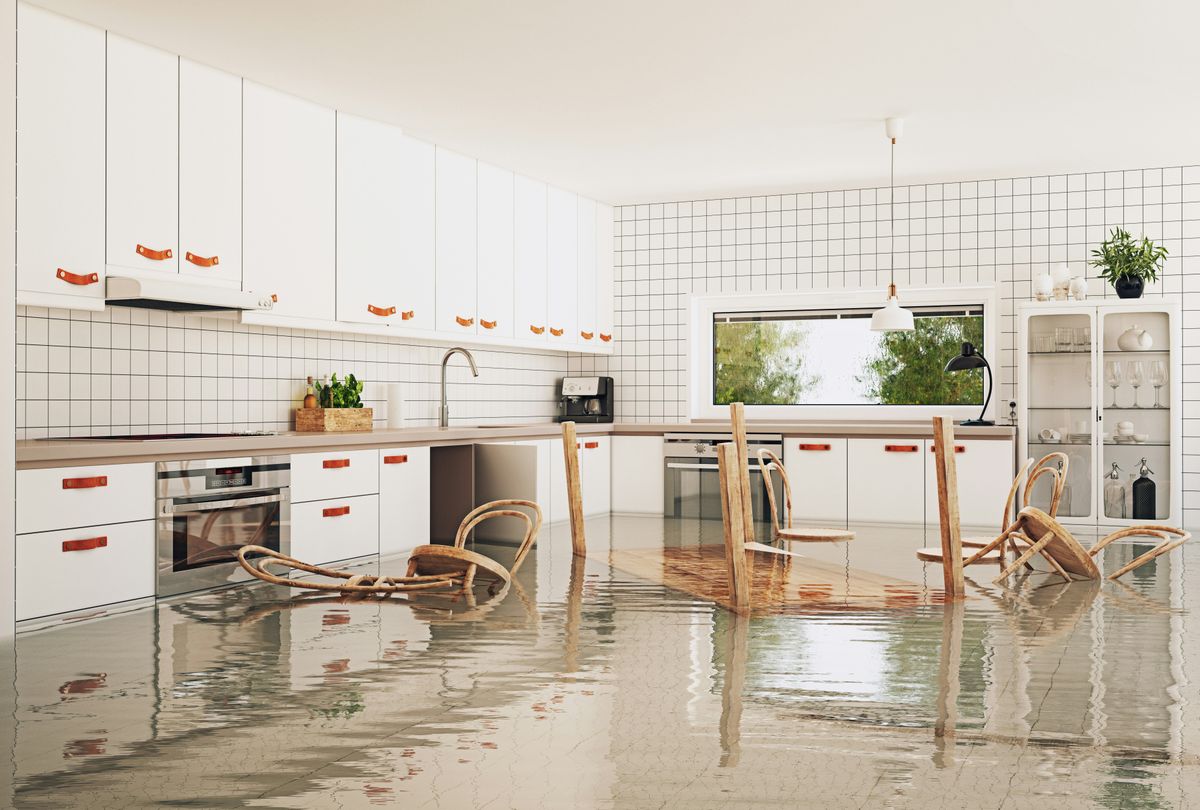
water-damage-insurance-claims-guidance-southern-maryland.jpg

Water Damage Insurance Claims Guidance for Faster Payouts

Dealing with water damage is stressful, especially when you're trying to protect your home while also figuring out what comes next. Many homeowners feel unsure about repairs, timelines, and how the insurance process fits into the overall process. That's where clear water damage insurance claims guidance becomes important.

At Jenkins Restoration and Remodel, we focus on restoring your home safely and thoroughly after water damage. With decades of experience serving Southern Maryland, we help homeowners understand the repair process, coordinate the work, and move forward with confidence once a claim is in motion.

In this guide, you'll learn what your policy typically covers, what steps to take after damage occurs, and how to stay organized throughout the process. With the right approach, you can protect your home and keep your project moving in the right direction.

What Policies Usually Cover

A standard homeowners' insurance policy does cover water damage, but only under certain conditions. The two biggest factors are the water source and whether you could have prevented the damage.

Sudden And Accidental Losses

Most policies cover water damage that happens suddenly and accidentally from a source inside your home. Here are some common covered scenarios:

  • A burst pipe in winter

  • A washing machine hose that fails out of nowhere

  • An overflowing bathtub or toilet

  • A water heater that ruptures

  • Rainwater that gets in through a hole caused by a covered peril, like a fallen tree

Your policy's dwelling coverage pays for repairs to walls, ceilings, and floors. Personal property coverage helps you replace damaged belongings like furniture, electronics, and clothing.

If the damage makes your home unlivable, your additional living expenses coverage can help with temporary housing and meals.

Common Exclusions And Limits

Not all water damage gets the same treatment. Your standard policy will almost certainly exclude:

  • Flooding from natural events (rising rivers, storm surge, heavy rain pooling). You'll need a separate flood policy, usually through the NFIP.

  • Sewer and drain backups, unless you've added a special endorsement.

  • Gradual leaks you failed to maintain or repair. If a pipe's been dripping for months and you ignored it, expect a denial.

  • Mold damage that resulted from long-term neglect.

Read your declarations page carefully. Your deductible, coverage limits, and any endorsements are all listed there.

Immediate Steps After Water Damage

The first few hours after water damage matter more than most people realize. What you do right away affects both your safety and the strength of your claim.

Protecting People And Property

Your first priority is safety. If water is near electrical outlets, appliances, or your breaker panel, turn off the power before you enter the affected area.

If the damage is severe, stay out of the home until it's safe. Once you know it's safe, take these steps:

  • Stop the water source if you can. Shut off the main water valve for a burst pipe. Move items away from an active leak.

  • Remove valuables and important documents from the wet area.

  • Start basic mitigation. Mop up standing water, move furniture off wet carpet, and set up fans or a dehumidifier if you have one.

Your policy expects you to take reasonable steps to prevent further damage. If you skip this, your insurer might reduce your payout.

Documenting The Loss From Day One

Before you clean up anything, start documenting. Pull out your phone and take photos and videos of every affected room, wall, ceiling, and item.

Here's a quick documentation checklist:

  • Wide-angle shots of each damaged room

  • Close-ups of water lines, stains, and warped materials

  • Video walkthroughs with narration describing what you see

  • Photos of the water source, if visible

  • A written list of every damaged item, including approximate age and value

Save receipts for any emergency supplies or temporary repairs. Keep everything in a dedicated folder, digital or physical. You'll need it when the adjuster shows up.

How To File And Track The Claim

Filing the claim correctly from the start saves you from unnecessary delays. The more organized you are, the faster your insurer can process your case.

Information To Gather Before Filing

Before you call your insurance company, have the following ready:

  • Your policy number and declarations page

  • Date and time the damage occurred or was discovered

  • A description of the cause (burst pipe, appliance failure, etc.)

  • Photos and video documentation

  • A list of damaged property with estimated values

  • Receipts for any emergency repairs or mitigation work already done

Having this information on hand during your first call shows the insurer you're organized and serious.

Working With The Adjuster

After you file, your insurer assigns an adjuster to evaluate the damage. The adjuster's job is to inspect the property, review your documentation, and estimate the cost of repairs.

A few practical tips for the adjuster visit:

  • Be present during the inspection. Walk the adjuster through every affected area.

  • Point out damage they might miss, like moisture behind walls or under flooring.

  • Share your documentation. Give them copies of your photos, video, and inventory list.

  • Ask questions. Find out what the next steps are and when you might expect a decision.

You don't have to accept the adjuster's first estimate. If it seems low, you have the right to challenge it.

Estimating Repairs And Cleanup Costs

Accurate cost estimates are one of the most important parts of your claim. The numbers you present can directly influence the size of your settlement.

Getting Contractor And Mitigation Estimates

Get at least two or three written estimates from licensed contractors and water mitigation companies. Each estimate should include:

  • A detailed scope of work

  • Line items for labor, materials, and equipment

  • Water extraction and drying costs

  • Mold testing or remediation if applicable

  • A timeline for completion

Detailed, itemized estimates carry much more weight with adjusters than vague, round-number quotes. If a contractor writes "water damage repair: $8,000" with no breakdown, that estimate won't help you negotiate.

Keep receipts for all mitigation work done before the adjuster arrives. Your insurer typically reimburses reasonable mitigation expenses, including temporary repairs, water extraction, and equipment rental.

Understanding Actual Cash Value Versus Replacement Cost

Your policy pays out in one of two ways, and the difference matters a lot. Actual Cash Value (ACV) takes depreciation into account. If your five-year-old hardwood floor is destroyed, ACV pays what that floor is worth today, not what it costs to install new flooring.

Replacement Cost Value (RCV) pays to replace damaged items with new ones of a similar kind and quality. With RCV policies, you often receive the ACV amount first, followed by the remaining depreciation after you complete repairs and submit receipts.

Check your declarations page to see which type of coverage you have. If you have RCV coverage, always complete the repairs and submit your final invoices to collect the full amount.

Avoiding Delays, Denials, And Underpayment

Even with a valid claim, mistakes during the process can cost you thousands of dollars. Knowing the most common pitfalls helps you protect your payout from the start.

Mistakes That Can Hurt Recovery

These are the errors that most often lead to reduced or denied claims:

  • Waiting too long to file. Most policies have strict reporting deadlines. File within 24 to 48 hours of discovering the damage.

  • Throwing away damaged items before documenting them. Take photos first, then set items aside until the adjuster has seen them.

  • Failing to mitigate. If you do nothing to stop further damage, your insurer can argue you made the loss worse.

  • Signing a contractor's proposal before getting adjuster approval. This can create conflicts over scope and cost.

  • Giving recorded statements without preparation. Be honest, but stick to the facts. You're not required to speculate about the cause.

  • Accepting the first offer too quickly. The initial estimate may not account for hidden damage, such as moisture behind walls or subfloor problems.

When To Escalate Or Seek Professional Help

If your claim gets denied, underpaid by a lot, or just sits in limbo for weeks, you're not out of options. Ask for a written explanation for any denial. Your insurer must provide one. Take your time and compare it with your actual policy wording.

If the payout feels way off, you might want to hire a public adjuster. They work for you, not the insurance company, and usually charge between 5% and 15% of the settlement. A good public adjuster often recovers enough to make their fee worthwhile.

For bigger disputes, an insurance claims attorney can review your case and even handle negotiations. Most offer a free initial chat, and it's worth considering if you're looking at a denied or underpaid amount that's several thousand dollars or more.

You could also file a complaint with your state's department of insurance if you think your insurer is acting in bad faith. Most states have a consumer complaint process, and sometimes that's enough to get things moving.

Don't let frustration push you into accepting less than you deserve. With solid documentation, a clear timeline, and the right support, you can fight for a fair settlement on your water damage claim.

Move Forward With Confidence After Water Damage

Water damage can feel overwhelming, but a clear plan makes a real difference. When you understand your coverage, act quickly, and stay organized, you put yourself in a stronger position for a smooth claims process and a fair outcome. Taking the right steps early helps protect both your home and your timeline.

At Jenkins Restoration and Remodel, we help homeowners across Southern Maryland restore their homes with reliable workmanship and clear communication. From structural drying to full repairs, our team focuses on quality results that support your long-term safety and comfort.

If your home has been affected by water damage, you don't have to handle the next steps alone. Contact us to schedule a consultation and get your home restoration moving in the right direction.

Frequently Asked Questions

How long does a water damage insurance claim usually take?

Most water damage claims take anywhere from a few weeks to a couple of months, depending on the extent of the damage and how quickly you provide documentation. Staying organized and responding promptly to your insurer can help move things along more efficiently.

What should I do first when I discover water damage?

Start by making sure the area is safe, especially around electricity. Then stop the water source if possible and begin documenting everything right away. Clear water damage insurance claims guidance emphasizes early action to protect both your home and your claim.

Will my homeowners' insurance cover all water damage?

Not always. Most policies cover sudden and accidental damage, like a burst pipe or appliance failure. However, they typically do not cover flooding, long-term leaks, or maintenance-related issues unless you have additional coverage.

Do I need to keep damaged items after a claim?

Yes, at least until your insurance adjuster has had a chance to inspect them. Take photos and videos before moving or disposing of anything, since proper documentation is essential for supporting your claim.

Can I start repairs before the insurance adjuster arrives?

You can handle temporary repairs to prevent further damage, such as removing water or covering exposed areas. However, avoid starting major repairs until the adjuster has reviewed the damage and approved the scope of work.

What if my insurance settlement seems too low?

You have the right to question or challenge the estimate. Provide your own detailed repair estimates and documentation to support your case. If needed, you can also bring in a public adjuster or request a second review.

Does insurance pay for mold after water damage?

It depends on the cause. If mold results from a covered water event and you act quickly, your policy may include limited coverage. If mold develops due to delayed action or ongoing issues, it is often excluded.

How can I avoid delays in my water damage claim?

Act quickly, keep thorough records, and maintain clear communication with your insurer. Following consistent water damage insurance claims guidance helps reduce back-and-forth and keeps your claim moving forward.