.png)



Strong winds can cause serious damage in a matter of minutes. Missing shingles, broken windows, and fallen trees can leave your home exposed to water, structural problems, and costly repairs if the damage isn’t addressed quickly.
At Jenkins Restoration and Remodel, we help homeowners navigate storm recovery through professional wind damage restoration services that prioritize safety, thorough inspections, and long-term repairs.
In this guide, you’ll learn what wind damage restoration involves, the steps professionals take to repair storm damage, and how to protect your home from future wind events. Reliable help and clear next steps can make the recovery process much easier.
What Is Wind Damage Restoration?
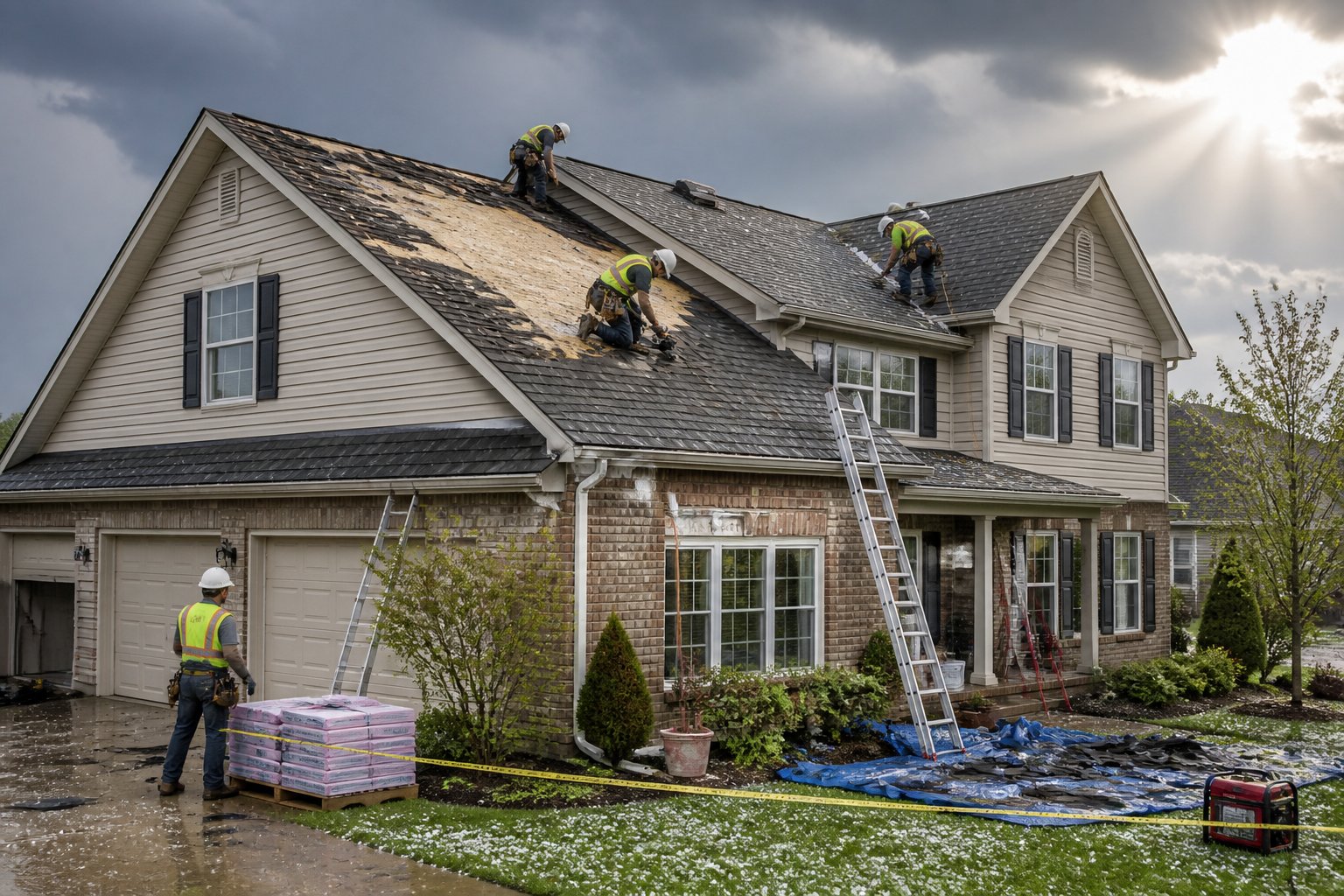
Wind damage restoration means fixing and rebuilding your property after high winds mess up its structure or exterior. This process tackles a bunch of problems at once, like busted roofs, shattered windows, and water leaks that sneak in after the wind opens up your home.
When you call in restoration specialists, they start with a walk-through to spot damage. They look for the obvious, like missing shingles or broken windows, and hunt for hidden trouble you might not catch right away.
Wind often creates tiny gaps that let water seep into walls or your attic. That’s where things can get ugly if you don’t act.
The restoration process usually involves:
- Clearing away debris
- Blocking water from getting in
- Repairing or replacing damaged roofs, siding, and windows
- Fixing walls and support beams
- Stopping mold before it starts
Secondary damage is a real threat. Water sneaking in can spark mold, rot, and poor indoor air quality if you leave it alone.
Common Types of Wind Damage
You don’t need a hurricane or tornado for wind to cause headaches. Even a regular storm with strong gusts can do serious harm.
Roof damage tops the list for most properties. Wind can yank shingles off, peel up big sections, or loosen materials just enough for water to get through. Even moderate wind, over time, can wear down your roof’s defenses.
Broken windows and doors show up when the wind throws debris or cranks up the pressure enough to crack glass. Suddenly, rain has a straight shot into your home.
Fallen trees and branches are another major risk. They can punch holes in your roof, crush vehicles, or take out siding and exterior walls. Siding and exterior damage are common, too. Wind tears off vinyl, bends metal panels, or cracks wood siding along the outside of your home.
Difference Between Wind and Storm Damage
Wind damage and storm damage sound similar, but they’re not identical. Knowing the difference makes things easier when you’re dealing with insurance or talking to repair teams.
Wind damage is exactly what it sounds like—damage caused directly by strong winds pushing or pulling on your property. Storm damage is the broader category that includes wind plus other issues like hail, flooding, and lightning.
During a severe storm, you might see wind tearing off your roof, hail breaking windows, and flooding from heavy rain all at once. Wind damage is just one part of that larger event.
Insurance policies often separate these categories. Some plans cover wind damage differently from other types of storm damage, and deductibles may vary depending on the cause.
Steps in the Wind Damage Restoration Process
Wind damage restoration services follow a structured process, moving from urgent safety steps to full repairs. Each stage builds on the previous one to ensure your home is restored properly.
Emergency Response and Safety Measures
The first few hours after wind damage are critical. The priority is protecting your property and keeping everyone safe.
Start by addressing immediate hazards such as exposed wiring, gas leaks, or unstable structures. If you see downed power lines or if anyone is injured, contact emergency services immediately.
Once the situation is stable, shut off utilities if needed. Take photos and videos of the damage before moving anything, since this documentation helps with insurance claims and repair planning.
Temporary measures like roof tarping and window board-ups protect your property from additional weather exposure while restoration work is scheduled.
Damage Assessment and Inspection
Restoration professionals perform a detailed inspection of your property to identify both visible and hidden issues.
They check roofing systems, siding, windows, doors, and structural components to understand the full scope of the damage. Exterior inspections focus on missing shingles, cracked gutters, and broken siding.
Interior inspections search for moisture in walls, ceilings, and attic spaces. Wind-driven rain often creates hidden water damage that can lead to mold or structural deterioration if overlooked.
Specialized tools help detect moisture and evaluate structural stability. The inspection results are compiled into a report outlining the damage, recommended repairs, and estimated timelines.
Debris Removal and Cleanup
Before repairs begin, crews clear the site of storm debris. This includes fallen branches, broken building materials, and damaged structural elements that could interfere with repairs. Materials are separated based on what can be salvaged and what needs to be disposed of.
Cleanup also involves removing standing water and starting the drying process if moisture is present. Fast cleanup is essential, since mold and rot can begin developing within 24 to 48 hours after water exposure.
Structural Repairs and Restoration
The final phase restores your property to its original condition. Restoration teams begin with structural components such as framing, support beams, and roof decking. Stabilizing these elements ensures the building is safe before cosmetic repairs begin.
Roof repairs usually come first because the roof protects the rest of the home. Contractors replace damaged shingles, repair flashing, and reinforce roof decking if necessary.
Once the exterior is secured, crews move inside to repair drywall, flooring, paint, and other interior finishes. Final inspections ensure all repairs meet building codes and quality standards so the property is fully restored.
Specialized Wind Damage Restoration Services
Wind damage restoration services often require targeted repairs to protect your home from further structural or moisture issues.
Roof and Siding Repairs
Your roof and siding act as your home’s primary defense against the elements. Strong winds can tear off shingles, loosen flashing, and damage roof decking. Siding may crack, warp, or detach completely during severe storms.
Restoration teams carefully inspect these areas for visible and hidden damage. Sometimes small sections can be repaired, but extensive damage may require larger replacements. Proper installation and sealing are essential to ensure your exterior remains weather-resistant during future storms.
Window and Door Replacement
Broken windows and damaged doors expose your home to water, wind, and security risks. High winds can shatter glass, twist frames, or break seals that keep moisture out. Even small cracks can allow water intrusion and lead to larger problems later.
Restoration professionals measure openings carefully and install replacements that meet current safety and wind resistance standards. Temporary board-ups are often installed first to keep your home protected until permanent replacements are completed.
Water Intrusion Mitigation
Wind-driven rain can force water through even the smallest openings. Once inside, moisture can soak insulation, drywall, and wood framing. Without quick action, mold growth can begin within a short period of time.
Restoration crews use moisture meters and thermal imaging equipment to locate hidden damp areas. Industrial drying equipment removes excess moisture while antimicrobial treatments help prevent mold development. Addressing water intrusion quickly is one of the most important steps in the restoration process.
Choosing a Wind Damage Restoration Company
Selecting the right professionals for wind damage restoration services helps ensure your property is repaired safely and efficiently.
What to Look for in a Restoration Provider
Start by choosing a company that offers comprehensive restoration support. A reliable provider should handle debris removal, structural repairs, water mitigation, and complete property restoration.
Ask about their inspection process and the equipment they use. Professional teams rely on specialized tools to detect hidden damage that may not be visible during a basic inspection.
It’s also helpful when a company assists with insurance documentation and communication, helping streamline the claims process.
Some useful questions to ask include:
- Do they offer 24/7 emergency response?
- Can they provide references from previous projects?
- What does their inspection and estimate include?
- How are unexpected repairs handled during restoration?
Certifications and Experience
Always confirm that the company holds proper licenses and relevant industry certifications. These credentials show that technicians follow professional restoration standards and stay updated on current repair techniques.
Experience is especially important for wind-related damage. Teams familiar with storm restoration know where hidden issues commonly occur and how to prevent secondary damage. Reviewing previous project examples can also help you evaluate the quality of their work.
Local Knowledge and Response Time
Local experience plays a major role in effective restoration. Companies familiar with regional weather patterns understand the types of wind damage common in your area and the building codes that apply to repairs.
Fast response times are also critical. The sooner professionals secure your property, the less likely it is that additional damage will occur. Local teams can often arrive quickly to perform emergency board-ups, roof tarping, and initial inspections.
Preventive Measures and Tips
Preparing your home before storms arrive can significantly reduce the risk of wind damage.
Preparing Your Property for High Winds
Start by inspecting trees and large shrubs near your home. Overhanging branches can break during high winds and fall onto your roof.
Trimming branches regularly reduces this risk. Before severe weather arrives, remove or secure loose outdoor items. Patio furniture, decorations, and tools can become dangerous projectiles during strong winds.
Quick Pre-Storm Checklist
- Bring patio furniture and grills indoors or secure them
- Trim dead branches from nearby trees
- Clean gutters and downspouts
- Check your roof for loose or missing shingles
- Inspect window seals and door frames
- Store trash cans and outdoor bins safely
Installing storm shutters or impact-resistant windows may also provide additional protection in areas that experience frequent windstorms.
Maintenance to Minimize Future Damage
Routine maintenance plays a major role in protecting your home from wind-related damage. Small issues like loose shingles or worn seals can quickly become bigger problems during strong storms.
Taking care of minor repairs and inspections throughout the year helps strengthen your home’s exterior and reduces the chances of costly storm damage later.
Home Maintenance Checklist for Wind Protection
- Schedule an annual roof inspection to check for loose shingles, worn flashing, or damaged materials.
- Fix small roofing issues early before severe weather makes them worse.
- Keep gutters and downspouts clear so water drains properly away from your home.
- Inspect siding regularly for cracks, warping, or loose panels.
- Check window and door caulking and replace worn seals to block wind and moisture.
- Ensure proper attic ventilation to reduce pressure buildup during strong winds and protect your roofing system.
Restore Safety After Wind Damage
Wind damage can leave your home exposed to leaks, structural problems, and ongoing deterioration if repairs are delayed. Acting quickly with professional wind-damage restoration services helps protect your property and prevent further damage.
With Jenkins Restoration and Remodel, homeowners receive careful inspections, reliable repairs, and guidance throughout the restoration process to restore both safety and peace of mind.
If your property has been affected by strong winds, schedule a consultation today to begin restoring your home safely and effectively.
Frequently Asked Questions How Do I Know If My Home Has Wind Damage?
Some wind damage is obvious, like missing shingles, broken windows, or fallen branches on your roof. However, other issues can be harder to see. Loose flashing, lifted shingles, small siding cracks, or moisture in the attic may indicate hidden wind damage. A professional inspection helps identify both visible and concealed problems before they lead to larger repairs.
What Should I Do Immediately After Wind Damage?
Your first priority should be safety. Stay away from damaged areas, especially if there are downed power lines, broken glass, or structural concerns.
Once it is safe, document the damage with photos and videos for insurance purposes. Temporary protection, such as roof tarping or window board-ups, can help prevent additional water intrusion until repairs begin.
Does Homeowners Insurance Cover Wind Damage?
Many homeowners' insurance policies include coverage for wind damage, but coverage details can vary depending on the policy and location.
Insurance may cover repairs to roofing, siding, windows, and structural elements affected by strong winds. It is important to review your policy and document damage carefully to support your claim.
How Long Does Wind Damage Restoration Take?
The timeline depends on the severity of the damage. Minor repairs, such as replacing shingles or siding panels, may take only a few days.
More extensive restoration projects involving structural repairs, interior damage, or water mitigation may take longer. A detailed inspection helps determine the expected timeline for your specific situation.
Can Wind Damage Lead to Water or Mold Problems?
Yes, wind damage often creates openings that allow rainwater to enter your home. Missing shingles, damaged siding, or broken windows can quickly lead to moisture buildup.
If moisture remains untreated, it can lead to mold growth, wood rot, and structural deterioration. Quick response and professional drying help prevent these secondary issues.
Can Wind Damage Be Prevented?
While storms cannot be prevented, homeowners can reduce potential damage through regular maintenance. Routine roof inspections, securing loose exterior materials, trimming nearby trees, and sealing windows and doors all help strengthen your home against strong winds.
Preparing your property before storm season can significantly reduce the risk of severe wind-related damage.