.png)


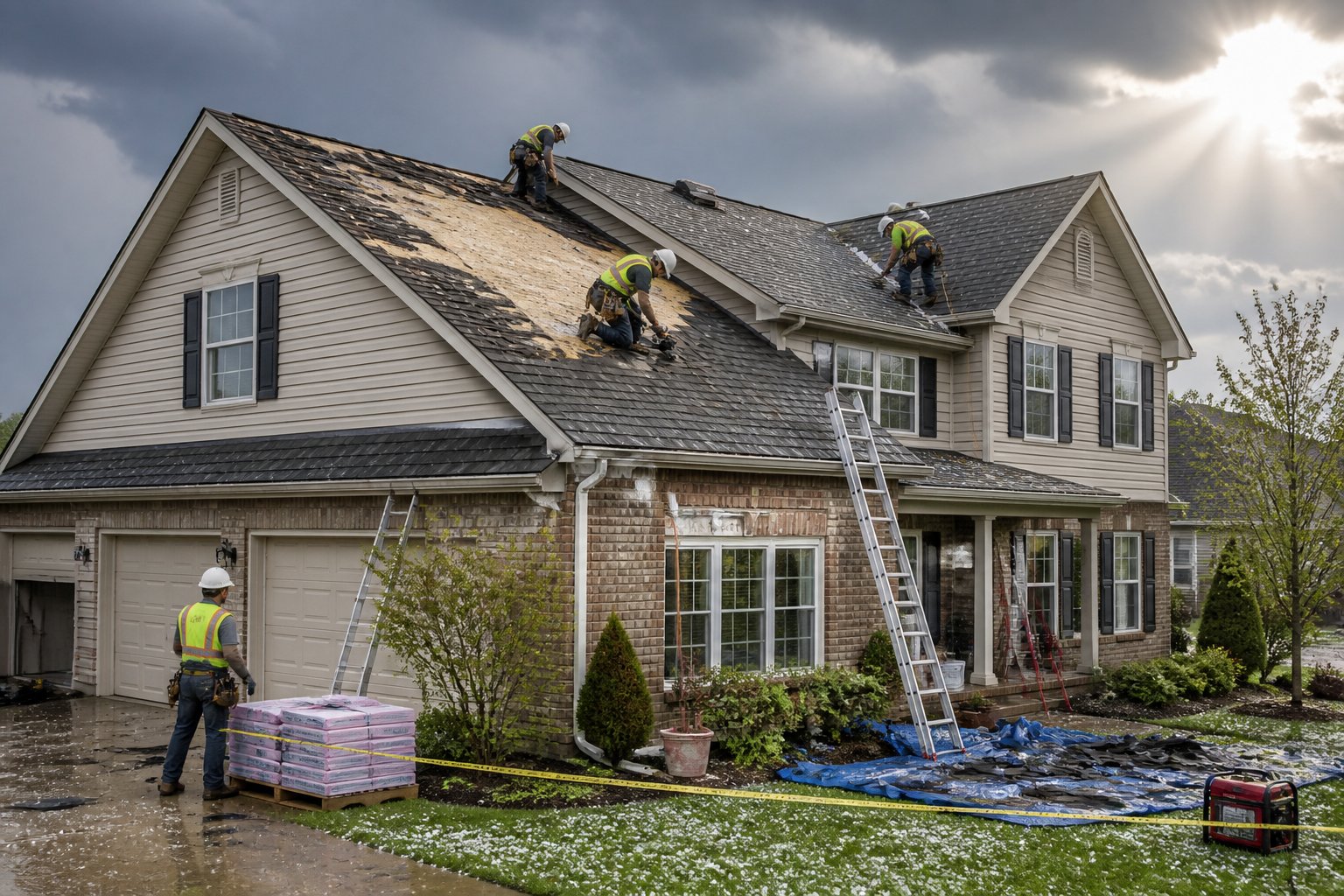
Storm damage can happen quickly and leave homeowners dealing with missing shingles, leaks, fallen trees, and unexpected repairs. In moments like this, it can be difficult to know what steps to take first or how serious the damage might be.
At Jenkins Restoration and Remodel, homeowners across Southern Maryland rely on experienced professionals to guide them through the wind & storm damage restoration process. From inspections and emergency protection to structural repairs, having a clear plan helps restore safety and stability after severe weather.
This guide explains how wind and storm damage affects your home, what professionals look for during inspections, and the steps involved in restoring your property so you can recover with confidence.
What Wind & Storm Damage Can Do to Your Home
Wind and storms can affect your property in both obvious and hidden ways. While some damage is easy to identify right away, other issues develop in areas homeowners rarely inspect. Knowing what to look for after severe weather helps protect your investment and allows you to respond quickly before small problems turn into larger repairs.
Types Of Wind DamageRoof Damage
Roof damage is one of the most common problems after strong winds. Shingles may be blown away, lifted at the edges, or loosened around flashing, leaving the roof vulnerable to water intrusion. Homeowners may also notice shingle granules collecting in gutters or scattered across the yard, which often indicates the roofing material has been compromised.
Structural Damage
Structural damage can occur when powerful winds push forcefully against the exterior of a home. This pressure may crack siding, damage soffit and fascia, or bend gutters until they detach from the roofline. Windows and doors may also crack or shatter when struck by flying debris or exposed to sudden pressure changes.
Tree And Debris Damage
Tree and debris damage happens when branches or entire trees fall onto a home during severe weather. Even when a tree does not break through the roof, the impact can still damage rafters or weaken the roof deck underneath. Wind may also tear away shutters, awnings, porch railings, or other exterior fixtures, and large garage doors often become vulnerable because of their size and exposure.
Common Causes Of Storm Damage
Thunderstorms frequently produce straight-line winds that can exceed 60 mph. These powerful gusts may last several minutes and spread damage throughout entire neighborhoods. When strong winds combine with heavy rain, water intrusion becomes a major concern.
Tornadoes bring even more intense wind conditions and can produce winds exceeding 200 mph. Even weaker tornadoes have the potential to remove sections of roofing, break windows, and scatter debris across surrounding properties.
Hurricanes and tropical storms create extended exposure to wind and rain. Over several hours, this constant pressure can slowly weaken building materials and allow water to seep into small openings throughout the structure.
Unexpected gusts can also occur during otherwise calm weather conditions. A sudden burst of wind may snap tree branches or send debris onto roofs and vehicles. In many storms, hail appears alongside these winds, leaving dents and damage on roofing, siding, and exterior surfaces.
Learn what disaster restoration services are and how to recover fast after damage.
Potential Impacts On Property
Water intrusion is often the most serious consequence of wind damage. When roofing or siding is compromised, rain can soak insulation, drywall, and personal belongings. If moisture remains trapped inside the structure, mold may begin forming within 24 to 48 hours.
Structural integrity can also be affected if rafters, framing, or other load-bearing components become weakened. This type of damage is sometimes hidden from view, but it can worsen over time if repairs are delayed.
Energy efficiency may also decline when wind creates gaps around windows, doors, or roofing materials. These openings allow conditioned air to escape, which can increase heating and cooling costs while making the home feel drafty.
Unrepaired storm damage may also reduce property value. Potential buyers and inspectors often recognize signs of delayed repairs or incomplete restoration work. In addition, hazards such as exposed nails, hanging gutters, or unstable trees can create safety risks for anyone walking around the property.
Assessment And Inspection Process
A professional inspection is an essential step in wind & storm damage restoration. Inspectors evaluate both visible and hidden damage so that repairs address the full extent of the problem rather than just the areas that are immediately noticeable.
Initial Property Evaluation
Inspections typically begin soon after the storm passes. A technician performs a thorough walk around the property to identify safety hazards such as broken glass, loose materials, or structural instability that could pose immediate risks.
The roof usually receives the first inspection because it absorbs the majority of storm impact. Professionals carefully examine shingles, flashing, gutters, and downspouts to determine whether materials have been lifted, loosened, or removed.
Other exterior components, including siding, windows, doors, and the foundation, are also checked for dents, cracks, or signs of water entry. Based on these findings, the inspector determines whether emergency stabilization is necessary, such as securing exposed areas or addressing standing water.
Most inspections take between 30 and 90 minutes, depending on the size of the property and the extent of the damage.
Identifying Hidden Damage
Many storm-related problems develop in areas that are not immediately visible. To locate these issues, inspectors use moisture meters and specialized tools that detect water trapped within building materials.
Attics receive particular attention because lifted shingles can allow rain to enter without creating obvious exterior signs. Inspectors look for water stains on framing, wet insulation, mold growth, and ceiling discoloration that may indicate hidden leaks.
Hidden damage is often found in areas such as behind siding, beneath roofing underlayment, and inside wall cavities near windows. Basements, crawl spaces, and HVAC systems are also checked because moisture can spread through ductwork and ventilation systems.
Identifying these issues early helps prevent long-term structural deterioration and allows restoration teams to address damage before it becomes more costly.
Documenting Losses For Insurance
Accurate documentation is critical when filing a storm damage insurance claim. Inspectors create detailed reports that include photographs, measurements, and written descriptions of every affected area.
Close-up photographs highlight specific damage, while wider images show the overall condition of the property. Measurements help determine exactly how much roofing, siding, flooring, or other materials must be repaired or replaced.
The report also includes an itemized repair estimate outlining labor, materials, and the recommended restoration work. This documentation supports the insurance claim process and helps homeowners clearly communicate the scope of the damage to their insurance provider.
Restoration And Repair Solutions
Once damage occurs, quick action helps prevent conditions from worsening. Wind & storm damage restoration typically involves stabilizing the structure, repairing damaged components, removing water, and clearing debris so rebuilding can begin safely.
Emergency Board-Up And Tarping
Emergency board-up and tarping provide immediate protection after a storm. When windows break or roof sections are damaged, these openings allow rain, wind, and debris to continue entering the home.
Restoration crews install plywood over broken windows and vulnerable entry points. Durable tarps are also secured over damaged roofing areas to prevent additional water intrusion.
These temporary protective measures help stabilize the structure while permanent repairs are scheduled. Many restoration teams provide 24/7 emergency services, since delays can allow water damage to worsen quickly.
Roofing And Structural Repairs
Roof systems often experience the most severe storm damage. Strong winds can remove shingles, loosen flashing, or lift entire sections of roofing materials. In some situations, falling trees or large branches can damage framing or structural supports.
Repair teams begin by evaluating the full extent of the damage and developing a clear repair plan. This may include replacing damaged shingles, repairing broken rafters or trusses, and reinforcing weakened structural components.
Exterior walls, siding, and other structural elements are also inspected for hidden issues. In cases where the damage is extensive, a full roof replacement may be required to restore proper protection.
Water Removal And Drying
Storm damage frequently leads to interior water intrusion. Leaks, broken windows, and roof openings can allow water to collect inside walls, ceilings, flooring, and insulation.
Restoration professionals use industrial pumps, wet vacuums, air movers, and dehumidifiers to remove water and accelerate the drying process. Moisture meters help monitor humidity levels within building materials to ensure complete drying.
This drying process typically takes several days, depending on the severity of the water exposure. Thorough drying helps prevent mold growth, wood rot, and further structural damage.
Debris Cleanup And Removal
Storm debris must be cleared before full restoration work can begin. Fallen branches, roofing materials, and scattered building debris can create hazards and block access to damaged areas.
Cleanup crews begin by removing large debris such as tree limbs and broken construction materials. They also sort through items to determine whether personal belongings can be salvaged or cleaned.
Once debris has been removed, restoration teams can clearly assess the remaining damage and begin necessary repairs. This step may also involve removing damaged drywall, flooring, or insulation that cannot be restored.
Working With Insurance
Storm damage repairs can become expensive, and insurance coverage often plays an important role in helping homeowners manage these costs. Restoration professionals frequently assist homeowners by documenting damage and coordinating with insurance representatives.
Filing Claims For Storm Damage
Homeowners should contact their insurance provider as soon as possible after storm damage occurs. Most policies require prompt reporting, and delays may complicate the claims process.
Before performing temporary repairs, it is helpful to take clear photographs and videos documenting all visible damage. These images provide important evidence for the insurance claim.
Many policies cover wind, hail, and certain types of water intrusion. However, flooding from rising water or damage caused by neglect may not be covered. Reviewing the details of your policy helps clarify what protections apply.
Keeping organized records of repair receipts, emergency services, temporary housing expenses, and communications with the insurance company can also help speed up claim processing.
Coordinating With Adjusters
Insurance companies usually send an adjuster to inspect the property and determine what repairs are covered under the policy. Scheduling this inspection quickly can help keep the claims process moving forward.
Homeowners are allowed to have their contractor present during the adjuster’s inspection. This allows both parties to review the damage together and discuss the scope of repairs.
If the adjuster’s estimate differs from the contractor’s evaluation, additional documentation may be provided to support necessary repairs. Clear communication between restoration professionals and insurance representatives often helps resolve questions and ensures that all damage is properly addressed.
Prevention And Preparedness Tips
Preparing your home before severe weather arrives can significantly reduce the impact of storms. Strengthening vulnerable areas and using durable building materials can help limit damage and make future repairs easier.
Securing Your Home Before Storms
Regular property inspections help identify potential storm risks before severe weather occurs. Walking around your home a few times each year allows you to check for loose materials, dead branches, or debris that could become airborne during high winds.
Trimming trees and shrubs that extend over the roof or near power lines helps reduce the risk of falling limbs. Homeowners should also secure outdoor furniture, grills, and decorative items when storms are expected.
Cleaning gutters and downspouts helps water drain properly during heavy rainfall, while inspecting roof shingles and window seals ensures that wind cannot easily force water inside.
In regions that experience hurricanes or strong storms, installing storm shutters or boarding windows can provide additional protection against flying debris.
Choosing Wind-Resistant Materials
The materials used in construction and renovation play an important role in storm resistance. Impact-resistant shingles can withstand winds up to about 130 mph, while standard shingles typically handle winds between 60 and 90 mph.
Metal roofing systems are another durable option because they perform well in high winds and resist hail damage. These roofs can last between 40 and 70 years with relatively low maintenance.
Impact-resistant windows also improve storm protection. Laminated glass windows include a protective inner layer that keeps broken glass pieces together if debris strikes the surface.
Garage doors may also require reinforcement because their large surface area makes them vulnerable to wind pressure. Installing hurricane straps or metal connectors helps secure the roof structure to the walls, creating a stronger load path that improves stability during extreme wind conditions.
Recovering Safely After Severe Storm Damage
Storm damage can feel overwhelming, but a clear restoration process helps homeowners move forward with confidence. Prompt inspections, temporary protection, and organized repairs all work together to restore safety and stability after severe weather.
Professional wind & storm damage restoration focuses on identifying both visible and hidden damage so homes remain secure for the long term.
Homeowners throughout Southern Maryland rely on the experience and guidance of Jenkins Restoration and Remodel for careful inspections, skilled repairs, and support throughout the restoration process. If your property has been affected by severe weather, scheduling a professional inspection can help you understand the damage and begin restoring your home safely.
Frequently Asked QuestionsHow Do I Know If My Home Has Wind Or Storm Damage?
Some storm damage is obvious, such as missing shingles, broken windows, or fallen tree limbs. However, other issues can be harder to spot. Signs like loose flashing, dented gutters, water stains on ceilings, or shingle granules collecting in gutters may indicate hidden damage.
After any severe storm, it’s a good idea to schedule a professional inspection to make sure no structural or water-related issues are developing.
How Quickly Should Storm Damage Be Repaired?
Storm damage should be addressed as soon as possible. Even small openings in the roof, siding, or windows can allow water to enter the home and cause additional problems.
Quick action helps prevent mold growth, structural deterioration, and more expensive repairs later. Emergency protection, such as tarping or board-up services, can stabilize the property while permanent repairs are planned.
Does Homeowners’ Insurance Cover Wind And Storm Damage?
Many homeowners' insurance policies cover wind damage, hail damage, and certain types of storm-related water intrusion. However, coverage can vary depending on the policy and the cause of the damage.
Flooding from rising water is often excluded and may require a separate flood insurance policy. Reviewing your policy and documenting damage with photos and inspection reports can help support your claim.
What Happens During Wind & Storm Damage Restoration?
Wind & storm damage restoration usually begins with a full inspection to identify both visible and hidden damage. Restoration professionals then secure the property with emergency board-up or tarping if necessary.
After the property is stabilized, repair work may include roof repairs, structural restoration, water removal, drying, and debris cleanup. The goal is to return the home to a safe and stable condition.
Can Small Storm Damage Turn Into Bigger Problems?
Yes, even minor damage can lead to larger issues if it is not repaired quickly. A small roof opening or loose shingle can allow water to enter the attic or walls, which may eventually lead to mold growth, wood rot, or insulation damage.
Addressing problems early helps protect the structure of the home and prevents more costly restoration work later.