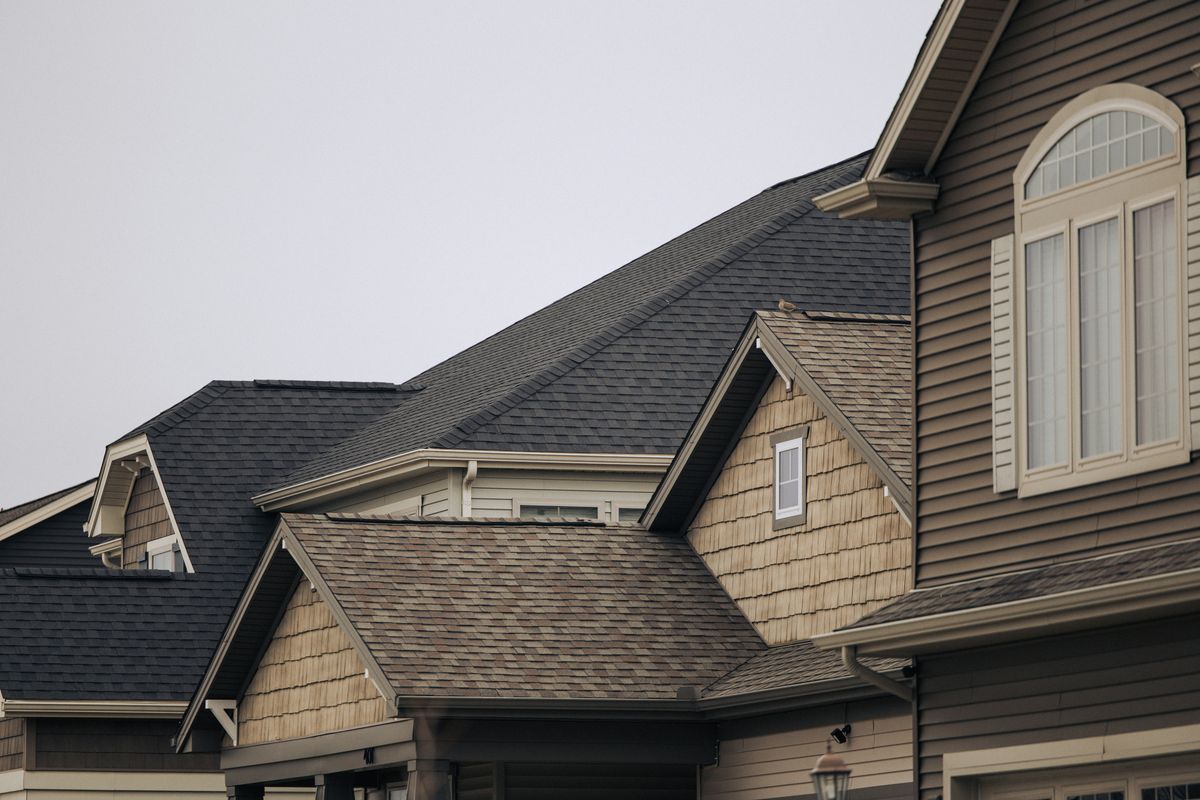
home-siding-restoration-service-southern-maryland.jpg

Upgrade and Protect Your Home with Siding Restoration Services

When your siding starts to show wear, it's easy to push it down the priority list. But what looks like a minor issue today can quietly lead to bigger problems that impact your home's protection, efficiency, and curb appeal.

At Jenkins Restoration and Remodel, we help homeowners navigate every step of a home siding restoration service with confidence. With decades of combined experience, we provide clear guidance, thorough inspections, and support through planning so you can make informed decisions about your home.

In this guide, you'll learn how to spot early warning signs, understand when repair or replacement makes sense, and know what to expect from home siding restoration services.

Signs Your Exterior Cladding Needs Attention

Siding problems usually start small but can escalate fast. Cracked panels, soft spots, rising energy bills, and visible mold are among the clearest signals that your exterior needs professional care.

Visible Surface Deterioration

Take a walk around your house at least once a season and really look. Cracks, chips, dents, warping, and buckling are all red flags.

Even one loose or missing panel can allow moisture and pests to reach the structure underneath. Fading paint or finish isn't just cosmetic. It means the protective layer is breaking down and leaving the material exposed to the elements.

If you notice bubbling or peeling paint on wood siding, the surface beneath might already be compromised.

Moisture And Mold Warning Signals

Dark streaks, green patches, or fuzzy growth on your siding point to a moisture problem. Mold and mildew thrive when water gets trapped behind or within the panels.

If the siding feels soft or spongy when you press on it, that's a bigger concern. Rotten might have already set in. Seeing stains on interior walls near exterior walls could mean water is traveling through damaged siding and into your home.

Energy Efficiency Clues

Have your heating or cooling bills climbed for no clear reason? Damaged or deteriorating siding can hurt your home's insulation.

Gaps, cracks, and warped panels let outside air in and conditioned air out. If certain rooms feel drafty near exterior walls, your siding might be part of the problem.

A professional inspection can help determine whether the siding or the insulation behind it needs attention.

When Repair Makes Sense Versus Full Replacement

Not every siding problem means you have to rip everything off and start over. In many cases, targeted restoration is the smarter, more affordable move. The key is knowing where to draw the line.

Damage That Can Usually Be Restored

Isolated cracks, small holes, dents in aluminum, or just a few warped vinyl panels are usually good candidates for repair.

Patching, sealing, and refinishing can bring siding back to shape without the cost of full replacement. Fading or peeling finishes can often be fixed with cleaning, sanding, and a fresh coat of paint or sealant. This is especially true for wood and aluminum siding.

Conditions That Point To Replacement

If damage covers more than about 30 percent of your siding, replacement usually makes more sense. Widespread rot, large sections of warped or buckled panels, and severe storm damage are difficult to fix with patches.

If you keep repairing the same spots every year, the underlying problem is likely bigger than a surface fix can handle. At that point, investing in new siding is the better option.

How Age And Material Type Influence The Decision

Every siding material has a general lifespan:

  • Vinyl: 20 to 40 years

  • Wood: 15 to 40 years (with proper maintenance)

  • Fiber cement: 30 to 50 years

  • Aluminum: 20 to 40 years

If your siding is aging and showing multiple problems, restoration might only extend its life briefly. Sometimes newer materials with better insulation are worth the investment.

What The Restoration Process Typically Includes

A professional home siding restoration service usually follows three phases: assessment, repair work, and protective finishing. Each step builds on the last.

Inspection And Damage Assessment

The contractor starts by checking every section of your siding. They look for visible damage, test for soft spots, check seams and caulking, and evaluate how the material underneath is holding up.

This inspection often includes checking flashing around windows, doors, and corners. A thorough assessment gives you a clear picture of what needs attention and helps ensure an accurate estimate.

Some contractors use moisture meters to find hidden water damage behind panels. It's worth asking about, since surface checks can miss deeper issues.

Cleaning, Sealing, And Structural Repairs

Before any restoration work begins, the siding gets a deep cleaning. Power washing removes dirt, mildew, and loose paint. For older wood, a gentler wash may be safer.

After cleaning, repairs begin. This might include:

  • Replacing cracked or rotted panels

  • Patching holes and dents

  • Reattaching loose sections

  • Filling gaps with the right sealant

  • Fixing underlying structural damage

Each repair matches your existing material and style, so the finished result looks consistent.

Finishing Work And Protective Coatings

The last phase focuses on protecting your investment. Fresh paint, stain, or sealant goes on after repairs are complete.

These coatings shield siding from UV rays, moisture, and temperature changes. For wood siding, a good primer followed by exterior-grade paint or stain is standard.

Vinyl and aluminum may receive specialized coatings. The goal is to give your restored siding the longest life possible.

Cost Factors And Value Considerations

Siding restoration pricing can vary widely depending on your situation. Understanding cost drivers helps you plan and avoid surprises.

Pricing Drivers For Labor And Materials

Some of the biggest factors that affect your cost include:

  • Siding material type

  • Labor rates in your area

  • Accessibility of your home

  • Material availability

Siding repair typically ranges from $350 to $1,500 per 100 square feet, depending on the material. Vinyl is usually at the lower end, while brick and stone cost more.

How Project Scope Changes The Estimate

A small repair on one wall costs much less than restoring siding across your entire home. The more panels that need replacement, the more materials and labor increase.

If hidden damage appears during inspection, the scope can expand. Rotted sheathing, damaged insulation, or pest issues behind the siding will add to the total cost.

Getting a detailed written estimate upfront, along with a plan for unexpected findings, helps you stay prepared.

Long-Term Return On Maintenance

Restoration often saves 50 to 75 percent compared to full replacement. That's a significant advantage when your siding still has usable life left.

Well-maintained siding also supports your home's resale value. Buyers notice strong curb appeal and visible signs of care. Investing in restoration now helps protect the larger investment in your home.

How To Choose A Reliable Contractor

Choosing the right professional for your siding restoration is just as important as the work itself. A few steps can help you avoid issues and get quality results.

Licensing, Insurance, And Experience Checks

Always verify that any contractor holds valid state and local licenses. Ask for proof of general liability insurance and workers' compensation coverage.

If someone gets injured on your property and the contractor lacks proper insurance, you could be held responsible. Experience with your specific siding material also matters. Ask how many similar projects they've completed in recent years.

Questions To Ask Before Hiring

Before signing anything, get clear answers to these questions:

  • How long will the project take?

  • What warranty do you offer?

  • Will you provide a detailed written estimate?

  • Do you handle permits?

  • Can you share recent references?

  • How do you handle unexpected damage?

A trustworthy contractor will answer clearly and confidently.

Red Flags In Quotes And Promises

Be cautious of unusually low bids. Extremely cheap quotes often lead to poor materials, shortcuts, or hidden costs later.

Avoid contractors who pressure you to sign quickly, request full payment upfront, or refuse written agreements. A verbal promise is not a contract.

Reliable professionals provide written proposals outlining scope, materials, timelines, and payment terms. Always compare multiple estimates before deciding.

Maintenance Steps To Extend Results

After your siding restoration is complete, ongoing care helps extend its lifespan. A few simple habits make a big difference.

Seasonal Upkeep Practices

Clean your siding at least once a year using a garden hose, a soft-bristled brush, and mild detergent. Spring is a good time to remove buildup and check for new damage.

Trim trees and bushes away from your siding. Vegetation can trap moisture and cause surface wear. Keep plants a few inches away from exterior walls.

Preventing Water Intrusion

Water is one of the biggest threats to siding. Keep gutters and downspouts clear, so water flows away from your home.

Check caulking around windows, doors, and corners annually. Cracked or shrinking caulk allows moisture in. Re-caulking is a simple and effective preventive step.

Ensure the ground around your foundation slopes away from your home to support proper drainage.

When To Schedule Follow-Up Inspections

Plan a professional inspection every two to three years after a restoration project. Professionals can catch issues you might miss early.

If your area experiences a major storm, such as high winds or hail, schedule an inspection sooner. Even minor damage can lead to larger problems over time.

Keep a simple record of cleaning, inspections, and repairs. This helps you stay organized and provides documentation if you need warranty service or plan to sell your home.

Protect Your Home With The Right Restoration Plan

Taking care of your siding early helps you avoid larger repairs and keeps your home protected year-round. When you understand the signs of damage and act quickly, a home siding restoration service becomes a practical, cost-effective way to extend the life of your exterior.

At Jenkins Restoration and Remodel, we bring local experience and dependable craftsmanship to every project across Southern Maryland. From initial inspection through final finishing, we focus on clear communication, quality work, and helping you feel confident in every step of the process.

If your siding is showing signs of wear or you're unsure what comes next, it's a good time to get expert input. Contact us to schedule a consultation and take the next step toward protecting and restoring your home.

Frequently Asked Questions

What does a home siding restoration service include?

A home siding restoration service typically includes a full inspection, cleaning, targeted repairs, and protective finishing. Contractors assess the condition of your siding, fix damaged areas, and apply coatings that help protect against moisture and weather.

The goal is to restore both function and appearance without the cost of full replacement when possible.

How do I know if I need siding repair or full replacement?

If the damage is limited to small sections, such as a few cracked or warped panels, restoration is usually the better option. However, widespread damage, persistent moisture issues, or aging materials may point toward replacement.

A professional inspection helps you make the right call based on your home's condition and long-term goals.

How long does siding restoration take?

Most home siding restoration service projects take anywhere from a few days to a week, depending on the size of your home and the extent of the damage.

Weather conditions, material type, and any hidden issues discovered during the project can also affect the timeline.

Is siding restoration more affordable than replacement?

Yes, in most cases, restoration costs significantly less than full replacement. Many homeowners save between 50 and 75 percent when they choose restoration over installing all new siding.

This makes it a practical option when your siding still has structural integrity but needs repairs and refinishing.

How long will restored siding last?

With proper maintenance, restored siding can last many more years. The exact lifespan depends on the material, the quality of the work, and how well you maintain it after the project. Regular cleaning, inspections, and minor repairs help extend those results.

Will a home siding restoration service improve energy efficiency?

It can. Sealing gaps, repairing damaged panels, and addressing underlying issues help reduce air leaks and improve insulation performance. This often leads to more consistent indoor temperatures and can help lower energy bills over time.

When is the best time to schedule siding restoration?

Spring and early fall are ideal because of moderate temperatures and stable weather conditions. These conditions allow materials and coatings to perform as intended.

That said, you can schedule a home siding restoration service anytime damage appears. Addressing issues early helps prevent further deterioration.