A shower pan leak happens when the waterproof layer beneath your shower floor fails and water seeps into the subfloor, framing or the ceiling below. The repair that lasts replaces the failed pan or liner, fixes any rotted wood underneath, then retiles over a tested waterproof base. New grout or sealer on top can slow the drip for a while, but it cannot rebuild the barrier that failed.
Pan leaks are sneaky because the shower itself usually looks fine. The first clue tends to be a stain on the ceiling downstairs or a soft spot by the curb. In a Southern Maryland summer, that trapped moisture also lingers for a long time, which gives rot and mildew a head start.
How a Shower Floor Keeps Water Out
Knowing what is under your feet makes the warning signs easier to read.
Molded bases. Many showers use a one-piece acrylic, fiberglass or composite base. The base itself is the waterproofing, sealed to the drain with a gasket. These fail by cracking, usually because the base was not fully supported when it was set, or at the drain seal.
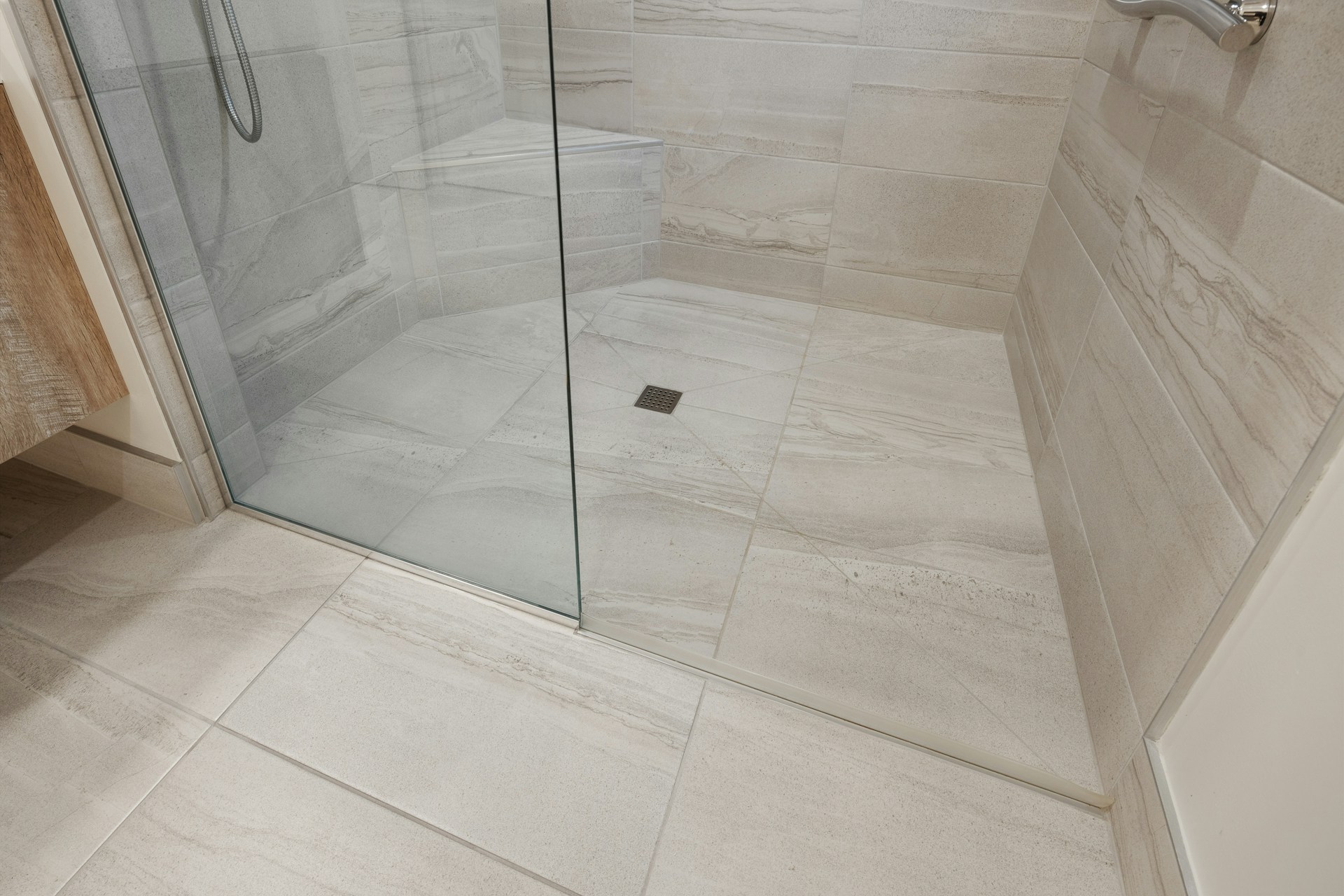
Tiled floors. Tile and grout are not waterproof. In a traditional tiled shower, the real protection is a flexible liner or a bonded waterproof membrane under the mortar bed. Water that soaks through the grout hits that layer and drains through small weep holes in the drain body. When the liner tears, slumps, was nailed through or was laid flat without slope, water escapes into the floor.
Warning Signs Outside the Shower
Check these spots, starting with the ones you rarely look at.
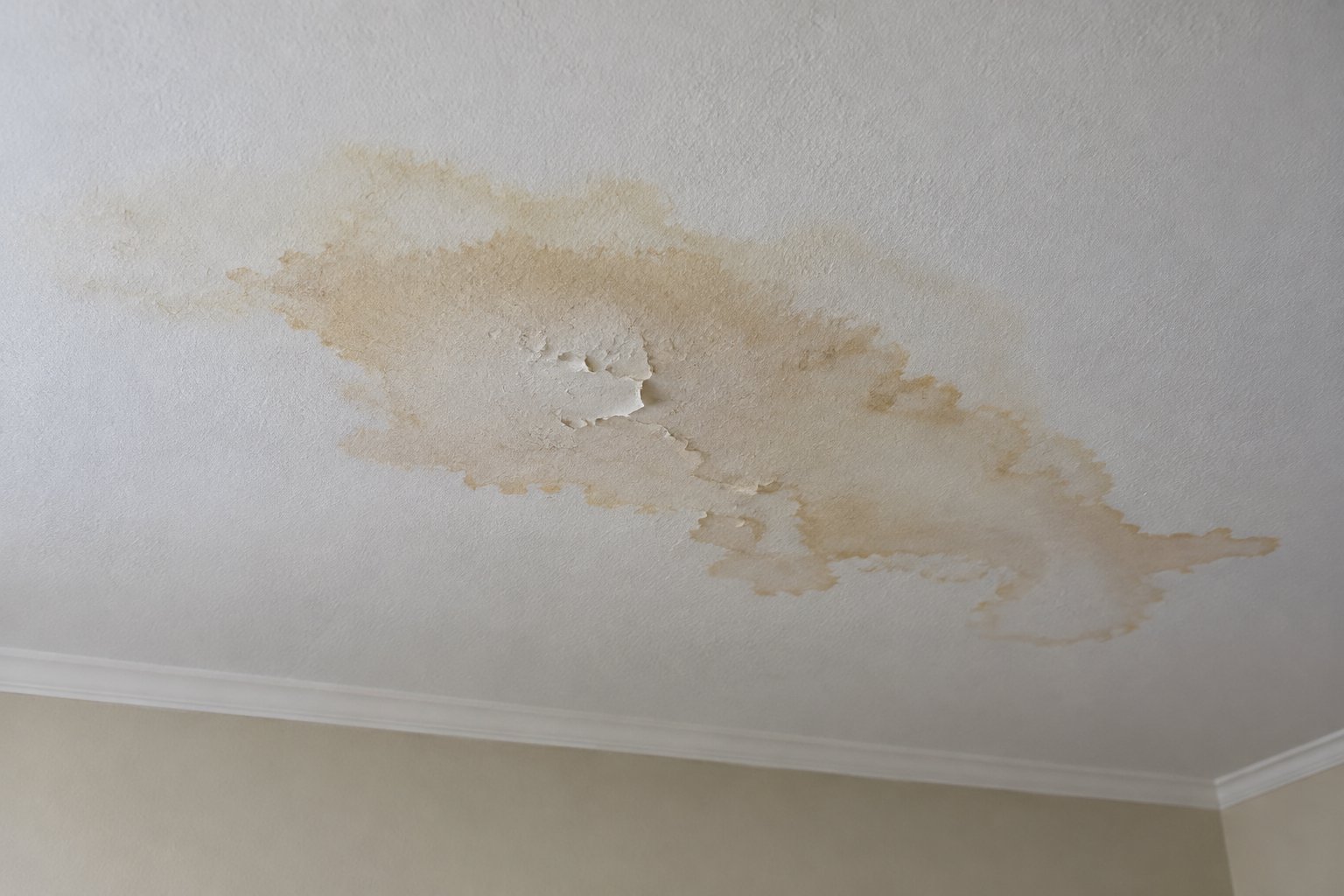
- The ceiling below. A yellow or brown ring directly under the shower that darkens after heavy use is one of the most common signs.
- The floor beside the curb. Water appearing on the bathroom floor even when the door or curtain sealed properly suggests it is traveling under the tile.
- Loose or hollow tiles. Tap the floor near the drain and curb with a screwdriver handle. A dull, hollow sound and cracked grout point to a wet mortar bed.
- A smell that keeps coming back. Mustiness that returns after every cleaning often comes from mildew inside the floor or wall.
- A soft floor. Flex or dip near the shower means the subfloor is rotting. This is the most serious sign.
- The basement or crawlspace. Look up under the shower drain for dark, stained wood or drips.
Stop using the shower if the floor gives underfoot, the pan is visibly cracked, or water is coming through the ceiling below. Each shower sends more water into wood that is already weak.
Rule Out the Drain, Valve and Enclosure First
The last test is a flood test. The drain is plugged, the floor is filled with about two inches of water, and the level is marked and checked many hours later. If the water level drops or the ceiling below darkens, the pan is leaking. It is best done by a plumber or contractor when the shower sits over a finished room, since they will watch the space below and know when to stop.
Valve, drain and supply line repairs belong to a licensed plumber. The pan, the waterproofing and everything it damaged fall on the rebuild side.
Why Regrouting Does Not Fix a Failed Pan
Regrouting is the most common shortcut, and it explains why so many pan leaks come back. Grout is porous by design and was never the waterproof part of the shower. Fresh grout or a coat of sealer can slow the water for a few weeks, which makes it look like the problem is solved while the subfloor keeps soaking.
A few smaller fixes do make sense when testing points to them:
- Failed caulk where wall tile meets a molded base can be cut out and replaced with a silicone caulk made for wet areas, once the joint is fully dry.
- A leaking drain seal on a molded base can sometimes be fixed by replacing the gasket.
- A hairline crack in a firmly supported molded base can sometimes be patched, but a base that flexes will crack the patch too.
If the pan itself fails a flood test, those fixes will not hold, and the damage underneath keeps spreading. Jenkins Restoration & Remodel handles the full tear-out and rebuild through our bath remodeling services, so the new floor goes in over a dry, solid base.
What a Proper Shower Pan Replacement Involves
For a tiled shower, the work usually goes in this order:
- Tear-out. Floor tile and the mortar bed come up, along with the bottom course or two of wall tile, since the liner runs up the walls.
- Assess and repair the structure. With the floor open, rotted subfloor and damaged framing are cut out and replaced, and the area is dried. Our post on fixing hidden water damage before a bathroom remodel explains why this step cannot be skipped.
- Pre-slope. A sloped base goes down so water always runs toward the drain and never sits under the liner.
- Waterproofing. A new liner or bonded membrane is installed, carried up the walls and over the curb, and sealed to the drain.
- Flood test the new pan before any tile goes on.
- Mortar bed and tile. The floor is finished, then the walls are patched or retiled.
A molded base follows a similar path: the old base comes out, the subfloor is checked and repaired, and the new base is set on full support so it cannot flex.
The ceiling below gets repaired last, once everything above is dry and watertight.
Turning the Repair Into an Upgrade
Because the floor and lower wall tile have to come out anyway, a pan replacement is a natural time to update the bathroom. Matching old tile is often impossible, and a patch can look out of place next to faded originals. Since demolition is already done, you only pay for it once.
Popular choices include swapping an old tub for a walk-in shower, adding a recessed niche or a built-in bench, switching to larger tile with fewer grout lines, or updating the valve and fixtures while the wall is open. If you are weighing ideas, our guide on what to know before starting a bathroom remodel is a helpful place to start.
If a claim is involved, keep photos from each stage of the tear-out. Coverage depends on your policy, and the pictures of what was found under the tile matter.
A Dry Floor and a Bathroom You Will Enjoy
A leaking pan is a chance to get the bathroom you actually want. Jenkins Restoration & Remodel replaces failed shower pans the right way, repairs the wood and ceiling the water reached, and can fold the work into a refreshed bathroom with new tile and fixtures. Our locally owned team serves homeowners from Annapolis and Severna Park to La Plata and Dunkirk, and estimates are always free. Call (301) 884-6180 or plan your shower repair or bathroom update with us.
Frequently Asked Questions
Can a shower pan leak cause mold under the floor?
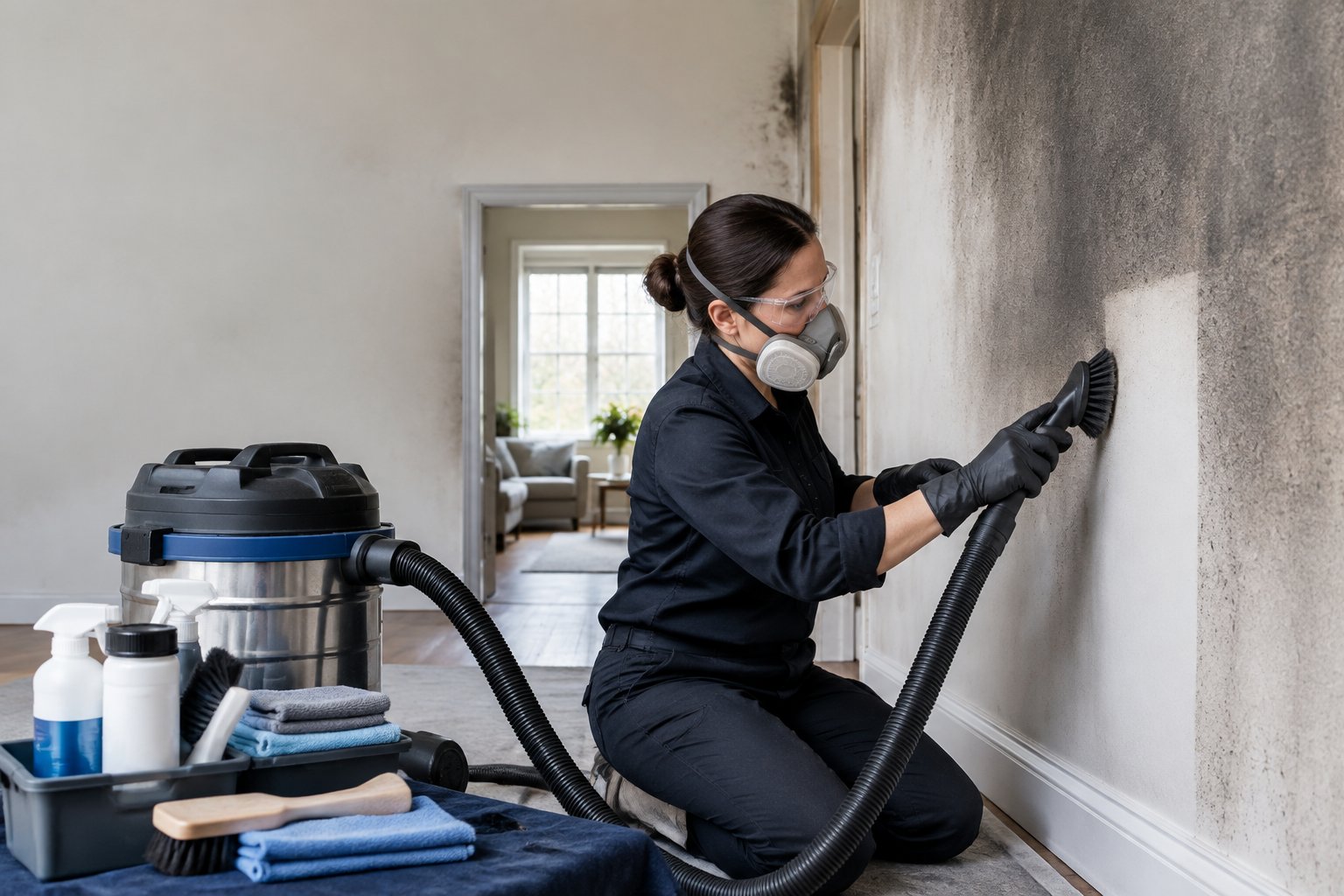
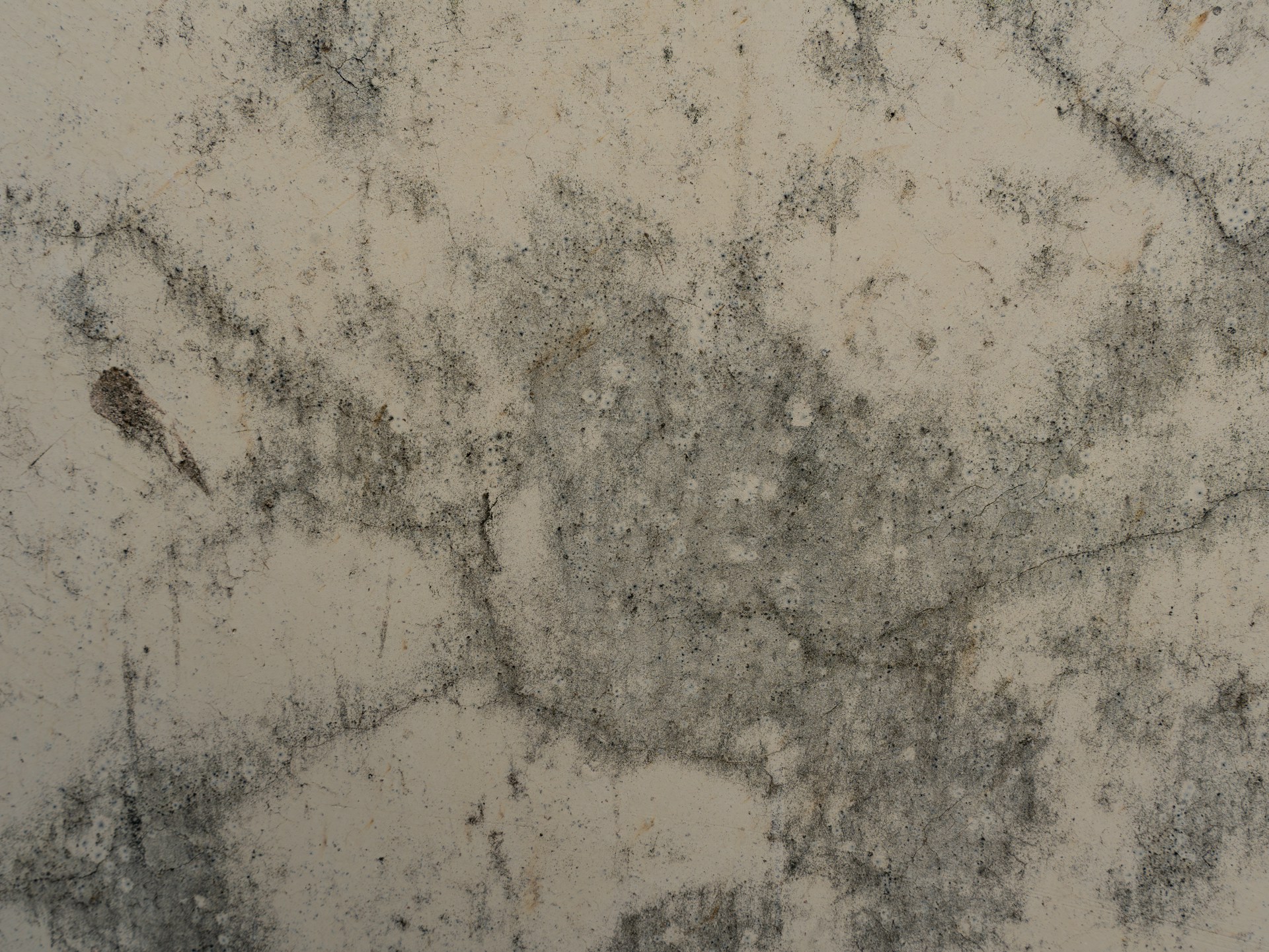
Yes. A pan leak keeps the subfloor and framing damp for weeks or months, which is the kind of steady moisture mold needs. EPA mold cleanup guidance for homes treats patches under about 10 square feet as a homeowner job and points larger areas or heavy water damage toward experienced help. If growth turns up once the floor is open, a mold specialist deals with it before the rebuild starts.
How long does a shower pan replacement take?
For a straightforward tiled shower, expect several days of work spread over about a week or more, since the new pan has to pass its flood test and mortar and grout need curing time. Rotted framing or a ceiling repair below adds to that. Your contractor should give you a schedule once the floor is opened.
Can I use my other bathroom normally during the repair?
Usually. The work stays in the affected bathroom, and the water is typically only shut off for short periods while the plumber connects the drain or valve. Plan around a dusty, noisy few days during tear-out.
Do curbless showers have the same leak risk?
A curbless shower relies even more heavily on its waterproofing and slope, because there is no curb to hold water back. Built correctly, with a properly recessed floor and continuous membrane, they perform well. They need careful planning at the framing stage, which is easiest during a full rebuild.
Is a molded base or a tiled pan better for a replacement?
Both work when installed well. Molded bases are quicker to install and have fewer joints, while tiled floors give you more freedom in size, shape and style. The right pick depends on your layout, budget and how custom you want the shower to feel.