So, does homeowners insurance cover mold? Usually only when the mold grew from a sudden, accidental event your policy already covers, such as a burst pipe or water used to put out a fire. Mold from a slow leak, long-term humidity or missed upkeep is generally excluded, and even covered mold is often capped at a lower limit than the rest of your claim.
That means the mold itself is rarely the question your adjuster cares about most. The question is where the water came from and how long it sat. Here in Southern Maryland, muggy summers and older homes with crawl spaces and finished basements make that question come up a lot.
The Water Source Decides Mold Coverage
The Insurance Information Institute puts it plainly: mold, like rot and insect damage, is generally not covered, but there could be coverage for removing it when it is the direct result of a covered peril such as a burst pipe. Homeowners policies are built for sudden and accidental losses, and they are not meant to pay for maintaining a home.
In practice, adjusters trace a line backward from the mold to the moisture, then from the moisture to an event. If that event is something your policy insures and you acted promptly, the mold has a path to coverage. If the line ends at a slow drip, a damp crawl space or a gutter that has overflowed for years, it usually does not.
Common causes tend to sort out like this. Treat it as a starting point, since your policy wording and your adjuster's findings make the final call.
Why Slow Leaks and Humidity Fall Outside Coverage
A leak that weeps for months does its damage a little at a time, so insurers treat it as a maintenance issue even if you never saw it. That feels unfair when the leak was hidden inside a wall, but it is how most standard policies read. Ask your agent whether your insurer offers an endorsement that broadens coverage for hidden leaks, since some policies can be extended this way.
Humidity works the same way. Mold on a bathroom ceiling with no exhaust fan, or along the joists in a crawl space that stays damp all summer, comes from the home's conditions and not from a single event. The EPA recommends keeping indoor relative humidity below 60 percent, ideally between 30 and 50 percent, which is a realistic target with a dehumidifier in most Southern Maryland basements.
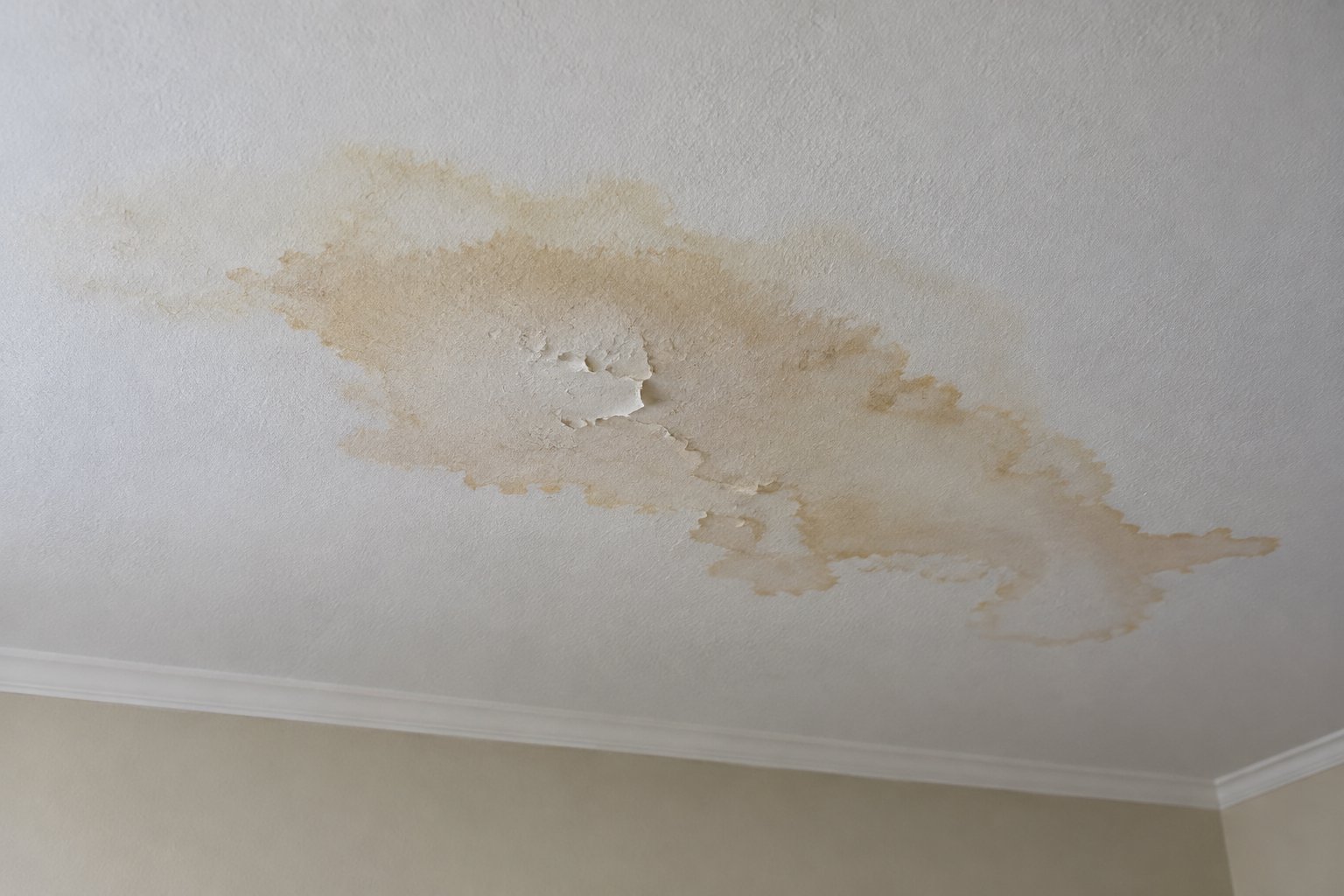
Early clues matter because they give you a chance to fix the source before it becomes an uncovered repair bill. A musty smell, peeling paint low on a wall or swollen baseboards are classic signs of hidden water damage in a basement.
Mold Limits Shrink What a Covered Claim Pays
Even when the cause qualifies, many policies put mold under its own sublimit, separate from your main dwelling coverage. Your deductible still applies to the claim, so a small mold limit can be eaten up quickly. The exact figure, and whether mold is mentioned at all, is listed on your declarations page or in a "fungi, wet rot or bacteria" section of the policy.
The sublimit usually applies to the mold work, not to repairing what the water ruined. Replacing wet drywall, flooring, cabinets and trim after a covered burst pipe normally falls under dwelling coverage at its full limit. Keeping those two parts of the claim separate on paper helps you see what is actually capped.
If your current limit looks thin, ask your agent about a mold endorsement that raises it, and about water backup coverage if you have a finished basement.
Speed Is the Easiest Way to Protect a Mold Claim
The EPA advises drying water-damaged materials within 24 to 48 hours to prevent mold growth, according to its guide to mold and moisture in the home. Insurers know that window too. If water sat for a week before anyone dealt with it, an adjuster may decide the mold came from delay rather than from the original event.
When a pipe bursts or an appliance fails, work through these steps:
- Stop the water at the fixture or main shutoff.
- Photograph and video the source, the wet areas and anything damaged before you move it.
- Start drying with fans and a dehumidifier, and pull up soaked rugs.
- Report the loss to your insurer right away, even if no mold is visible yet.
- Keep receipts and write down dates and times for everything you do.
That written timeline is often what separates a covered mold claim from a denied one. It shows the adjuster the water was dealt with promptly and the mold, if any appeared, came from the event itself.
Once the water is stopped, the wet structure needs attention quickly. Jenkins Restoration & Remodel handles the water damage restoration and rebuild for Southern Maryland homes and works directly with your adjuster, so the repair and the documentation start while the evidence is fresh.
Two Specialists, Two Parts of the Claim
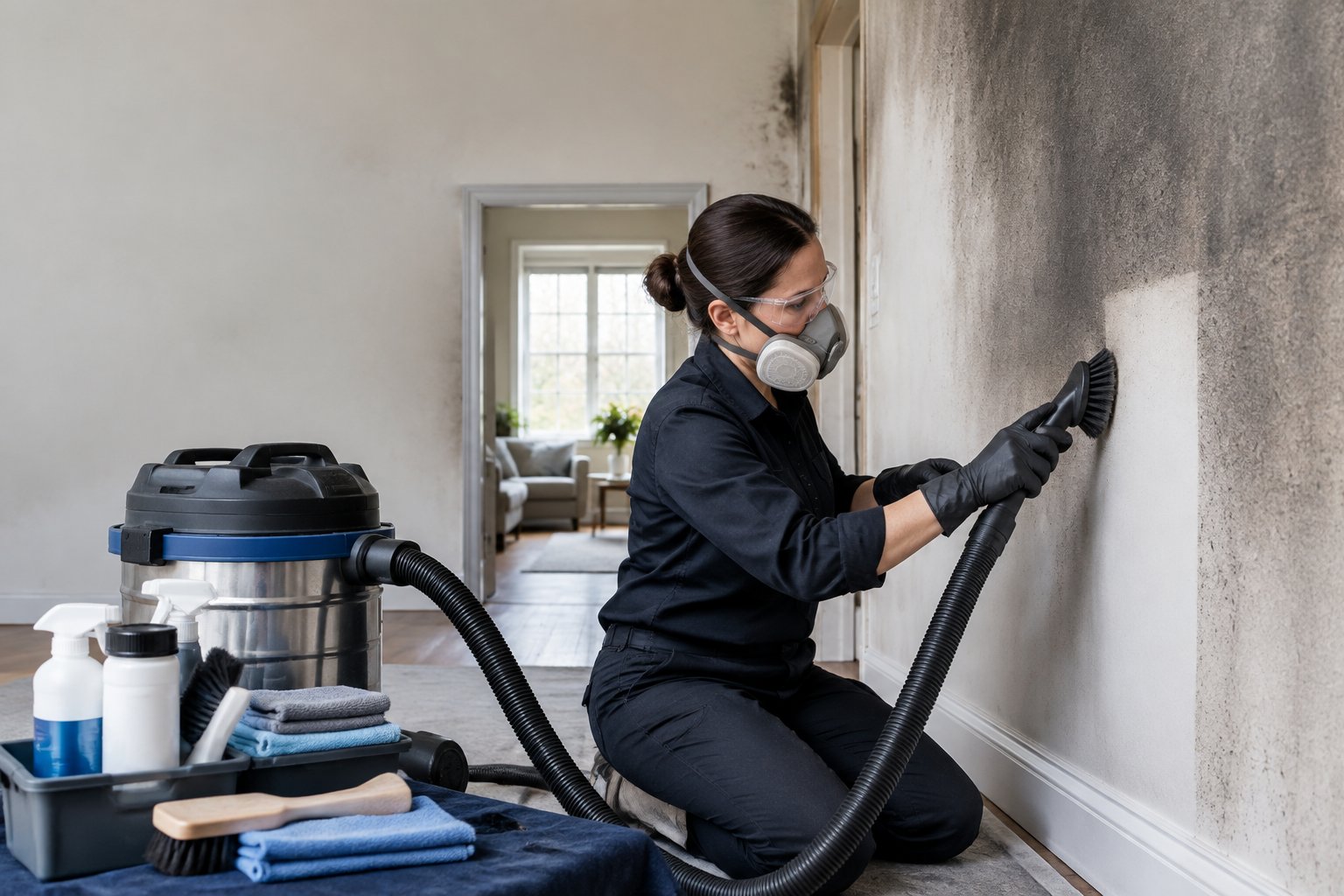
Mold work and rebuilding are separate jobs. A mold specialist assesses the growth, sets up containment and removes it. A restoration contractor then repairs the walls, ceilings, floors and cabinets the water damaged.
Getting the order right matters for your health and your paperwork. Closing up a wall before the mold specialist has cleared it can trap the problem inside, and it leaves the adjuster with nothing to look at. Jenkins coordinates with your mold specialist so the rebuild starts on clean, dry framing, and the water damage insurance claims guidance on the Jenkins blog explains how the water side of the claim moves forward.
If Your Mold Claim Is Denied
Ask for the denial in writing along with the exact policy language the insurer relied on. If you believe the cause was a covered event, send back what supports it: your photos, the plumber's written note on what failed, your drying timeline and a contractor's assessment of the damage.
You can also contact the Maryland Insurance Administration if you think the claim was handled unfairly. Sometimes the mold portion is denied while the water damage repair is still paid, so read the decision closely before assuming the whole claim is gone.
A Calm Plan After Water Damage and Mold
Jenkins Restoration & Remodel repairs and rebuilds water-damaged homes across Charles, Calvert, St. Mary's, Prince George's and Anne Arundel Counties. We document the damage, talk with your adjuster and coordinate with your mold specialist so each step happens in the right order and nothing gets closed up too soon. Your policy sets what gets paid, and you will have someone in your corner while it is sorted out. Call (301) 884-6180 or schedule a free water damage assessment and we will walk you through what comes next.
Frequently Asked Questions
Does homeowners insurance pay for mold testing?
Testing is sometimes paid as part of a covered mold claim, usually counting toward the mold sublimit. If the mold came from an excluded cause, testing is typically your cost. Ask your adjuster before booking a test so you know where it falls.
Is black mold treated differently by insurers?
No. Insurers care about what caused the moisture, not the color or species of the mold. The same sudden versus gradual test applies.
Will filing a mold claim affect my premium?
It can. Claims history is one factor insurers weigh at renewal, so if the total repair is close to your deductible, paying yourself may make sense. When water has damaged floors, drywall and cabinets as well, the full repair usually justifies a claim.
Should I clean up mold myself before the adjuster comes?
Do not remove large areas of mold or tear out materials before documenting them, because the adjuster needs to see the damage. Drying wet areas and stopping the water is expected and helps your claim. For anything beyond a small patch, let a mold specialist handle removal.
Does flood insurance cover mold?
Flood policies have their own rules on mold, separate from homeowners coverage. Read the mold section of your flood policy or ask your flood insurance agent how it applies before you need it.