Most burst pipe claims split into two parts, which is why "does homeowners insurance cover burst pipes" rarely gets a one-word answer. Policies usually pay for the water damage a sudden burst causes to your walls, floors, ceilings and belongings, but not for fixing the pipe itself. The main exceptions are pipes that froze because the heat was not kept on, and damage from a leak that had been seeping for a while before anything burst.
Winters in Southern Maryland are mild most weeks, which is exactly why a hard January cold snap catches people off guard. Pipes in crawl spaces, garages and outside walls of older ramblers and split-levels are the usual culprits.
The Rule Insurers Apply
A standard policy covers sudden and accidental discharge of water from your plumbing, heating or air conditioning system. The Maryland Insurance Administration sums up the two halves clearly: a homeowners policy will generally cover the damage caused by the water from a sudden burst, but the repair or replacement of the pipe itself is not covered.
So the claim is about what the water touched. Drywall, insulation, flooring, cabinets, trim and ceilings below are typically part of dwelling coverage. Furniture and other belongings fall under personal property coverage, and if the house is unlivable while the work is done, the additional living expense part of your policy can pick up the extra cost of staying elsewhere.
How Common Burst Pipe Scenarios Usually Play Out
Every policy is worded a little differently, and your adjuster makes the final call. Still, most burst pipe claims fall into one of these patterns.
Frozen Pipes and the Heat Requirement
Frozen pipe claims hinge on what you did before the freeze. The Maryland Insurance Administration's frozen pipe guidance notes that policies generally require homeowners to maintain the home at a minimum temperature, that a vacant home may need its water shut off instead, and that a burst may not be covered if the insurer finds preventive steps were neglected.
Your policy sets the exact requirement. As a practical baseline, the American Red Cross frozen pipe guidance recommends leaving the heat on, set no lower than 55 degrees Fahrenheit, when you are away in cold weather. That matters for military and federal families around Joint Base Andrews and Pax River who travel or move during winter. If a house will sit empty for a long stretch, have a plumber drain the system and shut off the water.
Reasonable care before a freeze looks like this:
- Insulate pipes in the crawl space, attic, garage and along outside walls
- Open sink cabinets on exterior walls during hard freezes so warm air reaches the plumbing
- Let a faucet on an exposed line drip when temperatures drop sharply
- Disconnect garden hoses and shut off outdoor spigots in the fall
- Ask a neighbor to check the house if you will be gone during a cold stretch
Those steps protect the house, and they also give you a clear answer when an adjuster asks what was done to prevent the freeze.
When a Slow Leak Becomes the Problem
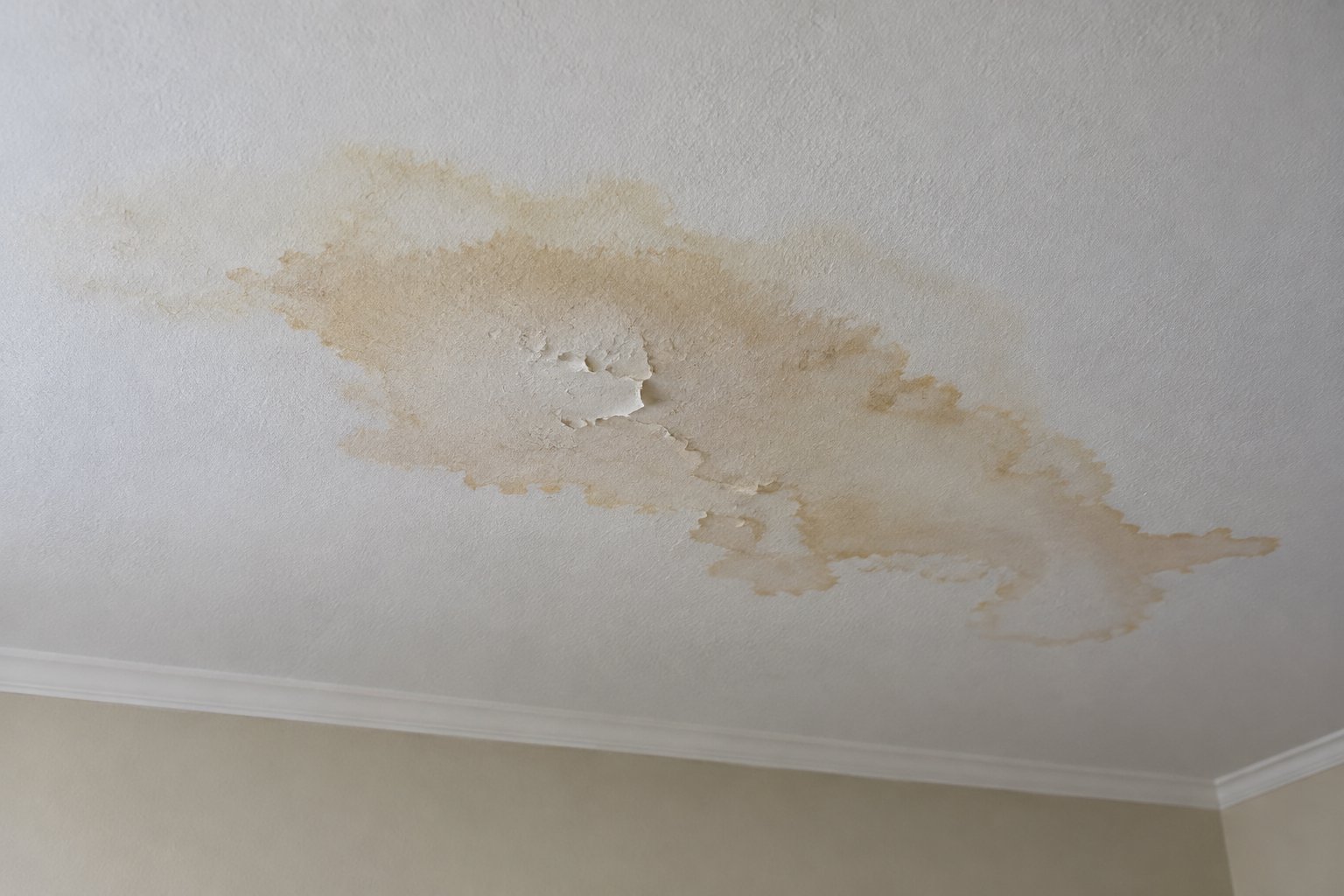
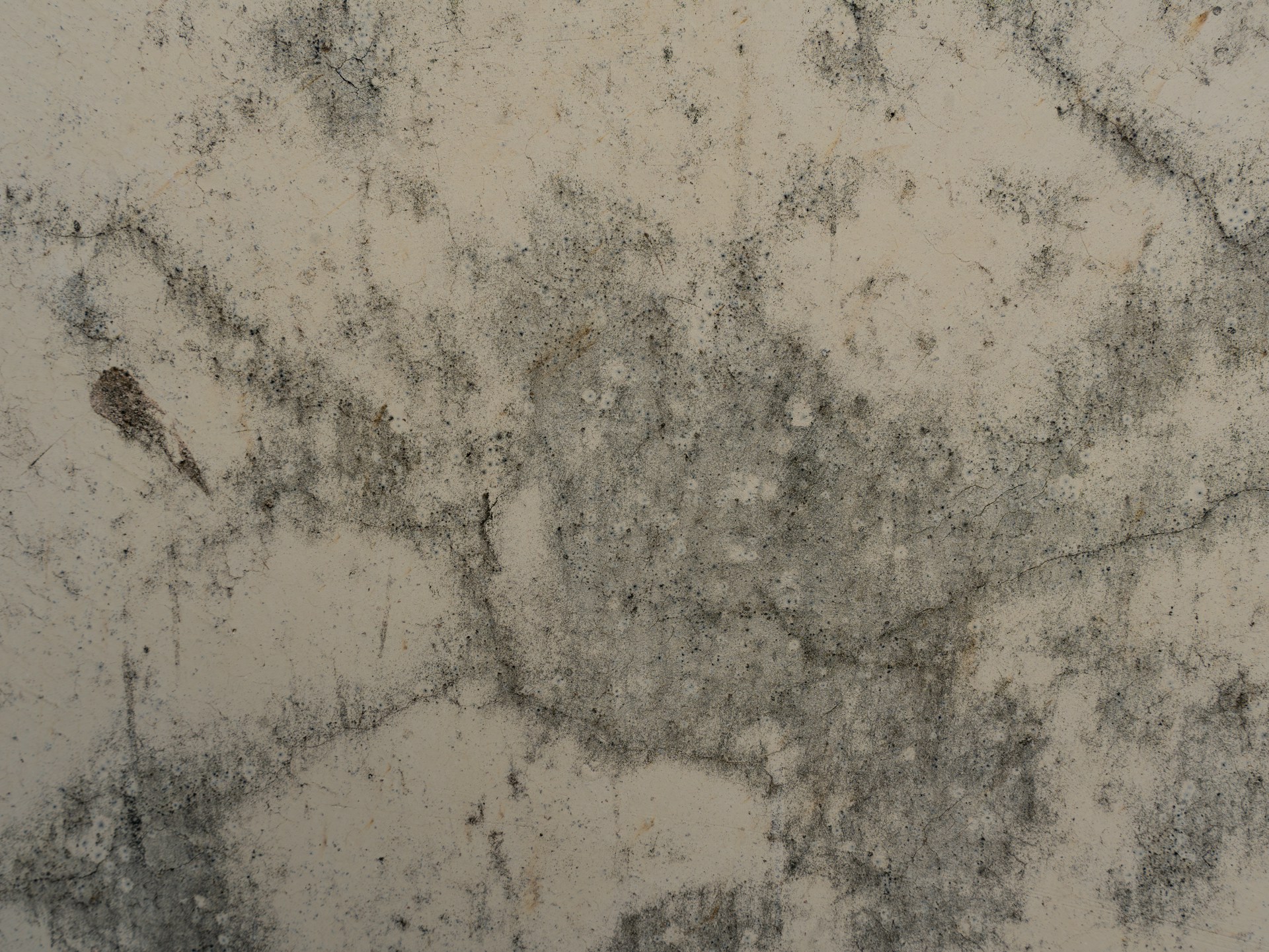
Most policies exclude damage from leaks that develop gradually. If a fitting wept behind a wall for months before it finally let go, the adjuster may see old staining, rot or established mold and decide part or all of the damage came from that slow leak rather than the burst.
That is why small warning signs are worth acting on early. A water bill that creeps up, a soft spot in a floor, peeling paint near a baseboard or a musty smell are all reasons to call a plumber. Our post on what a musty basement can tell you about hidden leaks lists more to watch for.
The First Hours After a Pipe Bursts
Shut off the main water valve, then open a faucet at the lowest level to drain pressure. Stay clear of water near outlets or the electrical panel, and call a licensed electrician or your utility if water has reached wiring.
Before you clean up, photograph the failed pipe, the standing water and every affected room. Then call your insurer, and keep receipts for anything you spend on emergency steps. Prompt mitigation is part of your duty under the policy, and it keeps a covered claim from turning into an argument about how long the water sat.
A licensed plumber repairs the pipe. Ask for a written invoice that notes what failed and why, since your adjuster will want it as evidence of the cause.
After the Plumber Leaves, the Water Damage Comes Next
With the pipe fixed, the clock is still running on everything the water soaked. Water travels inside wall cavities and under flooring, and the longer it sits, the more an insurer may question what was caused by the burst and what was caused by delay.
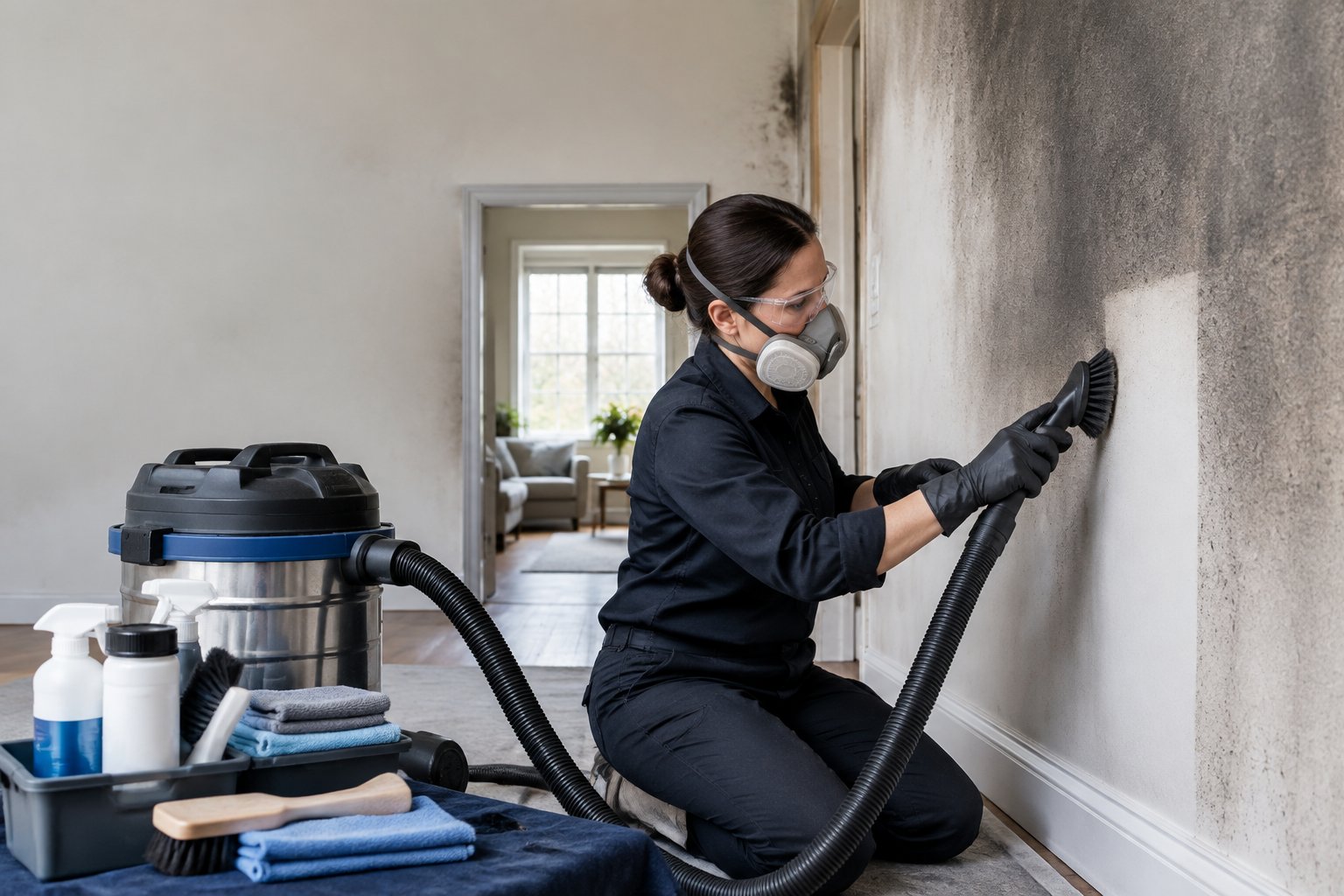
That repair side is where Jenkins Restoration & Remodel comes in. We handle water damage restoration after burst pipes across Southern Maryland, repairing walls, floors and ceilings and working with your adjuster on the claim. The first-day checklist in our emergency water damage cleanup guide covers what to do while you wait.
Coverage You May Want to Add
A few related risks sit outside a standard policy. Water that backs up through drains or a failed sump pump usually needs a water backup endorsement, which is worth considering if you have a finished basement. Flooding from outside requires a separate flood policy. If you are not sure what you have, review your declarations page with your agent before winter rather than after a freeze.
Get Your Home Repaired After a Burst Pipe
When a pipe bursts, the plumber fixes the leak, but the walls, floors and ceilings still need to be dried out and put back together. Jenkins Restoration & Remodel repairs burst pipe water damage for homeowners in Waldorf, Clinton, Crofton, Leonardtown, Dunkirk and across Southern Maryland, and we keep your adjuster updated at every stage of the rebuild. Your policy decides what is paid, and you will know exactly what the repair involves before it starts. Call (301) 884-6180 or arrange a free water damage estimate.
Frequently Asked Questions
Does insurance cover a burst pipe in a rental home I own?
Rental properties are usually insured under a landlord or dwelling policy, which has its own water damage terms. Tenants' belongings are typically covered by their own renters insurance, not yours. Check the dwelling policy for heat and vacancy conditions, especially between tenants.
Is it worth filing a claim for a small burst pipe?
Compare the repair estimate with your deductible. If the cost is close to the deductible, paying it yourself may make more sense, since claims history can affect renewal. If water reached floors, drywall and ceilings below, the repair usually justifies a claim.
Will insurance pay to open the wall so the plumber can reach the pipe?
Many policies treat opening and restoring the wall or floor as part of the covered water damage, even though the pipe repair is not covered. Ask your adjuster how your policy handles access and tear-out before work starts.
What can I do if my burst pipe claim is denied?
Request a written explanation that cites the policy wording behind the decision. Send back supporting evidence such as the plumber's report, thermostat records or photos showing the heat was on. If you believe the claim was handled unfairly, you can contact the Maryland Insurance Administration.
Does a burst pipe during a power outage count as negligence?
An outage you could not control is different from turning the heat off yourself. Document the outage dates, what you did to protect the pipes and when you reported the damage. Your adjuster will weigh the circumstances under your policy wording.