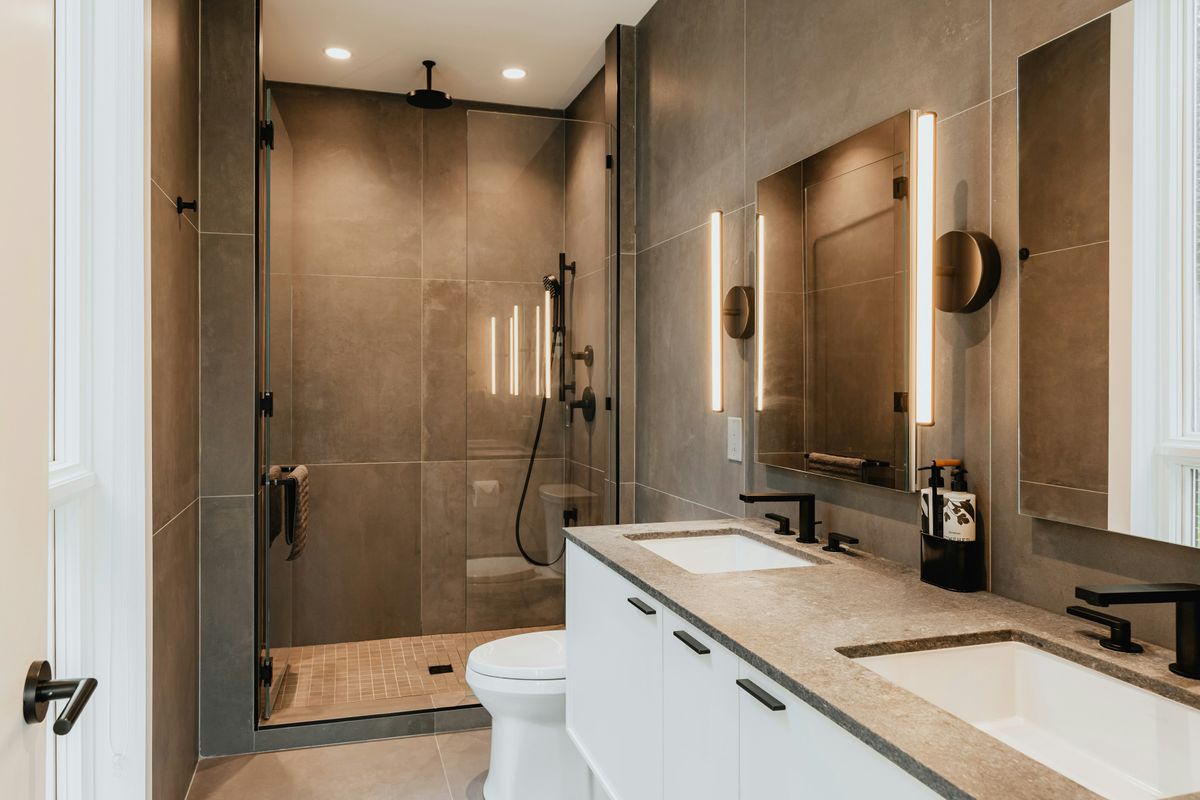
kitchen-and-bathroom-remodeling-southern-maryland.jpg

Kitchen and Bathroom Remodeling That Improves How You Live Every Day

Kitchen and bathroom remodeling is a big decision, especially when your daily routine depends on these spaces working well. If your layout feels cramped or outdated, it can make simple tasks more frustrating than they should be.

At Jenkins Restoration and Remodel, we help Southern Maryland homeowners take a clear, step-by-step approach to remodeling. Our team supports you from early planning through final walkthrough, so you understand your options and feel confident in every decision.

In this guide, you'll learn how to define your scope, design functional layouts, choose durable materials, and hire the right professionals. By the end, you'll have a clearer path forward for your kitchen and bathroom remodeling project.

How to Plan Your Kitchen and Bathroom Remodeling Scope

Before you even think about tile or cabinet finishes, nail down how big this project really is. Defining the scope early keeps your kitchen or bathroom remodel from spiraling out of control, both budget-wise and timeline-wise.

How to Prioritize Needs and Wants in Remodeling

Start with two lists. One is for stuff you genuinely need, like fixing a leaking shower pan or adding more kitchen storage. The other is for things you want, like heated bathroom floors or a fancy pot filler above the stove.

Needs go first in your budget, always. Once those are covered, you can add some wants depending on what's left. Ranking your wants from most to least important helps your designer build a plan that fits your life.

Talk with everyone in your household. If you have kids, ask what matters to them. If aging parents visit often, look into ADA-friendly touches like wider doorways or a curbless shower. These conversations make the project feel more personal and less generic.

Should You Remodel Your Kitchen, Bathroom, or Both?

Remodeling your kitchen and bathroom at once can save money on labor, permits, and setup. If both spaces feel outdated, bundling the work often makes sense.

If you're working within a tight budget, start with the room that most directly impacts your daily life. Kitchens usually cost more than bathrooms, so weigh your priorities carefully.

Consider the disruption factor. A kitchen renovation can take six to twelve weeks, while a bathroom renovation usually takes three to six weeks. Completing both at once creates more disruption but shortens the overall timeline.

What to Expect from a Design-Build Remodeling Process

A design-build firm manages both design and construction, so you work with one team from start to finish.

During the design phase, your designer creates floor plans and sometimes 3D renderings to help you visualize the finished space before demolition begins. You'll review the budget, timeline, and materials in detail.

This approach reduces miscommunication and helps keep your kitchen and bathroom remodeling project aligned with your budget.

Kitchen and Bathroom Layout Ideas for Better Function

The way your kitchen and bathroom are laid out shapes how they function every day. Good design focuses on flow, storage, and comfort, not just appearance.

Kitchen Layout and Storage Zones That Improve Flow

Think of your kitchen in zones: prep, cooking, cleaning, and storage. Keeping these areas connected saves time and effort during daily use.

Set up your sink, stove, and refrigerator in a triangle or logical line so you can move easily between them. This approach works in kitchens of all sizes.

For storage, choose cabinets with rollout drawers, pull-out spice racks, and vertical dividers. Tall pantry cabinets store less-used items and free up space for everyday essentials.

Bathroom Layout Ideas for Comfort and Efficiency

Bathroom layouts should balance fixture placement with available space. You want to move comfortably without obstacles.

In a primary bathroom, separating the toilet from the vanity and shower adds privacy and improves usability. In smaller spaces, a pocket door can save valuable square footage.

Add storage for towels and toiletries with built-in niches or vertical cabinets. These features keep counters clear and improve organization.

Space-Saving Ideas for Small Kitchens and Bathrooms

Small kitchens benefit from wall-mounted shelving, under-cabinet lighting, and compact appliances. In a small bathroom, a floating vanity creates a more open feel. Glass shower enclosures also make the space appear larger.

Multifunctional features help maximize space. A kitchen island with seating or a mirror with hidden storage adds convenience without crowding the room.

Budgeting for Kitchen and Bathroom Remodeling Projects

Where your money goes during a kitchen and bathroom remodeling project depends on your material choices, labor, and scope. Understanding typical costs helps you plan effectively.

Where Your Remodeling Budget Goes

For most kitchen remodels, cabinetry and labor account for the largest share, often 50 to 60 percent combined. Countertops, appliances, and flooring make up the rest.

Bathroom remodels focus heavily on labor, tile work, and plumbing fixtures. Custom showers and high-end vanities can increase costs quickly. Set aside 10 to 15 percent of your budget for unexpected issues, especially in older homes.

Choosing Durable Materials for Kitchen and Bathroom Remodeling

Material selection balances durability and style. In kitchens, choose surfaces that handle heat, moisture, and daily wear.

Bathrooms require strong moisture resistance. Porcelain tile, solid surface countertops, and proper waterproofing help prevent long-term damage.

Premium materials offer visual appeal, but many mid-range options provide excellent durability at a lower cost.

Best Countertops and Tile for Kitchen and Bathroom Remodeling

Quartz countertops remain a popular choice because they resist stains and require little maintenance. Granite and butcher block also perform well, depending on your style. A tile backsplash protects your walls and adds visual interest. Subway tile offers a clean look, while patterned or natural stone tiles create a custom feel.

Porcelain tile works well for bathroom floors and showers due to its durability and water resistance. Larger tiles reduce grout lines and simplify cleaning.

Cabinet and Vanity Design for Kitchen and Bathroom Remodeling

Cabinetry plays a major role in both function and appearance. The right design improves storage while defining the overall style of your space.

How to Choose Functional and Stylish Cabinets

Focus on door style, internal features, and construction quality. Shaker-style cabinets remain a versatile and reliable option.

Interior details matter. Soft-close hinges, dovetail drawers, and adjustable shelves improve durability and usability. For bathroom vanities, combine drawers with open shelving for easy access to daily items.

Popular Cabinet Colors and Design Trends

Painted cabinets give you control over the look and feel of your space. White and off-white remain popular, while darker tones like navy or green continue to grow in demand.

A two-tone design adds contrast without overwhelming the room. Pair lighter upper cabinets with darker lower ones or an island. Choose high-quality finishes to prevent chipping and ensure long-term performance.

How to Match Fixtures, Hardware, and Finishes

After selecting cabinets and countertops, coordinate hardware, faucets, and lighting. Mixing metals can work well when you limit your choices to two finishes. This keeps the design cohesive.

In bathrooms, match faucet finishes with shower fixtures and accessories. Consistency in these details brings the entire design together.

Hiring Contractors for Kitchen and Bathroom Remodeling

The professionals you hire will shape the outcome of your project. Choosing the right team for your kitchen and bathroom remodeling work is essential.

What to Look for in a Kitchen and Bathroom Remodeling Contractor

Start by reviewing feedback and asking for recommendations. Look for contractors with experience in kitchen and bathroom remodeling.

Ask important questions before signing:

  • How long will the project take?

  • Who will complete the work?

  • Will you provide a detailed schedule?

  • Are subcontractors licensed and insured?

  • Can you share recent references?

Be cautious of unusually low bids or immediate availability. Skilled professionals are often scheduled in advance.

Permits, Timelines, and Preparing Your Home for Remodeling

Most kitchen and bathroom remodeling projects that involve plumbing, electrical work, or structural changes require permits. Your contractor should handle these steps.

Kitchen remodels typically take six to twelve weeks, while bathroom remodels take three to six weeks. Request a clear schedule before work begins. Prepare your home by clearing out the space and planning for temporary setups. This preparation helps the project run more smoothly.

Why Quality Craftsmanship Matters in Remodeling

Even the best materials rely on proper installation. Quality craftsmanship ensures your finishes look clean and perform well over time.

Details like smooth drawer operation, aligned cabinetry, and precise tile work make a noticeable difference every day.

Investing in experienced professionals helps protect your investment and ensures your kitchen and bathroom remodeling project delivers lasting value.

Your Next Step Toward a Better-Functioning Home

Kitchen and bathroom remodeling gives you the chance to improve how your home looks and works every day. With the right plan and a clear understanding of your priorities, you can move forward with confidence and avoid unnecessary setbacks.

At Jenkins Restoration and Remodel, we guide homeowners through every phase of kitchen and bathroom remodeling with a focus on quality, clarity, and long-term results. Our team brings local experience and attention to detail that helps ensure your finished space feels both functional and lasting.

When you're ready to move forward, schedule a consultation to get expert insight tailored to your home and goals. That conversation gives you a clear starting point and helps you make informed decisions for your project.

Frequently Asked Questions

How long does kitchen and bathroom remodeling usually take?

Most kitchen and bathroom remodeling projects take between six and twelve weeks for kitchens and three and six weeks for bathrooms. The exact timeline depends on the scope of work, material availability, and any structural or plumbing changes. Planning both spaces together may extend disruption, but can shorten the overall project timeline.

Do I need permits for kitchen and bathroom remodeling?

Yes, most kitchen and bathroom remodeling projects require permits if you are changing plumbing, electrical systems, or structural elements. Your contractor typically handles the permit process and schedules inspections to ensure everything meets local building codes. This step protects your home and ensures the work is completed safely.

Should I remodel my kitchen and bathroom at the same time?

You can remodel both spaces at once if your budget allows, and both areas need updates. Doing so can reduce labor costs and streamline the process, but it also increases short-term disruption. If you prefer less impact on your daily routine, remodeling one space at a time may be the better option.

What materials last longest in kitchen and bathroom remodeling?

Durable materials like quartz countertops, porcelain tile, and solid surface finishes perform well in kitchen and bathroom remodeling. These options resist moisture, stains, and daily wear, which helps maintain their appearance over time. Choosing quality materials upfront often reduces long-term maintenance and replacement costs.

How do I choose the right contractor for kitchen and bathroom remodeling?

Start by looking for contractors with specific experience in kitchen and bathroom remodeling and ask for recent references. Review their past work, confirm licensing and insurance, and request a clear project timeline. A reliable contractor communicates clearly and provides detailed expectations before work begins.

How can I prepare my home for a remodeling project?

Clear out the work areas, protect nearby rooms, and plan temporary solutions like a backup kitchen or bathroom. Good preparation helps reduce stress and allows the project to move more efficiently. Discuss expectations with your contractor so you know what to expect each week.

What is the first step to start kitchen and bathroom remodeling?

The first step is defining your goals, budget, and timeline for the project. This clarity helps guide design decisions and keeps your project on track from the beginning. If you're ready to explore your options, consider scheduling a consultation to get a clear plan tailored to your home.