Loss of use coverage, often listed as Coverage D or additional living expenses (ALE), pays the extra cost of living somewhere else when a covered loss makes your home unlivable. It covers the difference between what you normally spend and what you are spending while displaced, up to your policy's limits. It does not cover your regular bills, and it does not apply if the damage itself is excluded.
For a family in Waldorf after a kitchen fire, or in Bowie after a burst pipe soaks the main floor, that coverage is what keeps a hotel or short-term rental from landing on a credit card. Knowing how it works before you need it, or in the first few days after, makes the next few months a lot easier to manage.
The First Days: When Loss of Use Coverage Applies
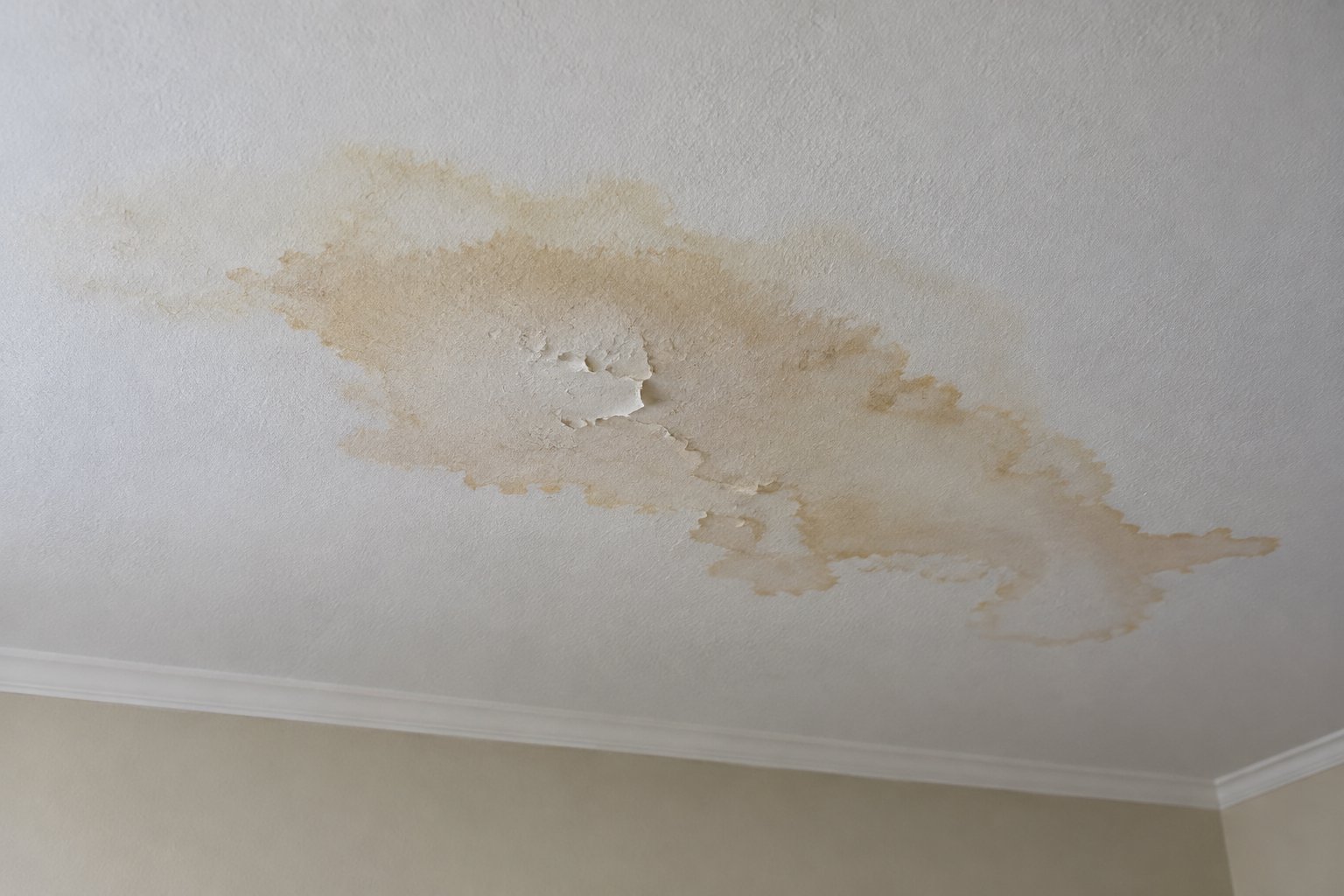
Two things have to be true. The damage has to come from a peril your policy covers, such as fire, wind or a sudden pipe burst, and the home has to be unfit to live in while it is repaired. A house with no working kitchen, heavy smoke odor, open walls after water damage or a damaged roof over the bedrooms usually meets that bar.
If the cause is excluded, loss of use does not apply either. Flooding from outside is the common example, since a standard homeowners policy does not cover flood. Many policies also include a civil authority provision that pays living costs for a limited time when officials order you out because of nearby covered damage, so check your policy wording if that happens.
Call your insurer as soon as you know you cannot stay. Tell the adjuster you are displaced, ask what your loss of use limit is, and ask which expenses they will reimburse before you book anything longer than a night or two. Get those answers in an email.
What Loss of Use Coverage Pays For
The rule is simple: ALE covers costs that exist because you are out of your home, above your normal spending. The Maryland Insurance Administration lists hotel bills and reasonable restaurant meals when you are in a hotel without a kitchen, and notes plainly that ALE will not make your mortgage payment.
Expenses that commonly qualify, if they are new or higher than usual:
- Hotel, short-term rental or furnished apartment costs
- The difference between restaurant meals and your normal grocery bill
- Extra mileage, tolls or parking from a longer commute
- Pet boarding if your temporary housing does not allow pets
- Laundromat costs when you have lost your own washer and dryer
- Storage for belongings moved out during repairs, and the move back
What stays your responsibility: your mortgage or rent, car payment, insurance premiums, utilities you were already paying and anything that counts as an upgrade to your standard of living. Insurers pay for a reasonable equivalent of how you lived before, so a much larger rental than your home is likely to be trimmed back.
If part of your home was rented out, such as a basement apartment, many policies also replace the rent you lose while that unit is unlivable. This is often called fair rental value and usually sits within the same coverage.
The Limits: Dollars, Time and "Reasonable"
ALE is limited. The NAIC notes that some policies set a dollar limit and some also set a time limit, and that these limits are separate from the money to repair your home and replace belongings. Your declarations page shows the Coverage D figure; the time limit, if any, is in the policy wording under loss of use.
Many policies also pay only for the time reasonably needed to repair the home. That phrase matters. If the adjuster believes repairs should take six weeks and your rental runs for four months, you may have to justify the difference.
Before you sign a lease, do a quick check. Estimate a month of housing plus extra food, mileage and storage, then multiply by the months the repair could realistically take. If the total comes close to your limit, talk to your adjuster now about the plan rather than finding out at the end.
The Middle Stretch: Why the Repair Schedule Drives Everything
The length of your repairs controls how long you need temporary housing, and that controls how fast you use up your loss of use limit. A fire or major water loss often moves through drying, tear-out, the adjuster's review, rebuilding and finishes, and each phase has its own pace. A vague "a few months" makes it hard for your adjuster to approve a longer stay.
A written, realistic repair schedule helps on both ends. It gives the adjuster a reason to approve the housing you need, and it gives you a date to plan around. When something changes the timeline, such as hidden damage found behind a wall or a material delay, send the adjuster written notice with photos and the revised schedule before your approved stay runs out.
This is where the contractor you choose makes a real difference. Jenkins Restoration & Remodel handles fire and water damage restoration for Southern Maryland homes, gives you a realistic repair plan you can share, and talks directly with your adjuster as the work moves forward. If you are still in the early stage, our post on what happens before fire damage repairs begin explains why that first assessment shapes the whole timeline.
Records That Get Your Living Expenses Reimbursed
ALE is mostly a reimbursement. You pay, then you send proof. Keep every receipt for lodging, meals, fuel, laundry, storage and boarding, and file them by date in one folder or one shared drive. A bank or card statement can back up a lost receipt.
Gather proof of your normal spending as well. A couple of months of past grocery and utility bills shows your baseline, so the adjuster can see the difference quickly instead of asking you to rebuild it from memory.
Ask your insurer whether they offer an advance for a rental deposit or first month's rent, or whether they can bill a hotel directly. Policies and insurers handle this differently, so get any arrangement in writing. Our guide to residential insurance claims with less stress has more on keeping a claim file organized.
The Last Weeks: Moving Back Home
Tell your adjuster when the end is in sight and confirm how the last stretch will be handled, including moving belongings back out of storage. Do a final walkthrough with your contractor before you return so any punch list items are handled while you still have somewhere else to stay.
Helping Your Family Get Back Home
When a fire or water loss puts your family in a hotel, Jenkins Restoration & Remodel focuses on an organized repair plan and steady communication with your insurance company, so you always know where things stand. We are a locally owned, family-run team based in Hughesville, helping families from Pasadena and Arnold down through Brandywine and Dunkirk. Your policy sets the limits, and a clear repair schedule helps you make the most of them. Call (301) 884-6180 or talk with us about your restoration timeline.
Frequently Asked Questions
Can I stay with family and still use loss of use coverage?
Yes, but ALE reimburses costs you actually incur, so free housing leaves little to claim for lodging. Extra mileage and meal costs can still qualify. Some insurers will discuss a reasonable payment to your host if you agree on it with the adjuster first.
Does loss of use coverage apply to a vacation home or rental property I own?
It depends on the policy on that property. A landlord policy usually focuses on lost rent rather than your living costs, and a second-home policy may differ from your primary home's coverage. Check each policy separately.
Does my homeowners deductible reduce loss of use payments?
Many policies do not apply a separate deductible to loss of use, but wording varies. Ask your adjuster how the deductible is applied across your claim so you are not surprised on the first reimbursement.
What if my insurer says my repairs should take less time than my contractor says?
Ask the adjuster to explain the timeline they are using, then share your contractor's written schedule and the reasons behind it. Hidden damage, permit timing and material lead times are common reasons for the gap. Keep the conversation in writing so the file shows why more time was needed.
Can I choose a rental near my kids' school even if it costs more than a hotel?
Often, yes, if it is reasonable for your family and comparable to how you lived before. A furnished rental with a kitchen can even lower meal costs compared with weeks of restaurant food. Get the adjuster's approval on the specific place before you sign.