Wind damage shingles usually show up as missing pieces, tabs that are lifted or creased, torn edges, exposed nail heads, and a fresh pile of granules at the bottom of your downspouts. The most important one to catch is the crease, because a creased shingle can lie flat and look normal from the street while its seal is already broken. You can spot most of these signs from your yard, without climbing a ladder.
Southern Maryland roofs take wind from several directions over a year: nor'easters in the cold months, summer thunderstorm gusts, and the leftover bands of tropical storms in late summer and fall. A few lifted shingles may not leak today. The next wind-driven rain is what finds them.
Stay on the Ground and Bring a Zoom Lens
Everything in this article can be checked from the yard, a deck or an upstairs window. Storm-loosened shingles slide, creased ones snap underfoot, and walking on a damaged roof can turn a small repair into a big one. Binoculars or your phone camera at full zoom will show you more than you might expect.
Pick your timing. Low morning or late afternoon sun rakes across the roof and makes lifted edges and creases cast thin shadows. Flat midday light hides them.
Seven Signs of Wind Damage on Shingles
Walk the full perimeter of the house slowly and look at each slope in turn. Wind hits eaves, corners, rakes and the ridge hardest, so give those areas the most attention, especially on the side that faced the storm.
- Missing shingles. Look for patches where dark underlayment or light-colored wood shows through. Bare spots at the ridge mean the cap shingles have blown off.
- Torn tabs. The lower flap of a shingle rips away and leaves a jagged or uneven edge. These often sit right next to missing pieces.
- Creased shingles. A straight horizontal line across the shingle, usually near the top of the exposed tab. More on these below, because they matter most.
- Lifted or wavy tabs. Shingle edges that sit higher than their neighbors or look rippled. On a breezy day you may see them flutter.
- Exposed nail heads. Once a tab lifts or tears, the nails under it show. Each one is a path for water straight into the decking.
- Granules in gutters and at downspouts. A sudden heap of the sand-like coating after one storm, paired with scuffed spots on the roof, points to fresh damage.
- Debris on and around the roof. Branches on the roof, shingle pieces in the flower beds, or nails in the driveway all tell you something up there came loose or got hit.
While you are looking up, check the metal flashing around chimneys, vent pipes and skylights for bent or lifted edges. Wind that peels shingles also tugs at flashing and gutters.
Why a Creased Shingle Needs Replacing
A crease forms when wind lifts a shingle, bends it back past what it can take, and drops it again. The shingle settles into place and looks attached. The damage is inside: the bend breaks the mat that gives the shingle its strength, and the adhesive strip that held it down has usually let go.
That leaves a shingle that can snap off along the crease in the next storm and lets wind-driven rain slide underneath in the meantime. Roofers replace creased shingles even when they are still nailed down, because they can no longer do their job. If you see one crease, assume there are more nearby that you cannot see from the ground.
How Wind Damage Differs From Hail and Old Age
Shingles wear out for several reasons, and the pattern of damage usually tells you which one you are looking at. This matters for your repair plan and for any insurance conversation, since policies treat sudden storm damage differently from normal wear.
Two clues help most. Timing: damage that appeared right after a known storm, especially if neighbors lost shingles on the same side of their houses, points to wind. Pattern: wear spread evenly over the whole roof points to age. Older roofs often show both, since brittle, curled shingles give wind an easy edge to catch. If dents suggest hail too, this guide on when hail damage calls for a roof repair or a replacement explains what to look for.
Unsealed tabs on their own prove very little
A tab that lifts easily has lost its bond, but wind is only one possible reason. Shingles installed in cold weather sometimes never seal, dirt or debris can keep the strip from bonding, nails set too high weaken the hold, and adhesive dries out with age. Adjusters know this, so they look for creases, tears or missing pieces nearby before they call it wind damage.
What Wind Speed Starts Damaging Shingles
There is no single number. The National Weather Service notes that sustained winds of 40 to 50 mph can cause isolated wind damage, and that straight-line thunderstorm winds can top 100 mph, in its overview of high wind safety. An older roof with weakened seals can lose shingles in gusts a newer roof shrugs off.
Wind does not just push on a roof. Air speeding over the top creates suction that pulls shingles upward, and that uplift is strongest at the edges and corners. Once wind gets under one shingle at the eave, it can peel the next course and the one after that.
Shingle packages list wind resistance from two standard lab tests. Under ASTM D3161, Class F is the top rating, and under ASTM D7158, Class H is the top rating, according to the Asphalt Roofing Manufacturers Association's summary of asphalt shingle product and test standards. Those ratings describe a new shingle installed to the manufacturer's instructions with a fully bonded seal. Nailing, starter strips at the eaves, roof age and how exposed your lot is all change how a real roof performs. A house on open ground near the Chesapeake or the Patuxent takes harder gusts than one tucked among trees.
Check Inside, Too
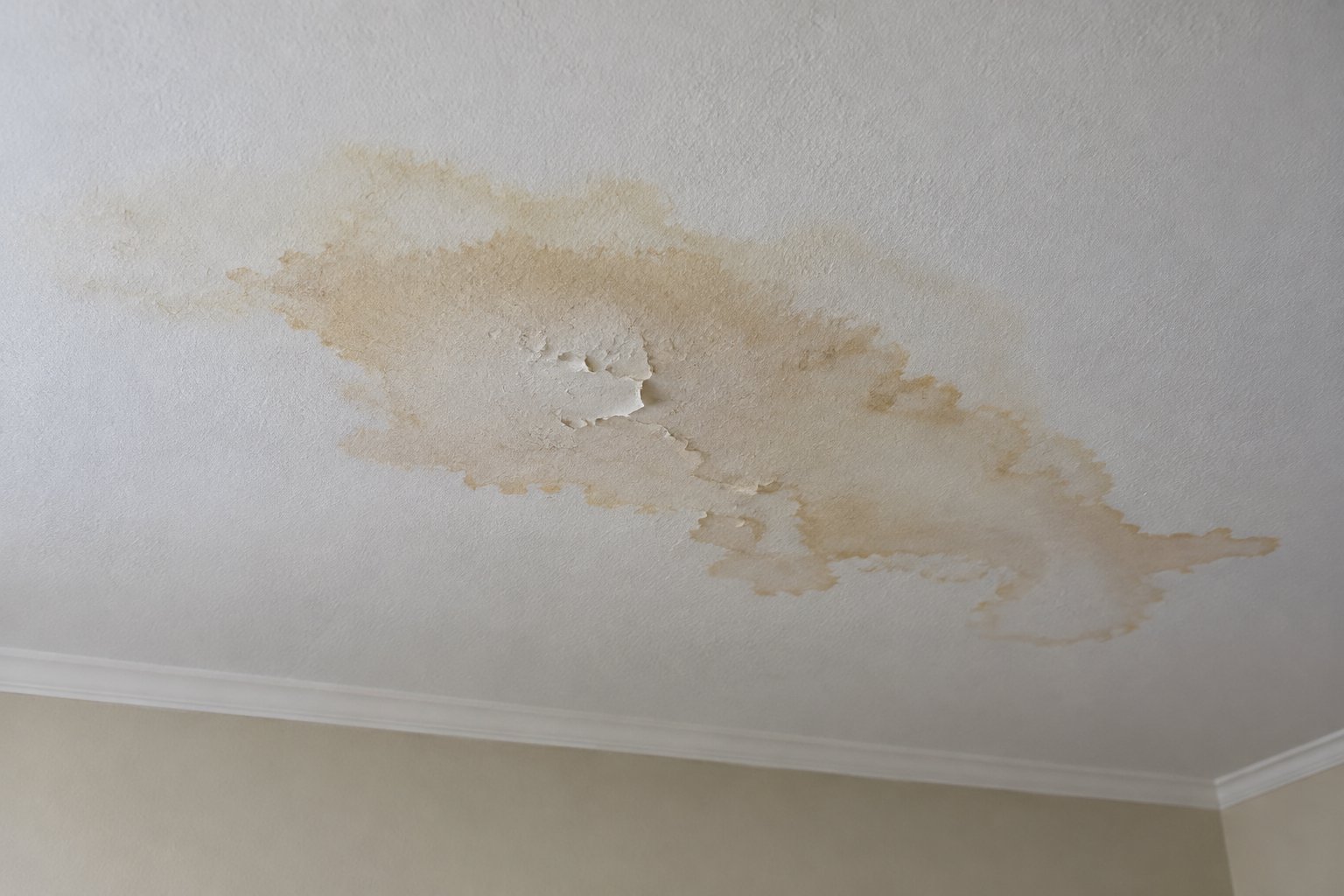
Some wind damage shows up indoors before you notice it outside. After a storm, look at ceilings and the tops of exterior walls on the upper floor for new stains, bubbling paint or drips.
If you can get into the attic safely, take a flashlight and stay on the joists or a floored walkway. Damp insulation, dark spots on the underside of the roof boards, or pinpoints of daylight all point to damage overhead. Any active water inside means the roof needs attention before the next rain.
When to Bring In a Roofer
Call a pro if you spot any creases, lifted tabs, exposed nails or interior stains. A roofer can hand-check shingles for broken seals, gently test whether tabs lift, find the creases you cannot see from the ground, and check the decking for soft spots. They can also tell you whether the damage came from wind, hail, age or the original install. Jenkins Restoration & Remodel inspects storm-damaged roofs and documents what it finds through its roofing services, so you know whether you are looking at a few replacement shingles or something larger.
Once damage is confirmed, the steps in this guide to restoring a wind damaged roof after a storm pick up from there.
Photos that help if you file a claim
Take wide shots of each slope, then close-ups of every problem you can reach with your zoom, along with any shingle pieces in the yard. Your phone stamps the date, which ties the damage to a specific storm. Hold on to blown-off pieces if you can, and note which side of the house took the hit. What a claim pays is decided by your policy and the adjuster's findings, and this overview of what insurers review on a storm roof claim explains how they look at repair versus replacement.
A Clear Answer on Your Roof After the Storm
Not sure whether those lifted edges are wind damage or just an old roof? Jenkins Restoration & Remodel offers free roof estimates after storms for homeowners in Prince George's, Anne Arundel, Charles, Calvert and St. Mary's Counties. We will show you what we find, explain what needs fixing and what can wait, and work with your insurance company if you file a claim. Call (301) 884-6180 or book a free storm damage roof estimate.
Frequently Asked Questions
How soon after a storm should I check my shingles?
Do a ground-level walk as soon as the weather clears and it is safe outside, then look again after the next heavy rain. Some damage, like a broken seal, only shows itself when wind or water finds it. Early photos also make it easier to connect damage to a specific storm date.
Can a roof have wind damage if no shingles are on the ground?
Yes. Creased and unsealed shingles stay attached, and pieces that do tear off often land in gutters, on a lower roof or in a neighbor's yard. Look at the roof itself and the gutters, not just the lawn.
Do new roofs get wind damage?
They can, though a properly installed new roof with fully sealed shingles resists wind far better than an older one. Shingles put on in cold weather may not seal until warm days arrive, so a roof installed in late fall can be more vulnerable during its first winter.
Is one missing shingle worth fixing right away?
Yes. A single gap exposes the underlayment and the nails in the course above it, and wind can catch the neighboring edges and widen the gap. It is usually a small repair if it is handled before the next storm.
Why do the shingles on one side of my house keep blowing off?
Repeated loss on one slope usually comes down to exposure or installation. That side may face the prevailing storm winds with nothing to break them, or the shingles there may have been nailed too high or never fully sealed. A roofer can check the nailing and seal pattern to find out which.