
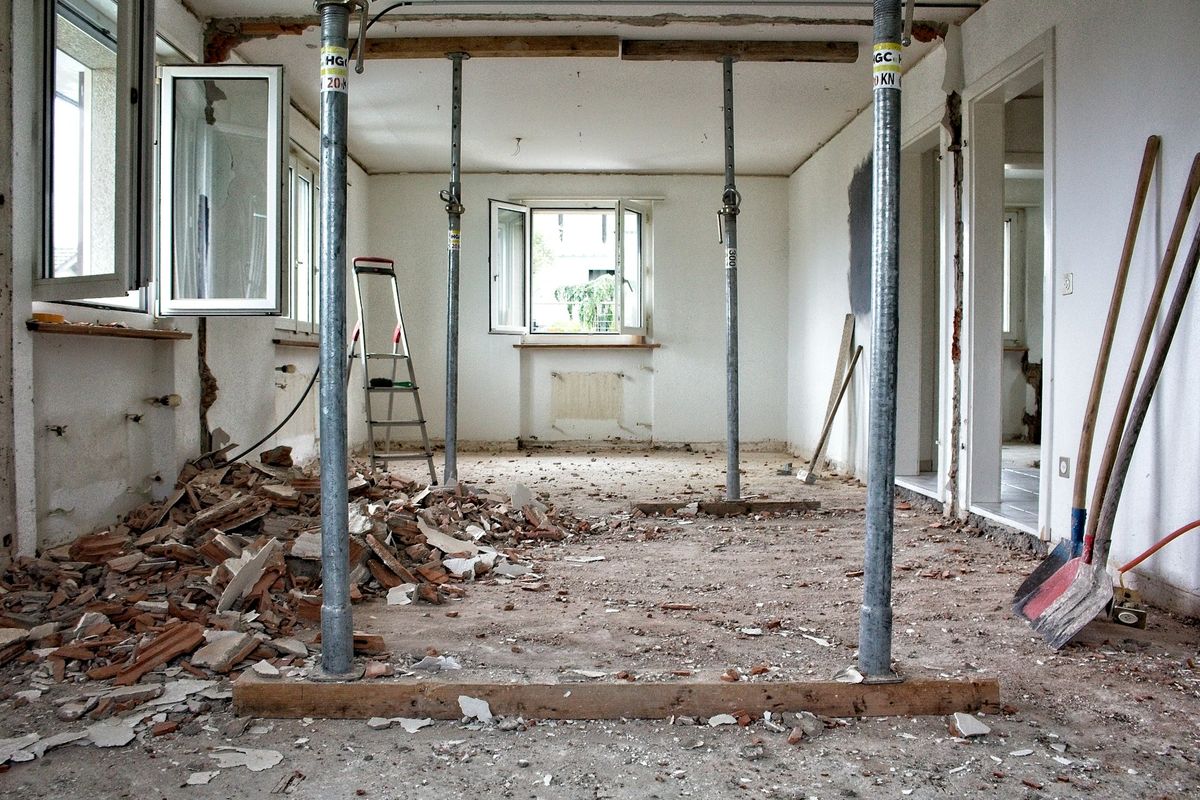
Disaster Restoration Services That Help Southern Maryland Recover
Jenkins Restoration and Remodel
The decisions you make right after discovering damage can affect how fast your home recovers and how much your insurance covers. That is why it helps to understand exactly what professional disaster restoration services involve before you are in the middle of it.
Teams like Jenkins Restoration and Remodel handle both the physical repairs and the insurance process side by side. That combination matters more than most homeowners realize until they are already deep in the claim.
Keep reading to learn what happens at each stage of the home recovery process, from the first call to the final walkthrough. You will also find practical guidance on working with insurance, choosing the right contractor, and knowing what questions to ask before any work begins. The goal is a clear, stress-free path from damage to done.
What Happens After Damage Is Discovered
The first 24 to 48 hours after damage occurs are the most important for limiting how far it spreads. Acting quickly, even before a contractor arrives, can protect your health, your belongings, and your claim.
Protecting Safety and Stopping Further Loss
Before anything else, confirm the home is safe to enter. Structural damage, live electrical hazards, and gas leaks are all real risks after fire or storm events. If you smell gas or see downed wires, stay out and call the appropriate emergency service first.
Once it is safe, focus on stopping the source. Shut off the water main if a pipe is the problem. Cover a damaged section of the roof with a tarp to prevent further rain. Move valuables away from wet areas if you can do so without putting yourself at risk.
These steps are not about fixing anything. They are about preventing a manageable problem from becoming a major one before a professional arrives to assess the full scope.
Documenting Conditions for Insurance and Repairs
Before any cleanup begins, document everything with photos and video. Walk through every affected room. Capture walls, ceilings, flooring, personal items, and any visible structural damage from multiple angles.
Write down the date and time you discovered the damage. Note any steps you took right away, such as shutting off the water or covering a broken window. This record supports your insurance claim and gives your contractor an accurate picture of conditions at the time of loss.
Save damaged materials when possible. Insurers sometimes want to inspect them before authorizing replacement. Your documentation becomes the foundation for everything that follows, including the repair scope and the claim settlement.
Types of Damage a Home May Need to Recover From
Not all damage looks the same, and the recovery process differs depending on the cause. Knowing what each type involves helps you ask the right questions and set realistic expectations.
Storm and Wind Impacts
Storms in Southern Maryland can arrive fast and leave behind a wide range of problems. Wind lifts shingles, snaps tree limbs onto roofs, and forces water through gaps in the building envelope. The visible damage is usually obvious, but water entering through a damaged roof or broken siding can travel far from the point of entry.
Attic insulation, ceiling drywall, and wall cavities are common places where storm-driven moisture hides. A full assessment looks beyond what you can see from the ground floor.
Fire, Smoke, and Soot Issues
Fire damage is not limited to charred materials. Smoke and soot can spread throughout a home during a fire, coating surfaces, penetrating porous materials, and leaving behind odors that are difficult to eliminate without professional treatment.
Structural components exposed to heat may appear intact yet remain compromised. Framing, subflooring, and roof decking all need to be evaluated carefully before any rebuilt surface is added.
Smoke residue is also corrosive. Metal fixtures, appliances, and even wiring can deteriorate over time if soot is not removed thoroughly and promptly.
Water Intrusion and Hidden Moisture
Water damage is one of the most common and most misunderstood types of home damage. What appears to be a small leak at the surface often means moisture has already moved into wall cavities, under flooring, and behind cabinets.
Moisture meters and thermal imaging can detect wet areas that are invisible to the naked eye. A restoration team will use these tools to map the true extent of water migration before any drying or repair work begins. Skipping that step leads to mold growth and structural deterioration later.
Water damage causes can vary widely. Here are the most common sources:
Burst or leaking pipes
Appliance failures such as dishwashers or water heaters
Roof leaks after storms
Foundation seepage or basement flooding
Sewage backups
HVAC condensation issues
Each source carries different cleanup requirements, especially when contaminated water is involved.
How the Restoration Process Usually Works
Knowing the steps ahead of time makes the process far less stressful. A well-run restoration follows a clear sequence, and each phase sets up the next one properly.
Inspection, Scope, and Repair Planning
A thorough inspection comes first. A qualified contractor walks the entire property, documents the conditions, uses moisture-detection tools where needed, and identifies every affected area, including spaces that are not immediately visible.
From that inspection, a written scope of work is created. The scope lists every repair item, the materials to be used, and the sequence of work. It becomes the basis for the insurance estimate and the homeowner's approval before any physical work begins.
This step is where experience matters most. A contractor who has handled hundreds of similar jobs will catch things a less experienced team might miss, and those missed items often show up as costly surprises later in the project.
Drying, Cleanup, and Structural Repair
Once the scope is approved, the physical work begins with mitigation. For water damage, this means drying the structure with commercial-grade air movers and dehumidifiers strategically placed throughout the affected area. The drying process is monitored daily with readings logged to confirm progress.
For fire damage, mitigation involves removing charred materials, treating soot-covered surfaces, and neutralizing odors before any rebuild can start. Damaged framing, sheathing, or subflooring is removed and replaced during this phase.
Nothing is enclosed until moisture readings confirm the structure is dry. Closing up wet walls is one of the most common mistakes in rushed restoration work, and it creates serious mold and structural issues down the road.
Rebuilding Finishes and Final Walkthrough
With structural repairs complete and the home confirmed dry, the rebuild phase begins. Drywall, insulation, flooring, trim, and paint are restored to match the original condition or improved as part of an agreed-upon finish selection.
The final walkthrough is a joint review between you and the contractor. Every repair item on the scope is checked. You have the opportunity to note anything that needs attention before the project is officially closed out.
A signed completion confirmation protects both parties. It confirms the work is done, the materials match what was agreed upon, and the home is ready for normal use again.
Insurance, Estimates, and Homeowner Decisions
The insurance side of a restoration project is where many homeowners feel most lost. Understanding the process gives you far more control over the outcome.
When to Contact Your Insurance Carrier
Contact your insurance carrier as soon as it is safe to do so after damage occurs. Most policies require prompt notice of a loss, and delays can complicate your claim. Have your policy number ready and be prepared to describe the type of damage and when it was discovered.
Your insurer will assign an adjuster who will schedule an inspection of the property. You are allowed to have your contractor present during that inspection. A contractor who is familiar with insurance restoration work can advocate for a thorough scope and flag items an adjuster might otherwise overlook.
What a Scope of Work Should Clarify
Before you approve any repair work, make sure the written scope answers these questions clearly:
What specific areas are included in the repair?
What materials will be used, and what grade or quality?
Will existing finishes be matched as closely as possible?
Who is responsible for obtaining permits?
What is the payment schedule tied to completed milestones?
How will changes or additional damage discovered mid-project be handled?
A vague scope leads to disputes. A detailed one protects you throughout the project and gives the insurer a clear basis for the approved estimate.
Questions to Ask Before Approving Repairs
Never feel rushed into signing a contract before you have clear answers. Some contractors pressure homeowners to approve work quickly after a disaster. A trustworthy team will take time to explain the scope and answer your questions.
Ask how the contractor handles supplemental claims when hidden damage is found mid-project. Ask whether they have experience working directly with insurance adjusters. Ask for references from homeowners who experienced similar damage. The answers tell you a great deal about how the project will be managed once it begins.
Choosing a Contractor for a Stress-Free Recovery
The contractor you choose shapes the entire experience from start to finish. Take the time to evaluate carefully, even when you are under pressure.
Experience With Both Repairs and Rebuilds
A contractor who handles only mitigation and cleanup will hand the rebuild phase off to a separate company. That creates coordination gaps, communication delays, and sometimes conflicting scopes. A full-service contractor manages both phases under one roof.
Look for a team with direct experience in the specific type of damage your home has. Storm damage, water intrusion, and fire recovery each have their own technical requirements. A contractor who has handled a high volume of similar projects will move more efficiently and make fewer costly errors.
Communication, Permits, and Local Knowledge
Reliable communication throughout a project is not optional. You should know exactly what is happening each day, what the next steps are, and who to call with questions. A contractor who goes silent between site visits is a warning sign.
Permits are required for many structural and system repairs. A professional contractor handles the permitting process, schedules required inspections, and keeps the project code-compliant. Skipping permits creates problems when you sell the home or file future insurance claims.
Local knowledge matters too. A team based in Southern Maryland and familiar with Prince George's and Anne Arundel County building departments moves through the permit process faster than an out-of-area contractor learning the system for the first time.
Signs of Quality Craftsmanship
Quality is visible in the details. Look at how materials are installed, how joints and seams are finished, and whether paint lines are clean and consistent. Ask to see examples of completed projects or speak with past customers directly.
Customer feedback is one of the most reliable indicators of how a contractor performs under real conditions, especially in stressful restoration situations. A team with a long record of satisfied homeowners in your area is a strong sign you are making the right choice.
With a clear picture of what to look for in a contractor, the final step is simply to make the call and get your project started.
Frequently Asked Questions
Who Can I Call Right Away for Emergency Water Removal After a Burst Pipe in Southern Maryland?
Call a full-service restoration contractor in your area as soon as you shut off the water supply. Teams serving Prince George's County and Anne Arundel County can respond quickly to begin water extraction and set up drying equipment before damage spreads to adjacent rooms or structural materials.
How Do I Know if Hidden Moisture Is Still in the Walls After a Leak, and What Tests Do You Use to Confirm It?
Contractors use moisture meters and thermal imaging cameras to detect water inside wall cavities and under flooring. These tools identify wet areas that look dry on the surface. Readings are taken daily during the drying phase to confirm the structure has reached an acceptable moisture level before walls are closed.
What Should I Do First After a House Fire to Protect What Can Be Saved and Prevent More Damage?
Wait for the fire department to confirm the home is safe to re-enter before going back inside. Once cleared, photograph every affected area before anything is moved or cleaned. Cover any open sections of roof or walls to block weather, and contact your insurance carrier to report the loss right away.
How Long Does the Drying and Repair Process Usually Take for a Flooded Basement in Prince George's County?
The structural drying phase for a flooded basement typically takes three to five days under controlled conditions, though the full repair timeline depends on the extent of damage and what materials need to be replaced. A detailed assessment at the start of the project gives you the most accurate timeline estimate for your specific situation.
Can You Help Document the Damage and Handle the Insurance Claim Paperwork While the Repairs Are Underway?
Yes. A full-service restoration contractor handles both the documentation and the insurance coordination alongside the physical work. That includes attending the adjuster's inspection, reviewing the insurer's scope, and filing supplemental claims when additional damage is found during repairs.
How Do I Choose a Trusted Local Team in Anne Arundel County When Reviews and Names Are Everywhere?
Focus on contractors with a long, verifiable track record in Southern Maryland specifically, not national franchise operations managed by rotating staff. Ask for local references, confirm the team handles both mitigation and rebuilding in-house, and verify they are familiar with local permitting requirements in Anne Arundel County.
Planning the Next Step With Confidence
Getting to a clear, actionable plan after a disaster is the first real moment of relief. The damage has happened, the documentation is done, and now you can move forward with a team and a scope you understand.
The most important things to bring to that first contractor conversation are an honest picture of the damage and a list of your questions. You do not need to have all the answers. A qualified contractor will walk you through the assessment and explain the findings in plain terms.
Flexible financing options are available if out-of-pocket costs are a concern alongside your insurance claim. Getting a consultation costs nothing, and it gives you the information you need to make a confident decision.
Jenkins Restoration and Remodel serves homeowners across Southern Maryland and has guided families through recovery from storm, fire, and water damage for more than 50 years. Call (301) 884-6180 to schedule your free consultation and take the first clear step forward.