.png)



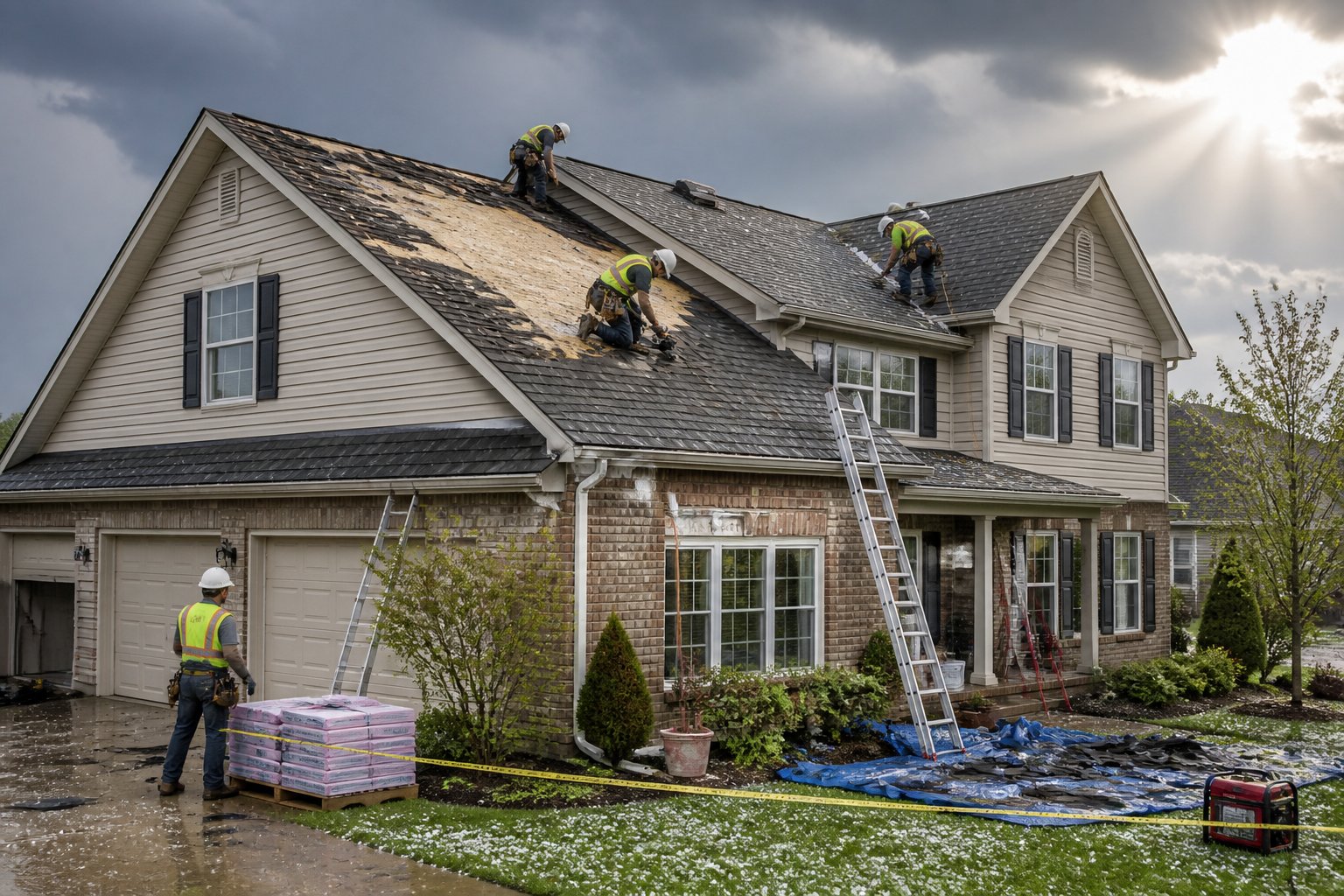
The storm passed, but the damage is still there. Maybe a tree branch punched through your roof, wind tore off siding panels, or water crept in through a window and soaked the ceiling below. You are standing in your own home, staring at the damage, and somewhere in the back of your mind you know there is a stack of insurance paperwork between you and getting this fixed.
The claims process after storm damage does not have to be as confusing as it feels right now. It follows a clear sequence, and knowing the steps in advance makes each one easier to move through. An experienced local contractor who knows how to work alongside your insurer can also take a significant amount of that burden off your plate.
Keep reading to learn exactly what your homeowners policy typically covers, how to document damage before you call your insurer, what happens during the adjuster visit, and how to review your settlement offer with confidence. Every step in this guide is written to move you from overwhelmed to ready, one decision at a time.
What an Insurance Claim Usually Covers After Storm Damage
Most standard homeowners policies cover storm damage under three main categories, and knowing what falls into each one helps you have a more productive conversation with your insurer from the start.
Dwelling, Personal Property, and Temporary Living Costs
Dwelling coverage pays for repairs to the physical structure of your home, including your roof, walls, windows, siding, and attached structures like a garage. This is the portion of your policy most likely to apply after a major storm.
Personal property coverage addresses belongings damaged inside the home, such as furniture soaked by water intrusion. If the damage forces you to stay somewhere else during repairs, loss of use or additional living expense coverage can help pay for hotel stays and meals.
These three categories work together, but each has its own limits and conditions. Reading your declarations page before you call your insurer gives you a clearer picture of what to expect.
Common Policy Limits, Deductibles, and Exclusions
Your deductible is the amount you pay out of pocket before your insurance coverage kicks in. Some policies in storm-prone regions carry a separate, higher deductible specifically for wind or hurricane damage, so check whether yours does. Common exclusions include flooding caused by rising ground water, which requires separate flood insurance, and damage attributed to deferred maintenance rather than the storm itself.
Knowing your exclusions matters because adjusters are trained to look for pre-existing conditions. A roof that was already deteriorating before the storm may be partially excluded, even if the storm worsened the damage.
The more clearly you can document the storm's fault, the better positioned you are. That documentation process is exactly where the next section begins.
What to Do Before You Call Your Insurance Company
Before you dial your insurer, two actions protect both your home and your claim: stop additional damage from happening, and document everything you can see.
Protect the Home From Further Damage
Your policy almost certainly requires you to take reasonable steps to prevent the damage from getting worse. That obligation is not just fine print; it is practical. A hole in the roof that lets in three more rainstorms before the adjuster arrives will complicate your claim and deepen the repair cost.
Cover exposed areas with tarps, board up broken windows, and move salvageable belongings away from wet areas. Keep every receipt from any emergency materials or labor you pay for. These costs are often reimbursable, but only if you can document them.
Document Damage With Photos, Notes, and Receipts
Walk through every affected area and photograph the damage before you move or touch anything. Take wide shots that show context and close-up shots that show detail. Note the date and time of each photo if your phone does not do this automatically.
A written inventory helps too. List every damaged item or area, describe what you observe, and estimate when you first noticed each issue. This written record supplements your photos and gives you something concrete to reference during every conversation with your insurer.
Strong documentation is one of the most effective things you can do to keep your claim moving without unnecessary back-and-forth. Once you have it in hand, you are ready to open the claim itself.
How to Start the Claim Without Creating Delays
The moment you call your insurer, the clock starts on your claim. A prepared, organized call moves that clock forward instead of creating friction.
What Information to Have Ready
Gather the following before you make the call:
- Your policy number and declarations page
- The date and approximate time the storm occurred
- A written list of damaged areas and affected belongings
- Photos and any video you captured during documentation
- Receipts for any emergency repairs or materials already purchased
- Your contact information and the best times to reach you
Having this ready means you are not scrambling mid-call or providing incomplete information that requires a follow-up.
How to Describe the Damage Clearly and Accurately
Use plain, specific language when describing what happened. Stick to what you observed directly: "The storm on Saturday night tore three sections of shingles from the northwest side of the roof, and water came through the ceiling of the bedroom below." Avoid speculating about causes you cannot confirm, and do not minimize damage to seem reasonable.
Adjusters document what you tell them alongside what they observe. Vague or incomplete descriptions can leave out covered damage that never makes it into the official file. Be thorough, be factual, and refer back to your written notes so you do not miss anything.
Once the claim is open, the next major step is the adjuster visit, and how you prepare for it matters more than most homeowners expect.
What Happens During the Adjuster Visit
The adjuster visit is the moment your claim transforms from a phone report into a formal assessment. The adjuster's job is to inspect the damage, compare it against your policy, and produce an estimate of what the insurer will pay.
What the Inspection Typically Includes
Adjusters typically walk the exterior and interior of the affected areas, photograph the damage, check for pre-existing conditions, and assess the age and condition of the materials involved. They may also measure affected areas to calculate material quantities for the estimate.
Be present during the visit. Walk through the property with the adjuster and point out every area you documented. If you identified damage they seem to overlook, say so calmly and ask whether it will be included in the assessment.
Why Contractor Documentation Can Support the File
A contractor who has inspected the property before the adjuster's visit can provide a written scope of damage for the adjuster to reference during their assessment. This matters because trained restoration professionals often identify secondary or hidden damage that a single adjuster visit may miss, such as moisture intrusion behind walls or compromised structural sheathing under damaged siding.
This kind of contractor documentation does not replace the adjuster's role; it supports it. When both parties work from a thorough, accurate picture of the damage, the claim is more likely to reflect the true scope of repair.
The result is fewer disputes, fewer delays, and a settlement that actually covers what needs to be fixed. What that settlement looks like and whether it aligns with actual repair costs are the next things to examine carefully.
How to Review the Settlement Offer and Repair Scope
When the insurer sends a settlement offer, your job is not simply to sign and accept. Your job is to read it carefully and compare it to what the repairs will actually cost.
Comparing the Estimate to Real Repair Needs
Settlement offers are based on the adjuster's scope of work, which may not capture every repair your home requires. Review the line items and compare them to the damage you documented and any contractor estimate you have received. Look for items that are missing entirely, materials priced below current local costs, or labor estimates that do not reflect the work's actual complexity.
If the numbers do not align, do not panic. A discrepancy does not mean the claim is over. It means you need to ask questions and provide supporting documentation.
When Supplemental Claims May Be Needed
A supplemental claim is a formal request to add items that were missed in the original settlement. This is common in storm restoration when hidden damage is found once repair work begins, such as water-damaged sheathing discovered after shingles are removed.
Your contractor plays a meaningful role here. When they produce a detailed, itemized estimate, it gives you the documentation needed to support a supplemental request. Working with a contractor who understands how storm damage restoration claims work in practice makes this process far less stressful.
Contractors experienced in insurance restoration know how to write scopes that adjusters recognize and can act on quickly. Knowing your settlement is accurate and complete sets you up for the final and most important step: actually getting the work done.
Moving From Paperwork to Repairs With Less Stress
Once your claim is approved, the focus shifts from documentation to execution. Choosing the right contractor at this stage shapes how smooth or complicated that transition feels.
Choosing a Local Team That Coordinates With Insurance
A contractor who regularly works with insurance claims brings a specific kind of value beyond physical repairs. They communicate directly with your insurer, submit documentation in the format that adjusters use, and flag any additional covered damage as it surfaces during the work. That coordination reduces the back-and-forth that typically falls on the homeowner.
Local experience matters here too. A contractor who serves Southern Maryland, including Prince George's County and Anne Arundel County, understands regional storm patterns, local building codes, and the permit requirements specific to your area.
That familiarity prevents delays caused by a contractor learning your market for your project. A thorough breakdown of how restoration companies work alongside insurance carriers shows exactly why this coordination step is worth taking seriously.
Frequently Asked Questions
How Do I Choose a Trusted Contractor After a Fire, Water, or Storm Claim Without Getting Overwhelmed?
Look for a locally owned contractor with documented experience in both physical repairs and insurance claim coordination. Ask whether they have worked on insurance restoration projects in your area and whether they can provide a written, itemized estimate that aligns with adjuster formats.
What Steps Should I Take Right After Property Damage to Protect My Home and Keep My Claim on Track?
Make the home safe, take photos before touching anything, and take basic steps to prevent further damage such as covering exposed areas. Document every emergency expense with receipts, as these costs are often reimbursable under your policy.
Will the Insurance Payout Go to Me or Directly to the Contractor, and How Does That Payment Process Usually Work?
In most cases, the insurance check is issued to you as the homeowner, sometimes jointly with your mortgage lender if you have one. You then coordinate payment with your contractor in accordance with the agreed project schedule.
What Should I Avoid Saying to the Insurance Adjuster So I Don't Accidentally Complicate My Claim?
Avoid speculating about causes you cannot confirm or agreeing that certain damage was pre-existing without reviewing your own documentation first. Stick to factual descriptions of what you observed and when.
How Can I Tell Whether an Estimate Is Thorough and Tailored, or Missing Key Repairs That Affect Durability and Peace of Mind?
A thorough estimate lists specific materials, quantities, and labor line items for each affected area. If an estimate is vague, lumped into broad categories, or does not address every damaged area you documented, ask for clarification before signing.
If I'm in Southern Maryland, Prince George's County, or Anne Arundel County, How Quickly Can Emergency Mitigation and Repairs Typically Start?
Response time varies based on the scale of the storm and current demand, but a local contractor serving your area can often begin an initial assessment within days of contact. Early assessment helps preserve your documentation and can support the claims process while you wait for the adjuster.
Ready to Take the Next Step After Storm Damage?
Storm damage is stressful, but the path forward is clearer than it may feel right now. Document thoroughly, call your insurer with organized information, prepare for the adjuster visit, and review your settlement before accepting it. Each step builds on the last, and you do not have to figure any of it out alone.
Jenkins Restoration and Remodel has served Southern Maryland homeowners for over 50 years, helping families in Prince George's County and Anne Arundel County move from damage to restored, with insurance claim guidance built into the process from the start. The goal is always quality craftsmanship and peace of mind, not more paperwork confusion.
Call (301) 884-6180 or schedule a free consultation online. A clear plan starts with one conversation.